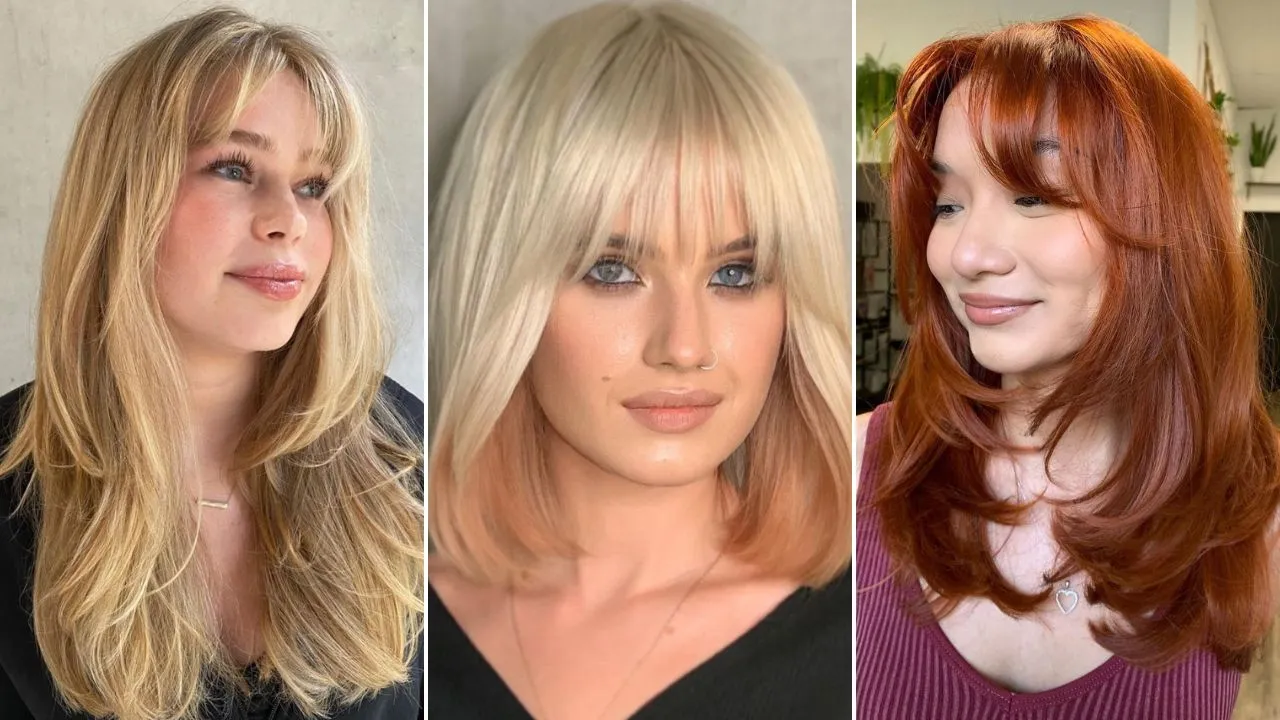
Framing Your Face: Straight Hair with Bangs

ppr-revolution.com – Straight hair with bangs is a timeless hairstyle that has the unique ability to flatter almost any face shape. This classic look is versatile, easy to maintain, and can be adapted to suit various personal styles. Whether you’re aiming for a sleek and sophisticated vibe or a playful and youthful appearance, straight hair with bangs offers endless possibilities. In this article, we’ll explore how this hairstyle can frame your face beautifully and provide tips on how to achieve and maintain this look.

The Versatility of Straight Hair with Bangs

One of the most appealing aspects of straight hair with bangs is its versatility. This hairstyle can be tailored to suit different face shapes, hair textures, and personal preferences. From blunt, full bangs to wispy, side-swept bangs, there’s an option for everyone. The length of the bangs can also be adjusted to highlight your best facial features, making it a highly customizable choice.

Choosing the Right Bangs for Your Face Shape

Oval Face Shape

For those with an oval face shape, almost any type of bangs will complement your features. You can experiment with blunt, side-swept, or even curtain bangs to find what you like best.

Round Face Shape

If you have a round face, longer, side-swept bangs can help to elongate your face and add balance. Avoid blunt, short bangs as they can make your face appear rounder.

Square Face Shape

Square faces can be softened with full, blunt bangs or long, side-swept bangs. The key is to add some waves or layers to the rest of your hair to create a softer silhouette.

Heart-Shaped Face

Heart-shaped faces are well-suited to side-swept bangs that start thick at the center of the forehead and taper towards the sides. This helps to balance the wider forehead and narrower chin.

Maintaining Your Straight Hair with Bangs

Maintaining straight hair with bangs requires regular trims to keep the edges clean and the style fresh. Use a high-quality flat iron to keep your hair sleek and smooth. Remember to use a heat protectant to prevent damage. For bangs, a small, round brush can help to style them perfectly in place.

Styling Tips

Adding Volume

If your straight hair lacks volume, try using a volumizing shampoo and conditioner. You can also backcomb the roots slightly for added lift.

Experimenting with Length

Don’t be afraid to experiment with the length of your straight hair. Whether you prefer a bob, a long, sleek look, or something in between, the right length can enhance your overall appearance.

Accessorizing

Accessories like headbands, clips, and barrettes can add a touch of personality to your straight hair with bangs. They can also help to keep your bangs in place on windy days.

Conclusion

Straight hair with bangs is a classic hairstyle that offers endless versatility and style options. By choosing the right type of bangs for your face shape and maintaining your look with regular trims and proper styling techniques, you can enjoy a flattering and fashionable hairstyle that frames your face beautifully. Whether you’re going for a chic, professional look or a fun, casual style, straight hair with bangs is a timeless choice that’s sure to turn heads.
Enhancing Your Hair’s Natural Beauty: The Art of Layering

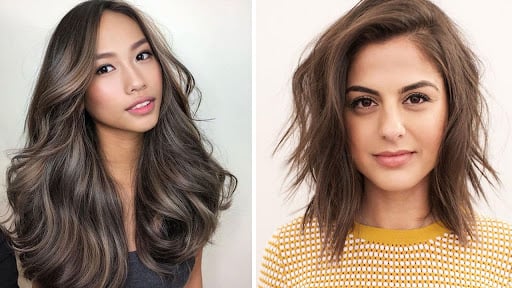
ppr-revolution.com – Layering your hair is an art form that can transform your look, adding volume, texture, and movement. It’s a technique that hairstylists use to bring out the natural beauty of your hair, whether it’s straight, wavy, or curly. In this article, we’ll explore the benefits of layering, how to choose the right layers for your hair type, and tips for maintaining your layered hairstyle.

Understanding the Benefits of Layering

Layering is not just about cutting your hair in a certain way; it’s about enhancing what you already have. Layers can remove bulk from thick hair, add volume to fine hair, and create a flattering shape that complements your face. They can also make your hair easier to style and manage.

Choosing the Right Layers for Your Hair Type

The key to successful layering is choosing the right type of layers for your hair texture and face shape. For example, long layers are ideal for straight hair, as they add movement without sacrificing length. Curly hair benefits from layers that start lower on the head to prevent excessive volume at the crown.

The Layering Process

Layering involves cutting the hair at different lengths to create a cascading effect. A skilled hairstylist will assess your hair’s texture, density, and your personal style to determine the best layering technique. The result should be a seamless blend of lengths that frame your face and enhance your hair’s natural flow.

Maintaining Your Layered Hairstyle

Once you’ve achieved your desired layered look, it’s important to maintain it. Regular trims every 6-8 weeks will keep your layers looking fresh and prevent them from growing out unevenly. Use the right hair care products for your hair type and consider a leave-in conditioner or serum to keep your layers smooth and frizz-free.

Styling Tips for Layered Hair

Layered hair offers endless styling possibilities. For a casual look, simply let your hair air dry or use a diffuser for curly hair. For a more polished appearance, use a curling iron or straightener to enhance your layers. Experiment with different parts and accessories to find the styles that best showcase your layered hair.

Conclusion

Layering is a versatile and effective way to enhance your hair’s natural beauty. Whether you’re looking to add volume, texture, or simply want a fresh new look, layers can provide the perfect solution. By choosing the right layers for your hair type and maintaining your style with regular trims and proper care, you can enjoy a flattering and dynamic hairstyle that complements your unique features.

The Natural Hair Movement: Embracing Texture & Freedom

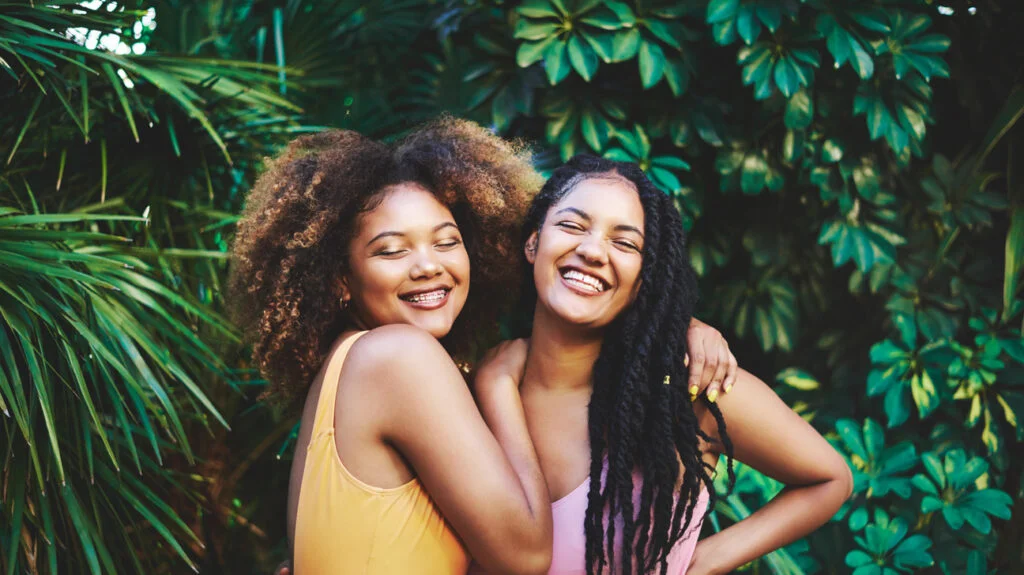
ppr-revolution.com – The Natural Hair Movement is a cultural phenomenon that has gained momentum over the past few decades, particularly among individuals of African descent. It is a movement that encourages people to embrace their natural hair texture, rejecting the Eurocentric standards of beauty that have historically favored straight hair. This movement is not just about hair; it’s a celebration of cultural identity, self-love, and freedom of expression.

The History of the Natural Hair Movement

The roots of the Natural Hair Movement can be traced back to the Civil Rights era of the 1960s and 1970s. It was a time when African Americans were reclaiming their cultural identity and rejecting the assimilationist pressures of the past. Icons like Angela Davis and the Black Panther Party members popularized the Afro as a symbol of Black pride and resistance. The movement waned in the following decades but has seen a resurgence in the 21st century, fueled by social media and a new generation of activists and influencers.

Embracing Texture: The Journey to Self-Love

For many, embracing natural hair is a journey that involves unlearning societal norms and learning to love and appreciate one’s unique hair texture. This journey can be challenging, as it often requires confronting internalized biases and navigating societal expectations. However, it is also incredibly empowering, leading to a greater sense of self-confidence and identity.

The Impact of the Natural Hair Movement

The Natural Hair Movement has had a significant impact on society, challenging beauty standards and promoting inclusivity. It has led to greater representation in media and advertising, with more brands featuring models with natural hair textures. The movement has also sparked important conversations about race, identity, and the politics of hair.

Overcoming Challenges in the Workplace and Society

Despite the progress, individuals with natural hair still face challenges, particularly in the workplace. There have been numerous instances of discrimination against natural hair, leading to calls for legislation to protect individuals’ rights to wear their hair naturally. The movement continues to advocate for acceptance and recognition of natural hair as professional and beautiful.

Celebrating Diversity and Freedom of Expression

The Natural Hair Movement is a testament to the beauty of diversity and the importance of freedom of expression. It encourages people to celebrate their unique textures and styles, whether they prefer locs, twists, braids, or the natural Afro. The movement is a powerful reminder that beauty comes in all shapes, sizes, and textures.

Conclusion

The Natural Hair Movement is more than just a trend; it’s a cultural shift that is reshaping perceptions of beauty and identity. By embracing their natural hair, individuals are reclaiming their heritage, expressing their individuality, and challenging societal norms. As the movement continues to grow, it will undoubtedly inspire future generations to love and celebrate their natural selves.