Menantang Adrenalin di Bali: Rafting, Trekking, sampai Gunung Berapi!

Bali bukan hanya soal pantai dan sunset romantis. Pulau Dewata juga menyimpan sisi liar yang siap memacu adrenalin bagi pencinta petualangan. Dari arus deras di sungai hingga pendakian gunung berapi yang aktif, Bali menawarkan pengalaman ekstrem yang tak mudah dilupakan.

Kamu bisa memulai hari dengan menaklukkan jeram Sungai Ayung atau Telaga Waja lewat aktivitas rafting. Arus deras, tebing tinggi, dan air terjun alami menciptakan suasana yang mendebarkan namun menyegarkan. Para pemandu profesional akan membimbingmu melewati rintangan dengan aman, sambil menikmati keindahan alam tropis yang masih asri.

Setelah puas bermain air, kamu bisa melanjutkan petualangan dengan trekking di kawasan Ubud, Munduk, atau Taman Nasional Bali Barat. Jalur-jalur ini menyuguhkan pemandangan hutan hujan, sawah bertingkat, serta air terjun tersembunyi. Trekking di Bali bukan hanya olahraga kaki—ini juga cara terbaik untuk menyatu dengan alam dan budaya lokal.

Bagi yang berani lebih ekstrem, pendakian Gunung Batur atau Gunung Agung wajib masuk daftar. Kamu bisa mulai mendaki tengah malam dan menyaksikan matahari terbit dari puncak gunung dengan latar langit jingga yang menawan. Pemandangan Danau Batur dari ketinggian menjadi hadiah atas perjuangan fisik yang tak sia-sia.

Bali membuktikan bahwa keindahan dan tantangan bisa berjalan beriringan. Kamu tak hanya bersantai, tapi juga menguji nyali dan merayakan keberanianmu di alam terbuka demo slot bonanza.
Jadi, siapkan sepatu trekking dan mental petualangmu—Bali siap mengguncang adrenalinmu!

Loja: History and Nature – A Colonial Gem in the Southern Andes

ppr-revolution.com – Loja, a province nestled in the southern highlands of Ecuador, is a captivating destination that offers a unique blend of colonial charm, natural beauty, and cultural richness. With its well-preserved historic center, stunning mountain landscapes, and vibrant indigenous communities, Loja invites travelers to explore its diverse offerings.

Loja City: A Colonial Delight

Loja City, the provincial capital, is a picturesque city with a rich history. The city’s central square, Plaza Central, is a popular gathering place, surrounded by colonial-era buildings and bustling markets. The Cathedral of the Virgin of El Cisne, a stunning Baroque church, is one of the city’s most iconic landmarks.

Natural Wonders and Outdoor Adventures

Loja is a paradise for nature lovers and outdoor enthusiasts. The province’s diverse landscapes, ranging from high-altitude páramos to lush valleys, offer endless opportunities for exploration.

  • Podocarpus National Park: A biodiversity hotspot, Podocarpus National Park boasts a diverse range of ecosystems, including cloud forests, páramos, and Andean forests. The park is home to a variety of wildlife, including spectacled bears, condors, and numerous bird species.
  • Vilcabamba: A charming town known as the “Valley of Longevity,” Vilcabamba is surrounded by stunning mountain scenery and offers opportunities for hiking, biking, and birdwatching.

Indigenous Culture and Traditions

Loja is home to several indigenous communities, including the Saraguro, who are known for their vibrant textiles, music, and dance. Visitors can experience the rich cultural heritage of these communities by attending local festivals, visiting traditional markets, or participating in cultural tours.

A Culinary Delight

Loja’s cuisine is a delightful blend of Andean and Spanish influences. Local specialties include cuy asado (roasted guinea pig), fritada (fried pork), and mote pillo (hominy with cheese and onions). The province is also known for its delicious fruit and vegetables, which are grown in the fertile valleys and highlands.

Loja, with its colonial charm, stunning landscapes, and rich cultural heritage, offers a truly unforgettable experience. Whether you’re seeking adventure, relaxation, or cultural immersion, this Andean paradise has something for everyone.

Nordjylland (North Jutland): The Wild North of Denmark

ppr-revolution.com – Nordjylland, or North Jutland, is the northernmost region of Denmark, renowned for its rugged coastline, ancient history, and breathtaking natural beauty. This region offers a unique blend of urban excitement, rural tranquility, and outdoor adventure.

A Coastal Paradise

Nordjylland’s dramatic coastline is a highlight of the region. With its towering cliffs, sandy beaches, and crystal-clear waters, it’s a haven for nature lovers and outdoor enthusiasts.

  • Rubjerg Knude: This iconic white sand dune is constantly shifting, creating a dynamic and ever-changing landscape.
  • Skagen: The northernmost point of Denmark, Skagen is known for its beautiful beaches, charming fishing villages, and unique light that has inspired countless artists.
  • Læsø: This picturesque island offers stunning beaches, historic villages, and opportunities for salt-making and seaweed harvesting.

A Viking Legacy

Nordjylland has a rich Viking history, and many archaeological sites and museums offer a glimpse into this fascinating era.

  • Lindholm Høje: This ancient burial ground is one of the most significant Viking sites in Denmark.
  • Vikingemuseet i Aarhus: This museum showcases Viking life through exhibitions, reenactments, and interactive experiences.

A Modern and Vibrant Region

Despite its historical significance, Nordjylland is a modern and dynamic region. The cities of Aalborg and Hjørring offer a vibrant cultural scene, with world-class music festivals, art exhibitions, and culinary experiences.

  • Aalborg: Denmark’s third-largest city, Aalborg is a bustling metropolis with a rich maritime history and a thriving arts scene.
  • Hjørring: This charming town is known for its beautiful architecture, historic streets, and picturesque harbor.

A Taste of the North

Nordjylland’s culinary scene is influenced by its coastal location and agricultural heritage. Fresh seafood, local produce, and traditional Danish dishes are the highlights.

  • Fiskekasser: These traditional fish shops offer a wide variety of fresh seafood, including herring, cod, and mackerel.
  • Smørrebrød: Open-faced sandwiches are a Danish staple, and Nordjylland offers unique variations with local ingredients.
  • Akvavit: This traditional Danish spirit is often enjoyed with food and is a popular choice in the region.

Nordjylland is a region of contrasts, where ancient history meets modern innovation. With its stunning natural beauty, rich cultural heritage, and vibrant cities, it offers a truly unforgettable experience.

Provence-Alpes-Côte d’Azur: A Mediterranean Paradise

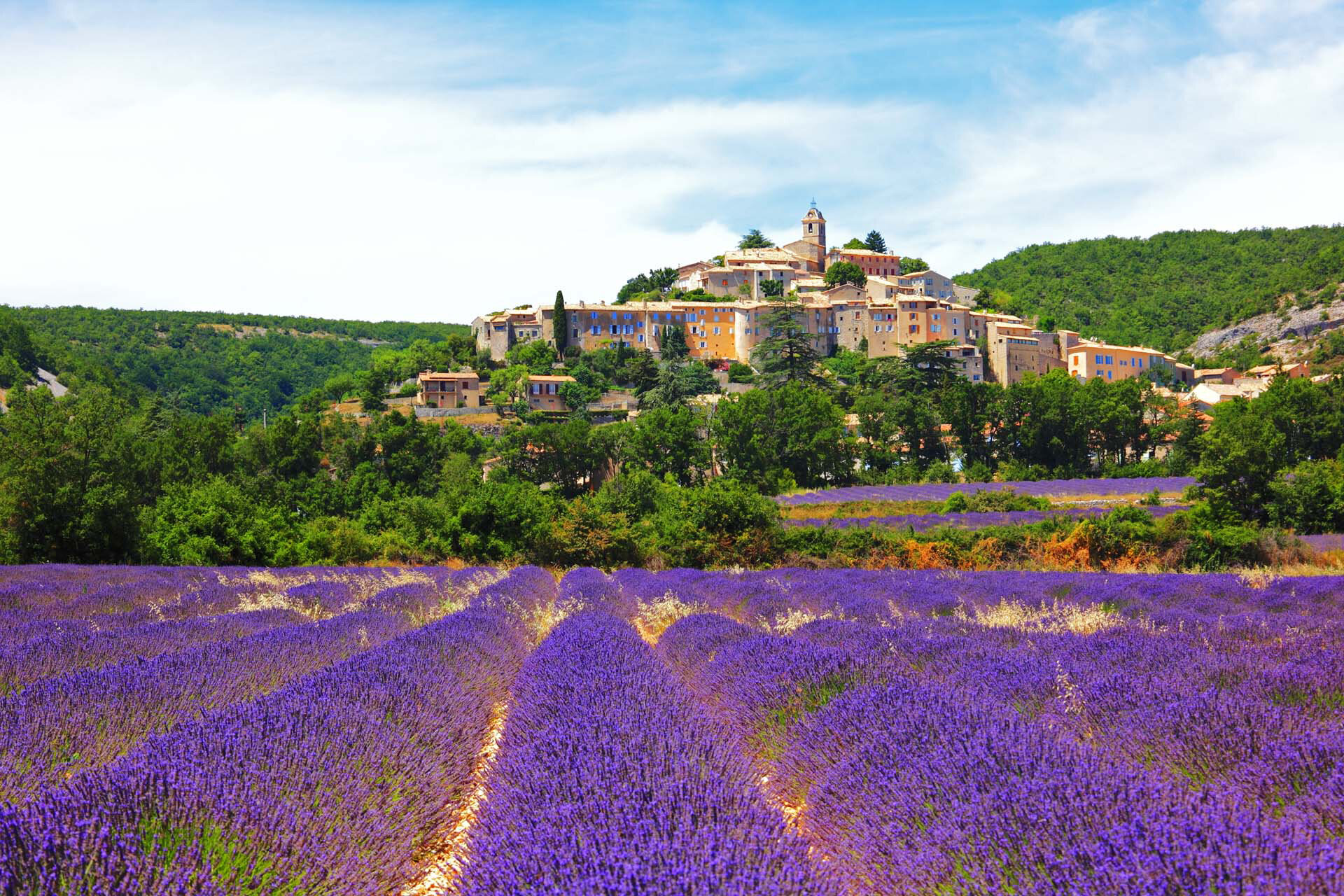
ppr-revolution.com – Provence-Alpes-Côte d’Azur, a region in southeastern France, is a captivating blend of history, culture, and natural beauty. From the lavender fields of Provence to the glamorous beaches of the Côte d’Azur, the region offers a diverse range of experiences for visitors.

A Rich Historical Heritage

  • Aix-en-Provence: A charming city with a rich history, Aix-en-Provence is known for its beautiful fountains, art galleries, and Provençal lifestyle.
  • Avignon: A historic city with a well-preserved medieval center, Avignon is famous for its Palais des Papes, a former papal palace.
  • Nice: A vibrant city on the French Riviera, Nice is known for its beautiful beaches, Promenade des Anglais, and lively atmosphere.

Natural Beauty

Provence-Alpes-Côte d’Azur is home to a variety of stunning landscapes, including mountains, forests, and coastline.

  • The French Riviera: The Côte d’Azur, with its glamorous beaches, chic resorts, and stunning scenery, is one of the most popular tourist destinations in the world.
  • The Alps: The region’s mountainous areas offer opportunities for skiing, hiking, and other outdoor activities.
  • The Luberon: A beautiful region of rolling hills, lavender fields, and picturesque villages.

Gastronomic Delights

Provence-Alpes-Côte d’Azur is a foodie’s paradise, with a rich culinary tradition. Some of the region’s most famous dishes include:

  • Ratatouille: A vegetable stew made with eggplant, zucchini, tomatoes, and peppers.
  • Bouillabaisse: A flavorful fish stew.
  • Pissaladière: A savory tart topped with onions and anchovies.

A Year-Round Destination

Provence-Alpes-Côte d’Azur is a year-round destination, offering a variety of activities for visitors. In the summer, visitors can enjoy the region’s beaches, outdoor activities, and festivals. In the winter, the region’s ski resorts are popular with winter sports enthusiasts.

The Majestic Beauty of Mount Huangshan (Yellow Mountains)

ppr-revolution.com – Mount Huangshan, also known as the Yellow Mountains, is one of China’s most revered and picturesque mountain ranges. Located in the southern part of Anhui Province, this UNESCO World Heritage Site is renowned for its stunning natural beauty, unique granite peaks, and captivating landscapes. With its rich history and cultural significance, Huangshan has been a source of inspiration for artists, poets, and travelers for centuries.

The Natural Wonders of Huangshan

Mount Huangshan is famous for its “Four Wonders”: the spectacular granite peaks, the ancient pine trees, the sea of clouds, and the hot springs. The mountain range boasts over 70 peaks, with the highest, Lotus Peak, reaching an elevation of 1,864 meters (6,115 feet). These peaks are often shrouded in mist, creating an ethereal and mystical atmosphere that is both awe-inspiring and tranquil.

Granite Peaks

The granite formations of Huangshan are a geological marvel. Carved by millions of years of erosion, these peaks have taken on unique and dramatic shapes, often resembling human and animal figures. The many trails and paths winding through the mountains offer breathtaking views of these natural sculptures, making it a haven for photographers and nature enthusiasts.

Ancient Pine Trees

The ancient pine trees of Huangshan are another remarkable feature. These trees, some of which are over a thousand years old, cling tenaciously to the rocky cliffs, their twisted forms shaped by the harsh mountain environment. The most famous among them is the “Welcoming-Guest Pine,” which has become an iconic symbol of the mountain and is often depicted in traditional Chinese paintings.

Sea of Clouds

One of the most mesmerizing experiences on Mount Huangshan is witnessing the “sea of clouds.” This natural phenomenon occurs when dense clouds settle in the valleys, creating the illusion of an endless ocean. The peaks rise above the clouds like islands, offering a surreal and breathtaking vista, especially during sunrise and sunset.

Hot Springs

At the foot of the mountain, the hot springs of Huangshan provide a relaxing and therapeutic experience for visitors. The springs have been known for their healing properties for centuries and offer a perfect way to unwind after a day of hiking and exploring the mountain trails.

Cultural Significance

Mount Huangshan has long been an important cultural and spiritual symbol in China. It has inspired countless works of art, literature, and philosophy. The mountain is often associated with Taoism and is considered a place of spiritual retreat and reflection. Many ancient temples and shrines are scattered throughout the area, adding to its mystical allure.

Conclusion

Mount Huangshan is a destination that captivates all who visit with its natural beauty, cultural richness, and profound tranquility. Whether you’re an avid hiker, a photographer, or someone seeking a spiritual retreat, the Yellow Mountains offer an unforgettable experience. As you stand atop its peaks, gazing at the sea of clouds below, you’ll understand why Huangshan has been cherished for generations as one of China’s most magnificent natural wonders.

Tex-Mex and Beyond: A Culinary Tour of Houston

ppr-revolution.com – Houston, Texas, is a culinary melting pot, offering a diverse array of flavors and cuisines from around the world. Among the most beloved and iconic of these is Tex-Mex, a fusion of Texan and Mexican culinary traditions that has become a staple in the city. However, Houston’s food scene extends far beyond just Tex-Mex, offering a rich tapestry of global cuisines. Join us as we embark on a culinary tour of Houston, exploring Tex-Mex and beyond.

The Tex-Mex Tradition

Houston is home to some of the best Tex-Mex restaurants in the country. This cuisine is characterized by its use of bold flavors, generous portions, and a blend of traditional Mexican ingredients with Texan flair. Popular dishes include sizzling fajitas, cheesy enchiladas, and crispy tacos. No Tex-Mex meal is complete without a serving of fresh guacamole and salsa, often accompanied by a refreshing margarita.

Notable Tex-Mex Spots

  1. Ninfa’s on Navigation: Known as the birthplace of the fajita, Ninfa’s is a Houston institution. This historic restaurant offers a classic Tex-Mex menu in a unique, vibrant setting.
  2. El Tiempo Cantina: With several locations across the city, El Tiempo is famed for its flavorful margaritas and hearty portions of traditional Tex-Mex dishes.
  3. Hugo’s: While Hugo’s offers more traditional Mexican fare, it seamlessly incorporates Tex-Mex elements into its menu, providing an innovative dining experience.

Beyond Tex-Mex: Global Flavors

Houston’s culinary landscape is incredibly diverse, reflecting the city’s multicultural population. From Vietnamese pho to Indian curry, Houston offers a taste of almost every corner of the globe.

Vietnamese Cuisine

Houston has a large Vietnamese community, and the city’s restaurants offer some of the best Vietnamese food outside of Vietnam. Pho, a traditional Vietnamese noodle soup, is particularly popular.

  • Pho Binh: Known for its authentic pho, Pho Binh has been a favorite among locals for years.

Indian Delights

For those craving spices and rich flavors, Houston’s Indian restaurants provide a variety of options. From biryanis to dosas, there’s something for everyone.

  • Pondicheri: This restaurant offers a modern take on Indian cuisine, blending traditional flavors with contemporary techniques.

Middle Eastern Influences

Houston’s Middle Eastern community has brought a wealth of delicious dishes to the city, including kebabs, hummus, and falafel.

  • Aladdin Mediterranean Cuisine: Known for its fresh ingredients and flavorful dishes, Aladdin offers a taste of the Mediterranean in the heart of Houston.

Fusion and Innovation

Houston’s chefs are not afraid to experiment, and the city is home to numerous fusion restaurants that blend different culinary traditions. These innovative eateries are perfect for adventurous food lovers looking to try something new.

  • The Pit Room: Combining Texan barbecue with Mexican flavors, The Pit Room offers a unique dining experience that reflects Houston’s diverse culinary scene.

Conclusion

Houston’s food scene is as diverse as its population, offering a wide range of flavors and cuisines that cater to all tastes. Whether you’re a fan of traditional Tex-Mex or eager to explore global flavors, Houston’s culinary offerings will not disappoint. The city is a testament to the power of food in bringing people together, celebrating cultural diversity, and creating unforgettable dining experiences.

Eksplorasi Pantai dan Pulau Tersembunyi di Kamboja: Surga Wisata Alam yang Belum Terjamah

ppr-revolution – Kamboja, yang terkenal dengan kompleks candi Angkor Wat dan sejarahnya yang kaya, kini mulai menarik perhatian wisatawan dengan pesona pantai dan pulau-pulaunya yang menakjubkan. Meski belum sepopuler negara tetangganya seperti Thailand dan Vietnam dalam hal wisata pantai, Kamboja memiliki sejumlah destinasi tersembunyi yang menyuguhkan keindahan alam tak terlupakan. Berikut ini adalah pandangan lengkap tentang eksplorasi pantai dan pulau tersembunyi di Kamboja yang patut dikunjungi.

1. Koh Rong: Surga Tropis yang Menawan
eksplorasi-pantai-dan-pulau-tersembunyi-di-kamboja-surga-wisata-alam-yang-belum-terjamah

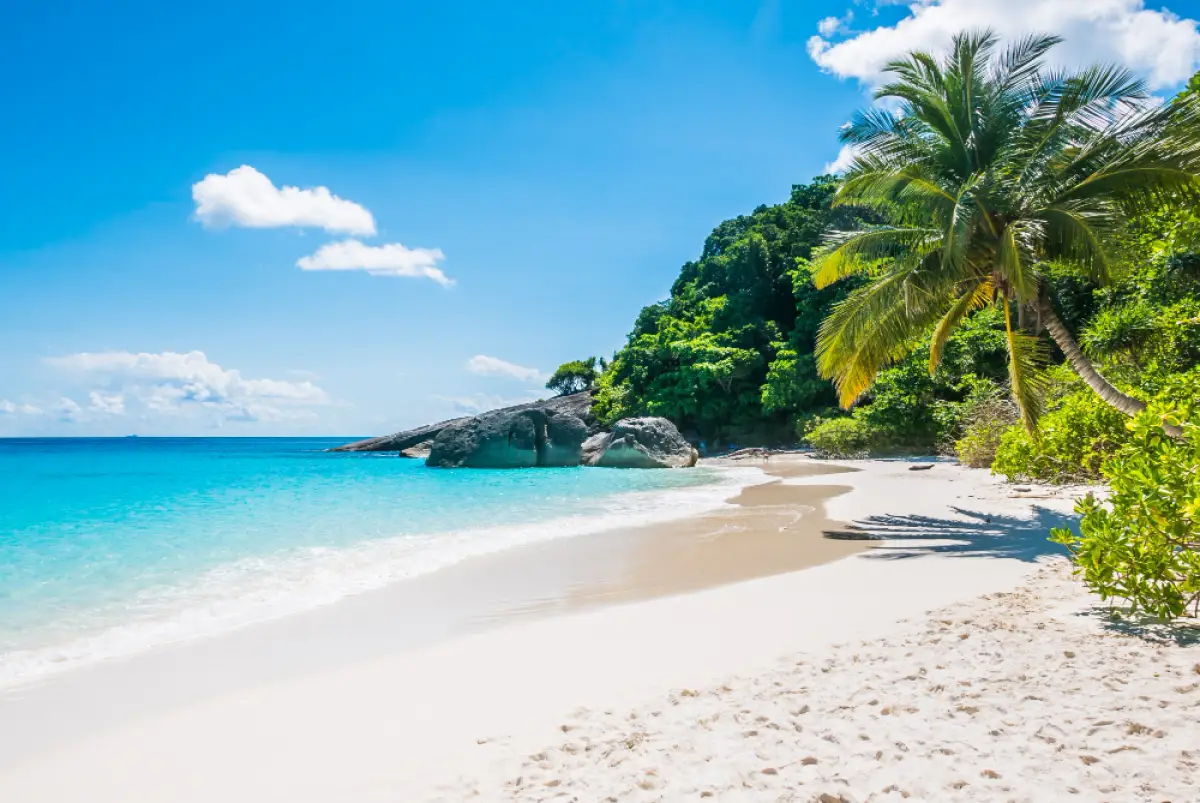
Koh Rong adalah salah satu pulau terbesar dan paling terkenal di Kamboja. Terletak di lepas pantai Sihanoukville, pulau ini menawarkan pantai-pantai berpasir putih, air laut jernih, dan suasana yang tenang. Meskipun beberapa bagian pulau sudah mulai berkembang dengan adanya resor dan penginapan, Koh Rong masih mempertahankan nuansa alami yang memikat.

Pantai Koh Touch, pusat utama wisata di Koh Rong, menawarkan pemandangan menakjubkan serta berbagai aktivitas seperti snorkeling, menyelam, dan berjemur. Bagi yang mencari ketenangan, Long Beach dan Lonely Beach adalah pilihan yang sempurna untuk menikmati ketenangan alam tropis tanpa keramaian wisatawan.

2. Koh Rong Samloem: Pulau yang Lebih Tenang
eksplorasi-pantai-dan-pulau-tersembunyi-di-kamboja-surga-wisata-alam-yang-belum-terjamah

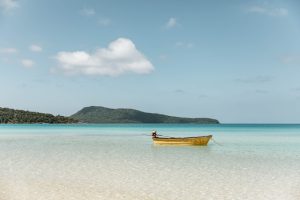
Berada di dekat Koh Rong, Koh Rong Samloem adalah pulau yang lebih kecil dan lebih sepi, menjadikannya surga bagi para pelancong yang mencari ketenangan. Pantai Saracen Bay di Koh Rong Samloem merupakan salah satu yang paling indah dengan air laut yang tenang, sangat cocok untuk berenang atau sekadar bersantai di bawah naungan pohon kelapa.

Selain Saracen Bay, Sunset Beach dan Lazy Beach adalah pantai-pantai lain yang patut dieksplorasi. Tidak hanya keindahan pantainya, wisatawan juga dapat menikmati kegiatan seperti trekking di hutan tropis, menyelam, atau hanya sekadar menikmati keindahan matahari terbenam yang spektakuler.

3. Pantai Otres: Permata Tersembunyi di Sihanoukville

eksplorasi-pantai-dan-pulau-tersembunyi-di-kamboja-surga-wisata-alam-yang-belum-terjamah

Sihanoukville, kota pelabuhan di selatan Kamboja, dulunya dikenal sebagai pusat wisata pantai. Namun, seiring perkembangan pesat di kota ini, Pantai Otres yang terletak agak jauh dari pusat keramaian tetap mempertahankan pesona alami dan ketenangannya. Pantai Otres terbagi menjadi dua bagian, yaitu Otres 1 dan Otres 2, keduanya menawarkan pengalaman pantai yang lebih santai dengan suasana yang damai.

Otres juga dikenal sebagai tempat yang cocok bagi para backpacker dan wisatawan yang ingin menikmati liburan yang lebih tenang. Di sini, pengunjung dapat bersepeda di sepanjang pantai, bermain kayak, atau hanya menikmati minuman di kafe-kafe pinggir pantai.

4. Koh Ta Kiev: Pulau yang Belum Tersentuh

eksplorasi-pantai-dan-pulau-tersembunyi-di-kamboja-surga-wisata-alam-yang-belum-terjamah

Jika Anda ingin merasakan kehidupan di pulau yang benar-benar belum tersentuh, Koh Ta Kiev adalah pilihan yang tepat. Pulau ini masih minim infrastruktur, dengan hanya beberapa penginapan yang menawarkan akomodasi sederhana. Namun, inilah yang menjadikan Koh Ta Kiev begitu menarik bagi para petualang yang ingin berkemah di tepi pantai dan merasakan sensasi ‘kembali ke alam’.

Pantai-pantai di Koh Ta Kiev sangat indah dan tenang, dengan hutan tropis yang lebat mengelilinginya. Pulau ini juga terkenal sebagai tempat yang baik untuk snorkeling dan menyelam, berkat keanekaragaman hayati laut yang masih terjaga.

5. Koh Tonsay (Pulau Kelinci): Keindahan yang Tenang di Kep
eksplorasi-pantai-dan-pulau-tersembunyi-di-kamboja-surga-wisata-alam-yang-belum-terjamah

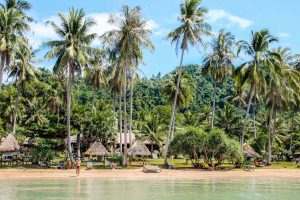
Di pesisir selatan Kamboja, dekat dengan kota Kep, terdapat sebuah pulau kecil yang dikenal sebagai Koh Tonsay atau Pulau Kelinci. Pulau ini hanya berjarak sekitar 20 menit perjalanan dengan perahu dari Kep, dan menawarkan pantai berpasir lembut yang cocok untuk wisata keluarga.

Koh Tonsay memiliki suasana yang sangat tenang dan tidak seramai pulau-pulau wisata lainnya, sehingga menjadi tempat yang sempurna bagi mereka yang ingin bersantai di lingkungan alam yang asri. Selain itu, wisatawan juga bisa menikmati makanan laut segar yang ditangkap langsung oleh para nelayan setempat.

6. Pantai Ream National Park: Keindahan Alam yang Dilindungi
eksplorasi-pantai-dan-pulau-tersembunyi-di-kamboja-surga-wisata-alam-yang-belum-terjamah

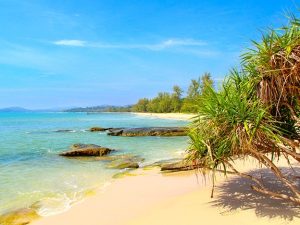
Ream National Park adalah salah satu taman nasional di Kamboja yang terletak di dekat Sihanoukville. Selain hutan mangrove dan keanekaragaman hayati yang kaya, taman nasional ini juga memiliki pantai-pantai yang belum banyak dieksplorasi. Pantai di Ream National Park terkenal dengan pasir putihnya yang lembut dan suasana yang masih sangat alami.

Di sini, pengunjung dapat menjelajahi hutan, mengamati burung, atau menyewa perahu untuk berlayar di sepanjang sungai yang mengalir di dalam taman. Keindahan pantai yang belum terjamah dan ketenangan alam di Ream National Park menawarkan pengalaman wisata yang berbeda dibandingkan dengan pantai-pantai lainnya.

Eksplorasi pantai dan pulau tersembunyi di Kamboja menawarkan petualangan alam yang luar biasa bagi wisatawan yang ingin menemukan sisi lain dari negara ini. Dari pulau-pulau tropis yang masih alami hingga pantai-pantai terpencil dengan pesona yang tenang, situs slot kamboja menyuguhkan keindahan yang siap untuk dieksplorasi. Meski belum sepopuler destinasi wisata pantai lainnya di Asia Tenggara, justru inilah yang menjadi daya tarik tersendiri bagi para pelancong yang mencari ketenangan dan keindahan alam yang asli.

Dengan akses yang semakin mudah dan fasilitas yang perlahan berkembang, kini adalah saat yang tepat untuk menjelajahi surga tersembunyi di Kamboja sebelum mereka menjadi tujuan wisata massal.

A Tiny Nation with Huge Oil Wealth: Brunei Darussalam

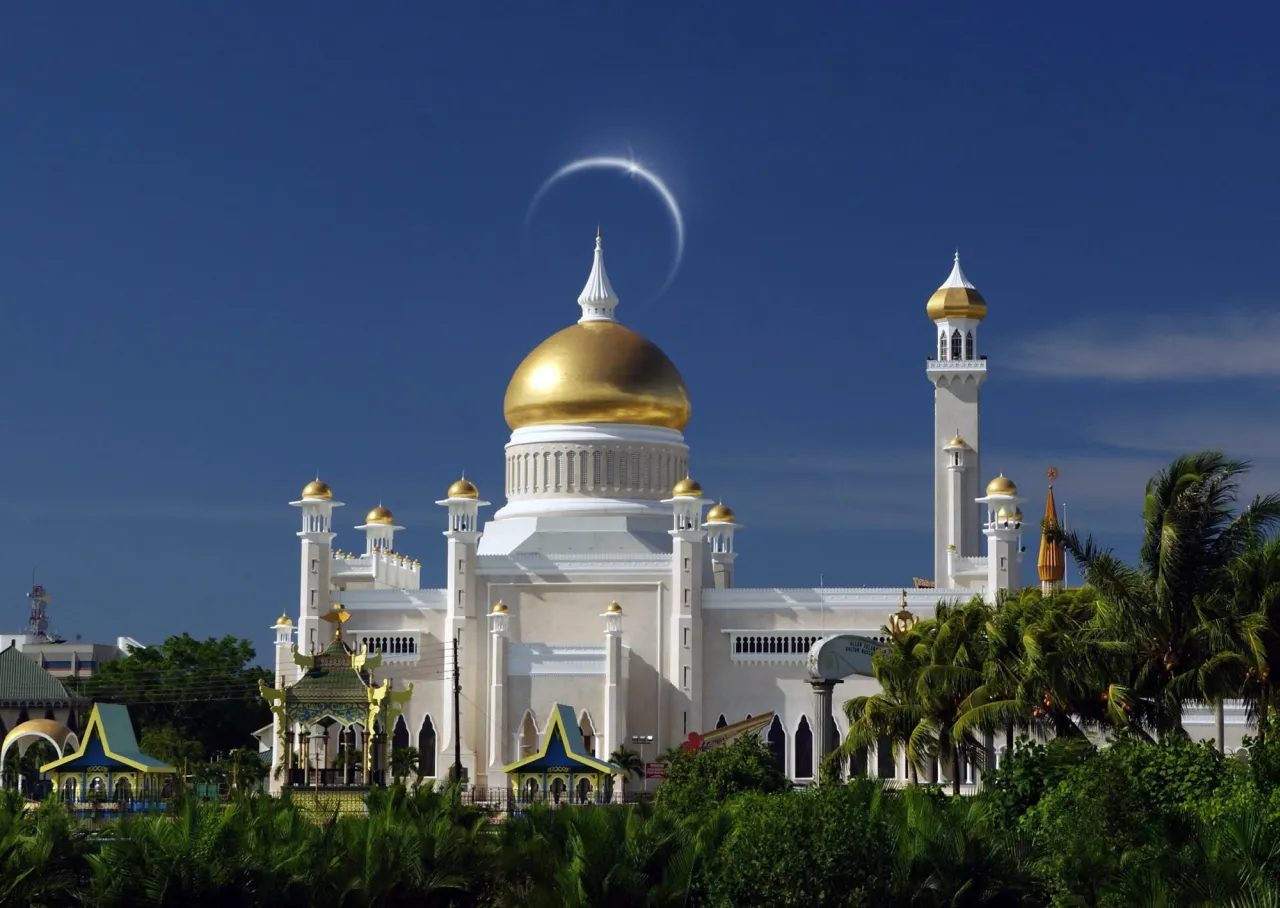
ppr-revolution.com – Nestled on the northern coast of Borneo, Brunei Darussalam is a small nation that has captured the world’s attention due to its immense oil wealth. Despite its diminutive size, Brunei’s economic prowess is a testament to the power of its natural resources. This article delves into the unique position Brunei holds in the global economy and the challenges it faces as a nation heavily reliant on oil.

The Discovery of Oil

Brunei’s journey to becoming one of the world’s wealthiest nations per capita began in the early 20th century with the discovery of oil. The first commercial oil well was drilled in 1929, marking the beginning of an era of prosperity for the country. Since then, oil and gas have been the backbone of Brunei’s economy, contributing significantly to its status as one of the richest countries in Southeast Asia.

Economic Impact

The oil and gas sector in Brunei is a major driver of the country’s economy, accounting for a significant portion of its GDP, government revenue, and exports. The wealth generated from these resources has allowed Brunei to provide its citizens with a high standard of living, including free healthcare and education, as well as subsidized housing.

Challenges Ahead

Despite its economic success, Brunei faces several challenges. The most pressing is the volatility of oil prices, which can significantly impact the country’s revenue. Additionally, Brunei’s reliance on oil has led to a lack of diversification in its economy, making it vulnerable to the depletion of its oil reserves.

Efforts at Diversification

Recognizing the need for economic diversification, Brunei has been making efforts to develop other sectors, such as tourism, manufacturing, and financial services. The government has also invested in education and training to prepare its workforce for a post-oil future.

Conclusion

Brunei Darussalam stands as a remarkable example of a tiny nation with huge oil wealth. While its economic success is undeniable, the challenges it faces are significant. As Brunei looks to the future, its ability to diversify its economy and manage its resources wisely will be key to maintaining its prosperity.

The Plight of Haiti: Poorest Country in the Western Hemisphere

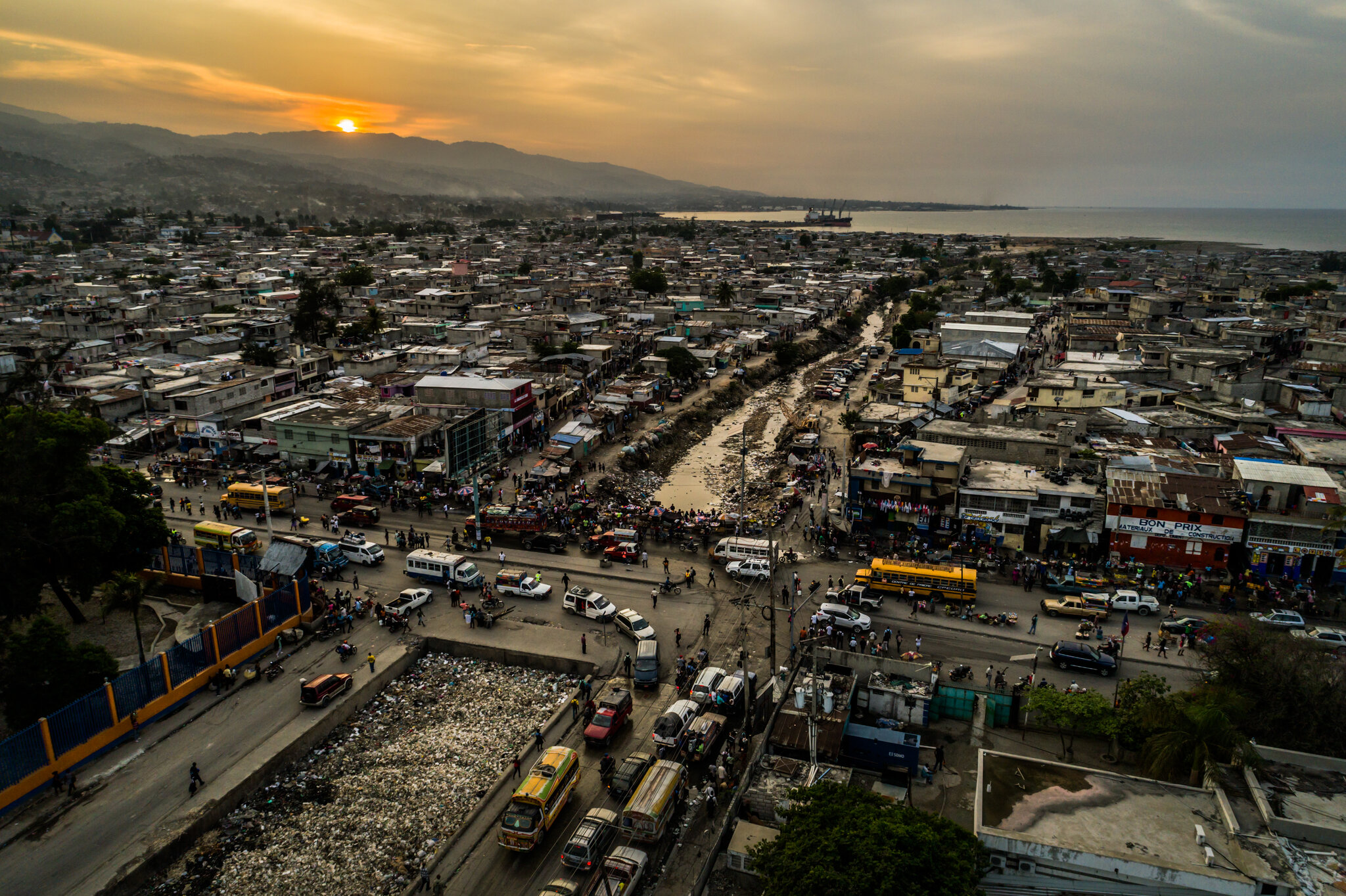
ppr-revolution.com – Haiti, a small island nation in the Caribbean, holds the unfortunate title of being the poorest country in the Western Hemisphere. Despite its rich cultural heritage and the resilience of its people, Haiti has been beset by a multitude of challenges that have hindered its economic growth and development. This article explores the factors contributing to Haiti’s dire economic situation and the efforts being made to address these issues.

Historical Context

Haiti’s economic struggles can be traced back to its history of colonialism and the brutal slave regime that once dominated the island. The country gained independence in 1804 after a successful slave revolt, making it the first independent nation in Latin America and the Caribbean. However, the newly formed nation was burdened with a massive debt to France, which had to be repaid for nearly a century, stifling its economic development from the outset.

Economic Challenges

The Haitian economy is primarily agrarian, with a significant portion of the population engaged in subsistence farming. However, the country faces numerous challenges, including limited arable land, deforestation, and vulnerability to natural disasters such as hurricanes and earthquakes. These factors have repeatedly devastated the agricultural sector, which is the backbone of the economy.

In addition, political instability has been a constant issue in Haiti, leading to a lack of foreign investment and hindering the growth of other sectors. The country’s infrastructure is severely underdeveloped, with inadequate roads, ports, and utilities, which further impedes economic activity.

Impact of Natural Disasters

Haiti’s geographical location makes it particularly susceptible to natural disasters. The catastrophic earthquake in 2010 was a turning point, killing hundreds of thousands of people and destroying much of the capital, Port-au-Prince. The country has also been hit by several hurricanes and tropical storms, which have exacerbated its economic woes by destroying crops, homes, and vital infrastructure.

Humanitarian Efforts and International Aid

In response to Haiti’s dire situation, various international organizations and countries have provided humanitarian aid and support. These efforts have included disaster relief, healthcare initiatives, and education programs. However, the effectiveness of these interventions has been mixed, with some critics arguing that aid has not always been well-coordinated or effectively utilized.

Path to Recovery

For Haiti to emerge from its economic challenges, a multi-faceted approach is required. Stable governance, investment in infrastructure, and sustainable agricultural practices are essential steps. Additionally, diversifying the economy to reduce reliance on agriculture and fostering a supportive environment for local businesses could help create jobs and stimulate growth.

Conclusion

The title of the poorest country in the Western Hemisphere is a heavy burden for Haiti to bear. However, with concerted efforts from both within and outside the country, there is hope for a brighter future. Addressing the root causes of poverty and fostering a resilient, sustainable economy will be crucial in turning the tide for Haiti and its people.

Thailand: The Silent Lunch Tradition

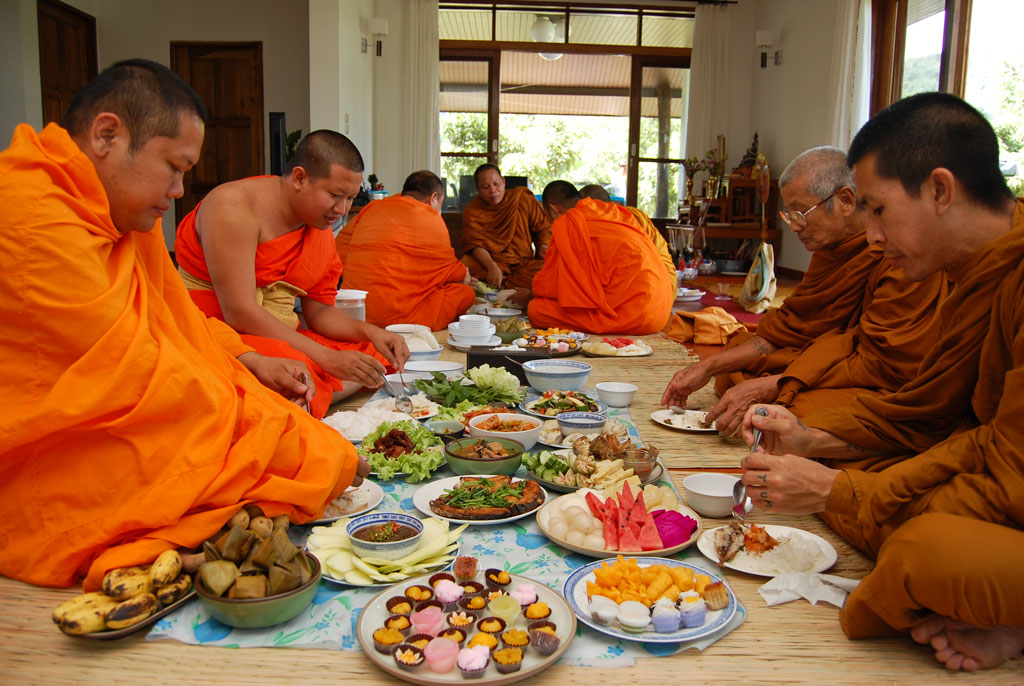
ppr-revolution.com – In the bustling streets of Thailand, where the aroma of street food fills the air and the sound of chatter is constant, there exists a unique tradition that stands in stark contrast to the surrounding noise: the silent lunch. This practice, while not universally observed, is a fascinating aspect of Thai culture that reflects the value placed on mindfulness and respect for others.

The Origins of Silent Lunch

The silent lunch tradition has its roots in the Buddhist culture that permeates Thailand. Buddhism teaches the importance of mindfulness in every aspect of life, including eating. The practice of eating in silence encourages individuals to focus on their food, savor each bite, and be fully present in the moment. This mindfulness extends beyond the individual’s experience, promoting a peaceful and respectful environment for those around them.

The Practice Today

In modern Thailand, the silent lunch is often observed in monasteries, where monks eat their meals in complete silence. However, the tradition has also found its way into secular settings, such as schools and workplaces. Some companies and educational institutions have designated silent lunch hours, where employees and students are encouraged to eat without speaking. This practice is believed to enhance productivity and concentration, as well as foster a sense of community and mutual respect.

The Benefits of Silent Lunch

The benefits of the silent lunch tradition are numerous. On a personal level, eating in silence allows individuals to listen to their bodies, recognize when they are full, and avoid overeating. It also provides a much-needed break from the constant barrage of stimuli that characterizes modern life, promoting mental clarity and relaxation.

On a social level, the silent lunch encourages a culture of respect and consideration for others. By refraining from talking, individuals create a peaceful atmosphere that allows everyone to enjoy their meal without distraction. This shared experience can strengthen bonds and foster a sense of unity among individuals who might otherwise be strangers.

Embracing the Silent Lunch

While the silent lunch may seem unusual to outsiders, it is a testament to the enduring influence of Buddhist principles on Thai culture. As the world becomes increasingly fast-paced and interconnected, the tradition serves as a reminder of the importance of slowing down, being present, and showing respect for those around us.

For visitors to Thailand, participating in a silent lunch can be a unique and enriching experience. It offers a glimpse into the deep-rooted values of Thai society and provides an opportunity to practice mindfulness in a supportive environment. Whether in a monastery, a school, or a workplace, the silent lunch is a powerful expression of Thai culture that continues to inspire and intrigue people from all walks of life.

The Covert Operations of the CIA: Spies Among Us

ppr-revolution.com – The Central Intelligence Agency (CIA), established in 1947, has long been shrouded in mystery, its clandestine activities often the subject of speculation and intrigue. Operating under the veil of secrecy, the CIA’s covert operations have played a pivotal role in global politics, shaping events and outcomes that have had far-reaching implications. This article delves into the world of espionage, examining the CIA’s covert operations and their impact on international relations.

The Origins of CIA Covert Operations

The CIA’s covert operations can trace their origins to the early days of the Cold War, when the United States sought to counter the spread of communism. The National Security Act of 1947 granted the CIA the authority to conduct espionage and counterespionage, as well as to carry out “such other functions and duties related to intelligence affecting the national security as the National Security Council may from time to time direct.”

Methods and Techniques

CIA operatives employ a variety of methods to gather intelligence and execute covert operations. These include surveillance, recruitment of assets, psychological operations, and the use of technology. The agency’s technical services division has developed sophisticated tools and techniques for espionage, including eavesdropping devices and methods for secure communication.

Notable Covert Operations

Throughout its history, the CIA has been involved in numerous covert operations, some of which have become the stuff of legend. These include the overthrow of governments, support for rebel movements, and the orchestration of coups. The Bay of Pigs invasion in 1961 and the Iran-Contra affair in the 1980s are among the most well-known examples of CIA covert actions.

The Impact on International Relations

The CIA’s covert operations have had a profound impact on international relations, often serving as a tool of foreign policy. While some operations have been credited with preventing the spread of communism or supporting democratic movements, others have been criticized for undermining sovereign nations and contributing to political instability.

Conclusion

The CIA’s covert operations remain a controversial aspect of American foreign policy. While they have been instrumental in advancing national security objectives, they have also raised ethical and legal questions. As the world continues to grapple with issues of sovereignty, democracy, and security, the role of espionage and covert action will undoubtedly remain a topic of debate and discussion.

The History of Montenegro: Ancient Tribes – Modern State

ppr-revolution.com – Montenegro, a small country on the Adriatic coast, has a rich and complex history that spans thousands of years. Its strategic location has made it a crossroads of civilizations, empires, and cultures, leaving a deep imprint on its heritage. This article explores the journey of Montenegro from its ancient tribal roots to its emergence as a modern state.

Ancient Tribes and Illyrian Heritage

The history of Montenegro begins with the Illyrians, an ancient people who inhabited the western Balkans. The Illyrians were a collection of tribes with a shared linguistic and cultural heritage, and they established a kingdom in the 4th century BCE. The most famous Illyrian queen, Teuta, led a naval power that clashed with the Roman Republic, marking the beginning of Rome’s expansion into the Balkans.

Roman and Byzantine Influence

The Roman conquest of Illyria in the 2nd century BCE brought Montenegro into the Roman Empire. Roman rule lasted for centuries, leaving behind significant architectural and cultural legacies, such as the city of Doclea and the Via Egnatia road. With the fall of the Western Roman Empire, Montenegro came under the influence of the Byzantine Empire, which further shaped its cultural and religious landscape.

The Slavic Settlement and the Rise of the Nemanjić Dynasty

The 7th century saw the arrival of South Slavic tribes, who gradually assimilated the local population and introduced Slavic languages and customs. By the 9th century, the region was part of the First Bulgarian Empire before coming under the rule of the Byzantines once again.

The 12th century marked the rise of the Nemanjić dynasty, which established the Serbian Empire. Montenegro was a key part of this empire, and the Nemanjićs built many monasteries and churches, such as the Pobori and Moraca monasteries, which are still important cultural and religious sites.

The Ottoman Era and the Battle for Independence

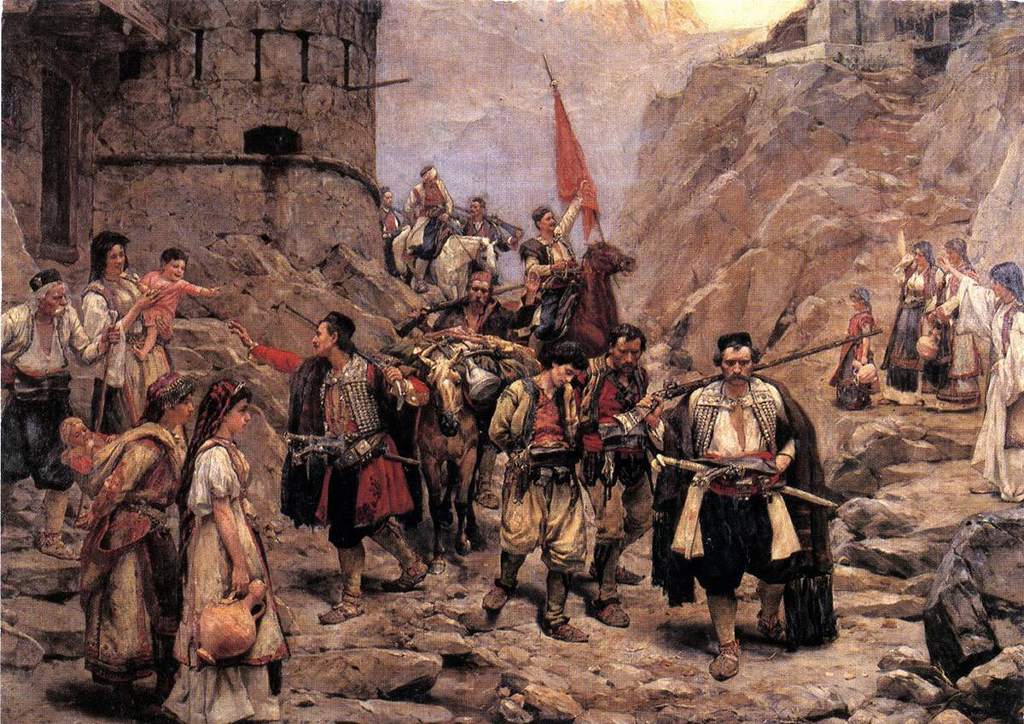
The Ottoman Empire conquered Montenegro in the late 14th century, but the Montenegrins fiercely resisted Ottoman rule. The region maintained a degree of autonomy under the leadership of the Petrović-Njegoš dynasty, which governed from the fortified monastery of Cetinje.

The 19th century was a turning point for Montenegro. Under the leadership of Prince-Bishop Petar II Petrović-Njegoš, Montenegro gained international recognition as an independent state. The country continued to expand its territory through conflicts with the Ottomans, culminating in full independence after the Balkan Wars and World War I.

Modern Montenegro

Montenegro joined the Kingdom of Serbs, Croats, and Slovenes, which later became Yugoslavia. It remained a part of Yugoslavia through various incarnations until the breakup of the federation in the early 1990s. Montenegro initially formed a union with Serbia as the Federal Republic of Yugoslavia, which later transformed into the State Union of Serbia and Montenegro.

In 2006, Montenegro held a referendum on independence, which passed with a narrow majority. On June 3, 2006, Montenegro declared independence and began its journey as a sovereign state. Since then, Montenegro has focused on building its economy, developing its tourism industry, and integrating into European and international institutions.

Conclusion

The history of Montenegro is a testament to the resilience and independence of its people. From ancient Illyrian tribes to the establishment of a modern state, Montenegro has navigated the complex currents of history with a strong sense of identity and purpose. Today, Montenegro stands as a proud nation, embracing its rich heritage while looking forward to a future of peace and prosperity.

The Geography and Borders of Croatia in Southeast Europe

ppr-revolution.com – Croatia, a country situated in Southeast Europe, is known for its diverse geography and strategic location. With a rich history and a blend of cultures, Croatia’s geography and borders play a significant role in its identity and development. This article explores the geographical features, climate, and the international borders that define Croatia’s place in the region.

Geographical Features of Croatia

Croatia’s landscape is a tapestry of diverse geographical features, including the Dinaric Alps, the Pannonian Basin, and the Adriatic coast. The Dinaric Alps stretch along the country’s western and southern borders, featuring rugged terrain and high peaks. The Pannonian Basin, on the other hand, is characterized by fertile plains and low hills, providing a stark contrast to the mountainous regions. The Adriatic coastline is dotted with over a thousand islands, the most famous being Hvar, Korčula, and Brač, which contribute to Croatia’s status as a premier tourist destination.

Climate of Croatia

The climate in Croatia varies significantly from the coastal regions to the inland areas. The Adriatic coast enjoys a Mediterranean climate, with mild, wet winters and warm, dry summers. Moving inland, the climate transitions to a continental type, with colder winters and hotter summers. The mountainous regions experience a more alpine climate, with colder temperatures and higher precipitation.

International Borders of Croatia

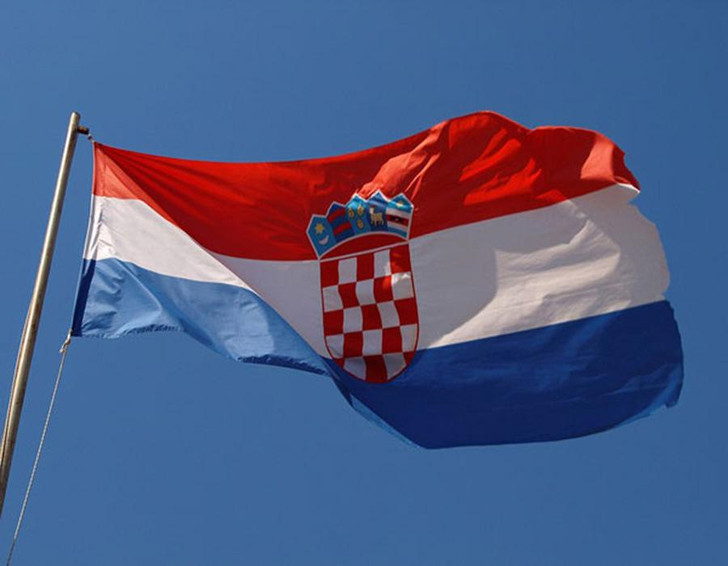
Croatia shares its borders with several countries, each contributing to its geopolitical significance. To the north, Croatia borders Hungary, with the River Drava and River Danube forming part of the boundary. Slovenia lies to the northwest, with the border extending from the Adriatic coast to the Hungarian border. Bosnia and Herzegovina shares a lengthy border with Croatia to the south and southeast, while Serbia is located to the east. Montenegro is positioned to the southeast, with the border running through the Dinaric Alps. The Adriatic Sea forms Croatia’s western border, providing access to international trade and tourism.

Conclusion

Croatia’s geography and borders are integral to its national identity and economic activities. The diverse landscapes, from the mountainous interior to the picturesque coastline, offer a wealth of natural beauty and recreational opportunities. The international borders, connecting Croatia to its neighbors, underscore the country’s role in regional politics and trade. As Croatia continues to develop, its unique geographical position in Southeast Europe will remain a key asset, fostering connections and cooperation within the region.

From Ancient Kingdoms to Modern State: History of Burkina Faso

ppr-revolution.com – The history of Burkina Faso dates back to ancient times, with the region being home to various kingdoms and empires. One of the earliest known civilizations in the area was the Ghana Empire, which thrived from the 6th to the 13th century. This empire was renowned for its control over the trans-Saharan trade routes, particularly the trade in gold and salt.

Following the decline of Ghana, the Mossi Kingdoms emerged as a dominant force in the region. These kingdoms were characterized by their strong military and centralized governance. They managed to resist colonization by larger empires such as the Mali and Songhai, maintaining their independence until the arrival of European colonizers.

Colonial Era

The 19th century marked the beginning of European colonization in the region. The French, who had been exploring the area since the late 18th century, began to establish control over the territory that is now Burkina Faso. In 1896, the French military officer Louis-Gustave Binger declared the area a protectorate, and it was later incorporated into French West Africa.

During the colonial period, the French imposed their administrative systems, economy, and culture on the local population. They also introduced forced labor and taxes, which led to widespread discontent among the people. Despite this, the colonial administration did invest in infrastructure and education, laying the groundwork for the modern state.

Road to Independence

The push for independence gained momentum in the mid-20th century, with various political movements and leaders emerging to challenge French rule. One of the most prominent figures was Thomas Sankara, who became a leading voice for change. After a series of political maneuvers and military coups, Burkina Faso finally gained its independence on August 5, 1960.

Post-Independence Challenges

The early years of independence were marked by political instability, with multiple coups and changes in leadership. It wasn’t until the 1980s that the country began to stabilize under the leadership of Thomas Sankara, who initiated a series of radical social and economic reforms aimed at improving the lives of the Burkinabé people.

Sankara’s reign was short-lived, however, as he was assassinated in a coup led by his former ally Blaise Compaoré in 1987. Compaoré would go on to rule Burkina Faso for nearly three decades, until he was ousted in a popular uprising in 2014.

Modern Burkina Faso

Today, Burkina Faso is a democratic republic, with a president as the head of state and a prime minister as the head of government. The country has made significant strides in improving its economy, education, and healthcare systems. However, it continues to face challenges such as political instability, ethnic tensions, and security threats from extremist groups.

Despite these challenges, Burkina Faso remains a vibrant nation with a rich cultural heritage. Its people are resilient, and the country continues to play an important role in regional and international affairs. The history of Burkina Faso is a testament to the enduring spirit of its people, from the ancient kingdoms to the modern state.

Saudi Arabia’s Military & Defense: Modernizing for Security

ppr-revolution.com – Saudi Arabia, with its strategic geographical location and vast oil reserves, has long recognized the importance of a strong military and defense infrastructure. In recent years, the Kingdom has embarked on an ambitious program of military modernization, aimed at enhancing its security and defense capabilities. This modernization is part of a broader strategy to ensure regional stability and protect national interests, aligning with the Kingdom’s Vision 2030.

Strategic Defense Partnerships

Saudi Arabia has forged strategic defense partnerships with several countries, including the United States, the United Kingdom, and France. These partnerships have facilitated the acquisition of advanced military hardware and technology, including fighter jets, naval vessels, and missile defense systems. For instance, the Kingdom’s acquisition of the THAAD missile defense system from the United States has significantly enhanced its ability to defend against ballistic missile threats.

Investment in Advanced Military Technology

The Kingdom has made substantial investments in advanced military technology, focusing on areas such as unmanned aerial vehicles (UAVs), cyber warfare capabilities, and electronic warfare systems. Saudi Arabia’s development of its own UAVs, including the Saker-1 and Saker-2, reflects its commitment to indigenous defense production and technological innovation. Additionally, the Kingdom has established the Defense Innovation Unit (DIU), aimed at fostering research and development in cutting-edge defense technologies.

Expansion of the Saudi Arabian Military Industries (SAMI)

The establishment of the Saudi Arabian Military Industries (SAMI) is a cornerstone of the Kingdom’s military modernization efforts. SAMI is tasked with developing and manufacturing military equipment and systems, with the goal of reducing reliance on foreign suppliers and enhancing self-sufficiency. The company’s focus areas include armored vehicles, naval systems, and missile systems, and it has entered into partnerships with international defense contractors to transfer technology and expertise.

Training and Professional Development

Investment in the training and professional development of military personnel is a key aspect of Saudi Arabia’s military modernization. The Kingdom has established advanced training facilities and simulation centers, and has sent military personnel abroad for specialized training. This focus on training and development is aimed at ensuring that the Saudi military is equipped with the skills and knowledge needed to operate advanced military technologies effectively.

Cyber Security and Information Warfare

In an era where cyber threats are a growing concern, Saudi Arabia has prioritized the development of its cyber security and information warfare capabilities. The Kingdom has established the National Cybersecurity Authority (NCA) to protect critical infrastructure and military networks from cyber attacks. Additionally, the Saudi military has established specialized units focused on cyber operations and information warfare, reflecting a recognition of the importance of these domains in modern conflict.

Conclusion

Saudi Arabia’s military and defense modernization is a comprehensive and multifaceted effort aimed at enhancing the Kingdom’s security and defense capabilities. Through strategic partnerships, investment in advanced technology, expansion of indigenous defense industries, and a focus on training and cyber security, Saudi Arabia is positioning itself as a regional power with a modern and capable military. These efforts are not only crucial for the Kingdom’s defense but also contribute to regional stability and align with the broader goals of Vision 2030. As Saudi Arabia continues to invest in its military and defense infrastructure, it is well-positioned to meet the challenges of the 21st century.

Venezuela’s Efforts to Combat Hyperinflation in 2024

ppr-revolution.com – Venezuela has been grappling with hyperinflation for several years, reaching a peak of 65,374% in 2018. However, in 2024, the country has made significant strides in controlling inflation, with the annual inflation rate dropping to 2.4% by June. This improvement reflects the effectiveness of the government’s economic policies and measures implemented to stabilize the economy.

Government Measures to Control Inflation

The Venezuelan government has intensified its efforts to lower inflation ahead of the presidential election in July 2024. Key measures include:

  1. Stabilizing the Currency: The government has worked to maintain the stability of the bolivar-dollar exchange rate, which is crucial for controlling inflation.
  2. Increasing Oil Exports: The increase in oil exports has led to a rise in dollar income, which has helped in stabilizing the economy and reducing inflationary pressures.
  3. Monetary Policy Adjustments: The government has adjusted its monetary policy to control the money supply and prevent excessive inflation.

Impact of Economic Policies

The economic policies implemented by the government have had a positive impact on the inflation rate. The annual inflation rate has shown a downward trend, with the rate in June 2024 being significantly lower than in previous years. This improvement has been attributed to the government’s efforts to stabilize the currency and control the money supply.

Challenges and Future Outlook

While the government’s efforts have been successful in controlling inflation, the country still faces significant challenges. The economy remains fragile, and the government needs to continue its efforts to maintain the stability of the currency and control inflation. Additionally, the upcoming presidential election in July 2024 could pose new challenges, as political instability could lead to economic uncertainty.

Conclusion

Venezuela’s efforts to combat hyperinflation in 2024 have been successful, with the annual inflation rate dropping to 2.4% by June. The government’s measures to stabilize the currency and control the money supply have played a crucial role in this improvement. However, the country still faces significant challenges, and the government needs to continue its efforts to maintain economic stability.

Trends and Challenges: Benin’s Agricultural Sector

ppr-revolution.com – Agriculture is a cornerstone of Benin’s economy, contributing significantly to the country’s GDP and providing employment for a large portion of its population. Despite its importance, the agricultural sector in Benin faces numerous challenges that hinder its growth and sustainability. This article explores the trends and challenges in Benin’s agricultural sector.

Trends in Benin’s Agricultural Sector

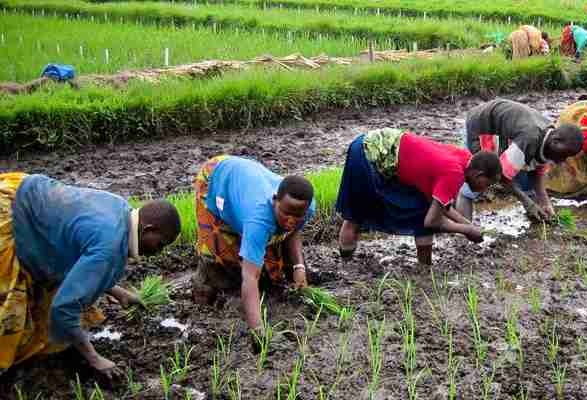
  1. Diversification of Crops: There is a growing trend towards crop diversification in Benin. Farmers are increasingly cultivating a variety of crops, including maize, sorghum, rice, cotton, and vegetables, to reduce risk and improve income stability .
  2. Adoption of Modern Technologies: The adoption of modern agricultural technologies, such as improved seeds, fertilizers, and irrigation systems, is on the rise. These technologies help increase productivity and efficiency, although their reach is still limited .
  3. Government Initiatives: The government of Benin has launched several initiatives to support the agricultural sector. These include subsidies for inputs, training programs for farmers, and investments in rural infrastructure .

Challenges in Benin’s Agricultural Sector

  1. Climate Change: Climate change poses a significant challenge to Benin’s agricultural sector. Unpredictable weather patterns, including droughts and floods, can devastate crops and livestock, leading to food insecurity and economic losses .
  2. Limited Access to Finance: Many farmers in Benin lack access to financial services, making it difficult for them to invest in their farms. This limitation hampers productivity and growth, perpetuating a cycle of poverty .
  3. Land Tenure Issues: Land tenure issues are a persistent challenge in Benin. Insecure land rights can discourage investment in land improvements and lead to conflicts over land use, undermining agricultural development .
  4. Poor Infrastructure: The agricultural sector suffers from poor infrastructure, including inadequate roads, storage facilities, and marketplaces. This infrastructure deficit increases the cost of doing business and reduces the competitiveness of Benin’s agricultural products .

Conclusion

The agricultural sector in Benin is vital for the country’s economic development and food security. While there are positive trends such as crop diversification and the adoption of modern technologies, significant challenges remain, including climate change, limited access to finance, land tenure issues, and poor infrastructure. Addressing these challenges will require concerted efforts from the government, private sector, and international partners to create a supportive environment for agricultural growth and sustainability.

Tradition and Technology in Sailing Craft: The Schooner’s Tale

ppr-revolution.com – The Schooner’s Tale: Tradition and Technology in Sailing Craft is not just a story about the evolution of sailing vessels; it is a narrative that intertwines the lives of soldiers and sailors, reflecting the rich maritime history of Belgium. This tale is a testament to the resilience, innovation, and adaptability of the human spirit as it navigates the challenges of the sea.

The Role of Soldiers and Sailors in Belgium’s Maritime History

Belgium, despite its landlocked geography today, has a storied maritime past. The country’s strategic location along the North Sea has historically made it a pivotal point for naval and military operations. The tale of the schooner, a type of sailing vessel, is emblematic of the interplay between tradition and technology in Belgium’s maritime history.

Tradition and Craftsmanship

The schooner, with its distinctive rigging and design, has been a symbol of maritime tradition. It has played a crucial role in Belgium’s maritime history, from trade and exploration to military engagements. The construction and operation of these vessels required a high level of skill and craftsmanship, passed down through generations of sailors.

The Integration of Technology

As the centuries progressed, the integration of technology became essential for the survival and success of sailing vessels. The tale of the schooner is also a story of adaptation. Soldiers and sailors had to learn to incorporate new technologies, such as navigation tools and more efficient sails, into their traditional practices. This blend of tradition and technology allowed Belgium’s maritime forces to remain competitive and effective in an ever-changing world.

The Schooner’s Tale and Belgium’s Maritime Legacy

The Schooner’s Tale is a reflection of Belgium’s maritime legacy. It highlights the country’s role in the broader history of seafaring, from the Age of Exploration to the modern era. The schooner, with its blend of tradition and technology, symbolizes the adaptability and resilience of Belgium’s sailors and soldiers.

Preserving the Maritime Heritage

Today, the tale of the schooner serves as a reminder of the importance of preserving maritime heritage. Museums, historical societies, and maritime enthusiasts work to keep the memory of these vessels alive, ensuring that future generations can appreciate the skill, courage, and innovation of those who sailed the seas.

Conclusion

The Schooner’s Tale: Tradition and Technology in Sailing Craft is more than just a story about sailing vessels; it is a narrative that captures the essence of Belgium’s maritime history. It tells the tale of soldiers and sailors who navigated the seas, blending tradition with technology to forge a path through history. This story is a testament to the enduring spirit of exploration and adaptation that continues to define Belgium’s maritime legacy.

A Journey Through Time: Serbian Art and Architecture

ppr-revolution.com – Serbian art and architecture are rich tapestries woven from the threads of history, culture, and the diverse influences that have shaped the region over millennia. This journey through time reveals the evolution of Serbian artistic expression and architectural styles, from the Byzantine influences of the medieval era to the modernist movements of the 20th century.

Medieval Heritage

The medieval period in Serbian art and architecture is marked by the profound influence of Byzantine art. This era is most evident in the numerous Serbian Orthodox monasteries, where frescos and icons are preserved, showcasing the intricate and vibrant Byzantine style. These monasteries, such as those in the Morava Valley, are not only religious sites but also significant cultural landmarks that reflect the artistic and spiritual life of the Serbian people during this period.

Early Modern Influence

As the 18th century approached, Serbian visual arts began to feel the influence of Western art, particularly under the Habsburg monarchy. This period saw a fusion of local Serbian traditions with European styles, leading to a unique artistic expression that was both innovative and deeply rooted in local heritage.

Architectural Evolution

The architecture of Serbia is a testament to the region’s long and diverse history, encompassing styles from Roman to Postmodern. Notable examples include the Raška, Serbo-Byzantine, Morava, Baroque, Classical, and Modern architecture. The latter includes Brutalism, which is prominently featured in Belgrade, reflecting the city’s modernist aspirations.

Yugoslav architecture, which emerged in the early 20th century, also left a significant mark on the country’s urban landscape. This style was characterized by unique national and regional narratives, often differing from the socialist architecture prevalent in other Eastern European countries.

Modern and Contemporary Art

In the modern era, Serbian art continued to evolve, influenced by international movements such as Art Nouveau and Modernism. The international style, which arrived in Yugoslavia in the 1980s, became prevalent in Belgrade after the tumultuous 1990s, shaping the city’s skyline with new architectural projects.

Conclusion

Serbian art and architecture are a reflection of the country’s complex history and cultural heritage. From the Byzantine influences of the medieval era to the modernist movements of the 20th century, each period has contributed to the rich tapestry of Serbian artistic and architectural expression. This journey through time highlights the resilience and creativity of the Serbian people, whose art and architecture continue to inspire and captivate audiences around the world.

This exploration of Serbian art and architecture is not only a journey through time but also a testament to the enduring spirit of creativity and cultural expression that defines this remarkable region.

The Robam Toss Basorn: The Royal Dance of Cambodia

ppr-revolution.com – The Robam Toss Basorn is a revered dance form that has been an integral part of Cambodian culture for centuries. Originating from the royal courts, this dance is a mesmerizing blend of art, tradition, and spirituality, reflecting the rich heritage of Cambodia. The dance is not just an entertainment form but a sacred ritual that honors the gods and ancestors, ensuring their blessings for the kingdom and its people.

Historical Significance

The roots of the Robam Toss Basorn can be traced back to the Angkorian period, where it was performed in the temples and courts of the Khmer Empire. The dance was a significant part of the royal ceremonies and was believed to bring prosperity and peace to the kingdom. Over the years, it has evolved but retained its essence, becoming a symbol of Cambodian identity and resilience, especially in the face of the country’s turbulent history.

The Dance

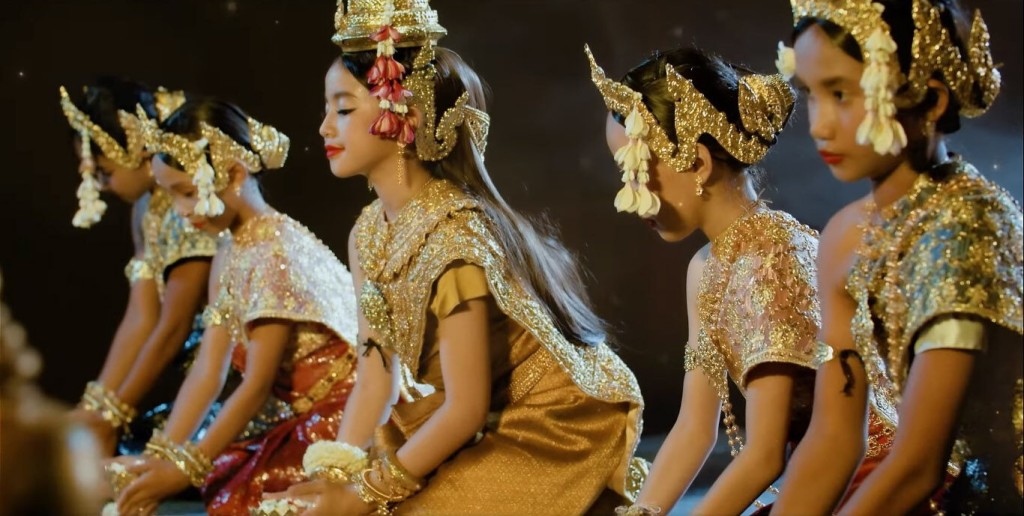
The Robam Toss Basorn is characterized by its intricate movements, graceful poses, and expressive gestures. The dancers, both male and female, wear elaborate costumes that are a sight to behold. The costumes are designed to represent different characters from Cambodian mythology and history, each with its unique colors and accessories.

The dance is accompanied by traditional Cambodian music, played on instruments such as the pinpeat (a type of ensemble), tro (a two-stringed fiddle), and skor thom (a large drum). The music sets the rhythm and mood of the dance, guiding the dancers through their performance.

Symbolism and Ritual

Beyond its aesthetic appeal, the Robam Toss Basorn is deeply symbolic. Each movement, gesture, and expression conveys a specific meaning, often related to Cambodian mythology and religious beliefs. The dance is believed to invoke the presence of the gods and spirits, seeking their protection and favor.

One of the most significant aspects of the Robam Toss Basorn is its role in the coronation of Cambodian kings. The dance is performed as part of the coronation ceremony, symbolizing the king’s divine right to rule and his duty to uphold the welfare of his people.

Preservation and Revival

The Robam Toss Basorn faced a significant threat during the Khmer Rouge regime, when many artists and performers were killed or forced to abandon their craft. However, in the years following the regime’s fall, efforts have been made to revive and preserve this cultural treasure. Schools and institutions dedicated to teaching traditional Cambodian dance have sprung up, ensuring that the art form is passed down to future generations.

International recognition has also played a crucial role in the preservation of the Robam Toss Basorn. In 2001, UNESCO recognized Cambodian classical dance as a Masterpiece of the Oral and Intangible Heritage of Humanity, highlighting its importance not just to Cambodia but to the world.

Conclusion

The Robam Toss Basorn is more than just a dance; it is a living testament to the enduring spirit of Cambodia. It embodies the country’s rich history, cultural identity, and spiritual beliefs. As Cambodia continues to rebuild and look towards the future, the Robam Toss Basorn remains a cherished part of its heritage, reminding the world of the beauty and resilience of Cambodian culture.

Cambodia’s Freshwater Heart: The Tonle Sap Lake

ppr-revolution.com – Nestled in the heart of Cambodia, the Tonle Sap Lake stands as a testament to the country’s rich biodiversity and cultural heritage. This unique freshwater ecosystem is not only a vital source of life for millions of people but also a fascinating natural phenomenon that intrigues scientists and nature enthusiasts alike. In this article, we will explore the wonders of the Tonle Sap Lake, its significance to Cambodia, and the challenges it faces in the modern world.

A Unique Ecosystem

The Tonle Sap Lake is the largest freshwater lake in Southeast Asia, covering an area of about 2,500 square miles during the dry season. However, what makes it truly remarkable is its annual flood pulse. During the monsoon season, the lake expands up to four times its size, inundating the surrounding floodplains and forests. This unique cycle is driven by the reversal of the Tonle Sap River, which connects the lake to the Mekong River. As the Mekong rises, the Tonle Sap River reverses its flow, allowing water to flood into the lake. When the monsoon season ends, the river’s flow reverses again, draining the lake back into the Mekong.

Biodiversity Hotspot

The Tonle Sap Lake is a biodiversity hotspot, home to a staggering array of fish species, many of which are found nowhere else on Earth. The annual flooding cycle creates ideal conditions for fish breeding, making the lake one of the most productive freshwater fisheries in the world. It supports a rich ecosystem that includes reptiles, birds, and mammals, with the surrounding flooded forests providing critical habitat for these species.

Cultural and Economic Significance

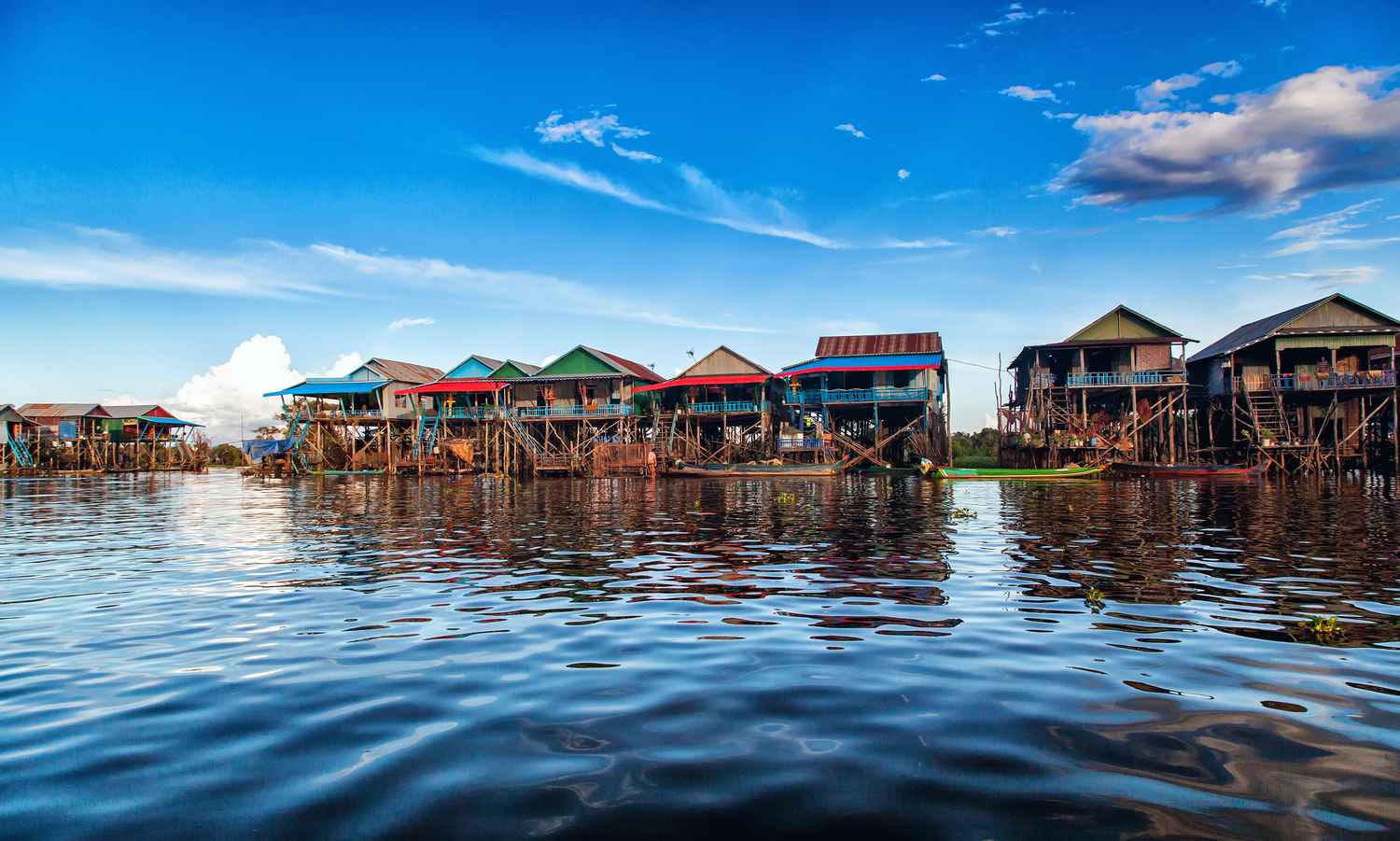
For centuries, the Tonle Sap Lake has been the heart of Cambodia’s cultural and economic life. The lake supports the livelihoods of millions of people, providing them with food, water, and a means of transportation. The floating villages on the lake are a testament to the human adaptation with nature, with entire communities living on stilt houses and boats. The lake is also a key part of Cambodia’s heritage, with ancient Khmer temples and historical sites located along its shores.

Challenges and Conservation Efforts

Despite its importance, the Tonle Sap Lake faces numerous challenges. Overfishing, pollution, and habitat destruction threaten the lake’s biodiversity and the livelihoods of those who depend on it. Climate change is also impacting the lake, with rising temperatures and changing rainfall patterns affecting the flood pulse and water levels.

In response to these challenges, conservation efforts are underway to protect the Tonle Sap Lake and its ecosystem. These include sustainable fishing practices, waste management initiatives, and the establishment of protected areas around the lake. International organizations, local communities, and the Cambodian government are working together to ensure that the Tonle Sap Lake continues to thrive for generations to come.

Conclusion

The Tonle Sap Lake is more than just a body of water; it is a lifeline for Cambodia. Its unique ecosystem supports a rich biodiversity and plays a crucial role in the country’s cultural and economic life. As we continue to face environmental challenges, it is imperative that we protect this precious resource. By working together, we can ensure that the Tonle Sap Lake remains the beating heart of Cambodia for years to come.

A Taste of the Archipelago: Indonesian Cuisine

ppr-revolution.com – Indonesia, an archipelago nation in Southeast Asia, is not only known for its breathtaking landscapes and vibrant culture but also for its rich and diverse cuisine. With over 17,000 islands, each region in Indonesia boasts its unique culinary traditions, influenced by a melting pot of cultures including Malay, Chinese, Indian, Arabic, and European. This blend has resulted in a cuisine that is as complex and varied as the country itself.

The Foundations of Indonesian Cuisine

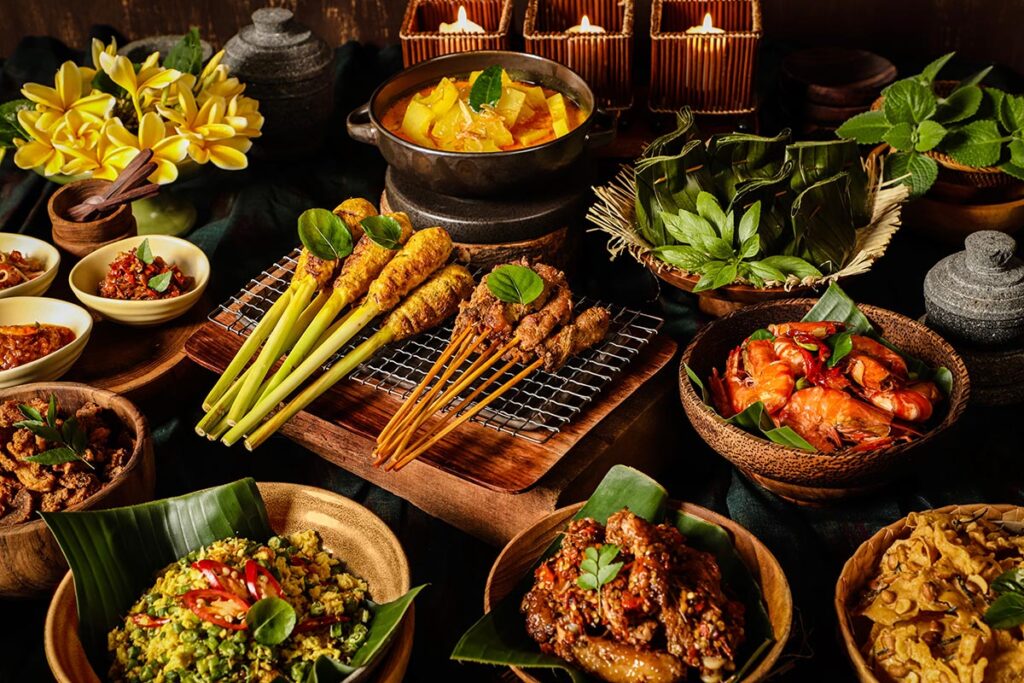
At the heart of Indonesian cuisine are staples such as rice, noodles, and sambal (a hot and spicy condiment made from chili peppers with secondary ingredients). These elements are ubiquitous and form the base of most meals. The use of coconut milk, lemongrass, galangal, turmeric, and tamarind is also prevalent, contributing to the unique flavors that define Indonesian food.

Regional Specialties: A Glimpse into Diversity

Sumatra: The Spicy and Tamarind-Rich Flavors

Sumatra, the westernmost island, is known for its spicy and tamarind-rich dishes. Rendang, a caramelized beef curry, is a celebrated dish that has been recognized as one of the world’s most delicious foods. Another favorite is Soto Padang, a flavorful beef soup with a hint of sourness from tamarind.

Java: The Heart of Indonesian Cuisine

Java, the most populous island, is considered the heart of Indonesian cuisine. Dishes like Nasi Goreng (fried rice) and Gado-Gado (a salad of boiled vegetables with peanut sauce) are internationally recognized. Tahu and Tempeh, soy-based products, are also staples, reflecting the influence of Chinese and Javanese vegetarian traditions.

Bali: The Island of Festive Flavors

Bali’s cuisine is characterized by its use of coconut, palm sugar, and a variety of spices. Babi Guling (suckling pig) is a festive dish, slow-roasted with a complex blend of spices, making it crispy on the outside and tender inside. Lawar, a mixed salad with minced meat and vegetables, is another must-try.

Eastern Indonesia: The Savory and Sweet

The eastern part of Indonesia, including Sulawesi, Maluku, and Papua, offers a unique blend of savory and sweet flavors. Coto Makassar, a soupy dish with beef and offal, and Papeda, a sago congee, are examples of the distinct culinary traditions found in this region.

The Art of Eating Together

Indonesian meals are not just about the food; they are about the experience of sharing and enjoying a meal together. Often, meals are served family-style with a variety of dishes placed in the center of the table, allowing diners to sample a bit of everything. This communal dining experience is a reflection of the warm and welcoming nature of Indonesian culture.

Conclusion: A Journey Through Flavors

Indonesian cuisine is a testament to the country’s rich history and cultural diversity. From the fiery dishes of Sumatra to the sweet and savory flavors of Bali, each region offers a unique culinary experience. Exploring Indonesian cuisine is not just about tasting the food; it’s about embarking on a journey through the archipelago’s history, culture, and traditions. Whether you’re sampling street food in Jakarta or enjoying a traditional meal in a rural village, Indonesian cuisine promises a feast for the senses that is both comforting and exciting.

Island-Hopping for Less: Caribbean on a Budget

ppr-revolution.com – The Caribbean Sea, with its turquoise waters, white-sand beaches, and vibrant cultures, has long been a dream destination for travelers around the world. However, the allure of island-hopping can often be overshadowed by the perceived high costs associated with such a vacation. Fear not, adventurous souls! With a bit of planning and savvy travel strategies, you can explore the Caribbean on a budget and create unforgettable memories without breaking the bank.

Planning Your Budget Island-Hopping Adventure

Off-Peak Travel

Timing is everything when it comes to budget travel. Avoid the peak tourist seasons (December to April) and opt for off-peak times to snag cheaper flights and accommodations. Traveling during the shoulder season (May and November) or even during the hurricane season (June to November) can lead to significant savings, though it’s wise to purchase travel insurance and keep an eye on weather forecasts.

Affordable Transportation

Once you’re in the Caribbean, inter-island travel can be surprisingly affordable. Many islands are within a short ferry ride from each other, offering a scenic and cost-effective way to island-hop. For longer distances, regional airlines often have competitive rates for short flights. Booking in advance and being flexible with your travel dates can help you secure the best deals.

Accommodation on a Budget

Budget-Friendly Stays

Look for budget-friendly accommodations such as hostels, guesthouses, or Airbnb rentals. These options not only save you money but also offer a more authentic local experience. Some islands have government-run guesthouses that are both affordable and comfortable.

Camping and Glamping

For the more adventurous, camping or glamping (glamorous camping) can be a unique and cost-effective way to stay. Many islands offer campsites with stunning views and access to beautiful beaches. Glamping options provide a step up from traditional camping with amenities like beds, electricity, and sometimes even private bathrooms.

Dining and Entertainment

Local Eats

One of the joys of travel is trying local cuisine, and in the Caribbean, you’re in for a treat. Street food and local markets are not only budget-friendly but also offer the most authentic flavors. From Jamaican jerk chicken to Trinidadian doubles, your taste buds will thank you.

Free Activities

The Caribbean is rich in natural beauty and cultural experiences that won’t cost you a dime. Spend your days exploring beaches, hiking through national parks, or attending free community events. Many islands have vibrant music and art scenes that are open to the public.

Tips for a Successful Budget Island-Hopping Trip

  • Research and Plan Ahead: The key to saving money is knowing what’s available and planning accordingly. Use travel blogs, forums, and social media to gather tips and recommendations.
  • Travel Light: Many budget airlines and ferries charge extra for luggage. Pack light to avoid these fees and make your travel experience more comfortable.
  • Stay Connected: Use free Wi-Fi to stay connected and make necessary bookings or changes to your plans. Many accommodations and cafes offer free internet access.
  • Be Flexible: The more flexible you are with your travel dates, accommodation choices, and itinerary, the more money you’ll save.

Island-hopping through the Caribbean on a budget is not only possible but can also be an incredibly rewarding experience. By following these tips and embracing the spirit of adventure, you can explore the beauty of the Caribbean without overspending. So, pack your bags, and get ready for an unforgettable journey through some of the most stunning islands in the world, all while keeping your wallet happy.

The Epicenters of Instability: The Most Dangerous Countries

ppr-revolution.com – In an interconnected world, the concept of safety and security has become a global concern. While many regions enjoy relative peace and prosperity, others are plagued by instability, conflict, and danger. These epicenters of instability are often the result of complex socio-political dynamics, economic disparities, and historical grievances. Understanding the nature of these dangerous countries is crucial for global security, humanitarian efforts, and the well-being of their populations. This article delves into the characteristics and challenges of some of the world’s most perilous nations, highlighting the multifaceted nature of instability.

1. Syria: The Crucible of Conflict

Syria has been synonymous with devastation since the outbreak of civil war in 2011. The conflict has led to hundreds of thousands of deaths, millions of refugees, and widespread destruction. The Assad regime’s brutal crackdown on protests, the rise of extremist groups like ISIS, and foreign intervention have turned the country into a battleground. The situation has exacerbated humanitarian crises, with entire cities reduced to rubble and a population struggling to survive amidst the chaos.

2. Afghanistan: A Land of Endless War

Afghanistan has been embroiled in conflict for decades, from the Soviet invasion in the 1980s to the U.S.-led war on terror post-9/11. The withdrawal of foreign troops and the Taliban’s resurgence in 2021 have plunged the country into uncertainty. Afghanistan’s rugged terrain and ethnic divisions have historically made it a challenging place to govern, leading to a persistent state of insecurity and underdevelopment. The country faces significant humanitarian and economic crises, with many fearing a return to the Taliban’s harsh rule and the suppression of rights, particularly for women and minorities.

3. Yemen: The World’s Forgotten War

Yemen’s civil war, which escalated in 2015, has turned the country into the site of the world’s worst humanitarian crisis. A Saudi-led coalition’s intervention against the Houthi rebels has resulted in a catastrophic impact on civilians. Blockades and bombings have led to widespread famine, disease, and displacement. Yemen’s infrastructure is in ruins, and its population is caught in a cycle of violence and suffering, with little international attention or aid.

4. Somalia: The Struggle Against Anarchy

Somalia has been without a functioning central government for much of the past three decades, making it a haven for piracy, terrorism, and clan-based violence. The rise of Al-Shabaab, an Al-Qaeda-linked militant group, has further destabilized the region. Despite efforts by the African Union and international partners to support the Somali government, the country remains fragile. Drought, famine, and a weak economy compound the challenges, leaving Somalia’s future uncertain.

5. North Korea: Isolation and Provocation

North Korea’s reclusive regime, led by Kim Jong-un, has made it one of the most dangerous countries in the world. Its nuclear weapons program, combined with a history of provocative actions, has raised tensions with neighboring countries and the international community. The regime’s human rights abuses, including the use of prison camps and public executions, have drawn widespread condemnation. North Korea’s isolationist policies have led to economic hardship for its people, yet the regime remains defiant, posing a significant threat to regional and global security.

Conclusion

The epicenters of instability are a stark reminder of the challenges that persist in our global community. These dangerous countries are not just isolated cases but reflect broader issues of governance, inequality, and the unresolved legacies of history. Addressing the root causes of instability requires a concerted effort from the international community, including diplomatic engagement, humanitarian assistance, and support for peacebuilding and development. While the path to stability is fraught with difficulties, it is imperative that we do not turn away from these crises. The safety and security of our interconnected world depend on it.

Multiculturalism in America: The Diversity Tapestry

The United States of America, often referred to as a melting pot, is a nation built on the foundation of diversity. Its history is a testament to the blending of various cultures, languages, and traditions, creating a unique tapestry of multiculturalism. This diversity is not just a characteristic of the American identity; it is a strength that enriches the social fabric, fosters innovation, and promotes a culture of inclusivity. In this article, we will explore the essence of multiculturalism in America, its challenges, and its contributions to the nation’s growth and prosperity.

The Tapestry of Cultures:
The American tapestry is woven from the threads of numerous cultures, each contributing its own colors and patterns. From the indigenous peoples who were the original inhabitants of the land to the waves of immigrants from Europe, Africa, Asia, and Latin America, each group has left an indelible mark on the nation’s cultural landscape. This multicultural heritage is celebrated through festivals, cuisines, languages, religions, and art forms, making the American identity a mosaic of diverse experiences and perspectives.

The Challenges of Multiculturalism:
While multiculturalism is a source of pride for many Americans, it is not without its challenges. The nation has grappled with issues of racial and ethnic discrimination, inequality, and social integration. The history of slavery, segregation, and various forms of exclusion has left deep scars that continue to impact communities of color. Moreover, the integration of diverse cultures into a cohesive society requires ongoing dialogue, understanding, and policy support to address disparities and ensure equal opportunities for all.

The Role of Education and Policy:
Education plays a pivotal role in nurturing multiculturalism. Schools and universities are increasingly embracing curricula that highlight the contributions of various ethnic groups to American society. This not only fosters a sense of belonging among students from diverse backgrounds but also promotes empathy and respect for different cultures.

Public policies also play a critical role in supporting multiculturalism. Affirmative action, anti-discrimination laws, and initiatives aimed at cultural preservation and integration are essential in creating an inclusive society. The government’s role in protecting minority rights and promoting cultural diversity is fundamental to the success of multiculturalism in America.

The Benefits of Multiculturalism:
Multiculturalism is a wellspring of creativity and innovation. The diverse perspectives brought by different cultures have fueled advancements in technology, science, arts, and business. The American economy has benefited immensely from the entrepreneurial spirit of immigrants, who have started businesses, created jobs, and contributed to economic growth.

Moreover, multiculturalism enriches the social and cultural life of the nation. It offers a broader range of experiences and insights, broadening the horizons of all Americans. The exchange of ideas, customs, and traditions leads to a more open and tolerant society, where diversity is celebrated as a national asset.

Conclusion:
The diversity tapestry of multiculturalism in America is a complex and vibrant mosaic that reflects the nation’s history, challenges, and aspirations. It is a testament to the strength and resilience of a society that thrives on the contributions of its diverse population. While the journey toward a fully inclusive society is ongoing, the commitment to multiculturalism remains a cornerstone of the American identity. As the nation continues to weave together the threads of its diverse cultures, it will undoubtedly emerge stronger, more united, and enriched by the tapestry of multiculturalism.