Jollof Rice: A West African Culinary Icon

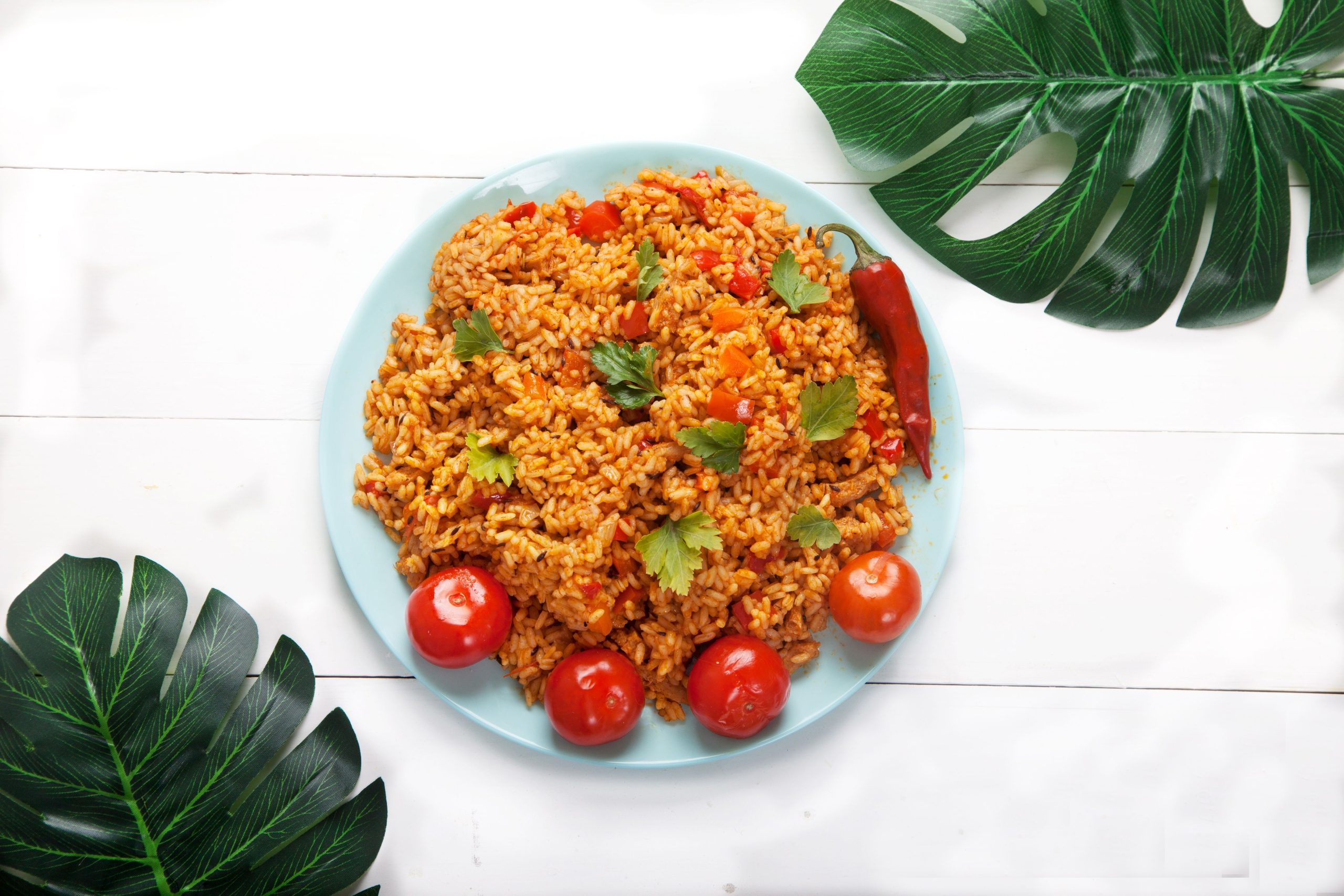
ppr-revolution.com – Jollof rice, a vibrant and flavorful dish made with rice, tomatoes, onions, peppers, and a medley of spices, reigns supreme as a culinary icon across West Africa. This beloved staple is not just food; it’s a cultural symbol, a source of friendly rivalry between nations, and a testament to the region’s rich culinary heritage. From casual family meals to festive celebrations, Jollof rice is a dish that brings people together.   

Origins and the “Jollof Wars”

The precise origins of Jollof rice are debated, with both Senegal (where it’s known as thieboudienne) and the ancient Jolof Empire claiming its invention. Thieboudienne is considered by many to be the precursor to modern Jollof, featuring fish, rice, and vegetables cooked in a rich tomato-based sauce. Over time, variations of the dish spread throughout West Africa, leading to the development of distinct regional styles.   

This spread has also fueled the infamous “Jollof Wars,” a lighthearted but passionate rivalry between West African nations, particularly Nigeria and Ghana, over whose Jollof rice is the best. Each country boasts unique preparation methods and flavor profiles, leading to endless debates and friendly competition.   

Key Ingredients: Building Layers of Flavor

Jollof rice is characterized by its complex and layered flavors, derived from a combination of fresh ingredients and aromatic spices. The key components include:   

  • Rice: Long-grain parboiled rice is typically used, as it holds its shape well during cooking and absorbs the flavors of the sauce.   
  • Tomatoes: Fresh tomatoes are essential for the base of the sauce, providing sweetness and acidity. Tomato paste is often added for a deeper color and richer flavor.   
  • Onions: Onions form the aromatic base of the sauce, adding sweetness and depth.   
  • Peppers: Scotch bonnet peppers or other hot peppers are used for heat, while bell peppers can add sweetness and color.   
  • Spices: A blend of spices is crucial for Jollof’s distinctive flavor. Common spices include bay leaves, thyme, curry powder (often a West African blend), ginger, garlic, and sometimes nutmeg or cloves.   
  • Oil: Vegetable oil or palm oil is used for cooking the sauce and frying the ingredients.   
  • Stock or Broth: Chicken or vegetable stock is often used to cook the rice, adding another layer of flavor.   

Preparing Jollof Rice: A Step-by-Step Process

While variations exist, the basic process of making Jollof rice involves several key steps:

  1. Preparing the Pepper Mix: Tomatoes, onions, peppers, and sometimes ginger and garlic are blended into a smooth paste. This is the foundation of the Jollof sauce.   
  2. Cooking the Sauce: Oil is heated in a large pot, and the blended pepper mix is added and cooked down until the raw flavors are reduced and the sauce thickens. Tomato paste is often added at this stage.
  3. Adding Spices and Aromatics: The spices and aromatics (bay leaves, thyme, etc.) are added to the sauce and cooked briefly to release their flavors.   
  4. Adding Stock or Broth: Stock or broth is added to the sauce, bringing it to a simmer.   
  5. Adding the Rice: The rice is added to the simmering sauce, ensuring that the liquid covers the rice completely.
  6. Cooking the Rice: The rice is cooked over low heat until all the liquid is absorbed and the rice is tender. The pot is often covered tightly to trap steam and ensure even cooking.   
  7. Smoking (Optional): Some variations of Jollof rice involve a smoking process, either by cooking the rice over a wood fire or by adding smoked paprika or other smoked ingredients. This adds a distinct smoky flavor.   

Regional Variations: A Taste of Different Styles

As Jollof rice spread throughout West Africa, distinct regional variations emerged, each with its own unique characteristics.   

  • Nigerian Jollof: Often characterized by its smoky flavor, vibrant reddish-orange color, and use of long-grain parboiled rice. It’s known for its party Jollof, cooked in large quantities over a wood fire.   
  • Ghanaian Jollof: Often uses basmati rice, resulting in a lighter texture. It can be spicier and often includes more vegetables.
  • Senegalese Thieboudienne: Considered by some to be the ancestor of Jollof, it features fish, rice, and vegetables cooked in a rich tomato-based sauce.   

Serving and Enjoying Jollof Rice

Jollof rice is typically served hot and can be enjoyed on its own or with various accompaniments, such as:

  • Grilled or Fried Chicken: A classic pairing with Jollof rice.   
  • Plantains: Fried or baked plantains add a sweet contrast to the savory rice.   
  • Salad: A simple salad provides a refreshing element.
  • Moi Moi: A steamed bean pudding.   

Jollof Rice: More Than Just a Dish

Jollof rice has transcended its status as a simple meal to become a cultural symbol of West Africa. It represents unity, celebration, and the region’s rich culinary heritage. The “Jollof Wars” are a testament to the passion and pride that West Africans have for this beloved dish. Whether you prefer Nigerian, Ghanaian, or another regional style, Jollof rice is a culinary experience that is sure to delight the senses.

The Tiny Citrus: A Comprehensive Look at Kumquats

ppr-revolution.com – Kumquats, with their small, round shape and sweet-tart flavor, are a unique citrus fruit that has gained popularity in recent years. These miniature delights are not only delicious but also packed with essential vitamins and minerals. From their culinary uses to their health benefits, kumquats have earned their place as a versatile and healthful ingredient.

A Brief History

Kumquats are believed to have originated in China, where they have been cultivated for centuries. They were introduced to Europe in the 19th century and later spread to the Americas. Kumquats are now grown in various parts of the world, including China, Japan, and the United States.

Nutritional Benefits

Kumquats are a nutritional powerhouse, offering a range of health benefits:

  • Vitamin C: Kumquats are an excellent source of vitamin C, which is essential for immune function and skin health.
  • Antioxidants: The antioxidants in kumquats help protect cells from damage caused by free radicals.
  • Fiber: Kumquats are a good source of fiber, which aids in digestion and promotes satiety.
  • Potassium: Potassium is essential for maintaining healthy blood pressure.

Culinary Uses

Kumquats are a versatile ingredient that can be enjoyed in a variety of ways:

  • Fresh: Kumquats can be eaten whole, skin and all. The skin is sweet, while the flesh is tart.
  • Candied: Candied kumquats are a popular sweet treat.
  • Preserves: Kumquats can be used to make marmalade, jam, and other preserves.
  • Cocktails: Kumquats can be used to add a unique flavor to cocktails.
  • Baking: Kumquat zest and juice can be used to flavor cakes, cookies, and other baked goods.

Health Benefits

In addition to their nutritional value, kumquats have several health benefits:

  • Digestive Health: Kumquats can help stimulate digestion and relieve constipation.
  • Immune Boost: The vitamin C in kumquats can help boost the immune system and protect against infections.
  • Skin Health: The antioxidants in kumquats can help protect the skin from damage caused by free radicals.

Selecting and Storing Kumquats

When selecting kumquats, choose fruits that are firm, heavy for their size, and have a bright orange color. Avoid kumquats with blemishes or soft spots. Store kumquats in a cool, dry place, away from direct sunlight.

Conclusion

Kumquats, with their unique flavor, vibrant color, and numerous health benefits, are a delightful and versatile fruit. Whether you enjoy them fresh, candied, or in various culinary preparations, kumquats are sure to add a touch of sweetness and tartness to your life.

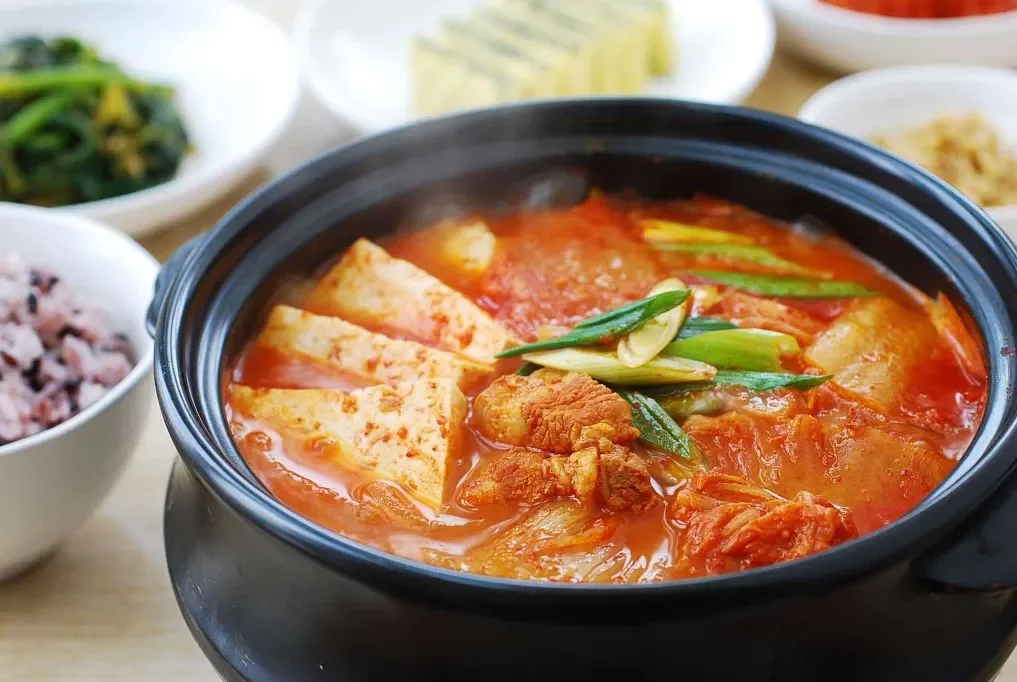
Exploring Jjigae: A Dive into Various Korean Stews

ppr-revolution.com – Korean cuisine is renowned for its bold flavors, diverse ingredients, and comforting dishes, and among its most beloved offerings is jjigae. Jjigae, or Korean stew, is a staple in the Korean diet, offering warmth and nourishment in every bowl. With a variety of recipes and ingredients, jjigae showcases the rich culinary heritage of Korea. In this article, we’ll explore the different types of jjigae, their ingredients, and their significance in Korean culture.

The Essence of Jjigae

At its core, jjigae is a hearty stew that combines a flavorful broth with meat, seafood, or vegetables, often complemented by tofu and various seasonings. The broth is typically made with either a base of fermented soybean paste (doenjang), fermented chili paste (gochujang), or soy sauce, each lending a distinct flavor profile to the dish. Jjigae is characterized by its spicy, savory, and umami-rich flavors, making it a comforting meal enjoyed throughout the year.

Types of Jjigae

1. Kimchi Jjigae (김치찌개): Perhaps the most iconic type of jjigae, kimchi jjigae is a spicy stew made with aged kimchi, pork, tofu, and sometimes seafood. The fermentation of the kimchi provides a deep, tangy flavor that balances the heat from the chili paste, making it a favorite among spice lovers.

2. Sundubu Jjigae (순두부찌개): Known for its silky texture, sundubu jjigae features uncurdled tofu, which creates a creamy consistency. It often includes seafood or beef and is spiced with gochugaru (Korean chili powder). It is usually served piping hot in a stone pot, enhancing its comforting appeal.

3. Doenjang Jjigae (된장찌개): Made with doenjang, a fermented soybean paste, this stew is savory and rich in umami. It’s typically filled with vegetables like zucchini, mushrooms, and potatoes, along with tofu and sometimes beef or seafood. Its deep, earthy flavors make it a staple in Korean households.

4. Budae Jjigae (부대찌개): Also known as “army base stew,” budae jjigae is a fusion of Korean and American ingredients, including spam, sausages, baked beans, and instant noodles. This stew originated during the Korean War when food was scarce, and it remains popular for its unique combination of flavors and textures.

5. Kongbiji Jjigae (콩비지찌개): Made from ground soybeans, kongbiji jjigae is a thick, hearty stew often featuring pork and kimchi. The ground soybeans provide a nutty flavor and creamy texture, making it both nutritious and satisfying.

Cultural Significance

Jjigae is more than just a meal; it is a reflection of Korean culture and history. Each type of jjigae tells a story of regional ingredients, historical influences, and familial traditions. It is often enjoyed communally, with family and friends gathered around a shared pot, emphasizing the importance of togetherness and community in Korean dining culture.

Conclusion

Jjigae is a versatile and beloved component of Korean cuisine, offering a taste of Korea’s diverse flavors and culinary traditions. Whether you prefer the spicy kick of kimchi jjigae or the creamy depth of sundubu jjigae, there’s a jjigae to suit every palate. As you explore these various stews, you’ll not only enjoy a delicious meal but also gain insight into the rich tapestry of Korean culinary heritage.

Discovering the Rich Flavors of Rendang: A Spicy Beef Stew

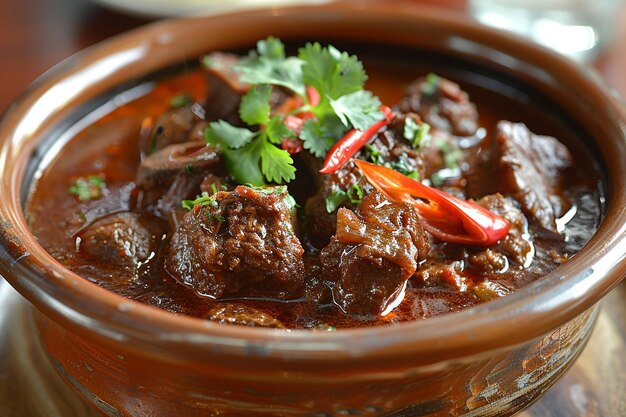
ppr-revolution.com – Rendang is a traditional Indonesian dish that has captured the hearts (and taste buds) of people around the world. Known for its rich flavors and aromatic spices, this spicy beef stew hails from the Minangkabau ethnic group in West Sumatra, Indonesia. Rendang is often served at ceremonial occasions to honor guests, showcasing its importance in Indonesian culture.

The History and Cultural Significance of Rendang

Rendang has deep cultural roots and is an integral part of Minangkabau tradition. Traditionally, it was prepared during festive occasions and served at communal gatherings. The cooking process of Rendang is a time-consuming labor of love, symbolizing patience and dedication. This dish has been passed down through generations, and each family often has its own unique recipe.

Ingredients and Preparation

The key ingredients of Rendang include beef, coconut milk, and a mixture of lemongrass, galangal, garlic, turmeric, ginger, and chili. The beef is slowly cooked in the coconut milk and spices, allowing the flavors to meld together and the liquid to evaporate, resulting in a tender and richly spiced dish.

The process involves several stages, starting with boiling the beef with coconut milk and spices, then simmering it for hours until the liquid has reduced and the beef is infused with the flavors. This slow cooking process not only enhances the taste but also preserves the dish, which can be stored without refrigeration for several days.

Variations of Rendang

While beef is the most common protein used in Rendang, variations exist using chicken, lamb, or even jackfruit as a vegetarian alternative. Each region in Indonesia, and even each family, might have its own twist on the traditional recipe, incorporating different spices or cooking techniques.

The Global Appeal of Rendang

Rendang has gained international acclaim and was voted as the world’s most delicious food in a CNN poll. Its complex flavor profile and tender meat make it a favorite among food enthusiasts. As Indonesian cuisine spreads globally, Rendang has become a symbol of the country’s rich culinary heritage.

Conclusion

Rendang is more than just a dish; it is a cultural icon that represents the rich history and culinary diversity of Indonesia. Whether enjoyed in a traditional setting or adapted to local tastes, Rendang offers a taste of Indonesia’s vibrant culture and hospitality. If you haven’t tried it yet, Rendang is a must-experience for anyone looking to explore the depth of Indonesian cuisine.

The Allure of Hong Kong’s Street Food Scene

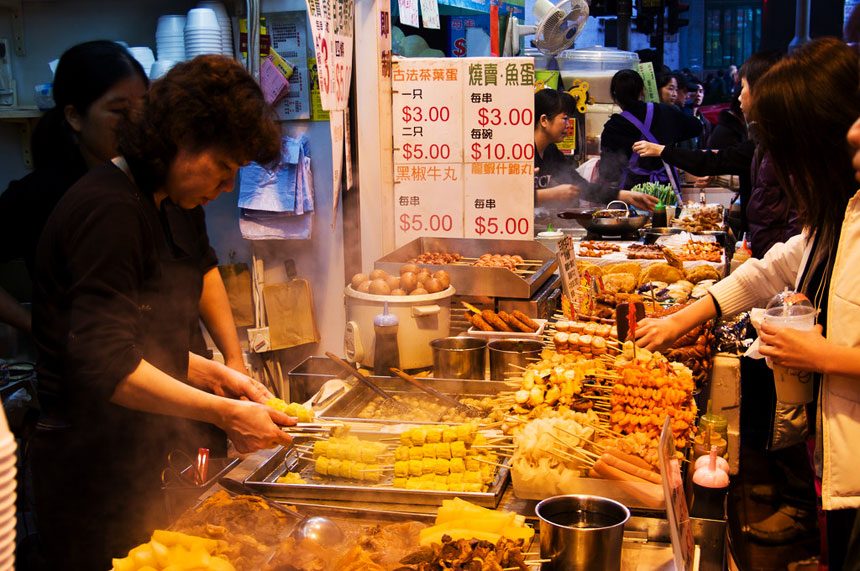
ppr-revolution.com – Hong Kong, a bustling metropolis known for its towering skyscrapers and dynamic lifestyle, also boasts a vibrant street food culture that is a testament to its culinary diversity. From the bustling night markets to the narrow alleyways, the city’s street food scene offers a plethora of flavors that reflect its rich history and multicultural influences.

Iconic Dishes to Savor

One cannot talk about Hong Kong’s street food without mentioning some of its iconic dishes. Egg tarts, with their flaky pastry and smooth custard, are a must-try. Another favorite is the fish ball, often served in a savory broth with a sprinkle of chili and garlic. For those with a sweet tooth, the traditional Hong Kong-style milk tea and egg waffles are sure to satisfy.

The Best Places to Experience Street Food

To fully immerse oneself in the street food culture, visitors should head to areas like Mong Kok, where the Temple Street Night Market is located. Here, amidst the lively atmosphere, one can find a variety of street food stalls offering everything from local snacks to full meals. Another hotspot is the Central and Western District, where the Mid-Levels Escalator leads to an array of eateries and food stalls.

The Cultural Significance of Street Food

Street food in Hong Kong is more than just a culinary experience; it’s a cultural phenomenon. It reflects the city’s fast-paced lifestyle, where people often grab a quick bite on the go. Moreover, it serves as a social space where locals and tourists alike can mingle and share in the joy of eating.

Tips for Enjoying Hong Kong’s Street Food

For first-time visitors, it’s essential to approach the street food scene with an adventurous spirit. Be open to trying new dishes and don’t be afraid to ask locals for recommendations. It’s also wise to observe food hygiene practices at the stalls and to eat at those with a steady stream of customers, as this is often an indicator of quality.

Conclusion: A Taste of Hong Kong’s Heart and Soul

Hong Kong’s street food scene is a melting pot of flavors, cultures, and traditions. It offers a unique insight into the city’s heart and soul, providing a memorable experience for food enthusiasts. Whether you’re a local or a tourist, the vibrant street food culture of Hong Kong is an adventure waiting to be savored.

Savoring the Delights of Deer Isle Evening Eats

ppr-revolution.com – Nestled in the heart of Maine’s Penobscot Bay, Deer Isle is a picturesque island known for its stunning natural beauty, vibrant arts community, and, notably, its exceptional culinary offerings. As the sun sets over the tranquil waters, the island’s dining scene comes alive, offering a variety of evening eats that cater to every palate. This article explores the diverse and delectable dining experiences that await visitors and locals alike during the evening hours on Deer Isle.

The Best Spots for Evening Eats on Deer Isle

Deer Isle boasts a range of dining establishments, each with its unique charm and culinary focus. One of the must-visit spots is ‘The Island Farm’, a farm-to-table restaurant that serves up fresh, locally-sourced ingredients in a cozy, rustic setting. For seafood lovers, ‘Pilot’s Point Restaurant’ offers a menu brimming with the day’s catch, prepared with classic Maine techniques and a touch of creativity. ‘The Waterfront Restaurant’ provides a fine dining experience with a view, featuring a sophisticated menu and an extensive wine list, perfect for a special evening out.

Must-Try Dishes for an Evening on Deer Isle

The culinary delights of Deer Isle are as varied as they are delicious. A must-try dish is the ‘Lobster Roll’, a Maine classic that is elevated to new heights with fresh, local lobster meat and a secret sauce. The ‘Blueberry Pie’, made with wild Maine blueberries, is a sweet end to any meal, capturing the essence of summer in every bite. For something heartier, the ‘Beef Bourguignon’ at ‘The Island Farm’ is a comforting dish that warms the soul, especially on a cool evening.

The Evening Dining Experience on Deer Isle

Dining out in the evening on Deer Isle is more than just a meal; it’s an experience. Many restaurants offer outdoor seating, allowing diners to enjoy their meals under the stars or by the water’s edge. The laid-back island atmosphere is complemented by the friendly service and welcoming ambiance of the local eateries. Whether you’re looking for a casual meal or a more upscale dining experience, Deer Isle’s evening eats promise to delight and satisfy.

Conclusion: A Memorable Evening of Dining on Deer Isle

In conclusion, the evening culinary scene on Deer Isle is a testament to the island’s dedication to quality, creativity, and the celebration of local flavors. From the freshest seafood to farm-to-table delights, the dining options are as diverse as they are delicious. Whether you’re a food enthusiast or simply looking to enjoy a memorable evening out, Deer Isle’s evening eats offer an experience that is truly unforgettable.

The Jeweled Table: Amazing Aspects of Royal Dining

ppr-revolution.com – In the annals of history, the grandeur of royal dining has always been a subject of fascination and awe. Among the most captivating aspects of this opulence is the concept of the “Jeweled Table,” where the splendor of the meal is matched only by the magnificence of the table settings. This article delves into the world of royal dining, exploring the extravagance and symbolism behind the Jeweled Table, and how it reflects the wealth, power, and cultural refinement of the ruling elite.

The Jeweled Table is not merely a dining experience; it is a statement of wealth and a testament to the craftsmanship of the era. Monarchs and nobility across different civilizations have sought to outdo each other in the lavishness of their banquets, using the table as a canvas to display their riches. Gold, silver, precious stones, and the finest porcelain were not just tableware but symbols of status and dominion.

Historically, the Jeweled Table was often the centerpiece of state banquets, weddings, coronations, and other significant royal occasions. The table itself might be adorned with intricate carvings, inlaid with mother-of-pearl or precious metals, or even be made entirely of gold or silver. The tablecloths were of the finest silk or linen, often embroidered with gold or silver thread, depicting scenes of mythology, heraldry, or the royal coat of arms.

The cutlery and dinnerware were equally opulent. Gold and silver plates, goblets, and utensils were commonplace, often decorated with enamel work or set with jewels. The famous “Florentine Service,” a set of tableware commissioned by the Medici family in the 16th century, is a prime example. It consists of 114 solid gold pieces, weighing over 270 kilograms, and is adorned with over 600 emeralds, sapphires, and rubies.

The centerpieces of the Jeweled Table were often as spectacular as the tableware. Exotic flowers, fruits, and even sculptures made of sugar or ice were used to create elaborate displays. In some cases, mechanical contraptions or table fountains that dispensed wine or scented water added to the spectacle.

The food served on the Jeweled Table was as much a display of wealth as the table itself. Rare and exotic ingredients, such as spices from the East, were used to create dishes that were as much about visual impact as taste. Peacocks were sometimes served with their feathers reattached to create a dramatic effect, and pies might be made to “reveal” live birds when opened, showcasing the culinary ingenuity of the royal kitchens.

The opulence of the Jeweled Table was not just for show; it was also a strategic tool of diplomacy and power. By hosting such lavish banquets, monarchs could impress foreign dignitaries, secure alliances, and assert their dominance. The ability to host a Jeweled Table was a clear demonstration of a nation’s wealth and stability.

Today, the tradition of the Jeweled Table lives on in a more subdued form. State dinners and royal banquets still feature exquisite table settings and fine dining, though the use of actual jewels and precious metals has diminished. Museums around the world house collections of royal tableware, offering a glimpse into the opulence of bygone eras.

The Jeweled Table remains a symbol of the extraordinary lengths to which royalty and nobility would go to express their power and sophistication. It is a testament to human creativity and craftsmanship, and a reminder of the historical significance of dining as a display of wealth and status. As we marvel at the splendor of the Jeweled Table, we are reminded of the enduring allure of royal dining and the stories it tells about the past.

How Technology Will Revolutionize Our Diets: The Future of Food

ppr-revolution.com – The future of food is a tantalizing blend of innovation, sustainability, and health. As technology continues to advance, it is poised to transform the way we produce, distribute, and consume food. From lab-grown meats to precision agriculture, the culinary landscape is set to undergo a radical shift. This article explores the myriad ways in which technology will change what we eat, promising a more sustainable, efficient, and diverse food system.

Precision Agriculture:
One of the most significant technological advancements in food production is precision agriculture. This approach uses data analytics, GPS, field data maps, and crop performance reports to optimize planting, watering, fertilizing, and harvesting. By tailoring farming practices to the specific needs of each plant, precision agriculture increases yields while reducing waste and environmental impact. This technology is not only improving the efficiency of traditional farming but also enabling the cultivation of crops in previously inhospitable environments, such as urban rooftops or deserts, through innovative techniques like vertical farming and hydroponics.

Lab-Grown Meats:
The rise of lab-grown or cultured meats represents a paradigm shift in the way we think about animal protein. By taking a small sample of animal cells and growing them in a controlled environment, scientists can produce meat without the need to raise and slaughter animals. This technology promises to drastically reduce the environmental footprint of meat production, including greenhouse gas emissions, water usage, and deforestation. Moreover, it could alleviate ethical concerns surrounding animal welfare and improve food safety by eliminating the risk of certain zoonotic diseases.

Smart Packaging and Traceability:
Innovations in packaging are also set to change the food industry. Smart packaging incorporates sensors that can detect and indicate food freshness, monitor temperature conditions, and even release preservatives to extend shelf life. This technology not only reduces food waste but also enhances food safety. Additionally, blockchain technology is being used to create transparent supply chains, allowing consumers to trace their food from farm to fork. This traceability builds trust and enables more informed purchasing decisions.

Personalized Nutrition:
The future of food will also be highly personalized. With the advent of wearable technology and at-home diagnostic devices, individuals will have access to detailed information about their health and nutritional needs. This data, combined with artificial intelligence and machine learning, will enable the creation of customized meal plans and dietary recommendations. Food manufacturers and restaurants will use this information to offer personalized meal options, catering to individual health goals and dietary restrictions.

Sustainable Sourcing and Alternative Proteins:
As consumers become more environmentally conscious, there is a growing demand for sustainably sourced foods. Technology is facilitating this shift by enabling the mass production of alternative proteins such as plant-based meats, dairy substitutes, and insect-based foods. These innovations not only reduce the strain on natural resources but also offer new flavors and textures that appeal to a diverse range of palates.

Conclusion:
The future of food is a testament to human ingenuity and our ability to adapt technology to meet the challenges of feeding a growing global population. As we continue to innovate, we can look forward to a food system that is more sustainable, efficient, and diverse. From precision agriculture to lab-grown meats, smart packaging to personalized nutrition, the technological advancements on the horizon promise to revolutionize our diets and the way we think about food. As we embrace these changes, we can work towards a future where food is not only abundant but also produced and consumed in a way that respects our planet and our health.

The Journey of Snack Foods Around the World

Snack foods are a universal pleasure, enjoyed by people of all ages and cultures. From the crunch of a potato chip to the sweetness of a chocolate bar, these bite-sized delights offer a momentary escape and a burst of flavor that can brighten any day. But have you ever wondered about the journey these snacks take from the field to your fingertips? It’s a fascinating voyage that spans continents, involves numerous processes, and touches the lives of countless people. Let’s embark on this journey together and explore the global odyssey of snack foods.

The Seed of an Idea: Cultivation and Sourcing

The story of snack foods begins in the fields where the raw ingredients are cultivated. Whether it’s potatoes for chips, cacao beans for chocolate, or corn for tortilla chips, the journey starts with farmers who sow the seeds and nurture the crops. These farmers are the backbone of the snack industry, and their expertise in agriculture is crucial for producing high-quality ingredients.

Once the crops are harvested, they are sorted and prepared for the next phase of their journey. Some ingredients may travel long distances to reach processing facilities, highlighting the global nature of the snack food industry.

Manufacturing Magic: Processing and Production

The next stop on our journey is the manufacturing plant, where raw ingredients are transformed into the snack foods we know and love. This is where the magic happens, with state-of-the-art technology and traditional recipes coming together to create a wide array of flavors and textures.

Potatoes are peeled, sliced, and fried or baked to create crispy chips. Cacao beans are fermented, dried, roasted, and ground into cocoa liquor, which is then refined and mixed with sugar and milk powder to make chocolate. Corn is milled and cooked to make masa, which is then pressed and cut to create tortilla chips.

Each snack has its own unique production process, often involving a combination of artisanal techniques and high-tech machinery. Quality control is paramount at this stage, with strict standards ensuring that every snack meets the required taste, texture, and safety criteria.

Packaging with Purpose: Preservation and Presentation

After production, snack foods are packaged to preserve their freshness and enhance their appeal. Packaging not only protects the snacks from moisture, air, and contaminants but also plays a crucial role in marketing. Eye-catching designs and informative labels help attract consumers and communicate the product’s features.

Sustainability is becoming an increasingly important consideration in packaging. Many companies are exploring eco-friendly options to reduce waste and minimize environmental impact.

Distribution Dilemmas: From Factory to Store Shelves

With the snacks safely packaged, they are ready to be distributed. This involves a complex logistical network that includes warehousing, transportation, and delivery to retailers around the world. The journey may take snack foods from factories in one country to supermarket shelves in another, showcasing the intricate web of trade that connects the global snack industry.

Retail and Beyond: The Final Frontier

The final leg of the journey is from the distribution center to the retail outlet. Whether it’s a local convenience store, a bustling supermarket, or an online marketplace, the snack foods are now within reach of consumers.

The retail environment is where the consumer’s journey intersects with that of the snack. Here, the packaging and branding do their final work, enticing shoppers to choose one snack over another. Once the purchase is made, the snack food is ready to be enjoyed, completing its journey from field to fingertips.

The Global Snack Food Culture

Snack foods are more than just a convenient way to satisfy hunger; they are a cultural phenomenon. Different regions of the world have their own unique snack foods, reflecting local tastes and traditions. From spicy Mexican chili-lime snacks to Japanese rice crackers, snack foods offer a taste of the world’s diverse culinary heritage.

The globalization of snack foods has also led to a fusion of flavors, with international ingredients and seasonings being incorporated into traditional snacks. This cultural exchange has enriched the snack food landscape, offering consumers a wider variety of choices.

Conclusion

The journey of snack foods from field to fingertips is a testament to human ingenuity, global trade, and the universal love of a good snack. It involves farmers, manufacturers, distributors, retailers, and, of course, consumers, all playing their part in a complex yet delightful chain of production and consumption.

As you reach for that bag of chips or unwrap a chocolate bar, take a moment to appreciate the incredible journey it has taken to arrive in your hands. Each snack tells a story of its own, a story of the land, the people, and the processes that have shaped it. Enjoy the flavors of the world, one snack at a time.

The Underground Treasure of Fine Dining: White Truffles

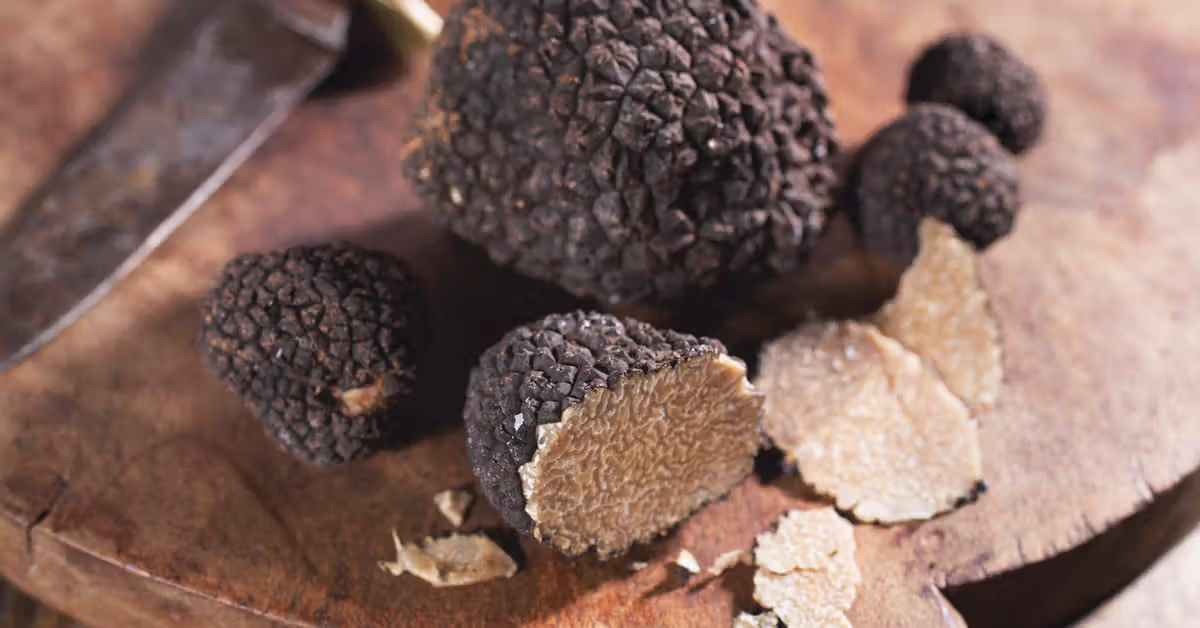
In the world of fine dining, few ingredients command the reverence and intrigue that white truffles do. These elusive treasures of the earth are not only a culinary delight but also a symbol of luxury and exclusivity. White truffles, scientifically known as Tuber magnatum, are a type of edible fungi that grow primarily in the Piedmont region of Northern Italy, with smaller quantities found in neighboring countries like Croatia and Slovenia. Their unique flavor, combined with their scarcity, makes them one of the most sought-after ingredients in the world of gastronomy.

The Hunt for White Gold

The journey of white truffles from the forest floor to the dining table is a fascinating one. Unlike their cultivated cousins, the white truffle cannot be farmed. Instead, it must be hunted in the wild, a task that requires the keen sense of specially trained dogs or pigs. These animals are used to sniff out the truffles due to their ability to detect the strong, distinctive scent of the fungi from several inches beneath the ground.

The hunting season for white truffles typically runs from late September to December, with the peak season in November. During this time, truffle hunters, known as “tartufai,” scour the forests under the cover of secrecy, as the exact locations of the best truffle grounds are closely guarded secrets. The unpredictable nature of truffle growth, influenced by the weather and the terrain, adds to the allure and mystique of these subterranean treasures.

A Unique Flavor Profile

What makes white truffles so special is their unique flavor and aroma. Described as a combination of garlic, mushrooms, and a hint of truffle oil, white truffles have a distinct, earthy scent with notes of hazelnut and honey. This complex flavor profile is unlike anything else in the culinary world, making white truffles a prized ingredient that can elevate even the simplest dishes to new heights.

Chefs around the world covet white truffles for their ability to add depth and richness to a variety of dishes. They are often shaved over pasta, risotto, and polenta, where their flavor can shine through. The truffles are also used in combination with eggs, meats, and cheeses, where their aroma can be fully appreciated.

A Symbol of Luxury

Due to their rarity and the labor-intensive process of hunting, white truffles come with a hefty price tag. They are often referred to as “white gold” or “the diamond of the kitchen,” reflecting their status as one of the most expensive foods in the world. The cost of white truffles can vary greatly depending on their size, quality, and the season, but they can fetch thousands of dollars per pound at auction.

Despite their cost, white truffles remain a coveted ingredient among gourmands and food enthusiasts. They are often featured in exclusive tasting menus at high-end restaurants, where diners are willing to pay a premium for the opportunity to experience their unique flavor.

Sustainability and Conservation

As the demand for white truffles continues to grow, so does the need for sustainable practices to ensure their survival. The wild nature of truffle hunting means that there is a risk of overharvesting, which could lead to the depletion of truffle populations. Conservation efforts are therefore crucial to protect the habitats where truffles grow and to ensure that future generations can also enjoy this culinary treasure.

In conclusion, white truffles are more than just an ingredient; they are a gastronomic experience that embodies the essence of fine dining. Their unique flavor, combined with their rarity and the intrigue of the hunt, makes them a true underground treasure. As we savor the taste of white truffles, it is important to remember the delicate balance between indulgence and conservation, ensuring that this precious gift from the earth remains a part of our culinary heritage for years to come.