Lebih dari Anjing Ratu: Gaya Hidup Corgi yang Cocok Buat Si Aktif dan Si Mager

Orang sering menyebut Corgi sebagai “anjing Ratu” karena Ratu Elizabeth II memeliharanya sejak kecil. Tapi Corgi bukan hanya cocok untuk livechat medusa88 keluarga kerajaan—anjing ini juga bisa jadi sahabat sempurna buat kamu yang aktif maupun kamu yang suka mager di rumah. Sifatnya yang fleksibel dan energinya yang seimbang membuat Corgi mudah beradaptasi dengan berbagai gaya hidup.

Kalau kamu termasuk orang yang suka jalan pagi, hiking ringan, atau sekadar keliling komplek, Corgi akan dengan senang hati menemanimu. Mereka memang ras pekerja yang berasal dari Wales, dan mereka punya stamina yang cukup baik untuk berjalan jauh. Kamu bisa mengajaknya bermain lempar tangkap, melatih kepatuhan, atau sekadar bermain air—Corgi senang diajak beraktivitas, apalagi kalau kamu ikut terlibat langsung.

Tapi jangan salah, Corgi juga tahu kapan harus santai. Buat kamu yang lebih sering di rumah, Corgi tetap bisa jadi teman yang menyenangkan. Mereka suka rebahan di dekat kaki pemiliknya, menatap dengan mata bulat sambil menunggu dielus. Kamu hanya perlu memberinya mainan interaktif atau sesi peluk-pelukan, dan Corgi akan bahagia.

Corgi punya kepribadian yang seimbang: mereka cerdas, mudah bosan, tapi juga bisa tenang kalau diberi rutinitas yang konsisten. Mereka tidak terlalu cerewet seperti anjing kecil lainnya, tapi cukup vokal untuk memberitahu kalau ada hal yang mencurigakan. Mereka juga termasuk anjing yang mudah dilatih karena ingin menyenangkan pemiliknya.

Dengan tubuh kompak, wajah lucu, dan gaya hidup yang fleksibel, Corgi cocok untuk siapa pun—baik kamu yang aktif seharian maupun yang menikmati hidup pelan-pelan. Tidak heran kalau Corgi tak hanya jadi favorit Ratu, tapi juga jadi idola semua kalangan.

The Diet of the Manatee: A Marine Grazer’s Plant-Based Menu

ppr-revolution.com – Manatees, often called “sea cows,” are large, slow-moving marine mammals that are best known for their gentle nature and herbivorous diet. Found in warm coastal waters, rivers, and estuaries, manatees spend a significant portion of their time feeding on aquatic plants. There are three species of manatees—the West Indian, the Amazonian, and the West African manatee—each of which follows a plant-based diet. In this article, we will dive into the feeding habits of the manatee, explore their primary food sources, and understand their critical role in maintaining aquatic ecosystems.

A Plant-Based Diet: Herbivores of the Sea

Manatees are herbivores, which means their diet consists almost exclusively of plants. They rely heavily on a variety of aquatic vegetation, both in freshwater and saltwater habitats. Manatees graze for several hours a day, consuming large quantities of plants to sustain their large bodies.

1. Aquatic Vegetation

  • The main food source for manatees is aquatic plants, such as seagrass, water hyacinths, hydrilla, and turtle grass. These plants grow in shallow coastal waters, rivers, and estuaries where manatees spend most of their time grazing.
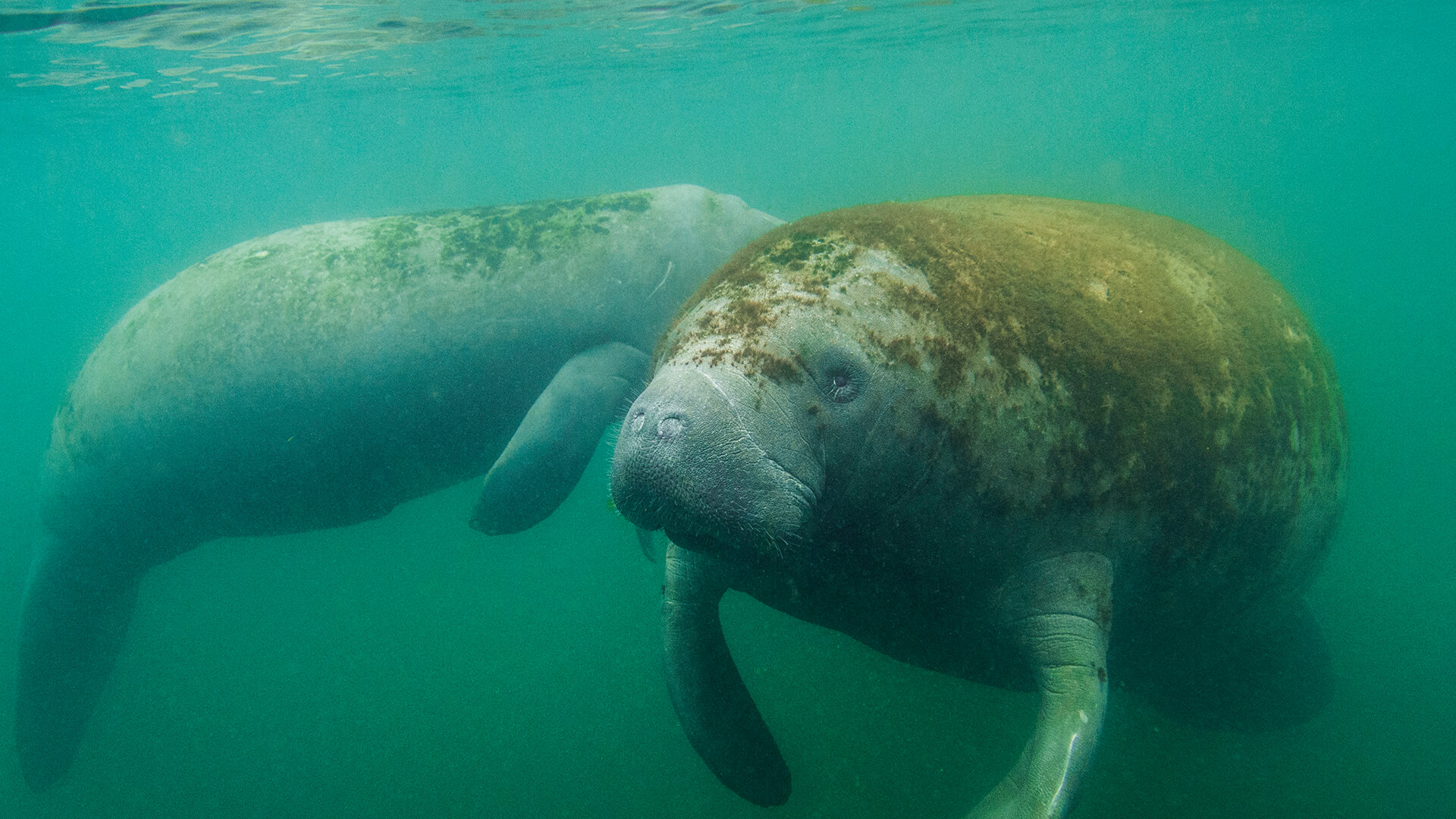
  • Manatees use their flexible, prehensile upper lips to grab and pull plants toward their mouths, much like an elephant uses its trunk. Their specialized teeth, which continuously grow and replace worn-down ones, help them grind tough vegetation.

2. Seagrass Meadows

  • Seagrass is a particularly important food source for manatees, especially for those that inhabit coastal areas. Manatees graze on several types of seagrasses, including manatee grass and shoal grass, which are found in the warm waters of the Caribbean, the Gulf of Mexico, and along the southeastern coast of the United States.
  • Seagrass is a highly nutritious food source, rich in essential nutrients like fiber and minerals. Manatees spend hours each day grazing on seagrass beds, helping to maintain the health of these underwater ecosystems.

3. Freshwater Plants

  • Manatees that live in freshwater rivers and estuaries primarily feed on freshwater plants, such as hydrilla, water lettuce, water hyacinths, and duckweed. These plants are abundant in warm, slow-moving waters, making them ideal feeding grounds for manatees.
  • Freshwater vegetation is softer than seagrass, but it still provides manatees with the necessary nutrients for survival. In regions like the Amazon River, the Amazonian manatee feeds on a wide variety of freshwater plants that grow along riverbanks.

4. Occasional Ingestion of Non-Plant Materials

  • Although manatees are herbivores, they may occasionally ingest non-plant materials such as small invertebrates or detritus (decaying plant matter) while foraging. These incidental inclusions are not a major part of their diet but may contribute some additional nutrients.

Feeding Habits and Energy Requirements

Manatees are large animals, with adults typically weighing between 400 and 600 kilograms (880–1,320 lbs), and they require a substantial amount of food to maintain their energy levels.

1. Daily Feeding Routine

  • Manatees can eat 10–15% of their body weight in vegetation daily, which means an adult manatee may consume between 30 and 60 kilograms (66–132 lbs) of plants each day. This constant need for food keeps manatees grazing for up to 8 hours a day.
  • They typically forage in shallow waters, where they can easily access seagrass beds and other aquatic plants. Manatees will slowly swim along the bottom, using their powerful tails to navigate while their lips pluck vegetation.

2. Slow Metabolism

  • Despite their large size, manatees have a slow metabolism, which is why they spend so much time feeding. This slow metabolic rate also means manatees are highly susceptible to cold stress, and they require warm water environments to maintain their body temperature.
  • Manatees have been observed migrating to warmer waters during colder months to avoid areas where aquatic plants die off in cooler temperatures, ensuring they have a constant supply of food year-round.

Ecological Role of Manatees

Manatees play a crucial role in their ecosystems by controlling plant growth and promoting the health of aquatic habitats. Their feeding behavior helps maintain the balance between plant growth and decay, preventing overgrowth and promoting biodiversity.

1. Maintaining Seagrass Beds

  • Manatees help keep seagrass beds healthy by grazing on the top layers of vegetation, which prevents the plants from growing too tall and blocking sunlight from reaching other parts of the seagrass bed. This allows for greater biodiversity within these ecosystems, supporting a variety of marine life.
  • By grazing on seagrasses, manatees also help recycle nutrients back into the environment through their waste, which can benefit the growth of seagrass and other aquatic plants.

2. Controlling Invasive Species

  • In freshwater environments, manatees play a role in controlling invasive plant species such as water hyacinth and hydrilla, which can choke waterways and outcompete native vegetation. By consuming large quantities of these plants, manatees help manage their populations and prevent them from overtaking habitats.

3. Nutrient Distribution

  • As manatees move through different habitats, they contribute to nutrient distribution. Their grazing and excretion of plant material help cycle nutrients through the water column, which can support the growth of other aquatic organisms.

Threats to Manatee Feeding Habits

Manatees face several threats that impact their ability to feed and thrive in their natural habitats. Many of these threats are related to human activity and environmental changes.

1. Loss of Seagrass Habitats

  • One of the most significant threats to manatees is the loss of seagrass habitats due to coastal development, pollution, and boat traffic. Seagrass meadows are highly sensitive to changes in water quality, and nutrient pollution from agriculture and urban runoff can lead to harmful algal blooms that block sunlight and kill seagrass beds.
  • In areas where seagrass has declined, manatees may struggle to find enough food, leading to malnutrition and population decline.

2. Water Pollution

  • Water pollution from agricultural runoff, sewage, and industrial waste can degrade manatee habitats and harm the plants they rely on for food. Pollution can also lead to the growth of toxic algae, which can poison manatees if consumed.
  • Poor water quality in rivers and coastal areas can reduce the availability of food and lead to long-term declines in manatee populations.

3. Boat Strikes and Habitat Disturbance

  • Boat strikes are a leading cause of injury and death for manatees, especially in areas with heavy boat traffic. Boats can damage seagrass beds, reducing available food for manatees, while injured manatees may struggle to forage effectively.
  • Habitat disturbance from coastal development and recreational activities can also disrupt feeding areas, forcing manatees to move to less suitable habitats in search of food.

Conservation Efforts for Manatees

Manatee populations are vulnerable to human activities, but conservation efforts have been implemented to protect their habitats and ensure their long-term survival.

1. Protection of Seagrass Habitats

  • Efforts to protect and restore seagrass meadows are critical for the conservation of manatees. Marine protected areas, habitat restoration projects, and regulations on coastal development help safeguard the ecosystems where manatees feed.
  • Reducing pollution and improving water quality are also essential for maintaining healthy seagrass habitats, ensuring that manatees have access to nutritious food.

2. Boat Speed Regulations

  • In areas where manatees are present, boat speed zones have been established to reduce the risk of collisions. These regulations help protect manatees from injury and minimize habitat disturbance, allowing them to feed safely.

3. Public Awareness and Education

  • Public awareness campaigns that educate people about the importance of manatees and their role in aquatic ecosystems have been crucial in garnering support for conservation efforts. By raising awareness of the threats manatees face, such as habitat loss and boat strikes, these campaigns encourage responsible behavior in areas where manatees live.

Conclusion

Manatees are gentle, herbivorous marine mammals that play a vital role in maintaining healthy aquatic ecosystems. Their diet consists mainly of seagrasses and freshwater plants, which they consume in large quantities to sustain their large bodies and slow metabolism. However, manatees face significant threats, including habitat loss, water pollution, and boat strikes, which affect their ability to find food and thrive. Conservation efforts focused on protecting their habitats, improving water quality, and raising public awareness are essential for ensuring the survival of manatees and the health of the ecosystems they inhabit.

Groundhog Food: The Diet of These Burrowing Herbivores

ppr-revolution.com – Groundhogs, also known as woodchucks, are burrowing rodents found across North America. As members of the marmot family, groundhogs are primarily herbivores, meaning they feed on a plant-based diet. They play an important role in their ecosystems, helping to maintain plant diversity by grazing on various vegetation. Groundhogs are particularly known for their hibernation habits, which affect their eating patterns as they prepare for the long winter months. In this article, we explore the typical diet of groundhogs, how their feeding changes with the seasons, and what to consider when feeding them in captivity.

1. Groundhog Diet Overview: Primarily Herbivorous, Occasionally Omnivorous

Groundhogs are mostly herbivores, feeding on a wide variety of plants. While they rely heavily on grasses, leaves, and vegetables, they may also consume insects and small animals occasionally for extra protein. Groundhogs are opportunistic feeders and adjust their diet based on the availability of food in their environment.

Key Components of a Groundhog’s Diet:

  • Grasses and clover: The primary food source.
  • Vegetables: Various garden plants and crops.
  • Fruits and berries: Seasonal favorites.
  • Insects and small animals: Consumed occasionally.

Although plant-based foods make up the majority of their diet, groundhogs may eat small amounts of animal matter when necessary.

2. Grasses and Clover: The Main Food Source

Grasses and clover are the most important part of a groundhog’s diet. These plants are rich in fiber and provide essential nutrients that groundhogs need to maintain their health and energy levels. Groundhogs are active grazers, feeding throughout the day to meet their nutritional needs.

Common Grasses and Clover Eaten by Groundhogs:

  • Timothy grass: Found in meadows and fields, this is a common food for groundhogs.
  • Bluegrass: A preferred grass found in many habitats.
  • Clover: A highly nutritious and favored plant for groundhogs.
  • Dandelions: Both the leaves and flowers are consumed.

Groundhogs graze on these plants during the warmer months when they are plentiful and easy to find.

3. Vegetables: A Garden Pest’s Favorite

Groundhogs are notorious for raiding gardens and eating various vegetables, making them a common pest for farmers and gardeners. Vegetables provide groundhogs with essential nutrients and are often easier to digest than grasses.

Common Vegetables Eaten by Groundhogs:

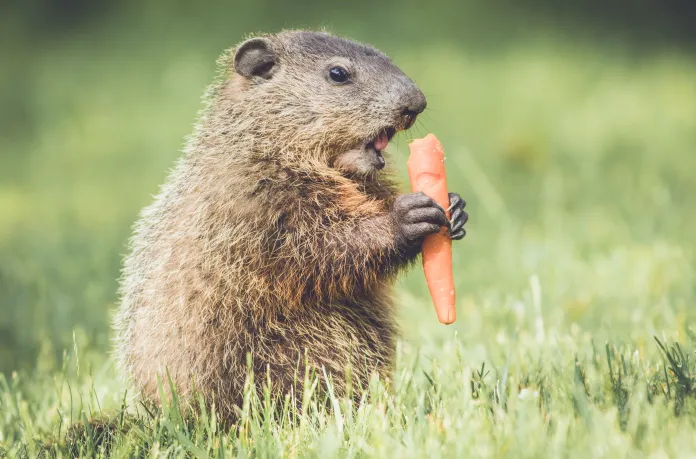
  • Carrots: Groundhogs love to dig up and eat carrots.
  • Lettuce and leafy greens: These are highly favored by groundhogs.
  • Beans: Groundhogs will often feed on bean plants.
  • Cucumbers and squash: Groundhogs enjoy these types of vegetables when they find them.

Gardeners often struggle to protect their crops from groundhogs due to the animals’ persistent foraging habits.

4. Fruits and Berries: Seasonal Delicacies

Fruits and berries are another important part of a groundhog’s diet, especially during the late summer and early fall. These foods provide groundhogs with sugars and vitamins that help them build up fat reserves for hibernation.

Common Fruits and Berries Eaten by Groundhogs:

  • Apples: Groundhogs will readily eat apples from orchards or gardens.
  • Berries: Blackberries, raspberries, and other wild berries are favorites.
  • Pears: If available, groundhogs may also consume pears.
  • Melons: Groundhogs are known to eat melons, especially watermelon, when they come across them.

Fruits and berries are an occasional but important food source, especially as groundhogs prepare for winter.

5. Insects and Small Animals: Occasional Protein

Although groundhogs are primarily herbivorous, they occasionally consume insects and small animals. This provides them with additional protein, particularly during the breeding season or when other food sources are scarce.

Common Animal Foods:

  • Insects: Groundhogs may eat grasshoppers, caterpillars, or beetles.
  • Snails and small amphibians: Occasionally eaten when foraging near water.
  • Bird eggs: In rare instances, groundhogs may raid nests for eggs.

These foods are not a staple of the groundhog’s diet but can be consumed when available.

6. Tree Bark and Plant Roots: Winter Survival Foods

During the colder months, groundhogs enter hibernation, but prior to that, they may eat tree bark and plant roots when other food sources are scarce. These harder-to-digest foods help them survive when fresh vegetation is not available.

Common Winter Foods for Groundhogs:

  • Tree bark: Groundhogs may strip bark from certain trees to access the inner layers.
  • Roots: Digging up roots of plants can provide essential nutrients during lean months.

These foods are typically consumed when groundhogs are preparing for hibernation, as they provide additional sustenance in a time of scarcity.

7. Feeding Habits and Hibernation

Groundhogs are known for their ability to hibernate through the winter, which greatly influences their feeding habits. During the warmer months, groundhogs must consume enough food to store fat, which sustains them through the long winter months when they remain in their burrows.

Hibernation and Food Storage:

  • Pre-hibernation weight gain: Groundhogs eat large amounts of food in late summer and early fall to build up their fat reserves.
  • Reduced activity: In the weeks leading up to hibernation, groundhogs become less active and focus on conserving energy.

Groundhogs spend most of the winter in a state of deep hibernation, relying on the fat reserves they’ve built up during the summer and fall.

8. Seasonal Changes in Diet

The diet of a groundhog changes with the seasons. In the spring and summer, they eat fresh grasses and clover, while in late summer and fall, they turn to fruits and vegetables to build up fat for hibernation. During the colder months, groundhogs may rely on tougher foods like bark and roots before hibernating.

Seasonal Foods:

  • Spring: Fresh grasses, clover, and early vegetables.
  • Summer: Grasses, leafy greens, and some fruits.
  • Fall: Fruits, vegetables, and late-season plants.
  • Winter: Tree bark and plant roots (pre-hibernation).

This seasonal diet allows groundhogs to adapt to the changing availability of food throughout the year.

9. Feeding Groundhogs in Captivity

If you are caring for a groundhog in captivity or in a wildlife rehabilitation setting, it is important to provide a balanced diet that mimics their natural food sources. Fresh vegetables, fruits, and grasses should make up the majority of their diet.

Ideal Foods for Captive Groundhogs:

  • Fresh grasses: Offer timothy hay, clover, and other grasses.
  • Leafy greens: Lettuce, kale, and dandelion greens are good options.
  • Vegetables: Carrots, cucumbers, squash, and beans are nutritious choices.
  • Fruits: Apples, pears, and berries can be given as occasional treats.

Avoid processed foods or sugary snacks, as these can be harmful to groundhogs’ health.

10. Conclusion

Groundhogs are primarily herbivorous animals that thrive on a diet rich in grasses, vegetables, fruits, and occasionally insects. Their diet changes with the seasons, and they eat more heavily in the late summer and fall to prepare for hibernation. Whether in the wild or captivity, groundhogs require a balanced, plant-based diet to remain healthy and energetic. Understanding their dietary needs and feeding behavior helps support their well-being throughout the year, particularly as they prepare for the challenges of winter hibernation.

The Majestic Rhinoceros: A Threatened Giant

ppr-revolution.com – Rhinoceroses, often referred to as rhinos, are among the largest land mammals on Earth. These ancient creatures have roamed the planet for millions of years, evolving into iconic symbols of strength and power. However, due to human activities such as poaching and habitat loss, many rhino species are now critically endangered.   

A Diverse Family

There are five extant species of rhinoceros:   

  1. White Rhinoceros: The largest of all rhino species, the white rhino is divided into two subspecies: the southern white rhino and the northern white rhino. While the southern white rhino population has recovered significantly due to conservation efforts, the northern white rhino is on the brink of extinction, with only two remaining individuals.   
  2. Black Rhinoceros: This species is smaller than the white rhino and is known for its distinctive hooked upper lip. Black rhinos are highly territorial and solitary animals.   
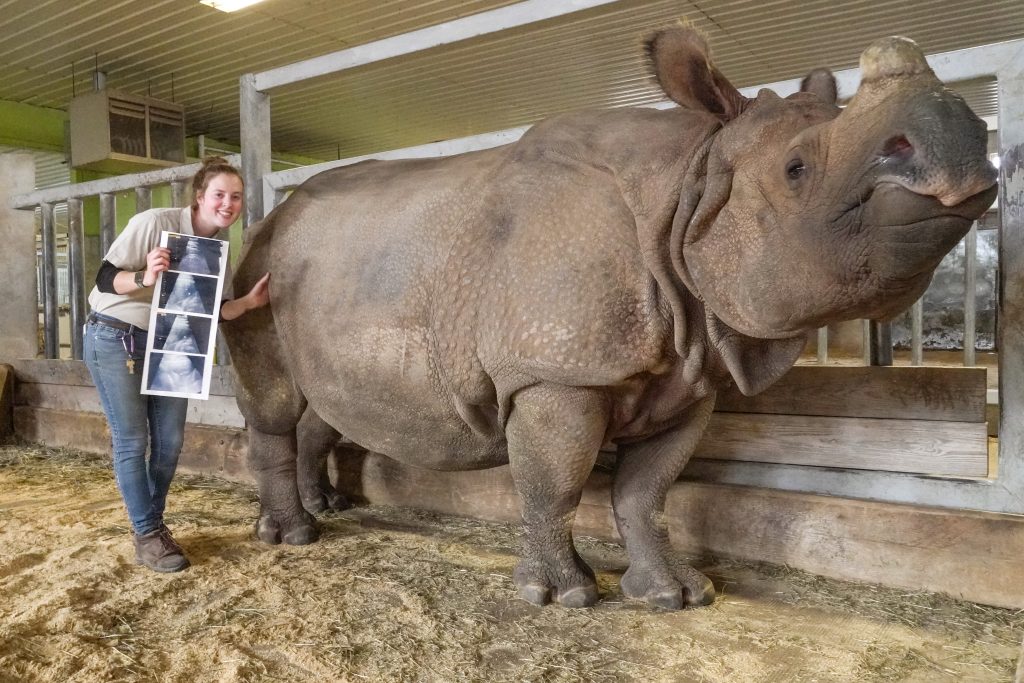
  3. Indian Rhinoceros: Also known as the greater one-horned rhino, this species is native to India and Nepal. It is characterized by its single, large horn and its thick, gray skin.   
  4. Javan Rhinoceros: One of the rarest mammals on Earth, the Javan rhino is critically endangered. It is found in a small population in Ujung Kulon National Park in Indonesia.   
  5. Sumatran Rhinoceros: The smallest of all rhino species, the Sumatran rhino is also one of the most endangered. It is distinguished by its two horns and its reddish-brown hair.   

Threats to Survival

Rhinoceroses face numerous threats, including:

  • Poaching: The primary threat to rhino populations is poaching for their horns, which are highly valued in traditional Chinese medicine.   
  • Habitat Loss: Human activities such as agriculture, mining, and infrastructure development have led to significant habitat loss for rhinos.   
  • Conflict with Humans: In some areas, rhinos may come into conflict with local communities, leading to injuries and deaths.   

Conservation Efforts

To protect these magnificent creatures, conservation organizations and governments worldwide are working tirelessly to combat poaching, restore habitats, and implement breeding programs. Anti-poaching patrols, community outreach programs, and international cooperation are crucial components of these efforts.   

A Hope for the Future

While the future of rhinos remains uncertain, there is hope. Through dedicated conservation efforts and increased public awareness, it is possible to protect these iconic animals and ensure their survival for generations to come. By appreciating the beauty and ecological significance of rhinos, we can play a vital role in their conservation.

The World of Wasps: More Than Just a Stinger

ppr-revolution.com – Wasps, often feared for their sting, are a diverse and ecologically important group of insects belonging to the order Hymenoptera (which also includes bees and ants). While some species are indeed known for their aggressive behavior, the vast majority of wasps play crucial roles in ecosystems as predators, pollinators, and parasitoids. This article delves into the fascinating world of wasps, exploring their biology, life cycle, diverse forms, ecological significance, and interactions with humans.  

Physical Characteristics: A Diverse Group with Common Traits

Wasps share some common physical characteristics, although there is significant variation among different species:

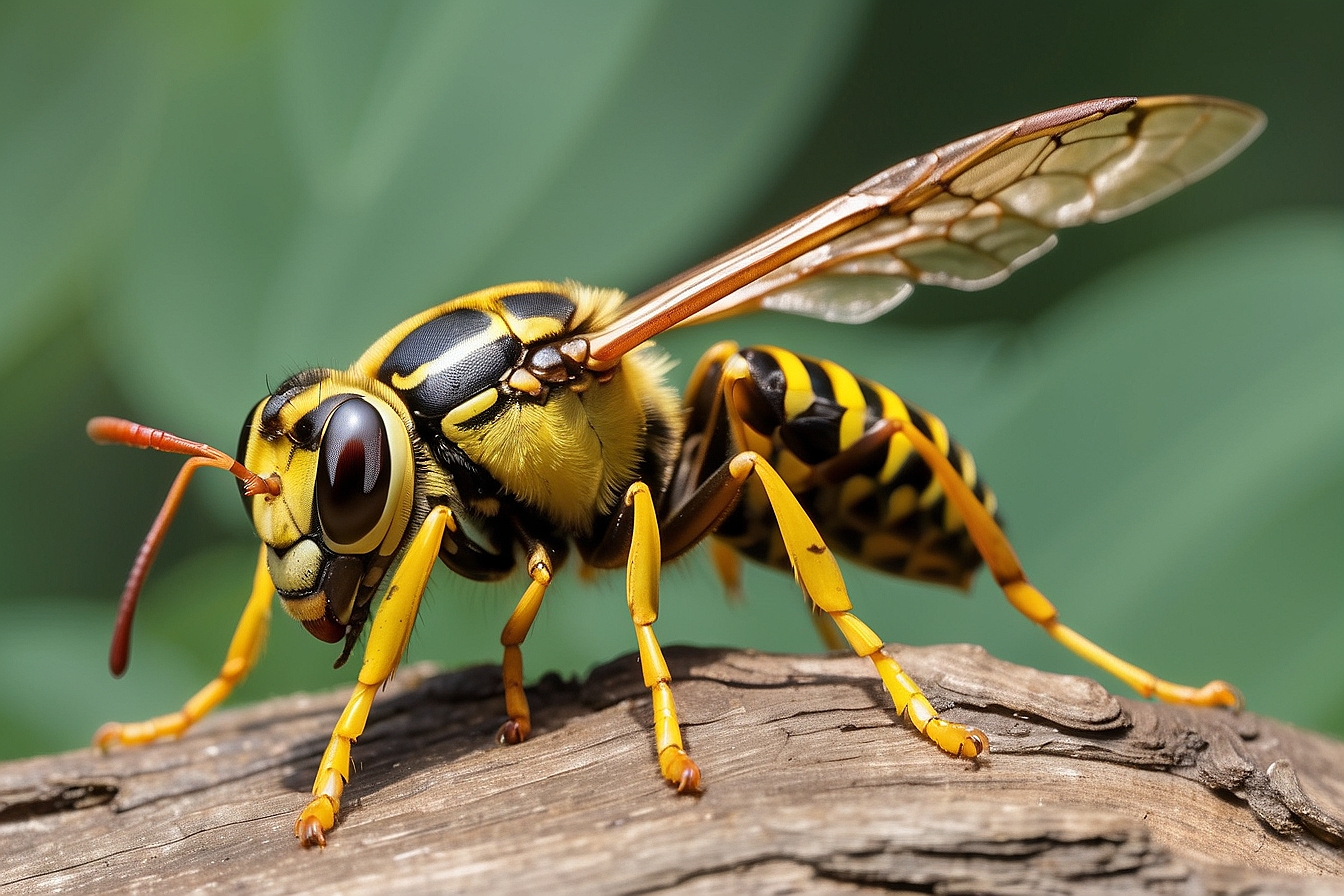
  • Body Segmentation: Like other insects, wasps have a body divided into three main segments: head, thorax, and abdomen.   
  • Waist (Petiole): A narrow constriction, called a petiole, connects the thorax and abdomen, giving wasps their characteristic “waisted” appearance.   
  • Wings: Most wasps have two pairs of membranous wings, although some wingless species exist.   
  • Antennae: They have antennae that vary in length and shape depending on the species.
  • Stinger (Ovipositor): In females, the ovipositor (egg-laying tube) is modified into a stinger, used for defense and paralyzing prey. Males do not have stingers.   

Life Cycle: Complete Metamorphosis

Wasps undergo complete metamorphosis, with four distinct life stages:   

  • Egg: Eggs are typically laid in nests, on or in hosts (in the case of parasitoid wasps), or in other suitable locations.   
  • Larva: The larvae are legless and maggot-like. They are fed by the adults (or by the host in the case of parasitoids).   
  • Pupa: The larva pupates, transforming into an adult wasp within a protective casing.   
  • Adult: The adult wasp emerges from the pupa, ready to reproduce.   

Diversity and Classification: A Vast and Varied Group

Wasps are incredibly diverse, with tens of thousands of described species classified into various groups:

  • Social Wasps: These wasps live in colonies with a division of labor, including queens, workers, and males. Examples include hornets, yellowjackets, and paper wasps.   
  • Solitary Wasps: These wasps live individually and do not form colonies. Examples include mud daubers, potter wasps, and digger wasps.   
  • Parasitoid Wasps: These wasps lay their eggs on or in other insects or arthropods. The wasp larvae then consume the host, eventually killing it.   

Habitat and Distribution: Found in Diverse Environments

Wasps are found in a wide range of habitats across the globe, from forests and meadows to deserts and urban areas.

Feeding and Diet: Diverse Feeding Habits

Wasps exhibit diverse feeding habits:

  • Predators: Many wasps are predators, feeding on other insects and arthropods.   
  • Nectar Feeders: Some wasps feed on nectar and pollen, acting as pollinators.   
  • Scavengers: Some wasps scavenge for food, feeding on carrion and other organic matter.   
  • Parasitoids: Parasitoid wasps feed on their hosts, eventually killing them.

Behavior and Social Structure: From Solitary to Social

Wasps exhibit a wide range of behaviors:

  • Nest Building: Social wasps build complex nests from paper-like material made from chewed wood pulp. Solitary wasps build nests in various locations, such as mud nests, burrows in the ground, or cavities in wood.   
  • Social Behavior: Social wasps exhibit complex social structures with a division of labor.   
  • Hunting and Foraging: Wasps use various strategies for hunting and foraging, depending on the species and their prey.

Ecological Roles: Predators, Parasitoids, and Pollinators

Wasps play crucial roles in ecosystems:

  • Pest Control: Many wasps are important natural enemies of agricultural pests, helping to control their populations.   
  • Pollination: Some wasps are pollinators, especially for certain plants.   
  • Nutrient Cycling: Some wasps contribute to nutrient cycling by scavenging on carrion.   

Wasps and Humans: Interactions and Impacts

Wasps have various interactions with humans:

  • Stings: Wasp stings can be painful and, in some cases, can cause allergic reactions.   
  • Pest Control: Wasps are beneficial in controlling populations of agricultural pests.   
  • Pollination: Some wasps contribute to pollination of crops and other plants.   

Threats and Conservation: Habitat Loss and Pesticide Use

Wasp populations can be affected by:

  • Habitat Loss: The destruction of natural habitats can reduce wasp populations.
  • Pesticide Use: The use of insecticides can directly kill wasps and harm their food sources.

Conclusion: Appreciating the Wasp’s Complex Role

Wasps are a diverse and ecologically important group of insects. While some species are known for their stings, the vast majority play crucial roles in ecosystems as predators, parasitoids, and pollinators. By understanding their biology, behavior, and the threats they face, we can better appreciate their complex role in the natural world and take steps to protect their populations.