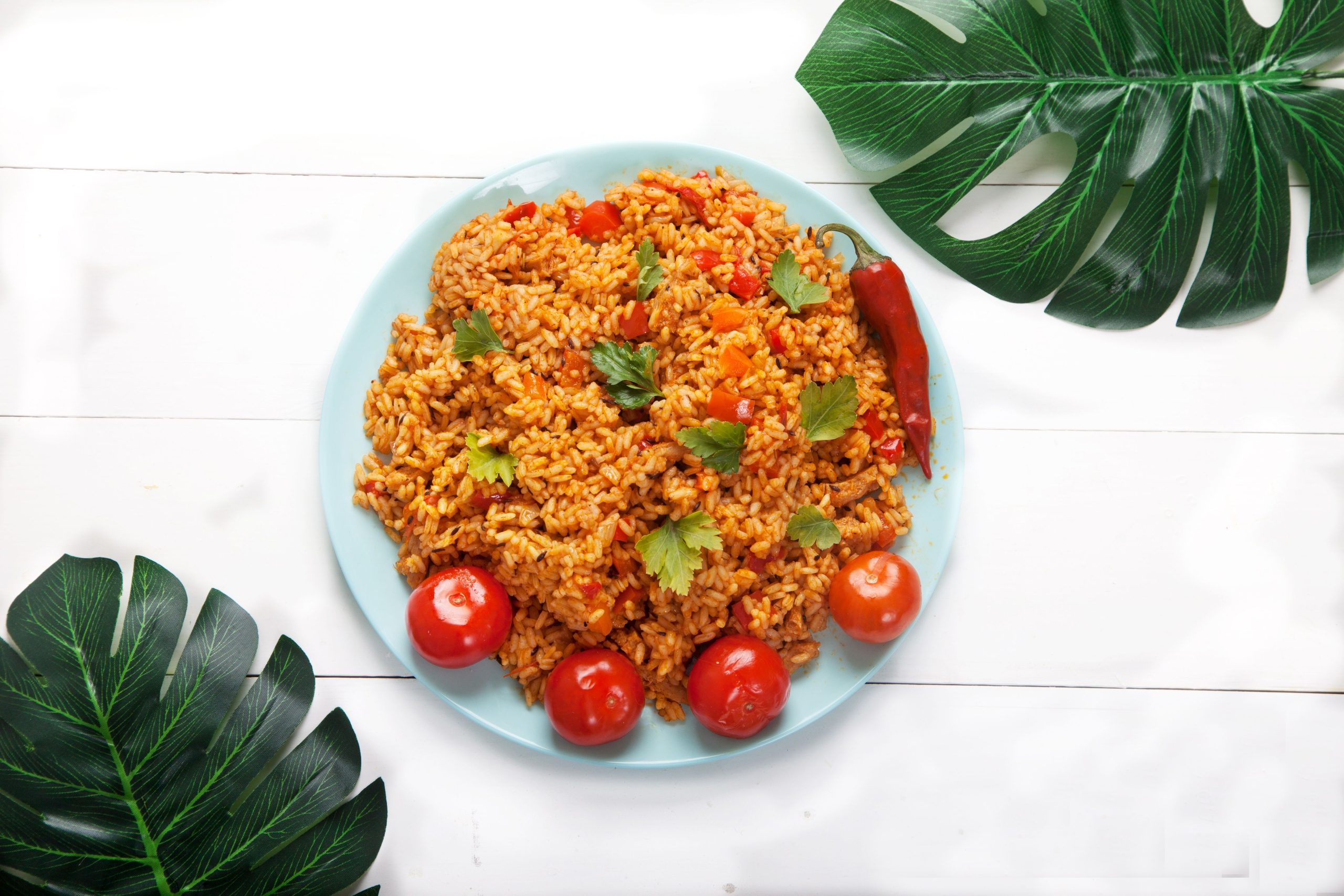
ppr-revolution.com – Jollof rice, a vibrant and flavorful dish made with rice, tomatoes, onions, peppers, and a medley of spices, reigns supreme as a culinary icon across West Africa. This beloved staple is not just food; it’s a cultural symbol, a source of friendly rivalry between nations, and a testament to the region’s rich culinary heritage. From casual family meals to festive celebrations, Jollof rice is a dish that brings people together.
Origins and the “Jollof Wars”
The precise origins of Jollof rice are debated, with both Senegal (where it’s known as thieboudienne) and the ancient Jolof Empire claiming its invention. Thieboudienne is considered by many to be the precursor to modern Jollof, featuring fish, rice, and vegetables cooked in a rich tomato-based sauce. Over time, variations of the dish spread throughout West Africa, leading to the development of distinct regional styles.
This spread has also fueled the infamous “Jollof Wars,” a lighthearted but passionate rivalry between West African nations, particularly Nigeria and Ghana, over whose Jollof rice is the best. Each country boasts unique preparation methods and flavor profiles, leading to endless debates and friendly competition.
Key Ingredients: Building Layers of Flavor
Jollof rice is characterized by its complex and layered flavors, derived from a combination of fresh ingredients and aromatic spices. The key components include:
- Rice: Long-grain parboiled rice is typically used, as it holds its shape well during cooking and absorbs the flavors of the sauce.
- Tomatoes: Fresh tomatoes are essential for the base of the sauce, providing sweetness and acidity. Tomato paste is often added for a deeper color and richer flavor.
- Onions: Onions form the aromatic base of the sauce, adding sweetness and depth.
- Peppers: Scotch bonnet peppers or other hot peppers are used for heat, while bell peppers can add sweetness and color.
- Spices: A blend of spices is crucial for Jollof’s distinctive flavor. Common spices include bay leaves, thyme, curry powder (often a West African blend), ginger, garlic, and sometimes nutmeg or cloves.
- Oil: Vegetable oil or palm oil is used for cooking the sauce and frying the ingredients.
- Stock or Broth: Chicken or vegetable stock is often used to cook the rice, adding another layer of flavor.
Preparing Jollof Rice: A Step-by-Step Process
While variations exist, the basic process of making Jollof rice involves several key steps:
- Preparing the Pepper Mix: Tomatoes, onions, peppers, and sometimes ginger and garlic are blended into a smooth paste. This is the foundation of the Jollof sauce.
- Cooking the Sauce: Oil is heated in a large pot, and the blended pepper mix is added and cooked down until the raw flavors are reduced and the sauce thickens. Tomato paste is often added at this stage.
- Adding Spices and Aromatics: The spices and aromatics (bay leaves, thyme, etc.) are added to the sauce and cooked briefly to release their flavors.
- Adding Stock or Broth: Stock or broth is added to the sauce, bringing it to a simmer.
- Adding the Rice: The rice is added to the simmering sauce, ensuring that the liquid covers the rice completely.
- Cooking the Rice: The rice is cooked over low heat until all the liquid is absorbed and the rice is tender. The pot is often covered tightly to trap steam and ensure even cooking.
- Smoking (Optional): Some variations of Jollof rice involve a smoking process, either by cooking the rice over a wood fire or by adding smoked paprika or other smoked ingredients. This adds a distinct smoky flavor.
Regional Variations: A Taste of Different Styles
As Jollof rice spread throughout West Africa, distinct regional variations emerged, each with its own unique characteristics.
- Nigerian Jollof: Often characterized by its smoky flavor, vibrant reddish-orange color, and use of long-grain parboiled rice. It’s known for its party Jollof, cooked in large quantities over a wood fire.
- Ghanaian Jollof: Often uses basmati rice, resulting in a lighter texture. It can be spicier and often includes more vegetables.
- Senegalese Thieboudienne: Considered by some to be the ancestor of Jollof, it features fish, rice, and vegetables cooked in a rich tomato-based sauce.
Serving and Enjoying Jollof Rice
Jollof rice is typically served hot and can be enjoyed on its own or with various accompaniments, such as:
- Grilled or Fried Chicken: A classic pairing with Jollof rice.
- Plantains: Fried or baked plantains add a sweet contrast to the savory rice.
- Salad: A simple salad provides a refreshing element.
- Moi Moi: A steamed bean pudding.
Jollof Rice: More Than Just a Dish
Jollof rice has transcended its status as a simple meal to become a cultural symbol of West Africa. It represents unity, celebration, and the region’s rich culinary heritage. The “Jollof Wars” are a testament to the passion and pride that West Africans have for this beloved dish. Whether you prefer Nigerian, Ghanaian, or another regional style, Jollof rice is a culinary experience that is sure to delight the senses.