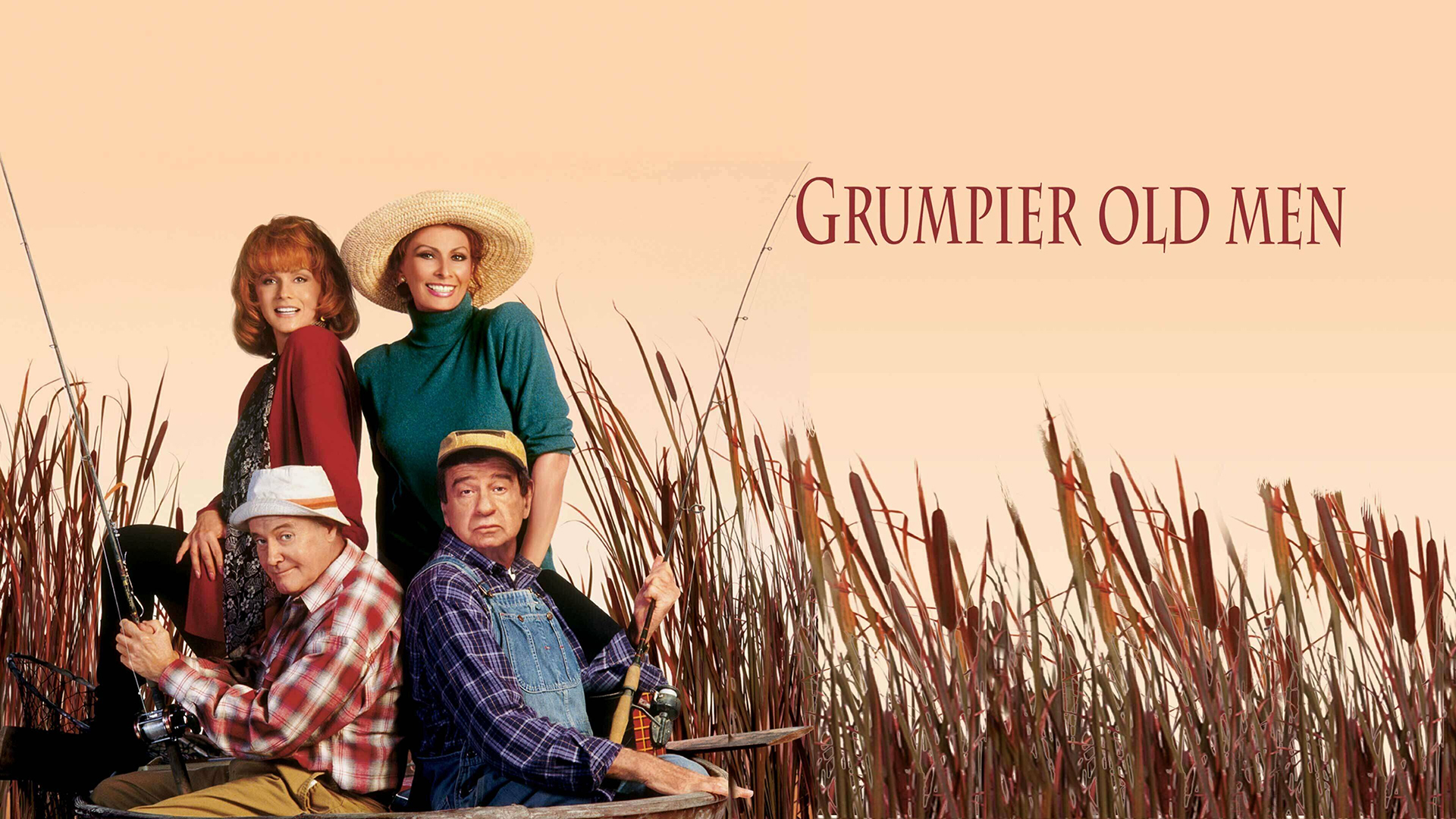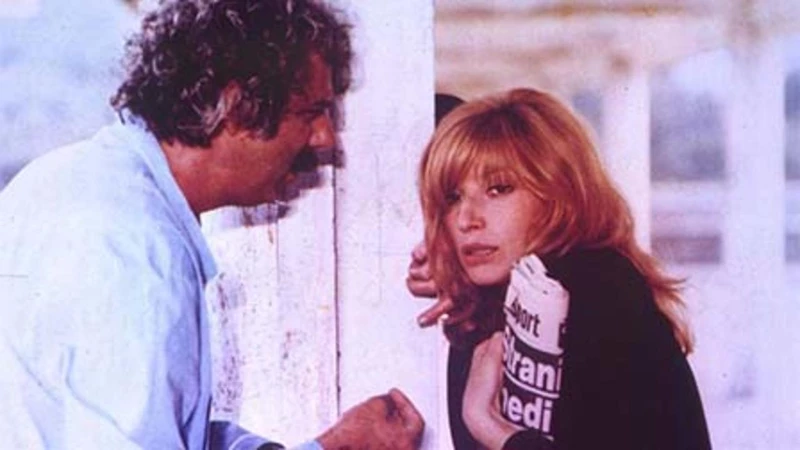
Flirt (1983): A Playful Exploration of Love, and Infidelity

ppr-revolution.com “Flirt” (1983) is a romantic comedy directed by Nanni Loy, known for his adept handling of social commentary and humor in Italian cinema. The film, starring Giancarlo Giannini, Francesca Neri, and Jean-Louis Trintignant, delves into the intricate dynamics of modern relationships, exploring themes such as infidelity, jealousy, and the blurred lines between love and desire. Set against the backdrop of contemporary Italy, “Flirt” combines humor, emotional depth, and insightful social observations to create an engaging narrative about the complexities of romantic entanglements.

Plot Overview

“Flirt” revolves around the life of Luca (played by Giancarlo Giannini), a seemingly content and happily married man whose stable life begins to unravel when he finds himself caught in a series of flirtations and emotional entanglements. The film opens with Luca’s initial complacency in his marriage to Carla (played by Francesca Neri), with whom he shares a comfortable but routine life. However, Luca’s world is shaken when he meets a mysterious woman named Sophie (played by Jean-Louis Trintignant), a seductive and confident character who captures his attention and throws him into a whirlwind of emotions.

Luca’s flirtation with Sophie is initially harmless but gradually evolves into an affair that challenges his relationship with Carla. As Luca’s desire for the thrill of infidelity grows, he finds himself torn between the comfort and stability of his marriage and the excitement and passion that Sophie represents. The film explores the tension between Luca’s emotional attachment to his wife and his growing attraction to Sophie, highlighting the complexities of romantic commitment and the lure of temptation.

Throughout the film, Luca’s internal struggle is mirrored by the reactions of those around him, including his best friend Marco (played by Giancarlo Giannini), who offers him advice, and Sophie, whose intentions remain unclear. The film plays with the concept of flirting as both a physical act and an emotional game, exposing the fragility of trust, the allure of forbidden love, and the consequences of infidelity.

Themes: Love, Infidelity, and the Illusions of Romance

At its heart, “Flirt” is a film about the tension between love and infidelity. The central theme revolves around the idea that romantic relationships are often fraught with emotional complexities, where desire, passion, and loyalty can clash in unexpected ways. Luca’s flirtations serve as a metaphor for the desire to escape the monotony of daily life, yet they also expose the fragility of human connection and the dangers of seeking excitement outside the confines of a committed relationship.

The film also delves into the illusion of romance. Luca’s initial attraction to Sophie seems like a moment of liberation from the restrictions of marriage, but as the affair deepens, the reality of his emotions and the consequences of his actions begin to unravel. This disillusionment is an important theme in the film, as it suggests that the pursuit of passion outside of a relationship is often not as fulfilling or meaningful as one might hope. The film uses Luca’s flirtations to explore the emotional cost of infidelity and the emptiness that often accompanies the thrill of new love.

Jealousy is another central theme explored in the film. As Luca’s affair progresses, both he and Carla experience moments of jealousy and insecurity, which further complicate their already fragile relationship. The film underscores how the introduction of a third party can destabilize trust in a marriage and ignite feelings of possessiveness and suspicion. It also touches on the games that people play in relationships, where the lines between love, desire, and manipulation often blur.

Another theme explored in “Flirt” is the modern view of commitment and how contemporary relationships are often tested by the pull of desire and the temptation to break free from established norms. The film critiques how individuals often seek to preserve their sense of personal freedom at the expense of emotional connections, raising questions about whether true commitment is achievable in a world full of distractions and fleeting attractions.

Performances: Giancarlo Giannini, Francesca Neri, and Jean-Louis Trintignant

The performances in “Flirt” are a significant strength of the film, with each actor bringing depth and nuance to their respective roles. Giancarlo Giannini, known for his ability to portray both comedic and dramatic characters with equal skill, excels as Luca, the conflicted protagonist torn between his loyalty to his wife and his attraction to Sophie. Giannini perfectly captures the inner turmoil of a man who finds himself at a crossroads, struggling to reconcile his desires with his responsibilities. His performance is both humorous and poignant, allowing the audience to empathize with his character despite his flaws.

Francesca Neri, as Carla, delivers a strong performance as Luca’s wife, a woman who is at first unaware of her husband’s infidelity but eventually confronts the emotional challenges of their relationship. Neri’s portrayal of Carla conveys a sense of quiet strength and vulnerability, making her a relatable and sympathetic character. As the film progresses, Carla’s emotional journey reflects the deep hurt caused by betrayal, and Neri’s performance captures the complexity of her character’s emotional arc.

Jean-Louis Trintignant, playing Sophie, brings a layer of mystery and allure to the film. Sophie is the catalyst for Luca’s emotional turmoil, and Trintignant plays her with a subtle, seductive charm that makes her both enigmatic and captivating. The character of Sophie remains somewhat elusive, and Trintignant’s performance adds to the sense of intrigue and uncertainty surrounding her intentions. Her presence in the film challenges Luca’s perception of love and commitment, and Trintignant masterfully portrays the ambiguity of her character.

The interactions between the three leads create a palpable tension, with each actor contributing to the film’s exploration of love, desire, and infidelity. The chemistry between Giannini, Neri, and Trintignant elevates the film, making it both emotionally resonant and thematically rich.

Direction and Cinematic Style

Nanni Loy’s direction in “Flirt” combines humor and drama to create a film that is both lighthearted and thought-provoking. Loy expertly navigates the delicate balance between the comedic elements of the film and the deeper emotional conflicts at play. His direction ensures that the film remains engaging, with moments of levity and romance mixed with a subtle critique of modern relationships.

The film’s pacing is steady, allowing the narrative to unfold at a natural rhythm as the characters’ emotions and motivations become increasingly complicated. Loy uses the interactions between the characters to explore their psychological states, often focusing on their reactions to moments of tension, jealousy, and desire.

The cinematography, by Giuseppe Ruzzolini, complements the film’s tone, using intimate close-ups to capture the characters’ internal struggles while also employing wider shots to highlight the social dynamics at play. The film’s visual style reflects the emotional and physical distance between the characters, especially as Luca’s affair becomes more complicated.

The score, composed by Franco Piersanti, adds to the film’s emotional depth, underscoring the romantic tension between the characters. The music is subtle and evocative, enhancing the film’s mood and helping to convey the shifting emotional landscape as Luca navigates the complexities of his relationships.

Reception and Legacy

“Flirt” was met with generally positive reviews upon its release, with critics praising its exploration of romantic relationships and its ability to balance humor with emotional depth. The film’s insightful treatment of infidelity, desire, and the human condition resonated with audiences, particularly in Italy, where the themes of the film mirrored the complexities of contemporary Italian society. The performances by Giancarlo Giannini, Francesca Neri, and Jean-Louis Trintignant were widely appreciated, with Giannini’s portrayal of the conflicted protagonist earning particular praise.

Over time, “Flirt” has become recognized as an important work in Nanni Loy’s career, contributing to the Italian filmmaker’s legacy as a director who could blend social commentary with humor and emotional exploration. The film’s themes of love, infidelity, and the search for personal freedom remain relevant, and its engaging performances and witty dialogue continue to make it a memorable and insightful film.

Conclusion

“Flirt” (1983) is a captivating romantic comedy that examines the complexities of love, infidelity, and human desire. Through the performances of Giancarlo Giannini, Francesca Neri, and Jean-Louis Trintignant, the film explores the emotional tensions that arise in relationships, questioning the nature of commitment and the illusions of romance. Nanni Loy’s direction combines humor with emotional depth, making “Flirt” both an entertaining and thought-provoking exploration of the fragility of love and the consequences of seeking excitement outside of a committed relationship. Its themes and performances have ensured its place as a notable film in Italian cinema.
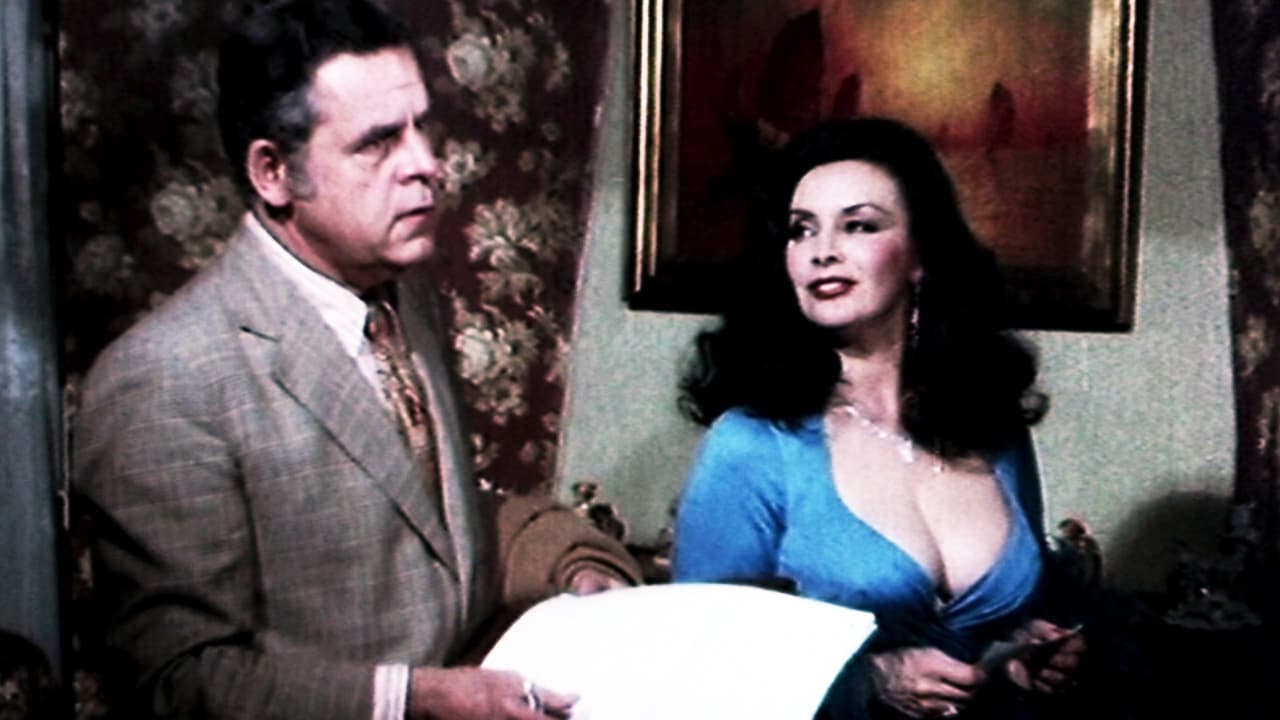
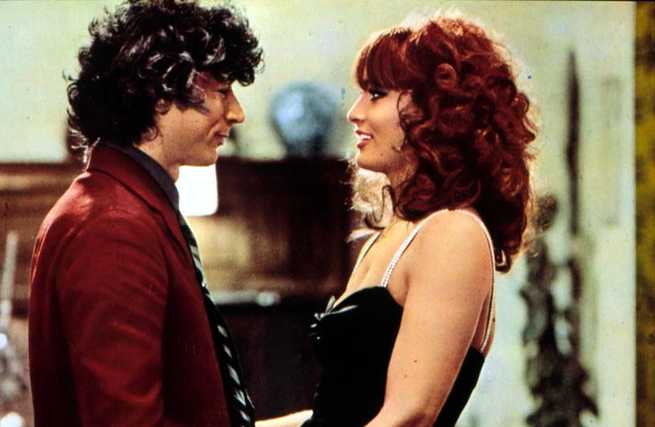
Last Love in Tierra del Fuego (1979): A Exploration of Love

ppr-revolution.com – Last Love in Tierra del Fuego (1979) is an Argentine erotic drama film directed by Armando Bó and starring the iconic Isabel Sarli. This provocative film delves into themes of love, lust, obsession, and the complexities of human relationships. 

A Tale of Forbidden Love

Set against the stunning backdrop of Tierra del Fuego, the film follows the story of a passionate woman who becomes involved in a forbidden love affair with a younger man. Their intense connection challenges societal norms and expectations, leading to a series of passionate encounters and emotional turmoil. The film explores the power of love to both liberate and destroy, as the characters grapple with the consequences of their desires.

The Erotic Cinema of Armando Bó

Armando Bó was a prominent figure in Argentine cinema, known for his explicit and controversial films that pushed the boundaries of censorship. Last Love in Tierra del Fuego is a quintessential example of Bó’s work, featuring stunning visuals, passionate performances, and explicit love scenes. The film’s eroticism is both sensual and provocative, exploring the depths of human desire.

The Enduring Legacy of Isabel Sarli

Isabel Sarli, the leading lady of Last Love in Tierra del Fuego, is often referred to as the “Argentine sex symbol.” Her performances in Bó’s films helped to redefine the image of women in Argentine cinema, challenging traditional stereotypes and exploring the complexities of female sexuality. Sarli’s portrayal of passionate and independent women continues to inspire and captivate audiences.  

A Product of Its Time

Last Love in Tierra del Fuego is a product of its time, reflecting the social and cultural climate of the late 1970s. The film’s explicit content and provocative themes were a response to the sexual revolution and the growing openness to discussions about sexuality. However, it is important to view the film through a historical lens, recognizing the limitations of its time and the evolving understanding of gender and sexuality.

Conclusion

Last Love in Tierra del Fuego remains a controversial and divisive film, but it has undeniably left a lasting impact on cinema. It is a testament to the enduring power of love, lust, and obsession. The film continues to spark debate and controversy, prompting viewers to consider the ethical implications of explicit content and the representation of women in film. Despite its provocative nature, Last Love in Tierra del Fuego is a captivating and visually stunning film that offers a glimpse into the complexities of human desire.

Loves, Beds and Betrayals: A Farcical Comedy of Errors

ppr-revolution.com – Released in 1976, Loves, Beds and Betrayals (also known as Amori, letti e tradimenti) is an Italian comedy film directed by Alfonso Brescia. This film is a classic example of Italian comedies from the 1970s, known for their raunchy humor, over-the-top characters, and farcical plots.   

A Farcical Plot

The film centers around a wealthy businessman, Commendatore Mordacchia, who attempts to acquire land from a simple shepherd, Baldo. In a series of comedic misadventures, Mordacchia’s plans are thwarted by Baldo’s cunning and the unexpected arrival of various colorful characters, including a seductive seductress and a mischievous young woman.

A Comedy of Manners

Loves, Beds and Betrayals is a comedy of manners, satirizing the upper and lower classes of Italian society. The film pokes fun at the hypocrisy, greed, and sexual obsession of the wealthy, while also celebrating the resilience and ingenuity of the working class.

A Visual Feast

The film is visually appealing, with its picturesque Italian countryside setting and lavishly decorated interiors. The costumes and hairstyles of the characters are also a visual delight, reflecting the fashion trends of the 1970s.

A Cult Classic

Although not a critically acclaimed film, Loves, Beds and Betrayals has gained a cult following over the years. Its unique blend of humor, sex, and satire has made it a popular choice for fans of Italian comedies.

A Fun and Frothy Entertainment

Loves, Beds and Betrayals is a fun and frothy entertainment that offers plenty of laughs and titillation. While the film’s humor may not appeal to all tastes, it is undeniably a product of its time and a testament to the creativity of Italian filmmakers.

“Six Thirty” by Ariana grande: A Late-Night Love Song

ppr-revolution.com – “Six Thirty” is a captivating track from Ariana Grande’s 2020 album, Positions. This sultry and intimate song explores the depths of a passionate relationship, painting a picture of late-night intimacy and unconditional love.   

A Melodic Masterpiece

The song’s production is characterized by its smooth, R&B-infused sound. The minimalist instrumentation, coupled with Grande’s velvety vocals, creates a sensual and dreamy atmosphere. The repetitive chorus, “Six thirty, down like six thirty,” establishes a hypnotic rhythm that draws the listener in.

A Vulnerable Lyrical Expression

“Six Thirty” delves into the raw emotions of love and vulnerability. Grande’s lyrics express a deep connection with her partner, exploring themes of intimacy, trust, and unconditional love. The song captures the feeling of being completely lost in someone, and the fear of losing them.

A Fan Favorite

Since its release, “Six Thirty” has become a fan favorite, praised for its honest lyrics, sensual delivery, and captivating melody. The song has been widely acclaimed for its ability to evoke strong emotions and create a romantic atmosphere.

A Timeless Classic

“Six Thirty” is a timeless classic that continues to resonate with listeners. Its honest lyrics, beautiful melody, and sensual delivery make it a standout track in Ariana Grande’s discography. The song’s exploration of love, vulnerability, and the fear of loss is a universal theme that will continue to resonate with audiences for years to come.

Grumpier Old Men (1995): A Delightful Sequel of Laughter & Love

ppr-revolution.com – “Grumpier Old Men,” the 1995 sequel to the hit comedy “Grumpy Old Men,” reunites audiences with the charmingly cantankerous duo of John Gustafson and Max Goldman, played by the legendary Jack Lemmon and Walter Matthau. Directed by Howard Deutch, the film continues to explore the comedic yet heartwarming dynamics of friendship, rivalry, and romance in a small Minnesota town.

Plot Overview

The film picks up where its predecessor left off, with John and Max still living as feuding neighbors. Their rivalry is reignited with the arrival of a new character, Maria Ragetti (Sophia Loren), who plans to turn the town’s cherished bait shop into an Italian restaurant. As John and Max struggle to come to terms with this change, romantic entanglements and comedic misunderstandings ensue.

The storyline also delves into the personal lives of the characters, focusing on the relationships between John’s father, Grandpa Gustafson (Burgess Meredith), and Max’s son, Jacob (Kevin Pollak), with Melanie (Daryl Hannah), John’s daughter, adding layers of family dynamics and emotional depth.

Themes and Analysis

“Grumpier Old Men” explores themes of friendship, love, and the acceptance of change. The film humorously illustrates how aging does not diminish one’s capacity for romance or adventure. It also underscores the idea that true friendship can withstand and even thrive on rivalry, as seen in the enduring bond between John and Max.

The film highlights the complexities of family relationships and the importance of community, emphasizing how shared experiences and mutual support can create lasting connections. Through its comedic lens, “Grumpier Old Men” also offers a poignant reflection on growing old gracefully.

Performances and Direction

Jack Lemmon and Walter Matthau deliver stellar performances, their chemistry as a comedic duo remaining as sharp as ever. Sophia Loren adds a touch of elegance and charm, bringing a new dynamic to the film with her role as Maria. The supporting cast, including Ann-Margret, Kevin Pollak, and Burgess Meredith, contribute to the film’s humor and heart.

Director Howard Deutch successfully captures the essence of the original film while introducing fresh elements to keep the sequel engaging. The screenplay by Mark Steven Johnson provides witty dialogue and humorous situations that showcase the talents of the ensemble cast.

Cultural Impact

Although “Grumpier Old Men” did not achieve the same level of critical acclaim as its predecessor, it was well-received by audiences who appreciated the return of beloved characters and the continuation of their story. The film’s success solidified the enduring appeal of Lemmon and Matthau as one of cinema’s most iconic comedic pairings.

Conclusion

“Grumpier Old Men” is a delightful sequel that captures the humor and heart of its predecessor while introducing new elements of romance and rivalry. Its comedic exploration of friendship, love, and aging continues to resonate with audiences, making it a cherished addition to the legacy of Jack Lemmon and Walter Matthau.