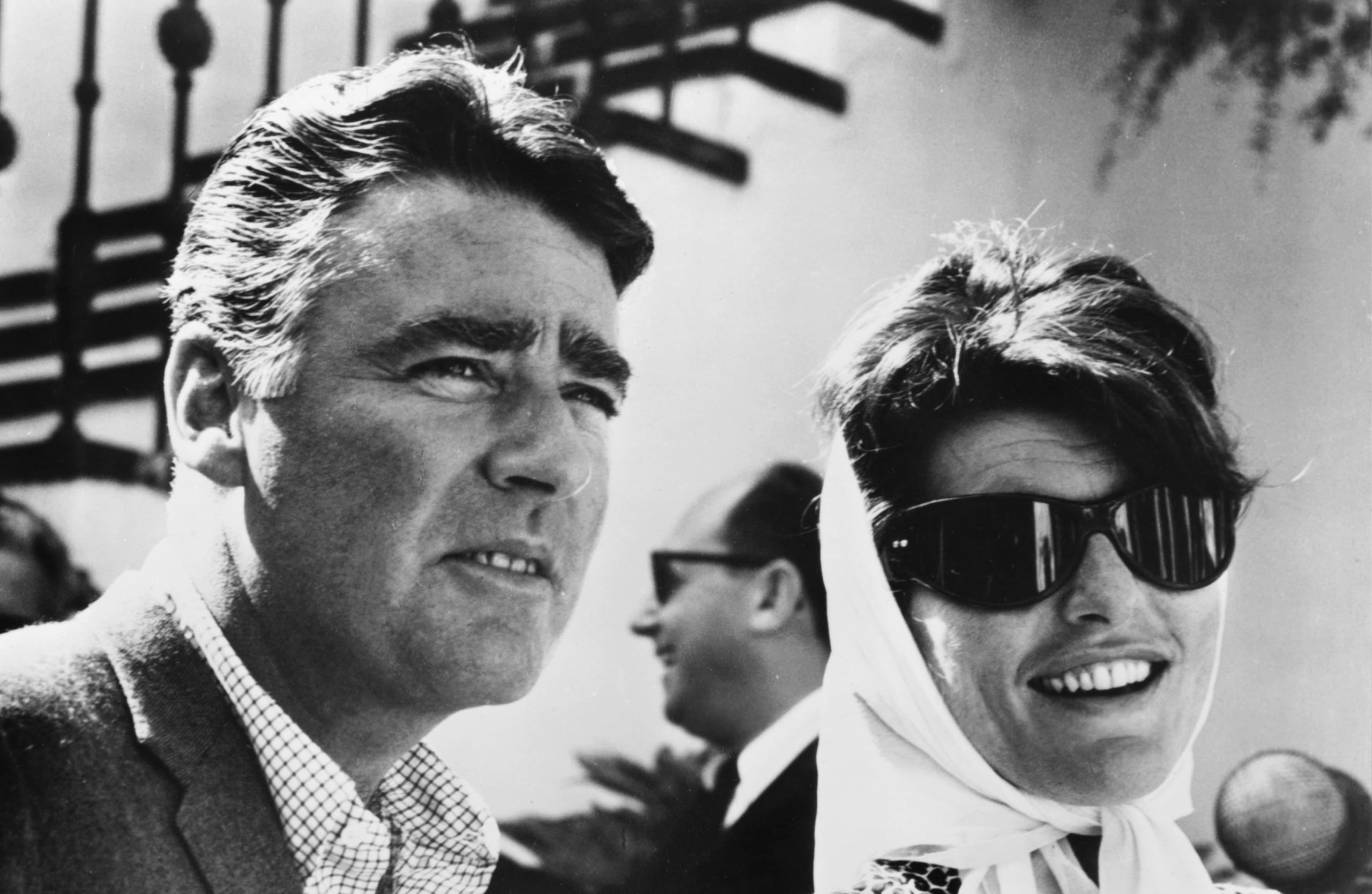
Johnny Cool (1963) – A Classic Crime Drama

ppr-revolution.com – “Johnny Cool,” released in 1963, is a gripping crime drama that delves into the world of organized crime and revenge. Directed by William Asher and based on the novel “The Kingdom of Johnny Cool” by John McPartland, this film stands out as an intriguing representation of 1960s cinema. It combines elements of drama, action, and suspense, offering audiences a compelling narrative that explores themes of loyalty, betrayal, and the quest for power.

Plot Overview

The film follows the story of Johnny Colini, a Sicilian outlaw who is brought to America under the new identity of Johnny Cool. Sent by a powerful exiled crime boss, Johnny is tasked with a mission of retribution against those who betrayed his mentor. As he navigates through the intricate web of the American underworld, Johnny Cool becomes a formidable force, feared by his enemies and respected by his allies.

Characters and Performances

Henry Silva stars as the titular character, Johnny Cool, delivering a performance that encapsulates the character’s cold and calculating nature. Elizabeth Montgomery co-stars as Darien ‘Dare’ Guinness, a socialite who becomes embroiled in Johnny’s dangerous world. The film also features a strong supporting cast, including Telly Savalas, Mort Sahl, and Sammy Davis Jr., each contributing to the film’s dynamic portrayal of crime and intrigue.

Themes and Style

“Johnny Cool” is characterized by its exploration of themes such as revenge, power, and identity. The film presents a gritty and realistic portrayal of the criminal underworld, with stylistic elements that reflect the noir influences of its time. The cinematography captures the tension and suspense inherent in Johnny’s mission, while the sharp dialogue and intense action sequences keep viewers engaged.

Cultural Impact and Legacy

Though not as widely known today, “Johnny Cool” made a significant impact upon its release. It was noted for its bold storytelling and the strong performances of its cast. The film’s depiction of a morally complex protagonist who operates in a world of blurred ethical lines resonated with audiences and contributed to the era’s evolving cinematic landscape.

Conclusion

“Johnny Cool” remains a noteworthy entry in the genre of crime dramas from the 1960s. Its compelling narrative, strong performances, and thematic depth make it a film worth revisiting. For those interested in classic cinema and crime stories, “Johnny Cool” offers a captivating glimpse into a world driven by vengeance and power.
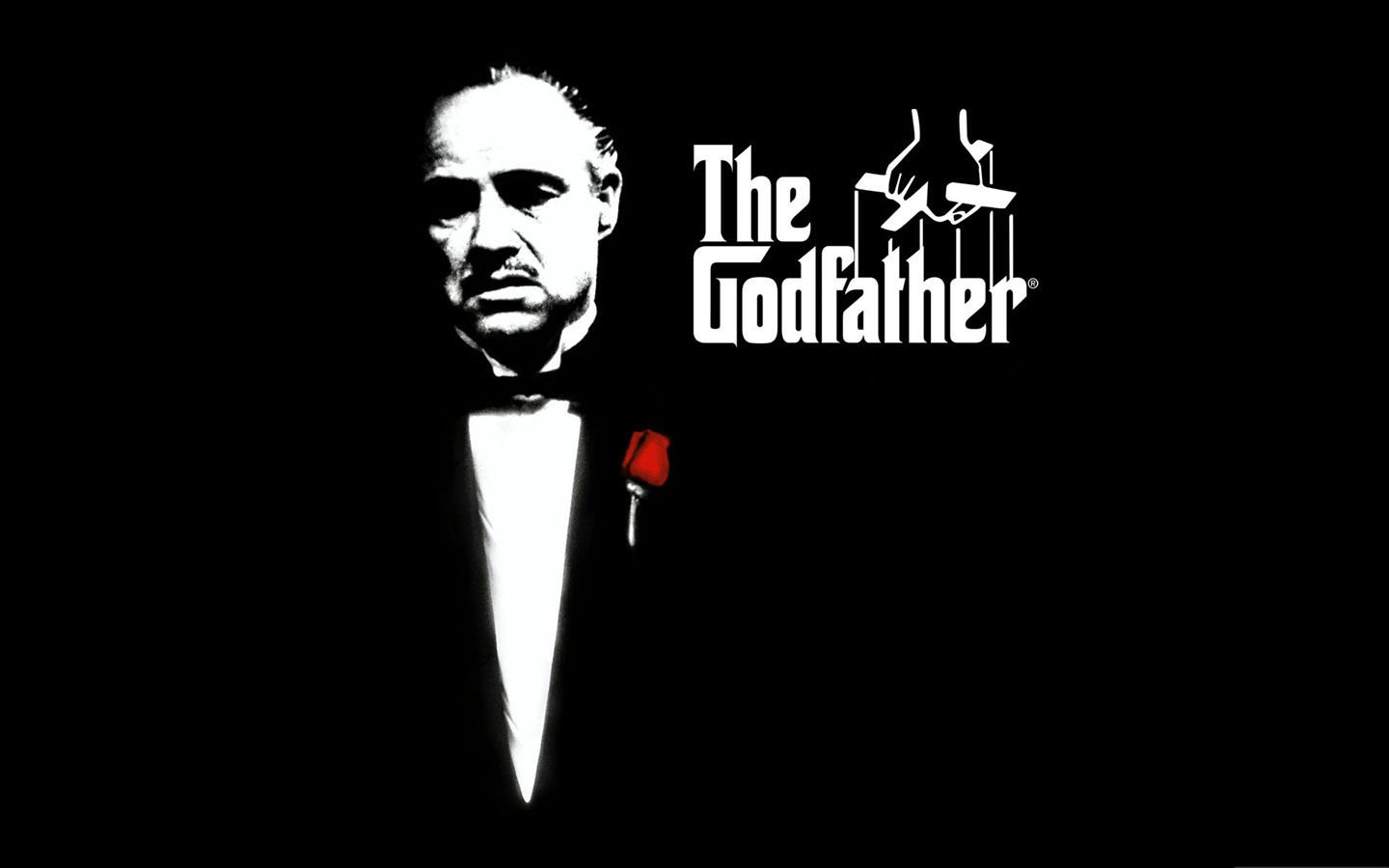
The Godfather: A Cinematic Masterpiece

ppr-revolution.com – “The Godfather,” directed by Francis Ford Coppola and released in 1972, is widely regarded as one of the greatest films in cinematic history. Adapted from Mario Puzo’s best-selling novel of the same name, the film offers a profound exploration of the American Mafia’s inner workings and the complex dynamics of power, loyalty, and family.

Plot Overview

Set in post-World War II America, “The Godfather” follows the powerful and influential crime family of Don Vito Corleone, played masterfully by Marlon Brando. As the head of the Corleone family, Vito navigates the treacherous world of organized crime while maintaining a facade of respectability. The story intensifies when Vito’s youngest son, Michael Corleone (Al Pacino), reluctantly becomes involved in the family business, ultimately transforming from a reluctant outsider to a ruthless leader.

Themes and Symbolism

“The Godfather” delves deep into themes of loyalty, power, and the American Dream. The film portrays the Mafia as a parallel society with its own rules and codes of honor. It explores the moral ambiguity of its characters, who are caught in a world where betrayal and violence are commonplace. The film’s iconic imagery, such as the opening wedding scene and the infamous horse head scene, serves as powerful symbols of the film’s underlying themes.

Cinematic Techniques

Francis Ford Coppola’s direction and Gordon Willis’s cinematography are integral to the film’s success. The use of lighting and shadow creates a moody, atmospheric tone that underscores the film’s dark themes. Nino Rota’s haunting musical score enhances the emotional depth of the story, making it an unforgettable experience for viewers.

Cultural Impact and Legacy

“The Godfather” has left an indelible mark on popular culture and the film industry. It won three Academy Awards, including Best Picture, and has influenced countless films and television series. Its memorable quotes, such as “I’m gonna make him an offer he can’t refuse,” have become part of the cultural lexicon. The film’s portrayal of family dynamics and power struggles continues to resonate with audiences, cementing its status as a timeless classic.

Conclusion

“The Godfather” is more than just a crime drama; it is a profound exploration of human nature and the complexities of power and loyalty. Its masterful storytelling, compelling performances, and artistic brilliance have ensured its place as a cornerstone of cinema. Whether viewed for the first time or the twentieth, “The Godfather” remains a powerful and unforgettable film that continues to captivate audiences worldwide.