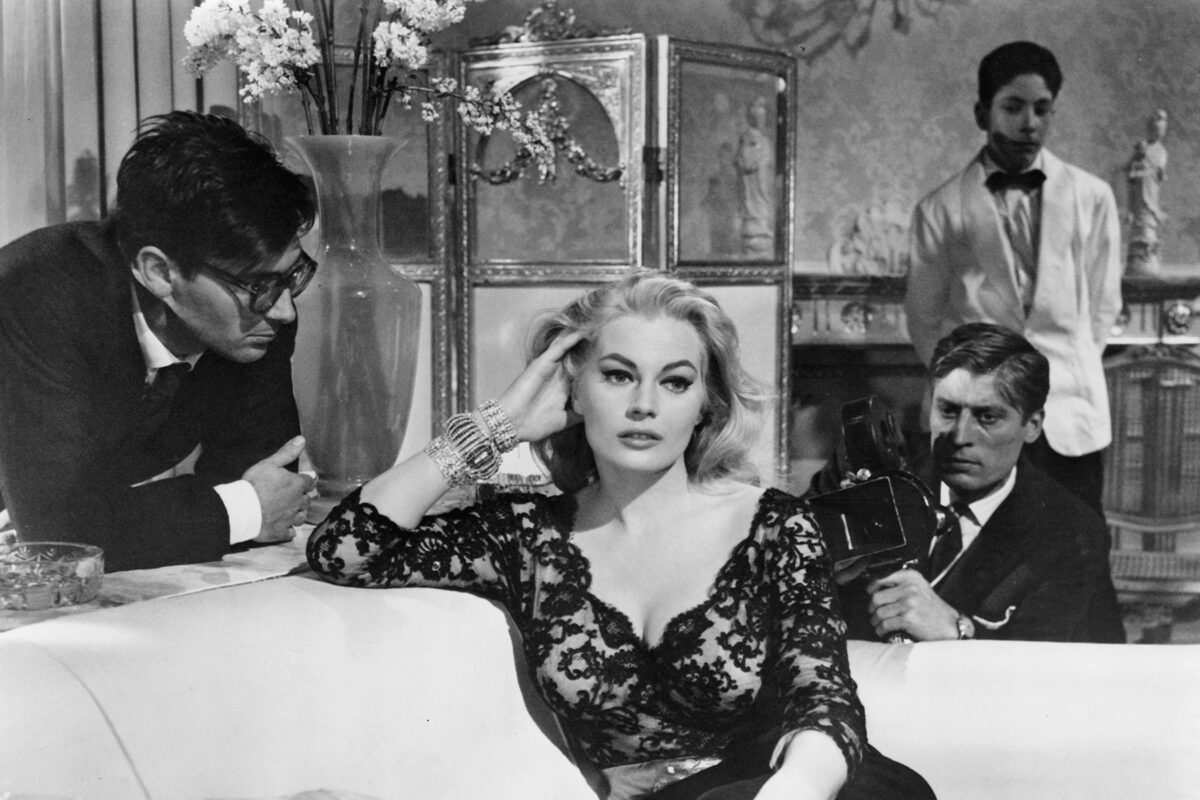
ppr-revolution.com – Federico Fellini’s “La Dolce Vita” is an iconic film that captures the essence of Rome during the 1960s. Released in 1960, the movie presents a vivid portrayal of the city’s vibrant nightlife and the complex life of a journalist named Marcello Rubini. With its rich narrative and stunning visuals, “La Dolce Vita” stands as a masterpiece that explores themes of love, morality, and the search for meaning in an ephemeral world.
Plot Overview
The film follows Marcello Rubini, played by Marcello Mastroianni, a journalist who immerses himself in the hedonistic lifestyle of Rome’s elite society. As he navigates through parties, romantic encounters, and professional dilemmas, Marcello becomes increasingly disillusioned with the superficiality that surrounds him. “La Dolce Vita” is structured as a series of loosely connected episodes, each revealing a different facet of Marcello’s life and the people he encounters.
Themes and Symbolism
“La Dolce Vita” delves into several themes, including the pursuit of pleasure, the search for authenticity, and the moral decay of society. The film’s title, which translates to “The Sweet Life,” is both ironic and reflective, highlighting the contrast between the glamourous facade of Rome’s nightlife and the emptiness that lies beneath. Fellini uses Rome itself as a character, with its architecture and landmarks serving as a backdrop for Marcello’s existential journey.
One of the most iconic scenes in the film is the Trevi Fountain sequence, where Anita Ekberg’s character, Sylvia, wades into the water, symbolizing both allure and unattainability. The scene encapsulates the film’s exploration of desire and the fleeting nature of happiness.
Cinematic Style
Fellini’s direction in “La Dolce Vita” is characterized by its striking black-and-white cinematography, innovative camera work, and a blend of realism with surrealism. The film’s episodic structure and dynamic visual storytelling create a dreamlike atmosphere that enhances the narrative’s exploration of life’s contradictions.
The use of music, composed by Nino Rota, complements the film’s mood, ranging from playful to melancholic, and underscores the emotional depth of the story.
Cultural Impact and Legacy
Upon its release, “La Dolce Vita” was both controversial and critically acclaimed, sparking debates about its portrayal of modern society. It won the Palme d’Or at the 1960 Cannes Film Festival and remains influential in cinema and popular culture. The film introduced the term “paparazzi” to the world, named after the character Paparazzo, a photographer who follows Marcello throughout the film.
“La Dolce Vita” continues to be studied for its artistic and cultural significance, offering insights into the human condition and the complexities of modern life. Its exploration of existential themes and its visual grandeur have cemented its status as a timeless classic.
Conclusion
Federico Fellini’s “La Dolce Vita” is more than just a film; it is a profound meditation on the search for meaning amidst the chaos of contemporary life. Through the lens of Marcello Rubini’s experiences, Fellini crafts a narrative that resonates with audiences, inviting them to reflect on their own lives and the world around them. As a landmark in film history, “La Dolce Vita” remains a testament to the power of cinema to explore and illuminate the human soul.