ppr-revolution.com – “House of Flying Daggers,” directed by Zhang Yimou, is a cinematic masterpiece that gracefully blends romance, action, and artistry. Released in 2004, this film is celebrated for its lush visuals and compelling narrative, capturing the essence of love and betrayal amidst the backdrop of ancient China. The film’s aesthetic elegance and intricate storytelling have left a lasting impression on audiences worldwide.
Introduction: A New Chapter in Wuxia Cinema
Following the success of “Hero” (2002), Zhang Yimou continued to explore the wuxia genre with “House of Flying Daggers.” Set during the Tang Dynasty, the film offers a mesmerizing narrative that intertwines themes of loyalty, deception, and forbidden love. With its focus on personal relationships and emotional depth, the film presents a unique take on the traditional martial arts epic, captivating viewers with its poetic imagery and intense drama.
Plot Summary: A Dance of Deception and Desire
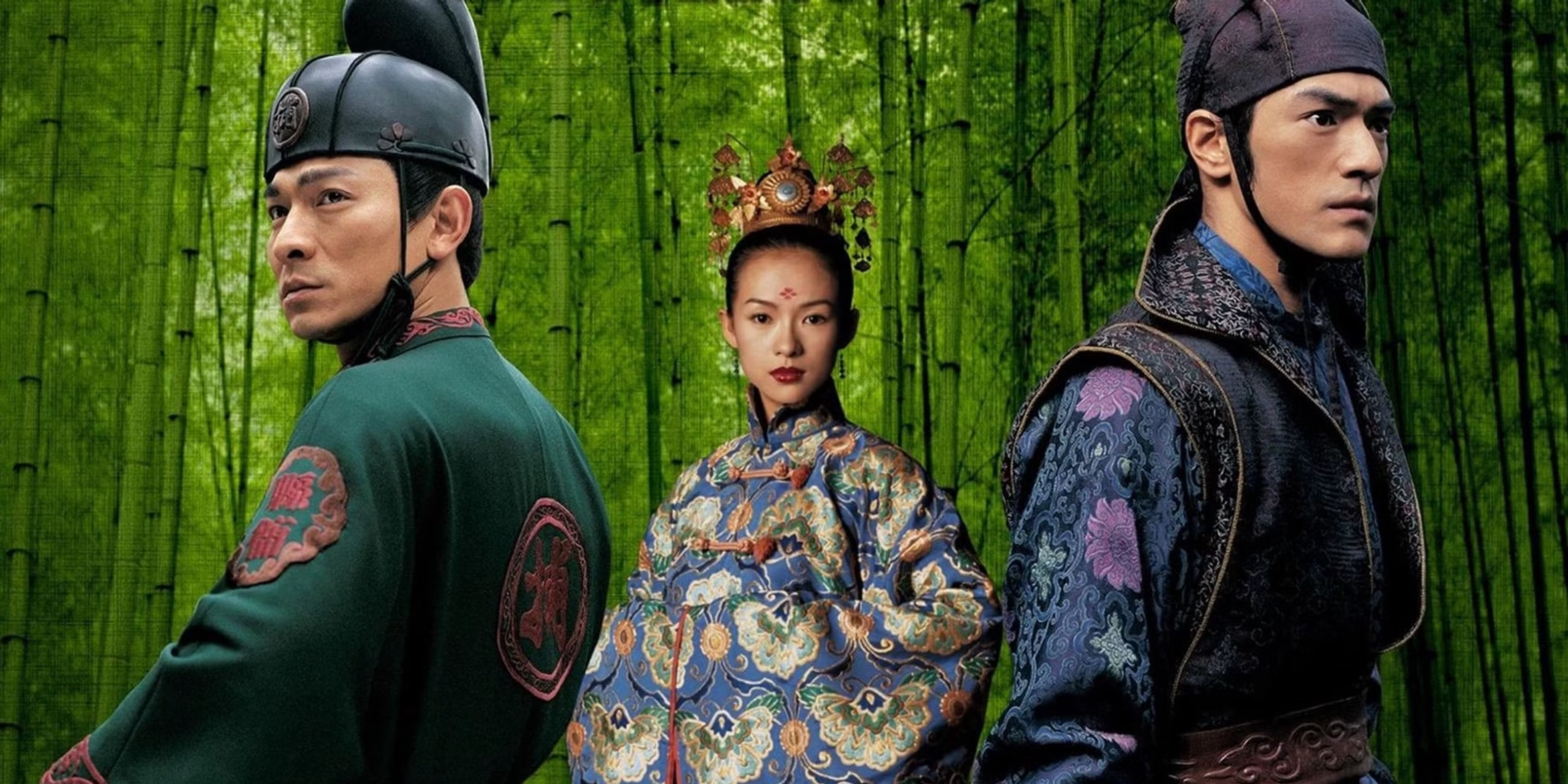
The story of “House of Flying Daggers” revolves around the mysterious and elusive rebel group known as the House of Flying Daggers. In a bid to infiltrate and dismantle this organization, two government officers, Jin (Takeshi Kaneshiro) and Leo (Andy Lau), devise a plan involving the beautiful blind dancer Mei (Zhang Ziyi). As the narrative unfolds, a complex web of romance and intrigue emerges, leading to unexpected alliances and heart-wrenching betrayals. The film’s plot is marked by its twists and turns, keeping audiences engaged with its suspenseful and emotionally charged storyline.
Themes: Love and Loyalty in the Face of Adversity
At its core, “House of Flying Daggers” explores the themes of love and loyalty, challenging the characters’ allegiances and desires. The film delves into the complexities of human emotions, portraying how love can both unite and divide. Mei’s relationships with Jin and Leo are fraught with tension and passion, highlighting the sacrifices and conflicts that arise from their intertwined destinies. These themes are underscored by the film’s exquisite choreography and cinematography, which emphasize the delicate balance between beauty and danger.
Cinematic Excellence: A Feast for the Senses
Zhang Yimou’s direction, combined with Zhao Xiaoding’s stunning cinematography, creates a visual spectacle that is both vibrant and haunting. The film’s use of color and natural landscapes enhances the storytelling, transforming each scene into a work of art. The meticulously choreographed fight sequences, coupled with Shigeru Umebayashi’s evocative score, create an immersive experience that draws viewers into the film’s enchanting world. The dance and martial arts scenes are particularly noteworthy, showcasing the grace and precision that define the film’s aesthetic.
Legacy and Impact: A Global Appreciation for Chinese Cinema
“House of Flying Daggers” received critical acclaim and solidified Zhang Yimou’s reputation as a master filmmaker. The film was praised for its artistic vision and emotional depth, earning several award nominations and accolades. Its success contributed to a growing international appreciation for Chinese cinema, highlighting the universal appeal of stories that blend action, romance, and cultural heritage. The film’s influence can be seen in subsequent wuxia productions, inspiring filmmakers to explore new ways of storytelling within the genre.
Conclusion: An Enduring Masterpiece
“House of Flying Daggers” remains an enduring masterpiece, celebrated for its artistic brilliance and captivating narrative. Zhang Yimou’s visionary approach, combined with stellar performances by the cast, continues to resonate with audiences around the world. As a quintessential example of the wuxia genre, the film stands as a testament to the power of visual storytelling and the timeless allure of romance and martial arts.