Gen Z and the Future of Work: Trends and Predictions

ppr-revolution.com – The entrance of Generation Z into the workforce is prompting significant shifts in workplace dynamics, practices, and expectations. Born between 1997 and 2012, Gen Z is characterized by its digital fluency, diversity, and social consciousness. As this generation continues to grow its presence in the professional world, several key trends and predictions are emerging that will shape the future of work.

Emphasis on Technology and Digital Skills

Gen Z is the first generation to grow up with the internet and digital technology as a fundamental part of daily life. As a result, they bring a high level of digital literacy to the workplace. Companies will increasingly prioritize digital skills, with roles in AI, data analytics, and cybersecurity becoming more prominent. Organizations that invest in cutting-edge technology and digital tools will attract top Gen Z talent.

Flexible Work Arrangements

The COVID-19 pandemic accelerated the adoption of remote and hybrid work models, which align well with Gen Z’s desire for flexibility. This generation values work-life balance and prefers the option to work from different locations. As such, companies are expected to offer more flexible schedules and remote work opportunities to accommodate these preferences.

Focus on Diversity and Inclusion

Gen Z is the most diverse generation yet, and they bring a strong focus on diversity, equity, and inclusion to the workplace. They expect employers to reflect these values in their hiring practices, company culture, and business operations. Companies that prioritize diversity and create inclusive environments will be better positioned to attract and retain Gen Z employees.

Demand for Career Development and Growth

Career growth and development opportunities are crucial for Gen Z employees. They seek roles that offer continuous learning and the ability to advance quickly. Employers need to provide clear career paths, mentorship programs, and opportunities for skill enhancement to meet these expectations. Upskilling and reskilling will become increasingly important as the pace of technological change accelerates.

Social and Environmental Responsibility

Gen Z places a high value on corporate social responsibility and environmental sustainability. They prefer to work for companies that are committed to making a positive impact on society and the planet. Businesses that demonstrate genuine efforts in these areas will find it easier to engage and motivate Gen Z workers.

Conclusion

As Gen Z continues to enter the workforce in larger numbers, it will drive significant changes in how companies operate. Organizations that adapt to these emerging trends and align with the values of this new generation will not only attract top talent but also thrive in the evolving landscape of work. Embracing technology, fostering inclusivity, offering flexibility, and committing to social responsibility are key strategies for future success.

Piercing Trends Through the Decades

ppr-revolution.com – Body piercings have been a form of self-expression and cultural significance for centuries. As fashion and societal norms evolved, so did piercing trends. Each decade brought new styles and meanings, reflecting the cultural shifts and attitudes of the times. Let’s take a journey through the decades to explore how piercing trends have changed and what they represent.

The 1970s: A Time of Rebellion

The 1970s were marked by rebellion and counterculture movements. Piercings became a symbol of non-conformity, with ear piercings being the most popular. The punk rock movement also emerged during this time, bringing with it an edgier style that included multiple ear piercings and the introduction of facial piercings.

The 1980s: The Rise of Glam

The 1980s saw a shift towards glam and excess, influenced by pop culture icons like Madonna and Prince. Ear piercings remained popular, but there was an increase in the number of piercings per ear, including cartilage piercings. Body piercings began to gain attention, with navel and nipple piercings becoming more mainstream among trendsetters.

The 1990s: Grunge and Individuality

The grunge movement of the 1990s brought a more laid-back, individualistic approach to fashion. Piercings became a symbol of personal identity, with eyebrow, tongue, and lip piercings gaining popularity. The decade also saw a rise in body modification subcultures, where piercings were used as a form of artistic expression.

The 2000s: Celebrity Influence

In the 2000s, celebrity culture played a significant role in dictating fashion trends, including piercings. Stars like Britney Spears and Christina Aguilera showcased navel piercings, while others like Lenny Kravitz popularized septum and nose piercings. The influence of reality TV and social media further amplified these trends, making piercings a staple in pop culture.

The 2010s: Diversity and Innovation

The 2010s were characterized by diversity and innovation in the piercing world. People began experimenting with unique placements and jewelry styles, such as dermal anchors and ornate, delicate pieces. The rise of social media platforms like Instagram allowed individuals to share their piercing journeys and inspire others, leading to a more inclusive and creative community.

The 2020s: Sustainability and Personalization

As we move through the 2020s, sustainability and personalization have become key themes in fashion and piercing trends. Ethically sourced and hypoallergenic materials are in demand, and people are seeking piercings that reflect their personal style and values. The trend towards minimalism has also influenced piercing choices, with simple, elegant designs taking center stage.

Conclusion

Piercing trends have evolved significantly over the decades, reflecting broader cultural and societal changes. From rebellion and non-conformity to personalization and sustainability, piercings continue to be a powerful form of self-expression. As we look to the future, it’s exciting to imagine how new trends will emerge and shape the way we view body art.

Trends and Challenges: Benin’s Agricultural Sector

ppr-revolution.com – Agriculture is a cornerstone of Benin’s economy, contributing significantly to the country’s GDP and providing employment for a large portion of its population. Despite its importance, the agricultural sector in Benin faces numerous challenges that hinder its growth and sustainability. This article explores the trends and challenges in Benin’s agricultural sector.

Trends in Benin’s Agricultural Sector

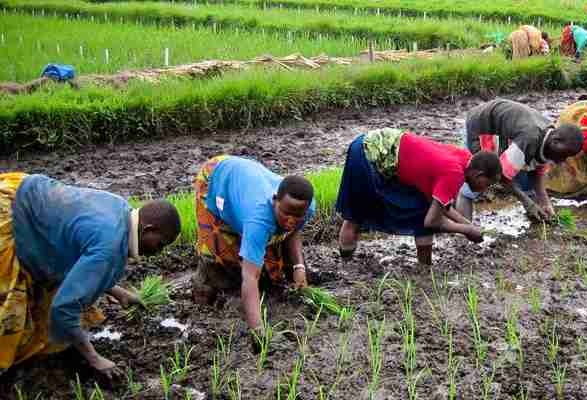
  1. Diversification of Crops: There is a growing trend towards crop diversification in Benin. Farmers are increasingly cultivating a variety of crops, including maize, sorghum, rice, cotton, and vegetables, to reduce risk and improve income stability .
  2. Adoption of Modern Technologies: The adoption of modern agricultural technologies, such as improved seeds, fertilizers, and irrigation systems, is on the rise. These technologies help increase productivity and efficiency, although their reach is still limited .
  3. Government Initiatives: The government of Benin has launched several initiatives to support the agricultural sector. These include subsidies for inputs, training programs for farmers, and investments in rural infrastructure .

Challenges in Benin’s Agricultural Sector

  1. Climate Change: Climate change poses a significant challenge to Benin’s agricultural sector. Unpredictable weather patterns, including droughts and floods, can devastate crops and livestock, leading to food insecurity and economic losses .
  2. Limited Access to Finance: Many farmers in Benin lack access to financial services, making it difficult for them to invest in their farms. This limitation hampers productivity and growth, perpetuating a cycle of poverty .
  3. Land Tenure Issues: Land tenure issues are a persistent challenge in Benin. Insecure land rights can discourage investment in land improvements and lead to conflicts over land use, undermining agricultural development .
  4. Poor Infrastructure: The agricultural sector suffers from poor infrastructure, including inadequate roads, storage facilities, and marketplaces. This infrastructure deficit increases the cost of doing business and reduces the competitiveness of Benin’s agricultural products .

Conclusion

The agricultural sector in Benin is vital for the country’s economic development and food security. While there are positive trends such as crop diversification and the adoption of modern technologies, significant challenges remain, including climate change, limited access to finance, land tenure issues, and poor infrastructure. Addressing these challenges will require concerted efforts from the government, private sector, and international partners to create a supportive environment for agricultural growth and sustainability.

Bold Choices for the Modern Individual: Hair Color Trends

ppr-revolution.com – In the ever-evolving landscape of fashion and beauty, hair color trends have become a pivotal way for individuals to express their unique personalities and styles. The modern individual is not afraid to experiment with bold and vibrant hues, moving beyond traditional shades to make a statement. This article delves into the latest hair color trends that are capturing the imagination of those looking to stand out from the crowd.

1. The Rise of Pastel Perfection

Pastel colors have made a significant impact on the hair color scene, offering a soft yet striking alternative to the more traditional hair dyes. Shades like lavender, mint green, and baby pink have become favorites among those who want to add a touch of whimsy to their look. These colors are particularly popular during the spring and summer months, when the lighter tones complement the brighter days.

2. Embracing the Power of Neon

For those who prefer to make a bolder statement, neon colors are the way to go. Neon green, electric blue, and vibrant orange are shades that demand attention and are perfect for individuals who want to push the boundaries of conventional beauty standards. These colors are often used in creative designs, such as streaks or ombre effects, to create a truly eye-catching appearance.

3. The Allure of Metallic Shades

Metallic hair colors have emerged as a trend that combines the boldness of vivid hues with the sophistication of a more refined aesthetic. Silver, gold, and bronze tones add a luxurious dimension to hair, catching the light and creating a dynamic, shimmering effect. This trend is particularly popular among those who wish to maintain a professional look while still embracing a touch of daring.

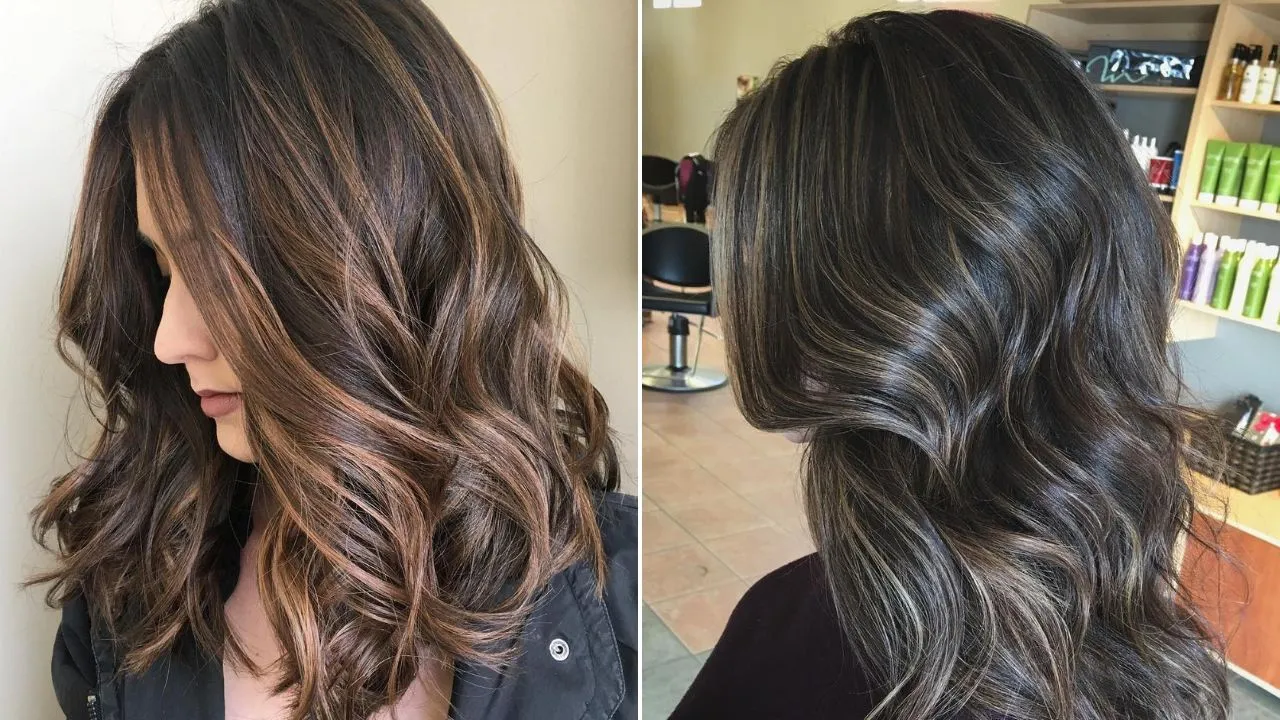
4. The Charm of Chocolate and Caramel

Not all bold choices are about bright colors. The modern individual is also embracing rich, deep shades like chocolate brown and caramel, which offer a more subtle yet still impactful way to transform one’s appearance. These colors are versatile, suitable for all seasons, and can be adapted to suit a variety of skin tones and hair textures.

5. The Art of the Ombre and Balayage

Techniques such as ombre and balayage have become increasingly popular as they allow for a more natural-looking transition between colors. Whether it’s a soft blend from dark to light or a bold contrast between two vibrant hues, these techniques offer endless possibilities for those looking to experiment with hair color.

Conclusion: Embracing Boldness in Hair Color

The world of hair color is a testament to the modern individual’s desire to express themselves fearlessly. From soft pastels to vibrant neons, and from rich chocolates to shimmering metallics, the options are as diverse as the personalities that choose them. As we continue to see the evolution of hair color trends, one thing remains clear: boldness is beautiful, and the sky is the limit when it comes to making a statement with your hair.