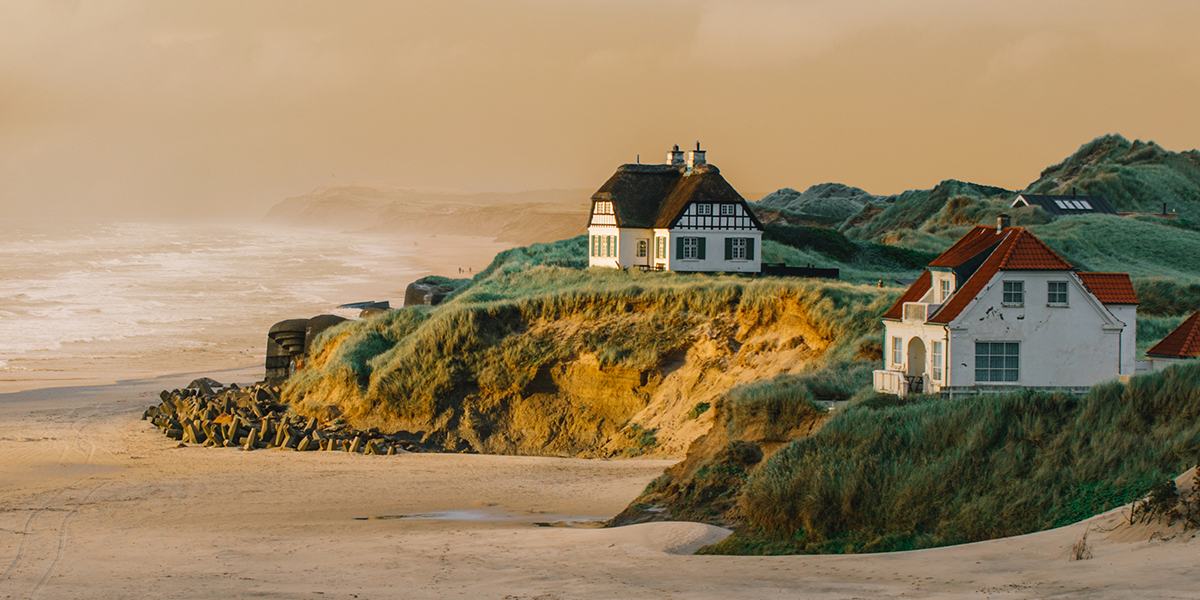
Nordjylland (North Jutland): The Wild North of Denmark

ppr-revolution.com – Nordjylland, or North Jutland, is the northernmost region of Denmark, renowned for its rugged coastline, ancient history, and breathtaking natural beauty. This region offers a unique blend of urban excitement, rural tranquility, and outdoor adventure.

A Coastal Paradise

Nordjylland’s dramatic coastline is a highlight of the region. With its towering cliffs, sandy beaches, and crystal-clear waters, it’s a haven for nature lovers and outdoor enthusiasts.

  • Rubjerg Knude: This iconic white sand dune is constantly shifting, creating a dynamic and ever-changing landscape.
  • Skagen: The northernmost point of Denmark, Skagen is known for its beautiful beaches, charming fishing villages, and unique light that has inspired countless artists.
  • Læsø: This picturesque island offers stunning beaches, historic villages, and opportunities for salt-making and seaweed harvesting.

A Viking Legacy

Nordjylland has a rich Viking history, and many archaeological sites and museums offer a glimpse into this fascinating era.

  • Lindholm Høje: This ancient burial ground is one of the most significant Viking sites in Denmark.
  • Vikingemuseet i Aarhus: This museum showcases Viking life through exhibitions, reenactments, and interactive experiences.

A Modern and Vibrant Region

Despite its historical significance, Nordjylland is a modern and dynamic region. The cities of Aalborg and Hjørring offer a vibrant cultural scene, with world-class music festivals, art exhibitions, and culinary experiences.

  • Aalborg: Denmark’s third-largest city, Aalborg is a bustling metropolis with a rich maritime history and a thriving arts scene.
  • Hjørring: This charming town is known for its beautiful architecture, historic streets, and picturesque harbor.

A Taste of the North

Nordjylland’s culinary scene is influenced by its coastal location and agricultural heritage. Fresh seafood, local produce, and traditional Danish dishes are the highlights.

  • Fiskekasser: These traditional fish shops offer a wide variety of fresh seafood, including herring, cod, and mackerel.
  • Smørrebrød: Open-faced sandwiches are a Danish staple, and Nordjylland offers unique variations with local ingredients.
  • Akvavit: This traditional Danish spirit is often enjoyed with food and is a popular choice in the region.

Nordjylland is a region of contrasts, where ancient history meets modern innovation. With its stunning natural beauty, rich cultural heritage, and vibrant cities, it offers a truly unforgettable experience.
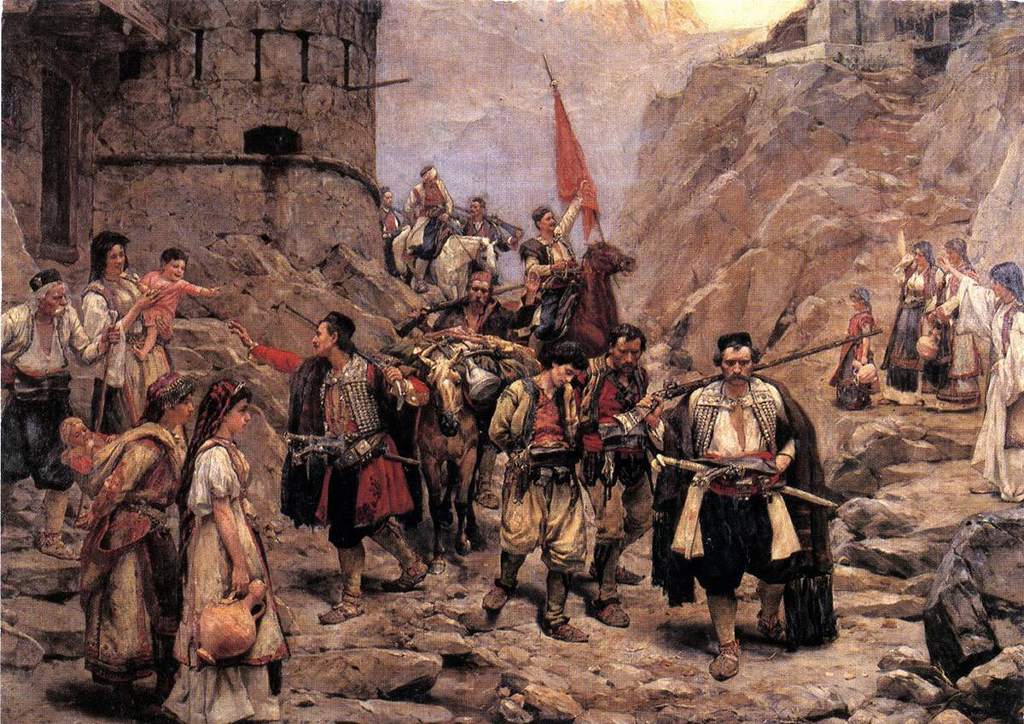
The History of Montenegro: Ancient Tribes – Modern State

ppr-revolution.com – Montenegro, a small country on the Adriatic coast, has a rich and complex history that spans thousands of years. Its strategic location has made it a crossroads of civilizations, empires, and cultures, leaving a deep imprint on its heritage. This article explores the journey of Montenegro from its ancient tribal roots to its emergence as a modern state.

Ancient Tribes and Illyrian Heritage

The history of Montenegro begins with the Illyrians, an ancient people who inhabited the western Balkans. The Illyrians were a collection of tribes with a shared linguistic and cultural heritage, and they established a kingdom in the 4th century BCE. The most famous Illyrian queen, Teuta, led a naval power that clashed with the Roman Republic, marking the beginning of Rome’s expansion into the Balkans.

Roman and Byzantine Influence

The Roman conquest of Illyria in the 2nd century BCE brought Montenegro into the Roman Empire. Roman rule lasted for centuries, leaving behind significant architectural and cultural legacies, such as the city of Doclea and the Via Egnatia road. With the fall of the Western Roman Empire, Montenegro came under the influence of the Byzantine Empire, which further shaped its cultural and religious landscape.

The Slavic Settlement and the Rise of the Nemanjić Dynasty

The 7th century saw the arrival of South Slavic tribes, who gradually assimilated the local population and introduced Slavic languages and customs. By the 9th century, the region was part of the First Bulgarian Empire before coming under the rule of the Byzantines once again.

The 12th century marked the rise of the Nemanjić dynasty, which established the Serbian Empire. Montenegro was a key part of this empire, and the Nemanjićs built many monasteries and churches, such as the Pobori and Moraca monasteries, which are still important cultural and religious sites.

The Ottoman Era and the Battle for Independence

The Ottoman Empire conquered Montenegro in the late 14th century, but the Montenegrins fiercely resisted Ottoman rule. The region maintained a degree of autonomy under the leadership of the Petrović-Njegoš dynasty, which governed from the fortified monastery of Cetinje.

The 19th century was a turning point for Montenegro. Under the leadership of Prince-Bishop Petar II Petrović-Njegoš, Montenegro gained international recognition as an independent state. The country continued to expand its territory through conflicts with the Ottomans, culminating in full independence after the Balkan Wars and World War I.

Modern Montenegro

Montenegro joined the Kingdom of Serbs, Croats, and Slovenes, which later became Yugoslavia. It remained a part of Yugoslavia through various incarnations until the breakup of the federation in the early 1990s. Montenegro initially formed a union with Serbia as the Federal Republic of Yugoslavia, which later transformed into the State Union of Serbia and Montenegro.

In 2006, Montenegro held a referendum on independence, which passed with a narrow majority. On June 3, 2006, Montenegro declared independence and began its journey as a sovereign state. Since then, Montenegro has focused on building its economy, developing its tourism industry, and integrating into European and international institutions.

Conclusion

The history of Montenegro is a testament to the resilience and independence of its people. From ancient Illyrian tribes to the establishment of a modern state, Montenegro has navigated the complex currents of history with a strong sense of identity and purpose. Today, Montenegro stands as a proud nation, embracing its rich heritage while looking forward to a future of peace and prosperity.

From Ancient Kingdoms to Modern State: History of Burkina Faso

ppr-revolution.com – The history of Burkina Faso dates back to ancient times, with the region being home to various kingdoms and empires. One of the earliest known civilizations in the area was the Ghana Empire, which thrived from the 6th to the 13th century. This empire was renowned for its control over the trans-Saharan trade routes, particularly the trade in gold and salt.

Following the decline of Ghana, the Mossi Kingdoms emerged as a dominant force in the region. These kingdoms were characterized by their strong military and centralized governance. They managed to resist colonization by larger empires such as the Mali and Songhai, maintaining their independence until the arrival of European colonizers.

Colonial Era

The 19th century marked the beginning of European colonization in the region. The French, who had been exploring the area since the late 18th century, began to establish control over the territory that is now Burkina Faso. In 1896, the French military officer Louis-Gustave Binger declared the area a protectorate, and it was later incorporated into French West Africa.

During the colonial period, the French imposed their administrative systems, economy, and culture on the local population. They also introduced forced labor and taxes, which led to widespread discontent among the people. Despite this, the colonial administration did invest in infrastructure and education, laying the groundwork for the modern state.

Road to Independence

The push for independence gained momentum in the mid-20th century, with various political movements and leaders emerging to challenge French rule. One of the most prominent figures was Thomas Sankara, who became a leading voice for change. After a series of political maneuvers and military coups, Burkina Faso finally gained its independence on August 5, 1960.

Post-Independence Challenges

The early years of independence were marked by political instability, with multiple coups and changes in leadership. It wasn’t until the 1980s that the country began to stabilize under the leadership of Thomas Sankara, who initiated a series of radical social and economic reforms aimed at improving the lives of the Burkinabé people.

Sankara’s reign was short-lived, however, as he was assassinated in a coup led by his former ally Blaise Compaoré in 1987. Compaoré would go on to rule Burkina Faso for nearly three decades, until he was ousted in a popular uprising in 2014.

Modern Burkina Faso

Today, Burkina Faso is a democratic republic, with a president as the head of state and a prime minister as the head of government. The country has made significant strides in improving its economy, education, and healthcare systems. However, it continues to face challenges such as political instability, ethnic tensions, and security threats from extremist groups.

Despite these challenges, Burkina Faso remains a vibrant nation with a rich cultural heritage. Its people are resilient, and the country continues to play an important role in regional and international affairs. The history of Burkina Faso is a testament to the enduring spirit of its people, from the ancient kingdoms to the modern state.