Loja: History and Nature – A Colonial Gem in the Southern Andes

ppr-revolution.com – Loja, a province nestled in the southern highlands of Ecuador, is a captivating destination that offers a unique blend of colonial charm, natural beauty, and cultural richness. With its well-preserved historic center, stunning mountain landscapes, and vibrant indigenous communities, Loja invites travelers to explore its diverse offerings.

Loja City: A Colonial Delight

Loja City, the provincial capital, is a picturesque city with a rich history. The city’s central square, Plaza Central, is a popular gathering place, surrounded by colonial-era buildings and bustling markets. The Cathedral of the Virgin of El Cisne, a stunning Baroque church, is one of the city’s most iconic landmarks.

Natural Wonders and Outdoor Adventures

Loja is a paradise for nature lovers and outdoor enthusiasts. The province’s diverse landscapes, ranging from high-altitude páramos to lush valleys, offer endless opportunities for exploration.

  • Podocarpus National Park: A biodiversity hotspot, Podocarpus National Park boasts a diverse range of ecosystems, including cloud forests, páramos, and Andean forests. The park is home to a variety of wildlife, including spectacled bears, condors, and numerous bird species.
  • Vilcabamba: A charming town known as the “Valley of Longevity,” Vilcabamba is surrounded by stunning mountain scenery and offers opportunities for hiking, biking, and birdwatching.

Indigenous Culture and Traditions

Loja is home to several indigenous communities, including the Saraguro, who are known for their vibrant textiles, music, and dance. Visitors can experience the rich cultural heritage of these communities by attending local festivals, visiting traditional markets, or participating in cultural tours.

A Culinary Delight

Loja’s cuisine is a delightful blend of Andean and Spanish influences. Local specialties include cuy asado (roasted guinea pig), fritada (fried pork), and mote pillo (hominy with cheese and onions). The province is also known for its delicious fruit and vegetables, which are grown in the fertile valleys and highlands.

Loja, with its colonial charm, stunning landscapes, and rich cultural heritage, offers a truly unforgettable experience. Whether you’re seeking adventure, relaxation, or cultural immersion, this Andean paradise has something for everyone.
Nordjylland (North Jutland): The Wild North of Denmark

ppr-revolution.com – Nordjylland, or North Jutland, is the northernmost region of Denmark, renowned for its rugged coastline, ancient history, and breathtaking natural beauty. This region offers a unique blend of urban excitement, rural tranquility, and outdoor adventure.

A Coastal Paradise

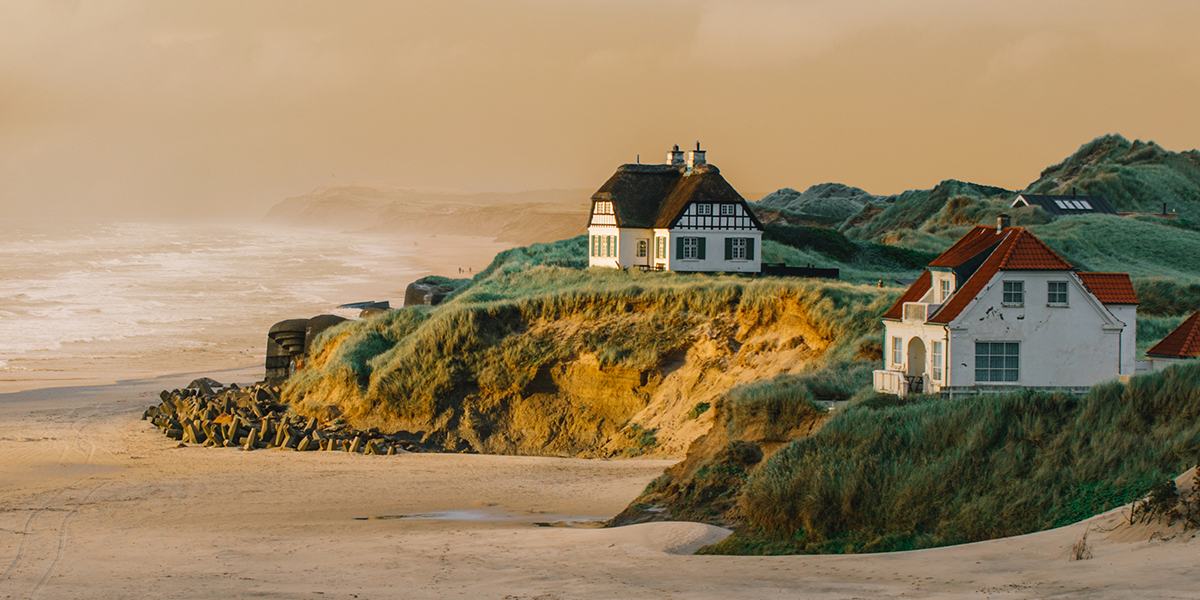
Nordjylland’s dramatic coastline is a highlight of the region. With its towering cliffs, sandy beaches, and crystal-clear waters, it’s a haven for nature lovers and outdoor enthusiasts.

  • Rubjerg Knude: This iconic white sand dune is constantly shifting, creating a dynamic and ever-changing landscape.
  • Skagen: The northernmost point of Denmark, Skagen is known for its beautiful beaches, charming fishing villages, and unique light that has inspired countless artists.
  • Læsø: This picturesque island offers stunning beaches, historic villages, and opportunities for salt-making and seaweed harvesting.

A Viking Legacy

Nordjylland has a rich Viking history, and many archaeological sites and museums offer a glimpse into this fascinating era.

  • Lindholm Høje: This ancient burial ground is one of the most significant Viking sites in Denmark.
  • Vikingemuseet i Aarhus: This museum showcases Viking life through exhibitions, reenactments, and interactive experiences.

A Modern and Vibrant Region

Despite its historical significance, Nordjylland is a modern and dynamic region. The cities of Aalborg and Hjørring offer a vibrant cultural scene, with world-class music festivals, art exhibitions, and culinary experiences.

  • Aalborg: Denmark’s third-largest city, Aalborg is a bustling metropolis with a rich maritime history and a thriving arts scene.
  • Hjørring: This charming town is known for its beautiful architecture, historic streets, and picturesque harbor.

A Taste of the North

Nordjylland’s culinary scene is influenced by its coastal location and agricultural heritage. Fresh seafood, local produce, and traditional Danish dishes are the highlights.

  • Fiskekasser: These traditional fish shops offer a wide variety of fresh seafood, including herring, cod, and mackerel.
  • Smørrebrød: Open-faced sandwiches are a Danish staple, and Nordjylland offers unique variations with local ingredients.
  • Akvavit: This traditional Danish spirit is often enjoyed with food and is a popular choice in the region.

Nordjylland is a region of contrasts, where ancient history meets modern innovation. With its stunning natural beauty, rich cultural heritage, and vibrant cities, it offers a truly unforgettable experience.

Niš: A City of History and Culture – A Rich Historical Heritage

ppr-revolution.com – Niš, a city in southeastern Serbia, is a vibrant cultural hub with a rich history dating back to the Roman era. Its strategic location at the crossroads of major trade routes has made it a significant historical center for centuries.

The Roman influence is evident in the city’s archaeological sites, including the Mediana archaeological site, which once served as a Roman villa and later a Roman imperial court. The city’s Roman name, Naissus, is still remembered today.

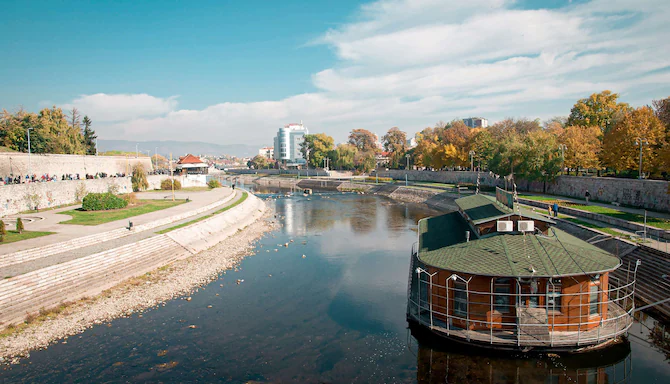
During the Middle Ages, Niš was a part of the Serbian Empire and later fell under Ottoman rule. The Ottoman period left a significant mark on the city’s architecture and culture. The Niš Fortress, a medieval fortress that has witnessed numerous battles and sieges, is one of the city’s most iconic landmarks.

A Cultural Melting Pot

Niš is a city with a diverse cultural heritage. The city’s National Museum houses a valuable collection of archaeological artifacts, historical documents, and works of art. The museum offers insights into the region’s rich history, from the prehistoric era to the modern day.

The city’s theaters and cultural centers offer a variety of performances, including plays, concerts, and exhibitions. The Nišville Jazz Festival is a major international music event that attracts jazz enthusiasts from all over the world.

A Modern City

Niš has undergone significant development in recent years, transforming into a modern city with a strong focus on industry, education, and tourism. The city’s universities and colleges offer a wide range of academic programs, attracting students from all over Serbia.

The city’s industrial zone is home to a variety of manufacturing companies, contributing to the region’s economic growth. Niš is also a transportation hub, with good connections to other major cities in Serbia and neighboring countries.

A Natural Paradise

Niš is surrounded by stunning natural beauty. The nearby mountains, including Suva Planina and Stara Planina, offer opportunities for hiking, skiing, and other outdoor activities. The Nišava River, which flows through the city, provides opportunities for fishing, kayaking, and rafting.

The city’s parks and gardens offer peaceful retreats for relaxation and recreation. The Čair Park, located in the heart of the city, is a popular destination for picnics, walks, and sports.

Niš is a city that offers a unique blend of history, culture, and natural beauty. Its rich heritage, vibrant culture, and friendly people make it a fascinating destination for travelers of all ages.

British Museum: A Journey Through Culture and History

ppr-revolution.com – The British Museum, located in the heart of London, is a globally recognized institution renowned for its vast collection of art and antiquities. It stands as a beacon of cultural and historical preservation, attracting millions of visitors each year who are eager to explore its diverse exhibits.

A Brief History

Founded in 1753, the British Museum was the first national public museum in the world. It was established by an Act of Parliament with the initial collection bequeathed by Sir Hans Sloane. The museum opened its doors to the public in 1759, and since then, it has grown to house over eight million works spanning two million years of history.

The Collections

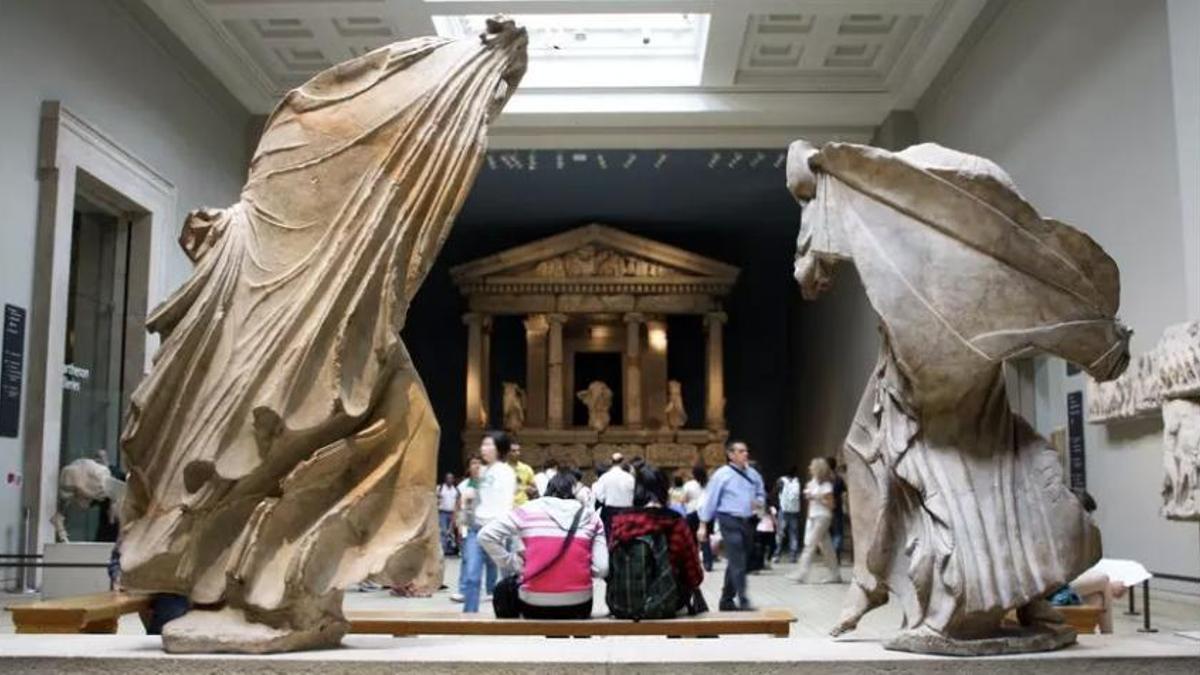
The British Museum’s collection is one of the most comprehensive in the world, featuring artifacts from every continent. Key highlights include the Rosetta Stone, the Elgin Marbles, and the Egyptian mummies. The museum is divided into departments such as Ancient Egypt and Sudan, Asia, Africa, Oceania, and the Americas, each offering a deep dive into different cultures and time periods.

Notable Exhibits

  1. The Rosetta Stone: This iconic artifact was instrumental in deciphering Egyptian hieroglyphs, unlocking the secrets of ancient Egyptian civilization.
  2. The Elgin Marbles: Originally part of the Parthenon in Athens, these sculptures have been a subject of international debate regarding cultural repatriation.
  3. The Egyptian Mummies: The museum’s Egyptian collection is one of the largest outside of Egypt, offering insights into the ancient world’s beliefs about death and the afterlife.

The Museum Experience

Visitors to the British Museum can expect a journey through time and space, with exhibits organized to provide educational insights as well as aesthetic appreciation. The museum also hosts temporary exhibitions, events, and educational programs, making it a dynamic space for learning and exploration.

Controversies and Challenges

The British Museum has faced ongoing controversies, particularly regarding the ownership and repatriation of certain artifacts. Debates continue over the return of items such as the Elgin Marbles to Greece and the Benin Bronzes to Nigeria. These discussions form part of a broader conversation about colonial history and cultural heritage.

Conclusion

The British Museum remains a pivotal institution in the world of art and history. Despite the challenges it faces, it continues to serve as a place of learning and inspiration, inviting visitors from around the globe to engage with the stories of humanity’s past. Its role in preserving and presenting the world’s cultural heritage ensures that it remains a must-visit destination for anyone interested in the rich tapestry of human history.

The History of Montenegro: Ancient Tribes – Modern State

ppr-revolution.com – Montenegro, a small country on the Adriatic coast, has a rich and complex history that spans thousands of years. Its strategic location has made it a crossroads of civilizations, empires, and cultures, leaving a deep imprint on its heritage. This article explores the journey of Montenegro from its ancient tribal roots to its emergence as a modern state.

Ancient Tribes and Illyrian Heritage

The history of Montenegro begins with the Illyrians, an ancient people who inhabited the western Balkans. The Illyrians were a collection of tribes with a shared linguistic and cultural heritage, and they established a kingdom in the 4th century BCE. The most famous Illyrian queen, Teuta, led a naval power that clashed with the Roman Republic, marking the beginning of Rome’s expansion into the Balkans.

Roman and Byzantine Influence

The Roman conquest of Illyria in the 2nd century BCE brought Montenegro into the Roman Empire. Roman rule lasted for centuries, leaving behind significant architectural and cultural legacies, such as the city of Doclea and the Via Egnatia road. With the fall of the Western Roman Empire, Montenegro came under the influence of the Byzantine Empire, which further shaped its cultural and religious landscape.

The Slavic Settlement and the Rise of the Nemanjić Dynasty

The 7th century saw the arrival of South Slavic tribes, who gradually assimilated the local population and introduced Slavic languages and customs. By the 9th century, the region was part of the First Bulgarian Empire before coming under the rule of the Byzantines once again.

The 12th century marked the rise of the Nemanjić dynasty, which established the Serbian Empire. Montenegro was a key part of this empire, and the Nemanjićs built many monasteries and churches, such as the Pobori and Moraca monasteries, which are still important cultural and religious sites.

The Ottoman Era and the Battle for Independence

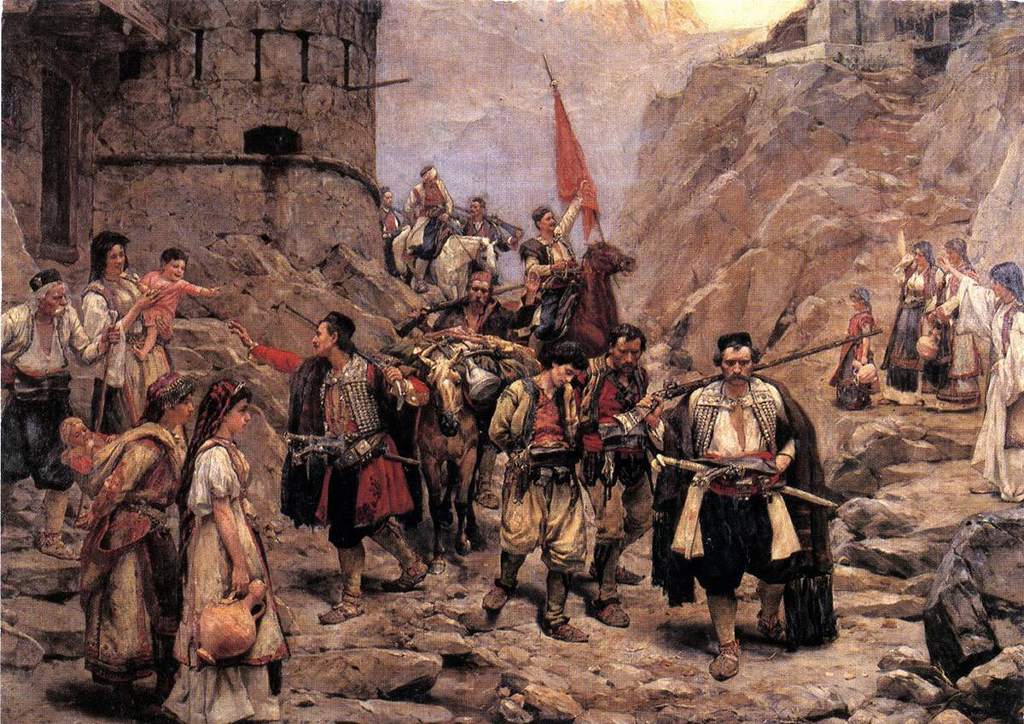
The Ottoman Empire conquered Montenegro in the late 14th century, but the Montenegrins fiercely resisted Ottoman rule. The region maintained a degree of autonomy under the leadership of the Petrović-Njegoš dynasty, which governed from the fortified monastery of Cetinje.

The 19th century was a turning point for Montenegro. Under the leadership of Prince-Bishop Petar II Petrović-Njegoš, Montenegro gained international recognition as an independent state. The country continued to expand its territory through conflicts with the Ottomans, culminating in full independence after the Balkan Wars and World War I.

Modern Montenegro

Montenegro joined the Kingdom of Serbs, Croats, and Slovenes, which later became Yugoslavia. It remained a part of Yugoslavia through various incarnations until the breakup of the federation in the early 1990s. Montenegro initially formed a union with Serbia as the Federal Republic of Yugoslavia, which later transformed into the State Union of Serbia and Montenegro.

In 2006, Montenegro held a referendum on independence, which passed with a narrow majority. On June 3, 2006, Montenegro declared independence and began its journey as a sovereign state. Since then, Montenegro has focused on building its economy, developing its tourism industry, and integrating into European and international institutions.

Conclusion

The history of Montenegro is a testament to the resilience and independence of its people. From ancient Illyrian tribes to the establishment of a modern state, Montenegro has navigated the complex currents of history with a strong sense of identity and purpose. Today, Montenegro stands as a proud nation, embracing its rich heritage while looking forward to a future of peace and prosperity.

From Ancient Kingdoms to Modern State: History of Burkina Faso

ppr-revolution.com – The history of Burkina Faso dates back to ancient times, with the region being home to various kingdoms and empires. One of the earliest known civilizations in the area was the Ghana Empire, which thrived from the 6th to the 13th century. This empire was renowned for its control over the trans-Saharan trade routes, particularly the trade in gold and salt.

Following the decline of Ghana, the Mossi Kingdoms emerged as a dominant force in the region. These kingdoms were characterized by their strong military and centralized governance. They managed to resist colonization by larger empires such as the Mali and Songhai, maintaining their independence until the arrival of European colonizers.

Colonial Era

The 19th century marked the beginning of European colonization in the region. The French, who had been exploring the area since the late 18th century, began to establish control over the territory that is now Burkina Faso. In 1896, the French military officer Louis-Gustave Binger declared the area a protectorate, and it was later incorporated into French West Africa.

During the colonial period, the French imposed their administrative systems, economy, and culture on the local population. They also introduced forced labor and taxes, which led to widespread discontent among the people. Despite this, the colonial administration did invest in infrastructure and education, laying the groundwork for the modern state.

Road to Independence

The push for independence gained momentum in the mid-20th century, with various political movements and leaders emerging to challenge French rule. One of the most prominent figures was Thomas Sankara, who became a leading voice for change. After a series of political maneuvers and military coups, Burkina Faso finally gained its independence on August 5, 1960.

Post-Independence Challenges

The early years of independence were marked by political instability, with multiple coups and changes in leadership. It wasn’t until the 1980s that the country began to stabilize under the leadership of Thomas Sankara, who initiated a series of radical social and economic reforms aimed at improving the lives of the Burkinabé people.

Sankara’s reign was short-lived, however, as he was assassinated in a coup led by his former ally Blaise Compaoré in 1987. Compaoré would go on to rule Burkina Faso for nearly three decades, until he was ousted in a popular uprising in 2014.

Modern Burkina Faso

Today, Burkina Faso is a democratic republic, with a president as the head of state and a prime minister as the head of government. The country has made significant strides in improving its economy, education, and healthcare systems. However, it continues to face challenges such as political instability, ethnic tensions, and security threats from extremist groups.

Despite these challenges, Burkina Faso remains a vibrant nation with a rich cultural heritage. Its people are resilient, and the country continues to play an important role in regional and international affairs. The history of Burkina Faso is a testament to the enduring spirit of its people, from the ancient kingdoms to the modern state.

From Formation to Present Day: The History of Earth

ppr-revolution.com – The story of Earth begins approximately 4.5 billion years ago, when our planet coalesced from the solar nebula, a disk-shaped mass of dust and gas left over from the Sun’s formation. The early Earth was a hot, molten sphere, constantly bombarded by meteorites and comets. Over millions of years, the planet cooled, and a solid crust formed. The atmosphere was likely composed of gases such as carbon dioxide, nitrogen, and water vapor, which eventually led to the formation of the oceans.

The Emergence of Life

The first signs of life on Earth appeared around 3.5 to 3.8 billion years ago. These early life forms were simple, single-celled organisms that lived in the oceans. The process by which life originated from non-living matter is known as abiogenesis, and while the exact details remain a subject of research, it is believed that the early Earth’s conditions were conducive to the formation of complex organic molecules.

The Evolution of Life

Over billions of years, life on Earth evolved from simple microorganisms to the diverse array of species we see today. This process, known as evolution, is driven by natural selection, where organisms best suited to their environment are more likely to survive and reproduce. Key events in the history of life include the appearance of multicellular organisms, the colonization of land by plants and animals, the rise of dinosaurs, and the eventual emergence of mammals.

Mass Extinctions

The history of Earth is punctuated by several mass extinction events, where a significant portion of the planet’s species were wiped out. The most famous of these is the Cretaceous-Paleogene extinction event, which occurred 66 million years ago and led to the demise of the dinosaurs. These events were caused by a variety of factors, including asteroid impacts, volcanic eruptions, and climate change.

The Rise of Humans

Humans, or Homo sapiens, first appeared around 300,000 years ago. Our ancestors evolved from earlier hominins in Africa and eventually spread across the globe. The development of agriculture, the rise of civilizations, and the industrial revolution are just a few of the milestones in human history that have shaped the planet.

The Impact of Humans on Earth

Humans have had a profound impact on the Earth’s environment. From the clearing of forests for agriculture to the burning of fossil fuels and the resulting climate change, human activities have altered the planet in ways that will have lasting effects. Conservation efforts and the development of sustainable technologies are crucial for addressing these challenges.

The Present Day

Today, Earth is home to an estimated 8.7 million species, with new ones being discovered regularly. The planet continues to change, shaped by both natural processes and human activities. As we look to the future, understanding our past is essential for making informed decisions about how we interact with our environment.

Conclusion

The history of Earth is a tale of constant change and adaptation. From its fiery beginnings to the complex web of life that exists today, our planet has undergone incredible transformations. As we move forward, it is our responsibility to learn from the past and work towards a sustainable future for all life on Earth.