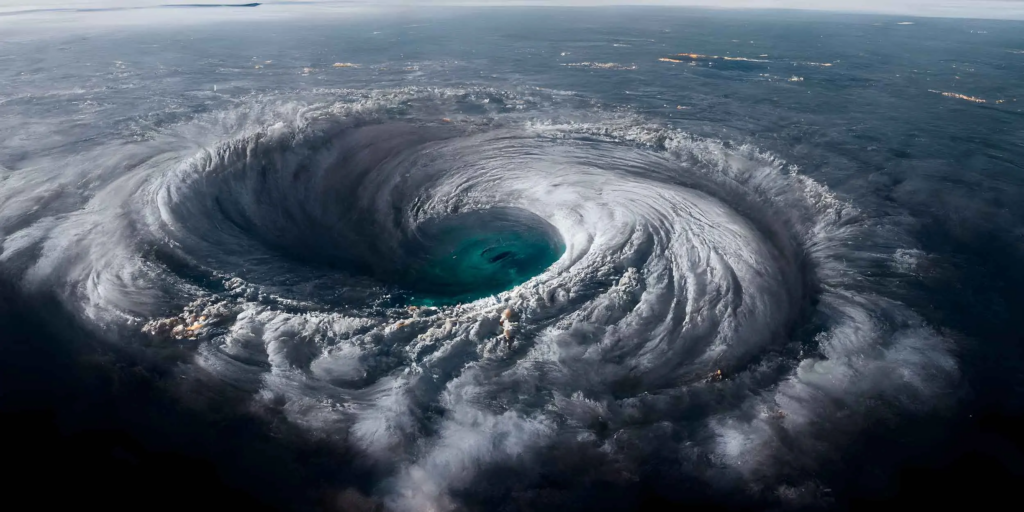
ppr-revolution.com – Hurricanes are one of nature’s most powerful and destructive forces, capturing the attention of meteorologists and the public alike. These massive storms, characterized by their swirling winds and torrential rains, can cause immense devastation to coastal regions. Understanding the science behind hurricanes is crucial for predicting their paths and mitigating their impact.
What is a Hurricane?
A hurricane is a type of tropical cyclone that forms over warm ocean waters. It is characterized by a low-pressure center, known as the eye, surrounded by a spiral arrangement of thunderstorms that produce strong winds and heavy rain. Hurricanes are classified into categories based on their wind speeds, using the Saffir-Simpson Hurricane Wind Scale, ranging from Category 1 (least severe) to Category 5 (most severe).
The Formation of Hurricanes
Hurricanes typically form in tropical regions where the sea surface temperature is at least 26.5 degrees Celsius (about 80 degrees Fahrenheit). Warm, moist air rises from the ocean surface, creating an area of low pressure beneath. As the air continues to rise, it cools and condenses, forming clouds and releasing latent heat. This heat release causes the air to rise even further, drawing in more warm air from the ocean.
The Coriolis effect, due to the Earth’s rotation, causes the rising air to spin, creating the characteristic cyclonic shape of a hurricane. The combination of warm ocean water, moisture, and the Coriolis effect are essential ingredients for hurricane development.
The Life Cycle of a Hurricane
Hurricanes go through several stages of development:
- Tropical Disturbance: A cluster of thunderstorms forms over warm ocean waters.
- Tropical Depression: The disturbance strengthens, and a closed circulation begins to form.
- Tropical Storm: Wind speeds increase, and the storm becomes more organized. It receives a name at this stage.
- Hurricane: The storm reaches sustained wind speeds of at least 74 miles per hour (119 kilometers per hour).
Once formed, hurricanes can last for days or even weeks, traveling across the ocean and potentially making landfall. As they move over cooler waters or land, they lose their energy source and eventually dissipate.
The Impact of Hurricanes
Hurricanes can cause severe damage through high winds, heavy rainfall, and storm surges. Wind damage can flatten buildings and uproot trees, while intense rainfall can lead to flooding and landslides. Storm surges, which are rises in sea level caused by the storm’s winds, can inundate coastal areas, leading to significant destruction.
Predicting Hurricanes
Advancements in technology have improved our ability to predict hurricanes. Meteorologists use satellites, radar, and computer models to track the formation and path of these storms. While predicting the exact path and intensity of a hurricane remains challenging, these tools allow for better preparation and evacuation planning, ultimately saving lives and reducing damage.
Conclusion
Hurricanes are complex and fascinating phenomena that demonstrate the immense power of nature. Understanding the science behind their formation and behavior is crucial for predicting their impact and protecting vulnerable communities. As climate change influences global weather patterns, research into hurricanes remains an important field of study, helping to mitigate the risks posed by these raging storms.