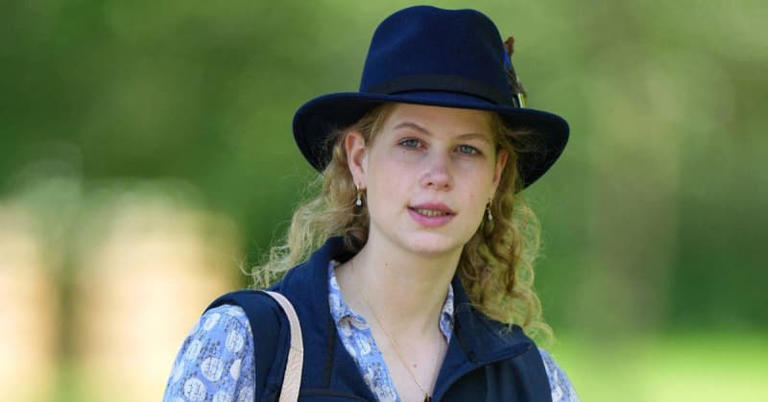
Lady Louise Windsor: A Royal Life Defined by Grace

ppr-revolution.com – Lady Louise Windsor, born on November 8, 2003, is the elder child of Prince Edward, Duke of Edinburgh, and Sophie, Duchess of Edinburgh. As the granddaughter of Queen Elizabeth II and the late Prince Philip, Duke of Edinburgh, Louise holds a prominent place within the British royal family. However, unlike some of her royal cousins, Lady Louise has largely lived a life away from the media spotlight, with her parents opting to raise her and her younger brother, James, Viscount Severn, with a sense of privacy and normalcy.

Despite her royal heritage, Lady Louise’s life has been shaped by a deep respect for privacy, a dedication to her education, and a commitment to family and charity. As she grows into adulthood, Louise continues to carve her own path while maintaining the values of humility, service, and responsibility instilled in her by her parents.

Early Life and Education

Lady Louise Windsor was born at Frimley Park Hospital in Surrey, England, the first child of Prince Edward and Sophie, Duchess of Edinburgh. Her birth was a moment of joy for the royal family, as she was the first grandchild of Queen Elizabeth II and Prince Philip. Though Louise’s birth was celebrated by the royal family, her parents decided to raise her in a more private environment compared to some of her other royal cousins, who often appeared in the public eye from an early age.

Lady Louise was diagnosed with esotropia, a condition that causes the eyes to turn inward, and she underwent corrective surgery as a young child. This health issue was not widely publicized, reflecting the family’s preference for maintaining privacy regarding their children’s health and personal lives.

She attended St. George’s School in Windsor, where she was known for her quiet, studious nature. Louise later continued her education at Wellington College, a prestigious school in Berkshire. Her academic interests have largely been kept private, but it is clear that she has taken her education seriously, following in the footsteps of her parents, who have always placed great importance on learning and development.

In 2021, Lady Louise was accepted to St. Andrews University in Scotland, where she pursued a degree in English. St. Andrews is also the alma mater of her cousin, Prince William, and his wife, Catherine, Princess of Wales. Louise’s decision to attend university allowed her to experience life as a regular student, away from the full glare of the royal spotlight, a preference that aligns with her desire for privacy and a more independent lifestyle.

A Life of Privacy and Family

Throughout her childhood and teenage years, Lady Louise Windsor has enjoyed a relatively private life. Unlike many of her royal cousins, she has not been in the public eye often and has been largely kept out of media coverage. This approach to privacy is in line with the wishes of her parents, who have consistently prioritized normality for their children while ensuring that they understand their royal roles.

Lady Louise shares a close bond with her younger brother, James, Viscount Severn, born in 2007. The siblings have been seen together on several occasions at royal events, but they have largely grown up away from the public gaze. Their parents have made a conscious effort to give them as normal a childhood as possible, allowing them to attend school, enjoy time with friends, and pursue personal interests without constant media attention.

Lady Louise’s relationship with her grandparents, Queen Elizabeth II and Prince Philip, was one of affection and mutual respect. She was often seen with them at family gatherings and royal events, where her shy and composed demeanor stood out. Louise has spoken fondly of her grandparents, particularly of Prince Philip, with whom she shared a love of carriage driving—a sport in which her grandfather was an accomplished participant.

A Royal Role and Public Appearances

While Lady Louise Windsor has not taken on as many royal duties as some of her cousins, she has made occasional appearances at key events. She was part of the royal family’s public gatherings for events such as Trooping the Colour, the annual celebration of the Queen’s birthday, and royal weddings. Lady Louise also participated in several public engagements surrounding her grandfather Prince Philip’s memorial service in 2022, where she joined her family in honoring his legacy.

One of the most notable aspects of Louise’s royal life is her participation in carriage driving. She inherited this interest from her grandfather, Prince Philip, who was passionate about the sport. In fact, Louise has been involved in competitive carriage driving since she was a child, and she has competed in various events, demonstrating both her skill and her commitment to the sport. Her participation in carriage driving has become one of her most defining hobbies, and it has also allowed her to develop a deeper connection with the royal family’s traditions and interests.

Lady Louise Windsor’s Legacy and Future

As Lady Louise continues to grow older and further establish herself, her legacy within the royal family is one of quiet dignity and service. While she may not seek the limelight in the same way as other members of the royal family, Louise’s thoughtful and considerate nature speaks to the core values of the monarchy. She has embraced her role as a royal with humility, participating in public duties while maintaining her independence and prioritizing her education and family life.

Looking ahead, Lady Louise is likely to continue to play a role in royal life, though her public appearances will likely remain selective. She may choose to take on more royal duties in the future, particularly as the younger generation of royals becomes more involved in public service. However, her emphasis on privacy and personal growth will likely continue to shape her decisions.

Lady Louise Windsor’s journey is one of self-discovery and service, balancing her royal heritage with a desire for a more private life. Her royal legacy will be defined not by the number of public appearances she makes, but by the integrity, grace, and compassion she demonstrates in her personal and public life. With her quiet confidence and commitment to her family, Lady Louise is poised to continue to be a positive and influential member of the British royal family for years to come.
Javier Bardem: Intensity in Every Role

ppr-revolution.com – Javier Bardem is a name that resonates with intensity, passion, and an unparalleled commitment to his craft. The Spanish actor has carved a niche for himself in the world of cinema, known for his ability to bring depth and authenticity to every character he portrays. From chilling villains to complex protagonists, Bardem’s performances are nothing short of mesmerizing.

Early Life and Career Beginnings

Born on March 1, 1969, in Las Palmas, Spain, Javier Bardem hails from a family deeply rooted in the performing arts. His mother, Pilar Bardem, was a renowned actress, and his siblings also pursued acting careers. Bardem’s journey into acting began at an early age, with his first appearance on screen at just six years old. However, it wasn’t until his role in “Jamon Jamon” (1992) that he gained significant attention, marking the start of his rise to prominence.

Breakthrough Role and International Acclaim

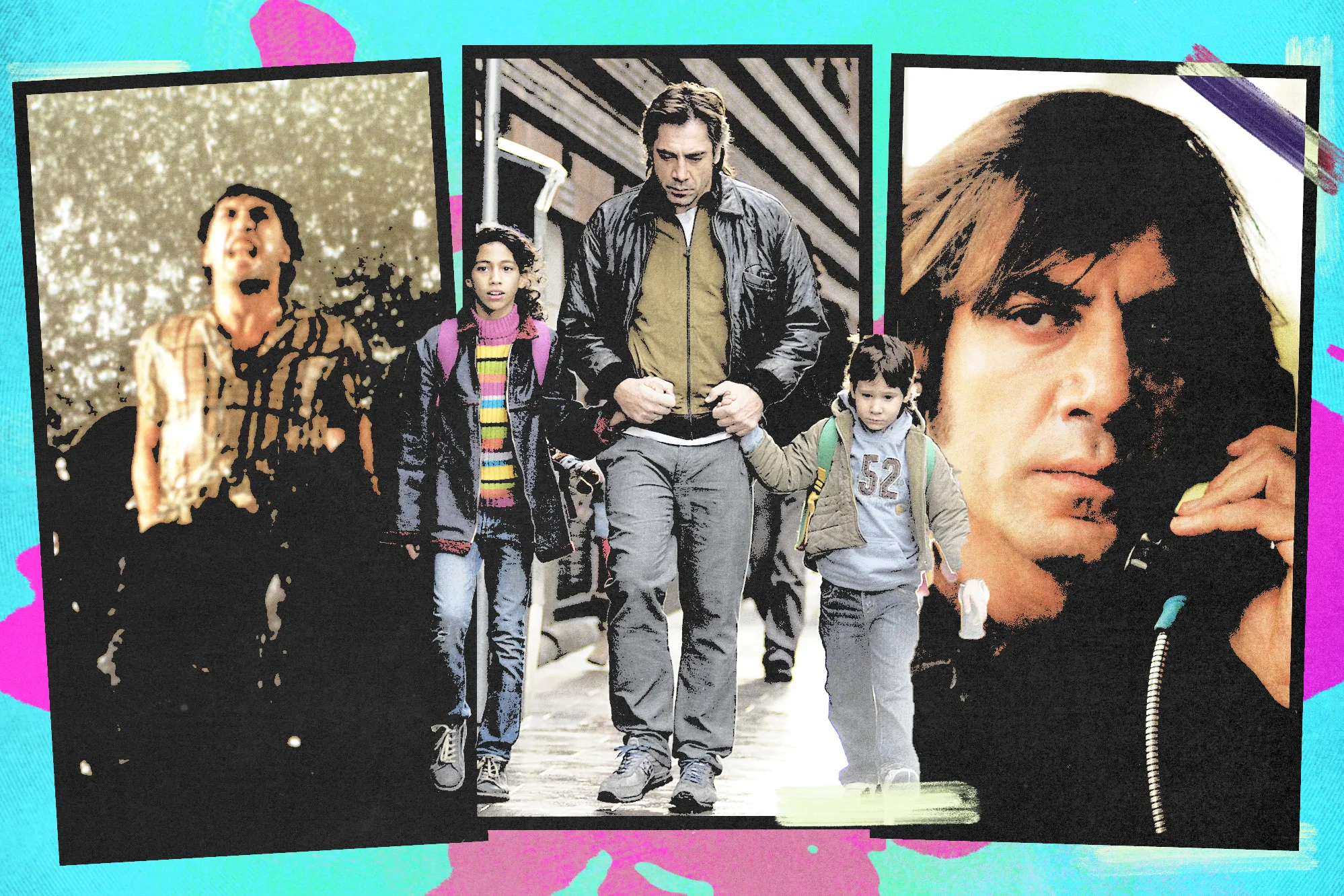
Bardem’s breakthrough came with the film “Before Night Falls” (2000), where he portrayed the Cuban poet and novelist Reinaldo Arenas. His performance earned him an Academy Award nomination for Best Actor, making him the first Spanish actor to receive such recognition. This role showcased his ability to embody complex characters, setting the stage for a career defined by versatility and intensity.

Iconic Performances

One of Bardem’s most iconic roles came in the Coen Brothers’ film “No Country for Old Men” (2007). His portrayal of the ruthless hitman Anton Chigurh earned him an Academy Award for Best Supporting Actor. The character’s chilling demeanor and Bardem’s meticulous attention to detail created a performance that remains etched in cinematic history.

In “Biutiful” (2010), Bardem delivered another powerful performance as Uxbal, a man grappling with his mortality and the challenges of fatherhood. His portrayal earned him the Best Actor award at the Cannes Film Festival and another Academy Award nomination, further cementing his status as one of the most talented actors of his generation.

Versatility Across Genres

Bardem’s ability to seamlessly transition between genres is a testament to his range as an actor. Whether it’s a romantic lead in “Vicky Cristina Barcelona” (2008) or a formidable villain in the James Bond film “Skyfall” (2012), Bardem consistently brings a unique intensity to each role. His dedication to understanding his characters’ motivations and emotions allows him to deliver performances that are both convincing and captivating.

Personal Life and Philanthropy

Beyond his acting prowess, Bardem is known for his activism and philanthropy. He is passionate about environmental issues and has been involved in various humanitarian efforts. Bardem’s commitment to making a positive impact on the world reflects his depth of character, both on and off the screen.

Conclusion

Javier Bardem’s career is a testament to the power of dedication, passion, and an unwavering commitment to authenticity in storytelling. His ability to infuse intensity into every role has made him a beloved and respected figure in the film industry. As he continues to take on new challenges and push the boundaries of his craft, audiences around the world eagerly anticipate the next chapter in his illustrious career.

The Real-Life Inspirations Behind Pirates of the Caribbean

ppr-revolution.com – The Pirates of the Caribbean film series, a beloved franchise that has captured the imaginations of audiences worldwide, draws its inspiration from a variety of historical, cultural, and thematic sources. While the movies are works of fiction, they are rooted in real-life events, historical figures, and the lore of the Golden Age of Piracy. This article explores the real-life inspirations behind the Pirates of the Caribbean films, delving into the historical context, the influence of the Disney theme park ride, and the creative liberties taken by the filmmakers.

The Golden Age of Piracy

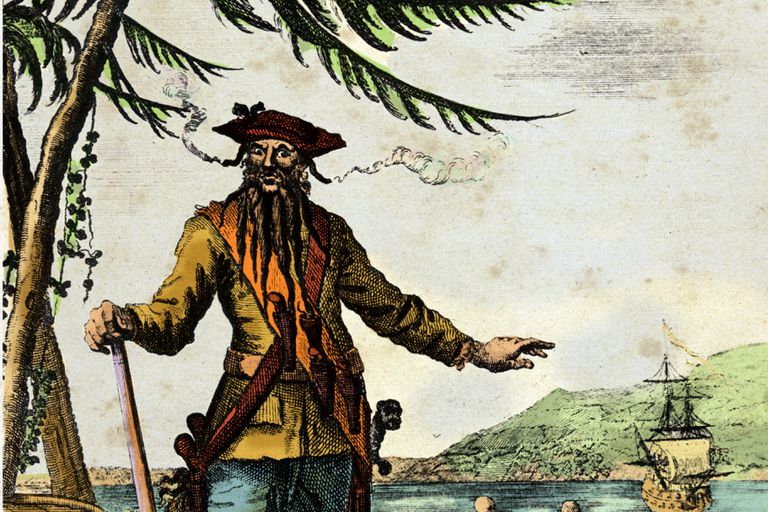
The Golden Age of Piracy, spanning roughly from the mid-17th century to the early 18th century, serves as the backdrop for the Pirates of the Caribbean series. This era was marked by a rise in sea-borne crime, with notorious pirates such as Blackbeard, Calico Jack, and Henry Morgan terrorizing the seas. The films draw heavily from the legends and exploits of these real-life pirates, incorporating elements of their stories into the adventures of Captain Jack Sparrow and his crew.

The Disney Theme Park Ride

The genesis of the Pirates of the Caribbean franchise can be traced back to the eponymous attraction at Disneyland, which opened in 1967. The ride, with its Audio-Animatronic figures and immersive environments, was a significant influence on the creation of the film series. The movies pay homage to the ride, featuring similar settings, characters, and even dialogue. The success of the films has, in turn, led to updates and expansions of the theme park attraction, blending the original concept with elements introduced in the movies.

Historical Figures and Legends

Several characters in the Pirates of the Caribbean films are based on real-life pirates and historical figures. For instance, Captain Barbossa is loosely inspired by the Welsh pirate Bartholomew Roberts, known for his elaborate dress and the numerous ships he captured. The character of Blackbeard, who appears in “On Stranger Tides,” is based on the infamous pirate Edward Teach, known for his intimidating appearance and strategic use of fear.

Creative Liberties and Fictional Elements

While the Pirates of the Caribbean films are grounded in historical context, they also incorporate a wealth of fictional elements, including magical artifacts, supernatural beings, and fantastical adventures. The inclusion of the Fountain of Youth, the Dead Man’s Chest, and the Brethren Court expands the narrative beyond the confines of reality, blending history with fantasy to create a unique cinematic universe.

Conclusion

The Pirates of the Caribbean film series stands as a testament to the enduring fascination with pirates and the high seas. By drawing on real-life events, historical figures, and the iconic Disney theme park ride, the movies offer a rich tapestry of adventure, humor, and drama. The blend of historical accuracy with creative liberties and fictional elements creates a compelling narrative that appeals to audiences of all ages, ensuring the legacy of the Pirates of the Caribbean will continue to inspire and entertain for generations to come.