Balenciaga Perfumes: Elegance, Innovation, and Modernity

ppr-revolution.com – Balenciaga, a name synonymous with high fashion and innovation, has made a remarkable contribution to the world of fragrances. Since its inception, the brand has been a leader in the fashion industry, with its designs showcasing impeccable craftsmanship, elegance, and avant-garde sensibility. Over the years, Balenciaga perfumes have embodied the same qualities, offering fragrances that are not only luxurious and sophisticated but also modern and daring.

In this article, we will delve into the history of Balenciaga as a perfume house, the philosophy behind its fragrances, and the signature scents that have become beloved by fragrance enthusiasts worldwide. From the brand’s first perfume to its more recent releases, Balenciaga perfumes reflect the evolution of both the house and the art of perfumery itself.

The History of Balenciaga: A Fashion Legacy

Balenciaga was founded by Spanish designer Cristóbal Balenciaga in 1917, and the brand quickly became a dominant force in haute couture. Known for his groundbreaking designs and meticulous craftsmanship, Balenciaga was hailed as one of the greatest couturiers of the 20th century. His work was known for its architectural shapes, innovative use of fabrics, and impeccable tailoring, which earned him a devoted following among fashion elites and royalty.

Although Balenciaga’s legacy was rooted in fashion, the brand’s influence eventually expanded into the world of fragrance. In 1947, Balenciaga introduced its first fragrance, Le Dix, a scent that echoed the designer’s minimalist yet luxurious approach to fashion. The success of this perfume would mark the beginning of Balenciaga’s journey into the world of perfumes, paving the way for a future collection that would combine modernity, elegance, and artistry.

While the brand underwent various transformations throughout the years, including the change in creative direction and ownership, Balenciaga perfumes have remained a key aspect of its identity, showcasing the same sense of luxury and innovation that defined the fashion house.

The Philosophy Behind Balenciaga Fragrances: Modernity Meets Elegance

The philosophy of Balenciaga perfumes is rooted in a desire to create scents that are both modern and timeless. While the fragrances reflect the heritage of the brand, they also aim to push the boundaries of traditional perfumery, combining classic elements with a contemporary twist. The result is a collection of perfumes that are bold, elegant, and avant-garde—qualities that are consistent with the Balenciaga fashion ethos.

One of the key aspects of Balenciaga fragrances is their focus on creating memorable and distinctive scents. Unlike some perfume houses that rely on trends or mass appeal, Balenciaga seeks to craft fragrances that stand out and leave a lasting impression. The house’s perfumes are known for their refinement, depth, and complexity, offering a unique olfactory experience that evokes a sense of luxury without being overly opulent.

In addition to their sophisticated compositions, Balenciaga perfumes often feature unexpected combinations of notes, reflecting the brand’s willingness to experiment and innovate. The use of fresh, floral, and woody notes blends seamlessly with spicy or gourmand elements, creating perfumes that feel both contemporary and timeless.

The Iconic Fragrances of Balenciaga: A Blend of Tradition and Innovation

Over the years, Balenciaga has released a number of perfumes that have garnered attention for their artistry and uniqueness. Some of these fragrances have become iconic within the world of perfumery, celebrated for their ability to evoke the essence of the brand while remaining distinctive and memorable. Below are some of the standout perfumes that have shaped Balenciaga’s olfactory legacy.

1. Balenciaga Le Dix: The Classic Beginning

Launched in 1947, Le Dix was Balenciaga’s first fragrance and remains a classic. This perfume was created by renowned perfumer Germaine Cellier, known for her innovative approach to scent-making. Le Dix was designed to mirror the minimalist sophistication of Cristóbal Balenciaga’s fashion collections, which were characterized by clean lines, structured silhouettes, and an understated elegance.

The fragrance is floral and woody, with top notes of rose, jasmine, and lily of the valley, which give it a delicate yet sophisticated opening. The heart notes of iris, violet, and carnation add complexity, while the base notes of sandalwood, amber, and musk provide a soft, sensual finish. The overall effect is one of understated elegance—a timeless scent that complements the classic nature of Balenciaga’s fashion.

Le Dix is a fragrance that remains beloved by perfume enthusiasts for its feminine charm, refined character, and connection to the history of Balenciaga as a house.

2. Balenciaga Paris: A Modern Classic with a Bold Twist

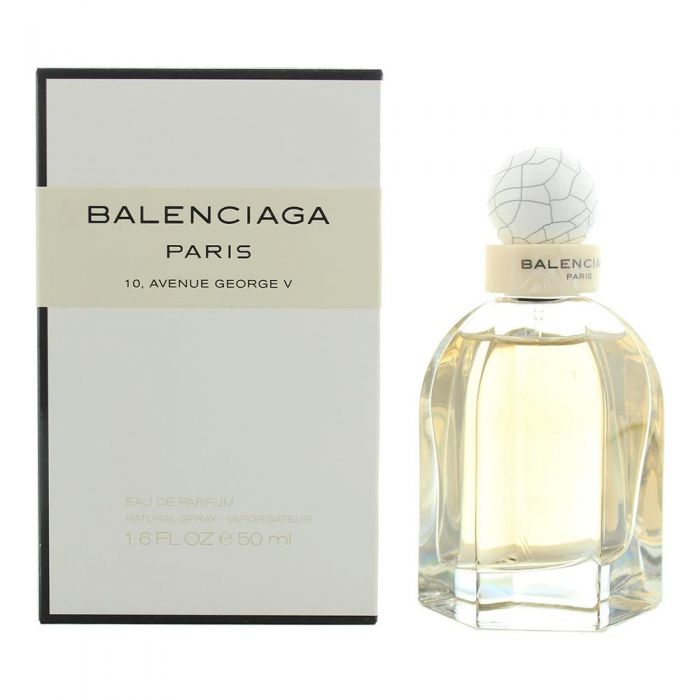
Released in 2009, Balenciaga Paris is a fragrance that embraces the house’s heritage while offering a contemporary twist. The perfume is floral and woody, with a blend of violet, leather, and patchouli that gives it a distinctively modern and elegant character. Created by perfumer Olivia Giacobetti, this fragrance is a tribute to the spirit of the city of Paris—its elegance, vibrancy, and artistic atmosphere.

The top notes of violet leaf and bergamot give the fragrance an initial green and fresh opening, while the heart reveals a bouquet of lily of the valley, jasmine, and peony, which add a delicate floral touch. The base notes of leather, patchouli, and cedarwood provide depth and a hint of earthiness, creating a fragrance that feels grounded and sophisticated.

Balenciaga Paris is often considered a modern classic for its ability to capture the essence of Parisian chic while incorporating the brand’s innovative spirit. It is a perfect blend of freshness and depth, offering a fragrance that is wearable yet distinctive.

3. Balenciaga Florabotanica: A Contemporary Floral Masterpiece

Released in 2012, Florabotanica is one of the most well-known and innovative fragrances from Balenciaga. Designed by perfumer Olivier Polge, this fragrance is a modern floral with a fresh, vibrant twist. Florabotanica combines classic floral notes with spicy, woody, and green elements, creating a fragrance that is as complex as it is alluring.

The top notes of mint and citrus provide a fresh, invigorating opening, while the heart is filled with a mix of rose, carnation, and caladium leaf, which offer a fresh yet romantic floral composition. The base notes of vetiver, amber, and moss ground the fragrance with earthy, woody elements that create a sense of depth and sensuality.

Florabotanica is known for its striking duality—combining both delicate floral notes and bold contrasts—which gives the fragrance its signature intrigue. It is a scent that speaks to both modernity and tradition, making it an ideal choice for those seeking a unique floral experience.

4. Balenciaga B. Balenciaga: A New Era in Fragrance

Launched in 2014, B. Balenciaga is a fragrance that represents a new chapter for the brand. Created by perfumer Denise Sanger, this scent is a contemporary blend of floral, woody, and green notes that evoke a sense of modern femininity. The fragrance was designed to embody the free-spirited and bold nature of Balenciaga’s founder, Cristóbal Balenciaga, while remaining grounded in the brand’s innovative approach to design.

The fragrance opens with fresh and green notes of violet leaf, woodsy cedar, and saffron, giving it an immediately fresh and earthy quality. The heart reveals a delicate floral mix of lily of the valley, jasmin, and floral wood notes, while the base features moss, amber, and vetiver, adding a touch of sensuality and complexity.

B. Balenciaga is perfect for those who enjoy modern, clean fragrances with an edgy twist. It’s a versatile scent that is both fresh and grounded, making it suitable for everyday wear while still carrying the luxurious air of the Balenciaga brand.

Balenciaga Perfumes: A Timeless Yet Modern Legacy

Balenciaga perfumes have captured the essence of the brand’s legacy—where fashion meets art and modernity intertwines with tradition. Each fragrance represents a unique chapter in the brand’s history, showcasing the innovation and luxury that define Balenciaga’s couture collections. From the classic elegance of Le Dix to the contemporary charm of B. Balenciaga, the house’s fragrances continue to resonate with those seeking scents that are not only beautiful but also distinctive and memorable.

Whether you are a longtime fan of Balenciaga’s perfumes or new to the brand, the world of Balenciaga fragrances offers a sensory experience that is both luxurious and forward-thinking. With each perfume, Balenciaga invites you to explore its rich heritage while embracing the future of fragrance—where timeless sophistication meets modern innovation.

Chloé Nomade: A Journey of Freedom and Femininity

ppr-revolution.com – Chloé Nomade, a fragrance that captures the spirit of a free-spirited and adventurous woman, is a celebration of individuality and a love for exploration. Launched in 2018, this iconic scent has quickly become a global phenomenon, captivating hearts and senses with its unique blend of fresh florals and earthy woods.   

A Symphony of Freedom

Nomade is a captivating olfactory journey, a symphony of contrasting elements that reflect the adventurous spirit of the modern woman.

  • Top Notes: The fragrance opens with a vibrant burst of freesia, a delicate and uplifting floral note that evokes a sense of freedom and joy.   
  • Heart Notes: The heart unfolds with the voluptuous sweetness of mirabelle plum, adding a touch of sensuality and intrigue.   
  • Base Notes: The base notes provide a grounding and earthy foundation, with notes of oakmoss and cedarwood creating a lingering trail of alluring warmth and sophistication.

A Modern Ode to Wanderlust

Nomade is a fragrance that embodies the spirit of a modern adventurer, a woman who is constantly exploring new horizons and embracing life’s unexpected detours. It’s a scent that celebrates individuality and encourages self-expression.

An Iconic Bottle

The Nomade bottle is a testament to Chloé’s commitment to elegance and sophistication. The sleek, minimalist bottle, adorned with a delicate pink ribbon, is a captivating object of desire. It’s a symbol of effortless chic and understated luxury, reflecting the spirit of the fragrance within.   

A Global Phenomenon

Nomade has quickly become a global phenomenon, beloved by women of all ages and backgrounds. Its timeless appeal lies in its ability to capture the essence of modern femininity – confident, independent, and unapologetically herself. It’s a fragrance that empowers women to embrace their individuality and express their unique personalities.

A Legacy of Innovation

Nomade is not just a fragrance; it’s a cultural icon. Its success has solidified Chloé’s position as a leader in the fragrance industry, and its influence can be seen in countless other modern perfumes. This iconic scent continues to inspire and captivate, proving that the spirit of Chloé lives on in every bottle.

In Conclusion

Chloé Nomade is more than just a perfume; it’s a celebration of freedom, a testament to the adventurous spirit of the modern woman, and a reminder to embrace life’s journey with open arms. This captivating fragrance continues to inspire and empower women around the world, reminding them to embrace their individuality and express their unique personalities.

Juliet of the Spirits (1965): A Surreal Journey into the Mind

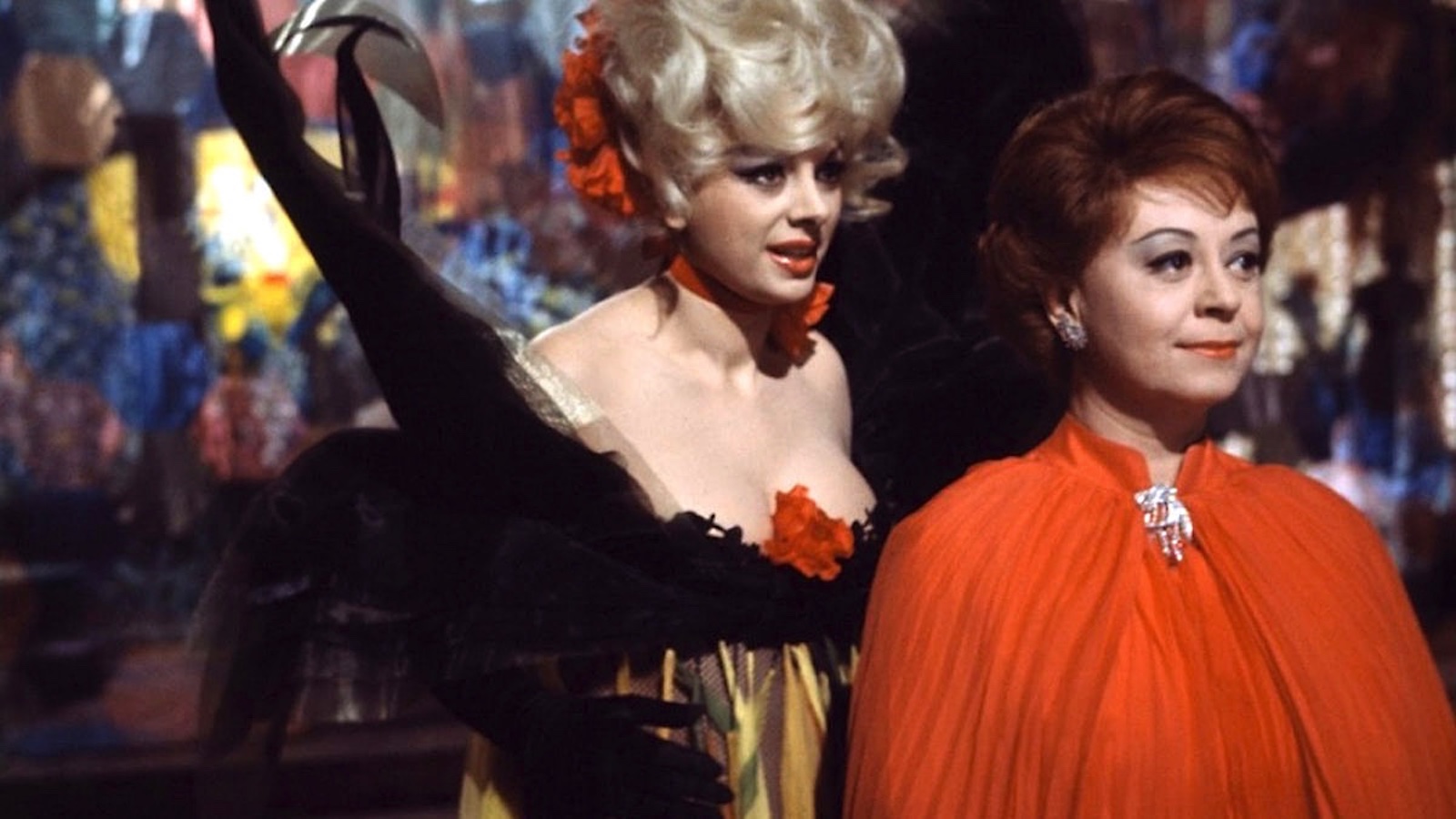
ppr-revolution.com – Federico Fellini’s Juliet of the Spirits (1965) is a surreal and dreamlike exploration of the human psyche. This cinematic masterpiece delves into the depths of a woman’s subconscious, blending fantasy and reality to create a visually stunning and emotionally resonant experience.   

A Protagonist Unbound

The film centers around Giulietta Masina, a captivating performance as the titular character, Juliet. Juliet is a woman of contradictions, both ordinary and extraordinary, who embarks on a journey of self-discovery. As she confronts her husband’s infidelity and the complexities of her own desires, she begins to unravel the mysteries of her subconscious.   

A Surrealist Tapestry

Fellini’s signature style is on full display in Juliet of the Spirits. The film is a visual feast, filled with surreal imagery, vivid colors, and striking set designs. From the ethereal dream sequences to the bizarre characters that populate Juliet’s world, every frame is a work of art.   

A Psychological Odyssey

Beyond its visual splendor, Juliet of the Spirits is a profound psychological exploration. The film delves into themes of identity, desire, and the power of the imagination. Fellini’s masterful storytelling and Masina’s captivating performance elevate the film to a truly unforgettable cinematic experience.   

A Timeless Classic

Juliet of the Spirits is a timeless classic that continues to captivate audiences with its unique blend of surrealism, fantasy, and psychological insight. It is a film that rewards repeated viewings, offering new layers of meaning and interpretation with each watch.

A Must-See for Film Lovers

If you appreciate visually stunning films with a strong emotional core, Juliet of the Spirits is a must-see. Its enduring appeal lies in its ability to transport viewers to a world of dreams, desires, and the unknown.

La Dolce Vita (1960): Rome’s Glamour and Despair

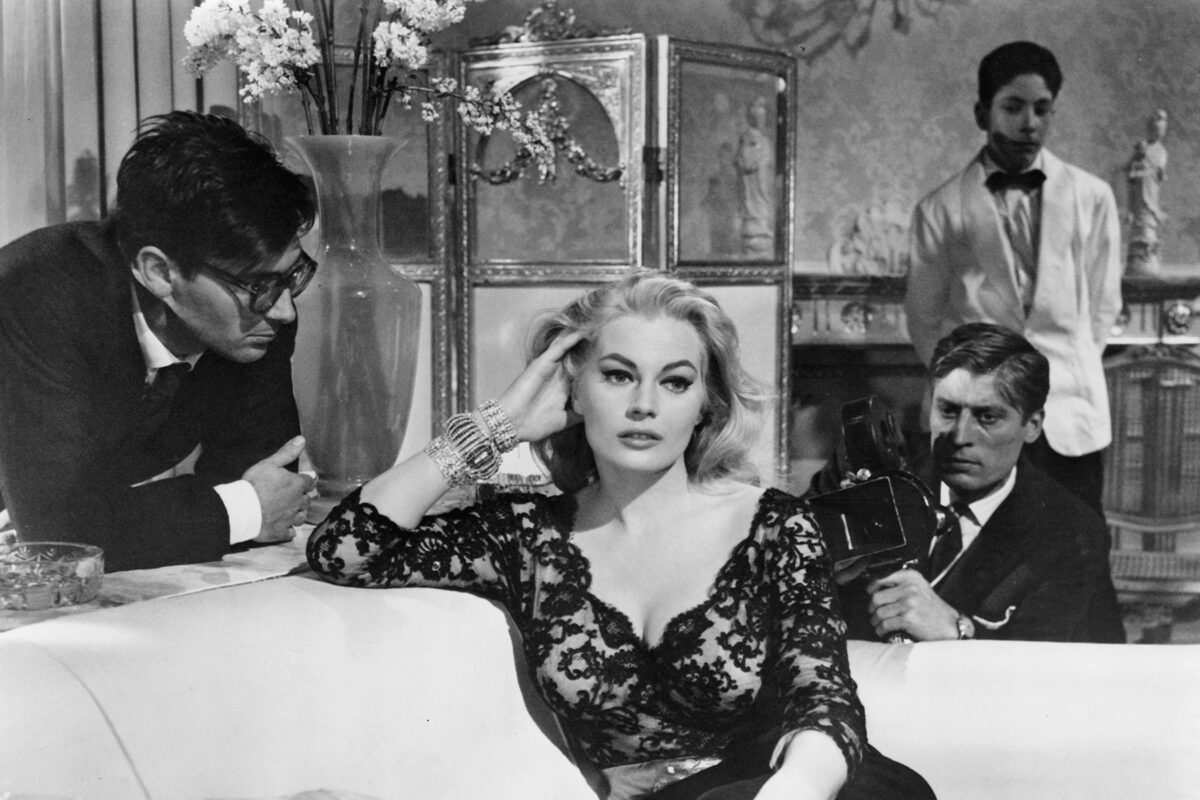
ppr-revolution.com – Federico Fellini’s “La Dolce Vita” is an iconic film that captures the essence of Rome during the 1960s. Released in 1960, the movie presents a vivid portrayal of the city’s vibrant nightlife and the complex life of a journalist named Marcello Rubini. With its rich narrative and stunning visuals, “La Dolce Vita” stands as a masterpiece that explores themes of love, morality, and the search for meaning in an ephemeral world.

Plot Overview

The film follows Marcello Rubini, played by Marcello Mastroianni, a journalist who immerses himself in the hedonistic lifestyle of Rome’s elite society. As he navigates through parties, romantic encounters, and professional dilemmas, Marcello becomes increasingly disillusioned with the superficiality that surrounds him. “La Dolce Vita” is structured as a series of loosely connected episodes, each revealing a different facet of Marcello’s life and the people he encounters.

Themes and Symbolism

“La Dolce Vita” delves into several themes, including the pursuit of pleasure, the search for authenticity, and the moral decay of society. The film’s title, which translates to “The Sweet Life,” is both ironic and reflective, highlighting the contrast between the glamourous facade of Rome’s nightlife and the emptiness that lies beneath. Fellini uses Rome itself as a character, with its architecture and landmarks serving as a backdrop for Marcello’s existential journey.

One of the most iconic scenes in the film is the Trevi Fountain sequence, where Anita Ekberg’s character, Sylvia, wades into the water, symbolizing both allure and unattainability. The scene encapsulates the film’s exploration of desire and the fleeting nature of happiness.

Cinematic Style

Fellini’s direction in “La Dolce Vita” is characterized by its striking black-and-white cinematography, innovative camera work, and a blend of realism with surrealism. The film’s episodic structure and dynamic visual storytelling create a dreamlike atmosphere that enhances the narrative’s exploration of life’s contradictions.

The use of music, composed by Nino Rota, complements the film’s mood, ranging from playful to melancholic, and underscores the emotional depth of the story.

Cultural Impact and Legacy

Upon its release, “La Dolce Vita” was both controversial and critically acclaimed, sparking debates about its portrayal of modern society. It won the Palme d’Or at the 1960 Cannes Film Festival and remains influential in cinema and popular culture. The film introduced the term “paparazzi” to the world, named after the character Paparazzo, a photographer who follows Marcello throughout the film.

“La Dolce Vita” continues to be studied for its artistic and cultural significance, offering insights into the human condition and the complexities of modern life. Its exploration of existential themes and its visual grandeur have cemented its status as a timeless classic.

Conclusion

Federico Fellini’s “La Dolce Vita” is more than just a film; it is a profound meditation on the search for meaning amidst the chaos of contemporary life. Through the lens of Marcello Rubini’s experiences, Fellini crafts a narrative that resonates with audiences, inviting them to reflect on their own lives and the world around them. As a landmark in film history, “La Dolce Vita” remains a testament to the power of cinema to explore and illuminate the human soul.

British Museum: A Journey Through Culture and History

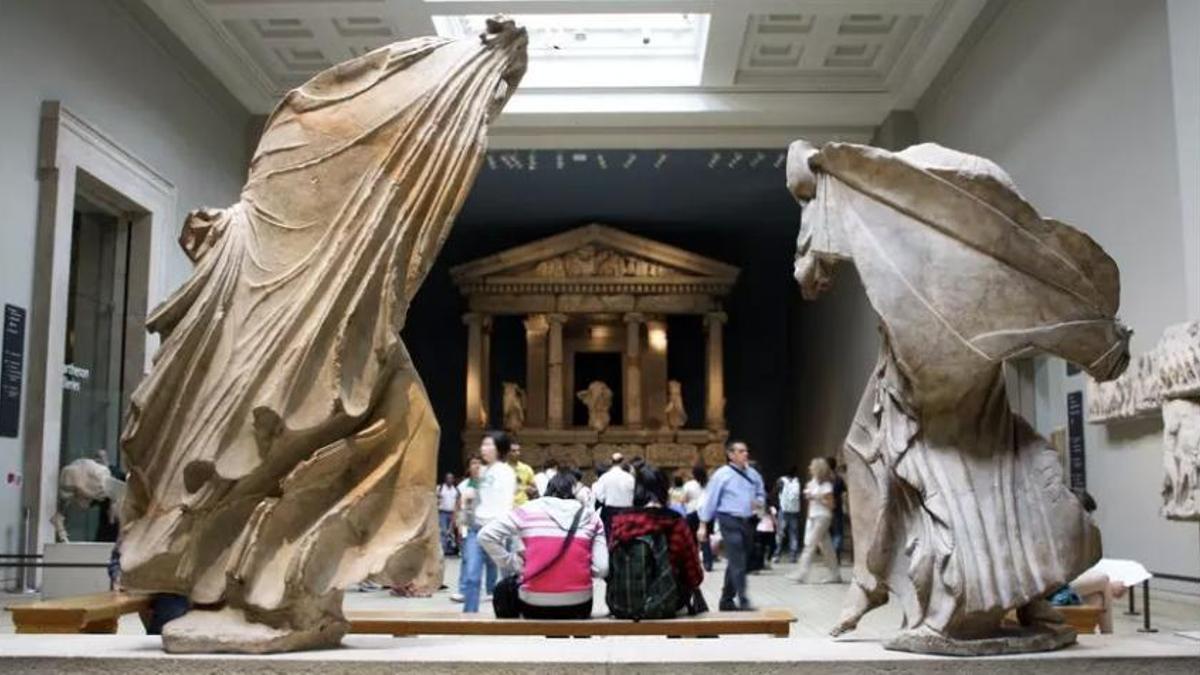
ppr-revolution.com – The British Museum, located in the heart of London, is a globally recognized institution renowned for its vast collection of art and antiquities. It stands as a beacon of cultural and historical preservation, attracting millions of visitors each year who are eager to explore its diverse exhibits.

A Brief History

Founded in 1753, the British Museum was the first national public museum in the world. It was established by an Act of Parliament with the initial collection bequeathed by Sir Hans Sloane. The museum opened its doors to the public in 1759, and since then, it has grown to house over eight million works spanning two million years of history.

The Collections

The British Museum’s collection is one of the most comprehensive in the world, featuring artifacts from every continent. Key highlights include the Rosetta Stone, the Elgin Marbles, and the Egyptian mummies. The museum is divided into departments such as Ancient Egypt and Sudan, Asia, Africa, Oceania, and the Americas, each offering a deep dive into different cultures and time periods.

Notable Exhibits

  1. The Rosetta Stone: This iconic artifact was instrumental in deciphering Egyptian hieroglyphs, unlocking the secrets of ancient Egyptian civilization.
  2. The Elgin Marbles: Originally part of the Parthenon in Athens, these sculptures have been a subject of international debate regarding cultural repatriation.
  3. The Egyptian Mummies: The museum’s Egyptian collection is one of the largest outside of Egypt, offering insights into the ancient world’s beliefs about death and the afterlife.

The Museum Experience

Visitors to the British Museum can expect a journey through time and space, with exhibits organized to provide educational insights as well as aesthetic appreciation. The museum also hosts temporary exhibitions, events, and educational programs, making it a dynamic space for learning and exploration.

Controversies and Challenges

The British Museum has faced ongoing controversies, particularly regarding the ownership and repatriation of certain artifacts. Debates continue over the return of items such as the Elgin Marbles to Greece and the Benin Bronzes to Nigeria. These discussions form part of a broader conversation about colonial history and cultural heritage.

Conclusion

The British Museum remains a pivotal institution in the world of art and history. Despite the challenges it faces, it continues to serve as a place of learning and inspiration, inviting visitors from around the globe to engage with the stories of humanity’s past. Its role in preserving and presenting the world’s cultural heritage ensures that it remains a must-visit destination for anyone interested in the rich tapestry of human history.

Eternal Horizon: A Timeless Journey into the Infinite

ppr-revolution.com – “Eternal Horizon” is a concept that captures the imagination of those fascinated by the infinite possibilities of the universe. It represents the idea of an endless journey, a never-ending quest for knowledge, and a deep appreciation for the mysteries that lie beyond the visible spectrum. In this article, we delve into the significance of the “Eternal Horizon,” exploring its philosophical underpinnings, its representation in art and literature, and its implications for our understanding of the cosmos.

The Philosophical Underpinnings

At its core, the “Eternal Horizon” symbolizes the human desire to explore and understand the unknown. Philosophers throughout history have pondered the nature of infinity and the eternal, often linking these concepts to the human pursuit of knowledge and truth. The horizon, which seems to stretch endlessly, serves as a metaphor for our ongoing journey toward enlightenment and understanding.

Artistic and Literary Representations

Artists and writers have long been inspired by the idea of the “Eternal Horizon.” From paintings that depict vast, open landscapes to literature that explores themes of eternity and infinity, the concept has been a source of creative inspiration. It invites viewers and readers to contemplate their place within the universe and consider the limitless possibilities that lie beyond the visible world.

Implications for Our Understanding of the Cosmos

In the realm of science, the “Eternal Horizon” can be seen as a metaphor for the ever-expanding universe. Astronomers and physicists continually push the boundaries of what we know, seeking to understand the vastness of space and the intricate laws that govern it. The horizon, in this context, represents the edge of our current understanding, urging us to look beyond and explore further.

Conclusion

The “Eternal Horizon” is a powerful symbol that resonates across disciplines, from philosophy to art to science. It challenges us to embrace curiosity, pursue knowledge, and appreciate the boundless wonders of our universe. As we stand on the brink of discovery, the horizon beckons us to journey onward, reminding us that the quest for understanding is as infinite as the universe itself.

A Journey Through Time: Serbian Art and Architecture

ppr-revolution.com – Serbian art and architecture are rich tapestries woven from the threads of history, culture, and the diverse influences that have shaped the region over millennia. This journey through time reveals the evolution of Serbian artistic expression and architectural styles, from the Byzantine influences of the medieval era to the modernist movements of the 20th century.

Medieval Heritage

The medieval period in Serbian art and architecture is marked by the profound influence of Byzantine art. This era is most evident in the numerous Serbian Orthodox monasteries, where frescos and icons are preserved, showcasing the intricate and vibrant Byzantine style. These monasteries, such as those in the Morava Valley, are not only religious sites but also significant cultural landmarks that reflect the artistic and spiritual life of the Serbian people during this period.

Early Modern Influence

As the 18th century approached, Serbian visual arts began to feel the influence of Western art, particularly under the Habsburg monarchy. This period saw a fusion of local Serbian traditions with European styles, leading to a unique artistic expression that was both innovative and deeply rooted in local heritage.

Architectural Evolution

The architecture of Serbia is a testament to the region’s long and diverse history, encompassing styles from Roman to Postmodern. Notable examples include the Raška, Serbo-Byzantine, Morava, Baroque, Classical, and Modern architecture. The latter includes Brutalism, which is prominently featured in Belgrade, reflecting the city’s modernist aspirations.

Yugoslav architecture, which emerged in the early 20th century, also left a significant mark on the country’s urban landscape. This style was characterized by unique national and regional narratives, often differing from the socialist architecture prevalent in other Eastern European countries.

Modern and Contemporary Art

In the modern era, Serbian art continued to evolve, influenced by international movements such as Art Nouveau and Modernism. The international style, which arrived in Yugoslavia in the 1980s, became prevalent in Belgrade after the tumultuous 1990s, shaping the city’s skyline with new architectural projects.

Conclusion

Serbian art and architecture are a reflection of the country’s complex history and cultural heritage. From the Byzantine influences of the medieval era to the modernist movements of the 20th century, each period has contributed to the rich tapestry of Serbian artistic and architectural expression. This journey through time highlights the resilience and creativity of the Serbian people, whose art and architecture continue to inspire and captivate audiences around the world.

This exploration of Serbian art and architecture is not only a journey through time but also a testament to the enduring spirit of creativity and cultural expression that defines this remarkable region.

Journey Through the Inner Solar System: The Rocky Planets

ppr-revolution.com – The inner solar system is home to the Rocky Planets, also known as the Terrestrial Planets. These are the four planets closest to the Sun: Mercury, Venus, Earth, and Mars. They are called “rocky” because they are composed primarily of silicate rocks and metals, which contrasts with the gas giants and ice giants that dominate the outer solar system. Here’s a brief journey through each of these fascinating worlds:

Mercury

Mercury is the smallest planet in our solar system and the closest to the Sun. It is named after the Roman messenger god, Mercury, known for his speed, because it moves quickly across the sky. Due to its proximity to the Sun, Mercury experiences extreme temperatures, with daytime temperatures reaching up to 430°C (800°F) and nighttime temperatures dropping to -180°C (-290°F). Despite its harsh environment, Mercury has a thin exosphere, a tenuously bound atmosphere composed of helium, hydrogen, oxygen, and sodium.

Venus

Venus is the second planet from the Sun and is similar in size to Earth, which has earned it the title of Earth’s “sister planet.” However, this resemblance is only superficial. Venus has a thick, toxic atmosphere composed primarily of carbon dioxide, with clouds of sulfuric acid. This atmosphere creates a runaway greenhouse effect, making Venus the hottest planet in our solar system, with surface temperatures around 465°C (870°F). The surface of Venus is covered in volcanic rock, with evidence of past volcanic activity.

Earth

Earth is the third planet from the Sun and the only known planet to support life. It has a unique combination of atmospheric conditions, liquid water, and a suitable climate that allows for the existence of a diverse biosphere. Earth’s atmosphere is composed primarily of nitrogen and oxygen, with trace amounts of carbon dioxide and other gases. The planet has one natural satellite, the Moon, which plays a crucial role in stabilizing Earth’s axial tilt and thus its climate.

Mars

Mars is the fourth planet from the Sun and is often referred to as the “Red Planet” due to its reddish appearance, which is caused by iron oxide (rust) on its surface. Mars has the largest mountain in the solar system, Olympus Mons, and the deepest, longest canyon system, Valles Marineris. It has a thin atmosphere composed mostly of carbon dioxide, with traces of water vapor. Mars has polar ice caps made of frozen water and carbon dioxide that change size with the seasons. The presence of water in its past has led to speculation about the possibility of past life on Mars, and it remains a prime target for the search for extraterrestrial life.

Exploration and Future Missions

The Rocky Planets have been the subject of numerous space missions. Mercury was explored by the MESSENGER spacecraft, Venus by the Magellan mission, Earth by various satellites and rovers, and Mars by several missions including the Mars rovers Spirit, Opportunity, Curiosity, and the Perseverance rover, which is currently searching for signs of ancient microbial life. Future missions aim to further explore these worlds, including potential crewed missions to Mars.

The journey through the inner solar system reveals a diverse set of worlds, each with its unique characteristics and challenges. These planets offer valuable insights into the formation and evolution of our solar system and the potential for life beyond Earth.

The Journey of Snack Foods Around the World

Snack foods are a universal pleasure, enjoyed by people of all ages and cultures. From the crunch of a potato chip to the sweetness of a chocolate bar, these bite-sized delights offer a momentary escape and a burst of flavor that can brighten any day. But have you ever wondered about the journey these snacks take from the field to your fingertips? It’s a fascinating voyage that spans continents, involves numerous processes, and touches the lives of countless people. Let’s embark on this journey together and explore the global odyssey of snack foods.

The Seed of an Idea: Cultivation and Sourcing

The story of snack foods begins in the fields where the raw ingredients are cultivated. Whether it’s potatoes for chips, cacao beans for chocolate, or corn for tortilla chips, the journey starts with farmers who sow the seeds and nurture the crops. These farmers are the backbone of the snack industry, and their expertise in agriculture is crucial for producing high-quality ingredients.

Once the crops are harvested, they are sorted and prepared for the next phase of their journey. Some ingredients may travel long distances to reach processing facilities, highlighting the global nature of the snack food industry.

Manufacturing Magic: Processing and Production

The next stop on our journey is the manufacturing plant, where raw ingredients are transformed into the snack foods we know and love. This is where the magic happens, with state-of-the-art technology and traditional recipes coming together to create a wide array of flavors and textures.

Potatoes are peeled, sliced, and fried or baked to create crispy chips. Cacao beans are fermented, dried, roasted, and ground into cocoa liquor, which is then refined and mixed with sugar and milk powder to make chocolate. Corn is milled and cooked to make masa, which is then pressed and cut to create tortilla chips.

Each snack has its own unique production process, often involving a combination of artisanal techniques and high-tech machinery. Quality control is paramount at this stage, with strict standards ensuring that every snack meets the required taste, texture, and safety criteria.

Packaging with Purpose: Preservation and Presentation

After production, snack foods are packaged to preserve their freshness and enhance their appeal. Packaging not only protects the snacks from moisture, air, and contaminants but also plays a crucial role in marketing. Eye-catching designs and informative labels help attract consumers and communicate the product’s features.

Sustainability is becoming an increasingly important consideration in packaging. Many companies are exploring eco-friendly options to reduce waste and minimize environmental impact.

Distribution Dilemmas: From Factory to Store Shelves

With the snacks safely packaged, they are ready to be distributed. This involves a complex logistical network that includes warehousing, transportation, and delivery to retailers around the world. The journey may take snack foods from factories in one country to supermarket shelves in another, showcasing the intricate web of trade that connects the global snack industry.

Retail and Beyond: The Final Frontier

The final leg of the journey is from the distribution center to the retail outlet. Whether it’s a local convenience store, a bustling supermarket, or an online marketplace, the snack foods are now within reach of consumers.

The retail environment is where the consumer’s journey intersects with that of the snack. Here, the packaging and branding do their final work, enticing shoppers to choose one snack over another. Once the purchase is made, the snack food is ready to be enjoyed, completing its journey from field to fingertips.

The Global Snack Food Culture

Snack foods are more than just a convenient way to satisfy hunger; they are a cultural phenomenon. Different regions of the world have their own unique snack foods, reflecting local tastes and traditions. From spicy Mexican chili-lime snacks to Japanese rice crackers, snack foods offer a taste of the world’s diverse culinary heritage.

The globalization of snack foods has also led to a fusion of flavors, with international ingredients and seasonings being incorporated into traditional snacks. This cultural exchange has enriched the snack food landscape, offering consumers a wider variety of choices.

Conclusion

The journey of snack foods from field to fingertips is a testament to human ingenuity, global trade, and the universal love of a good snack. It involves farmers, manufacturers, distributors, retailers, and, of course, consumers, all playing their part in a complex yet delightful chain of production and consumption.

As you reach for that bag of chips or unwrap a chocolate bar, take a moment to appreciate the incredible journey it has taken to arrive in your hands. Each snack tells a story of its own, a story of the land, the people, and the processes that have shaped it. Enjoy the flavors of the world, one snack at a time.