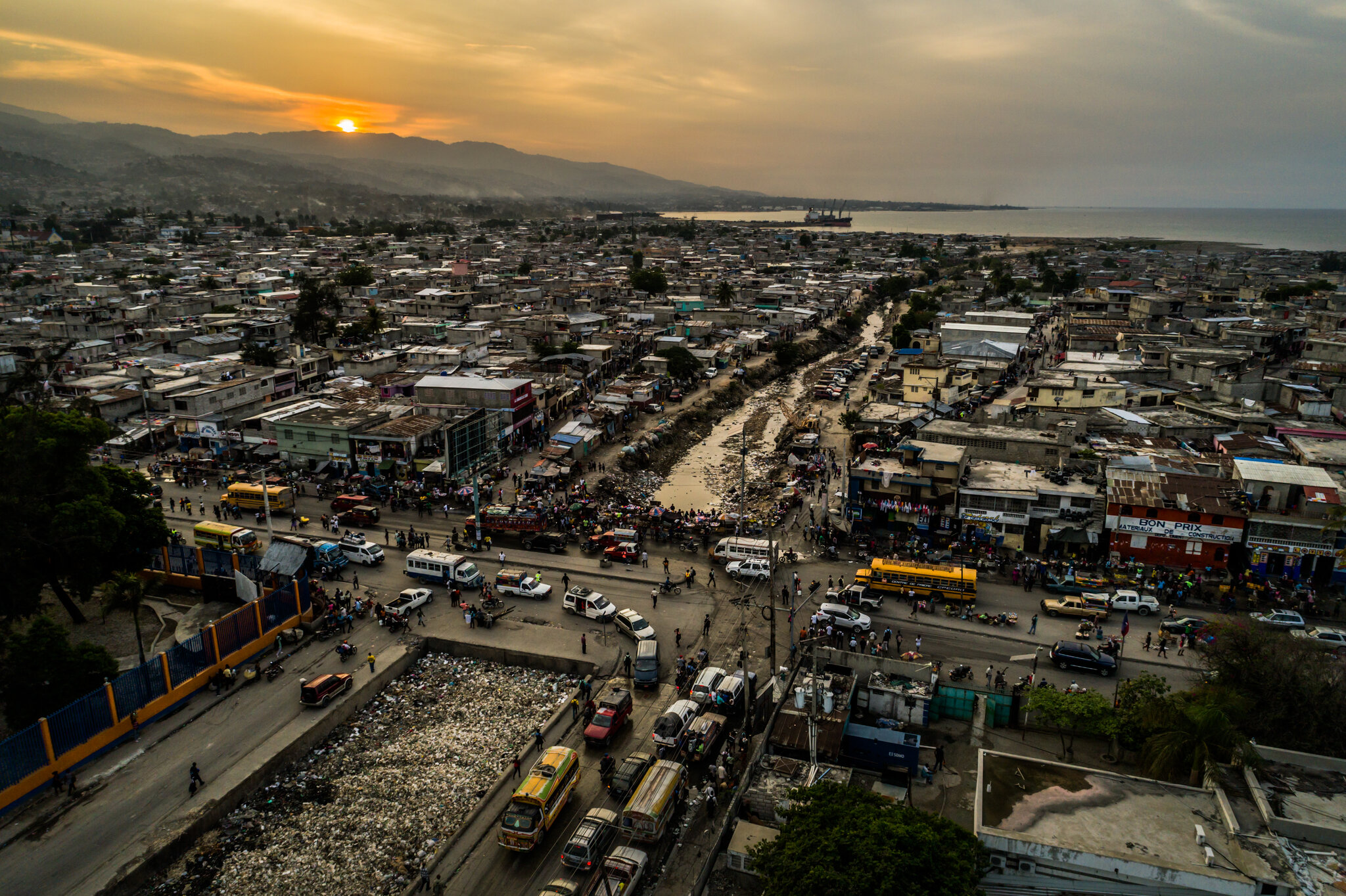
The Plight of Haiti: Poorest Country in the Western Hemisphere

ppr-revolution.com – Haiti, a small island nation in the Caribbean, holds the unfortunate title of being the poorest country in the Western Hemisphere. Despite its rich cultural heritage and the resilience of its people, Haiti has been beset by a multitude of challenges that have hindered its economic growth and development. This article explores the factors contributing to Haiti’s dire economic situation and the efforts being made to address these issues.

Historical Context

Haiti’s economic struggles can be traced back to its history of colonialism and the brutal slave regime that once dominated the island. The country gained independence in 1804 after a successful slave revolt, making it the first independent nation in Latin America and the Caribbean. However, the newly formed nation was burdened with a massive debt to France, which had to be repaid for nearly a century, stifling its economic development from the outset.

Economic Challenges

The Haitian economy is primarily agrarian, with a significant portion of the population engaged in subsistence farming. However, the country faces numerous challenges, including limited arable land, deforestation, and vulnerability to natural disasters such as hurricanes and earthquakes. These factors have repeatedly devastated the agricultural sector, which is the backbone of the economy.

In addition, political instability has been a constant issue in Haiti, leading to a lack of foreign investment and hindering the growth of other sectors. The country’s infrastructure is severely underdeveloped, with inadequate roads, ports, and utilities, which further impedes economic activity.

Impact of Natural Disasters

Haiti’s geographical location makes it particularly susceptible to natural disasters. The catastrophic earthquake in 2010 was a turning point, killing hundreds of thousands of people and destroying much of the capital, Port-au-Prince. The country has also been hit by several hurricanes and tropical storms, which have exacerbated its economic woes by destroying crops, homes, and vital infrastructure.

Humanitarian Efforts and International Aid

In response to Haiti’s dire situation, various international organizations and countries have provided humanitarian aid and support. These efforts have included disaster relief, healthcare initiatives, and education programs. However, the effectiveness of these interventions has been mixed, with some critics arguing that aid has not always been well-coordinated or effectively utilized.

Path to Recovery

For Haiti to emerge from its economic challenges, a multi-faceted approach is required. Stable governance, investment in infrastructure, and sustainable agricultural practices are essential steps. Additionally, diversifying the economy to reduce reliance on agriculture and fostering a supportive environment for local businesses could help create jobs and stimulate growth.

Conclusion

The title of the poorest country in the Western Hemisphere is a heavy burden for Haiti to bear. However, with concerted efforts from both within and outside the country, there is hope for a brighter future. Addressing the root causes of poverty and fostering a resilient, sustainable economy will be crucial in turning the tide for Haiti and its people.

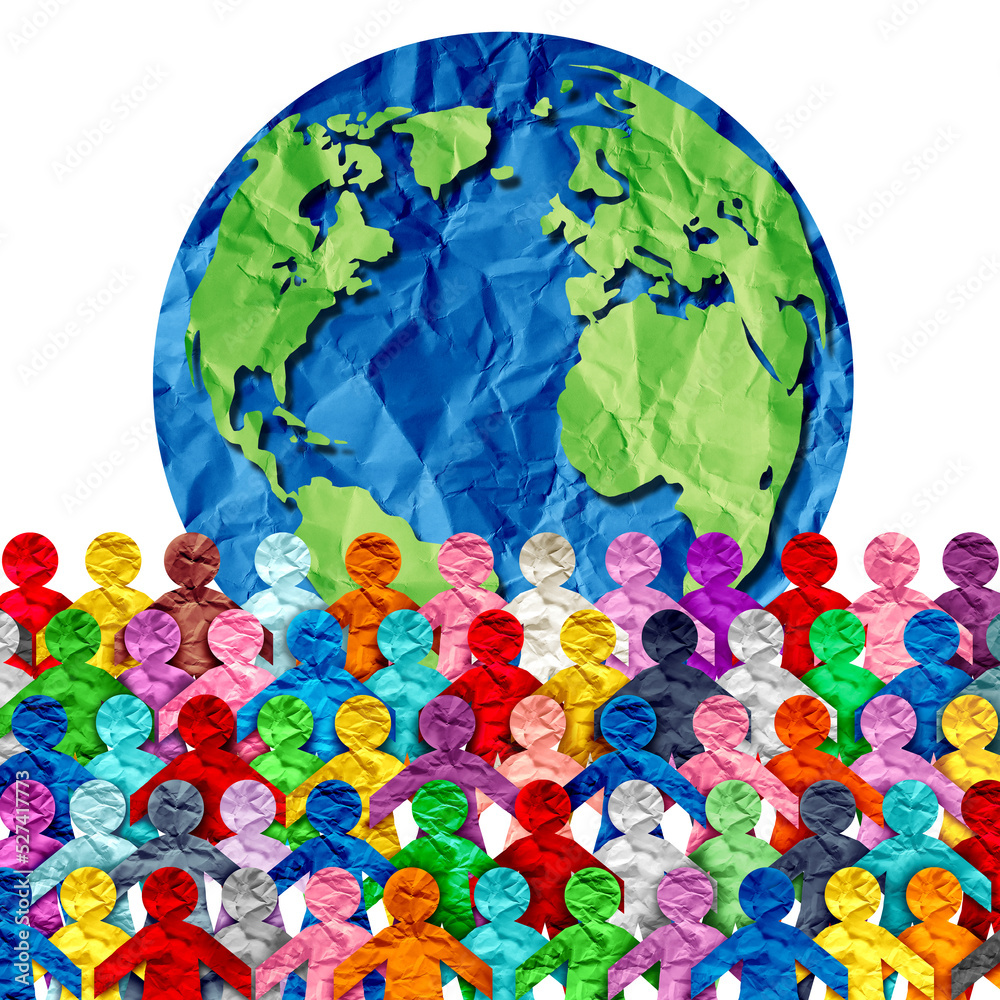
The Epicenters of Instability: The Most Dangerous Countries

ppr-revolution.com – In an interconnected world, the concept of safety and security has become a global concern. While many regions enjoy relative peace and prosperity, others are plagued by instability, conflict, and danger. These epicenters of instability are often the result of complex socio-political dynamics, economic disparities, and historical grievances. Understanding the nature of these dangerous countries is crucial for global security, humanitarian efforts, and the well-being of their populations. This article delves into the characteristics and challenges of some of the world’s most perilous nations, highlighting the multifaceted nature of instability.

1. Syria: The Crucible of Conflict

Syria has been synonymous with devastation since the outbreak of civil war in 2011. The conflict has led to hundreds of thousands of deaths, millions of refugees, and widespread destruction. The Assad regime’s brutal crackdown on protests, the rise of extremist groups like ISIS, and foreign intervention have turned the country into a battleground. The situation has exacerbated humanitarian crises, with entire cities reduced to rubble and a population struggling to survive amidst the chaos.

2. Afghanistan: A Land of Endless War

Afghanistan has been embroiled in conflict for decades, from the Soviet invasion in the 1980s to the U.S.-led war on terror post-9/11. The withdrawal of foreign troops and the Taliban’s resurgence in 2021 have plunged the country into uncertainty. Afghanistan’s rugged terrain and ethnic divisions have historically made it a challenging place to govern, leading to a persistent state of insecurity and underdevelopment. The country faces significant humanitarian and economic crises, with many fearing a return to the Taliban’s harsh rule and the suppression of rights, particularly for women and minorities.

3. Yemen: The World’s Forgotten War

Yemen’s civil war, which escalated in 2015, has turned the country into the site of the world’s worst humanitarian crisis. A Saudi-led coalition’s intervention against the Houthi rebels has resulted in a catastrophic impact on civilians. Blockades and bombings have led to widespread famine, disease, and displacement. Yemen’s infrastructure is in ruins, and its population is caught in a cycle of violence and suffering, with little international attention or aid.

4. Somalia: The Struggle Against Anarchy

Somalia has been without a functioning central government for much of the past three decades, making it a haven for piracy, terrorism, and clan-based violence. The rise of Al-Shabaab, an Al-Qaeda-linked militant group, has further destabilized the region. Despite efforts by the African Union and international partners to support the Somali government, the country remains fragile. Drought, famine, and a weak economy compound the challenges, leaving Somalia’s future uncertain.

5. North Korea: Isolation and Provocation

North Korea’s reclusive regime, led by Kim Jong-un, has made it one of the most dangerous countries in the world. Its nuclear weapons program, combined with a history of provocative actions, has raised tensions with neighboring countries and the international community. The regime’s human rights abuses, including the use of prison camps and public executions, have drawn widespread condemnation. North Korea’s isolationist policies have led to economic hardship for its people, yet the regime remains defiant, posing a significant threat to regional and global security.

Conclusion

The epicenters of instability are a stark reminder of the challenges that persist in our global community. These dangerous countries are not just isolated cases but reflect broader issues of governance, inequality, and the unresolved legacies of history. Addressing the root causes of instability requires a concerted effort from the international community, including diplomatic engagement, humanitarian assistance, and support for peacebuilding and development. While the path to stability is fraught with difficulties, it is imperative that we do not turn away from these crises. The safety and security of our interconnected world depend on it.

Multiculturalism in America: The Diversity Tapestry

The United States of America, often referred to as a melting pot, is a nation built on the foundation of diversity. Its history is a testament to the blending of various cultures, languages, and traditions, creating a unique tapestry of multiculturalism. This diversity is not just a characteristic of the American identity; it is a strength that enriches the social fabric, fosters innovation, and promotes a culture of inclusivity. In this article, we will explore the essence of multiculturalism in America, its challenges, and its contributions to the nation’s growth and prosperity.

The Tapestry of Cultures:
The American tapestry is woven from the threads of numerous cultures, each contributing its own colors and patterns. From the indigenous peoples who were the original inhabitants of the land to the waves of immigrants from Europe, Africa, Asia, and Latin America, each group has left an indelible mark on the nation’s cultural landscape. This multicultural heritage is celebrated through festivals, cuisines, languages, religions, and art forms, making the American identity a mosaic of diverse experiences and perspectives.

The Challenges of Multiculturalism:
While multiculturalism is a source of pride for many Americans, it is not without its challenges. The nation has grappled with issues of racial and ethnic discrimination, inequality, and social integration. The history of slavery, segregation, and various forms of exclusion has left deep scars that continue to impact communities of color. Moreover, the integration of diverse cultures into a cohesive society requires ongoing dialogue, understanding, and policy support to address disparities and ensure equal opportunities for all.

The Role of Education and Policy:
Education plays a pivotal role in nurturing multiculturalism. Schools and universities are increasingly embracing curricula that highlight the contributions of various ethnic groups to American society. This not only fosters a sense of belonging among students from diverse backgrounds but also promotes empathy and respect for different cultures.

Public policies also play a critical role in supporting multiculturalism. Affirmative action, anti-discrimination laws, and initiatives aimed at cultural preservation and integration are essential in creating an inclusive society. The government’s role in protecting minority rights and promoting cultural diversity is fundamental to the success of multiculturalism in America.

The Benefits of Multiculturalism:
Multiculturalism is a wellspring of creativity and innovation. The diverse perspectives brought by different cultures have fueled advancements in technology, science, arts, and business. The American economy has benefited immensely from the entrepreneurial spirit of immigrants, who have started businesses, created jobs, and contributed to economic growth.

Moreover, multiculturalism enriches the social and cultural life of the nation. It offers a broader range of experiences and insights, broadening the horizons of all Americans. The exchange of ideas, customs, and traditions leads to a more open and tolerant society, where diversity is celebrated as a national asset.

Conclusion:
The diversity tapestry of multiculturalism in America is a complex and vibrant mosaic that reflects the nation’s history, challenges, and aspirations. It is a testament to the strength and resilience of a society that thrives on the contributions of its diverse population. While the journey toward a fully inclusive society is ongoing, the commitment to multiculturalism remains a cornerstone of the American identity. As the nation continues to weave together the threads of its diverse cultures, it will undoubtedly emerge stronger, more united, and enriched by the tapestry of multiculturalism.