Gun the Man Down: A Gritty Western Revenge Tale

ppr-revolution.com – Gun the Man Down (1956) is a classic Western film that showcases the talents of James Arness and Angie Dickinson. Directed by Andrew V. McLaglen, the film tells the story of a betrayed outlaw seeking revenge against his former partners-in-crime.

A Betrayal and a Vow for Revenge

The film opens with a bank robbery gone wrong. Rem Anderson (James Arness), a skilled gunslinger, is severely wounded during the escape. His two partners, Matt Rankin (Robert J. Wilke) and Ralph Farley (Don Megowan), abandon him to the pursuing lawmen in order to secure their share of the loot. Left for dead, Rem swears vengeance on his treacherous companions.

Angie Dickinson’s Debut Role

Angie Dickinson makes her film debut in Gun the Man Down, portraying Jan, Rem’s loyal girlfriend. Her performance is captivating, and she quickly establishes herself as a promising young actress. Dickinson’s character adds a layer of romance and complexity to the film, as she navigates a dangerous world filled with betrayal and violence.

A Gritty and Realistic Western

Gun the Man Down is a gritty and realistic Western that eschews the idealized heroes and romantic clichés of the genre. The film’s characters are flawed and morally ambiguous, reflecting the harsh realities of the American frontier. The violence is intense and unflinching, and the film’s dark tone sets it apart from other Westerns of the era.

A Timeless Classic

Despite its relatively low budget, Gun the Man Down is a timeless classic that continues to captivate audiences. Its strong performances, compelling story, and gritty realism make it a must-watch for fans of the Western genre. The film’s exploration of themes such as betrayal, revenge, and redemption remains relevant today.
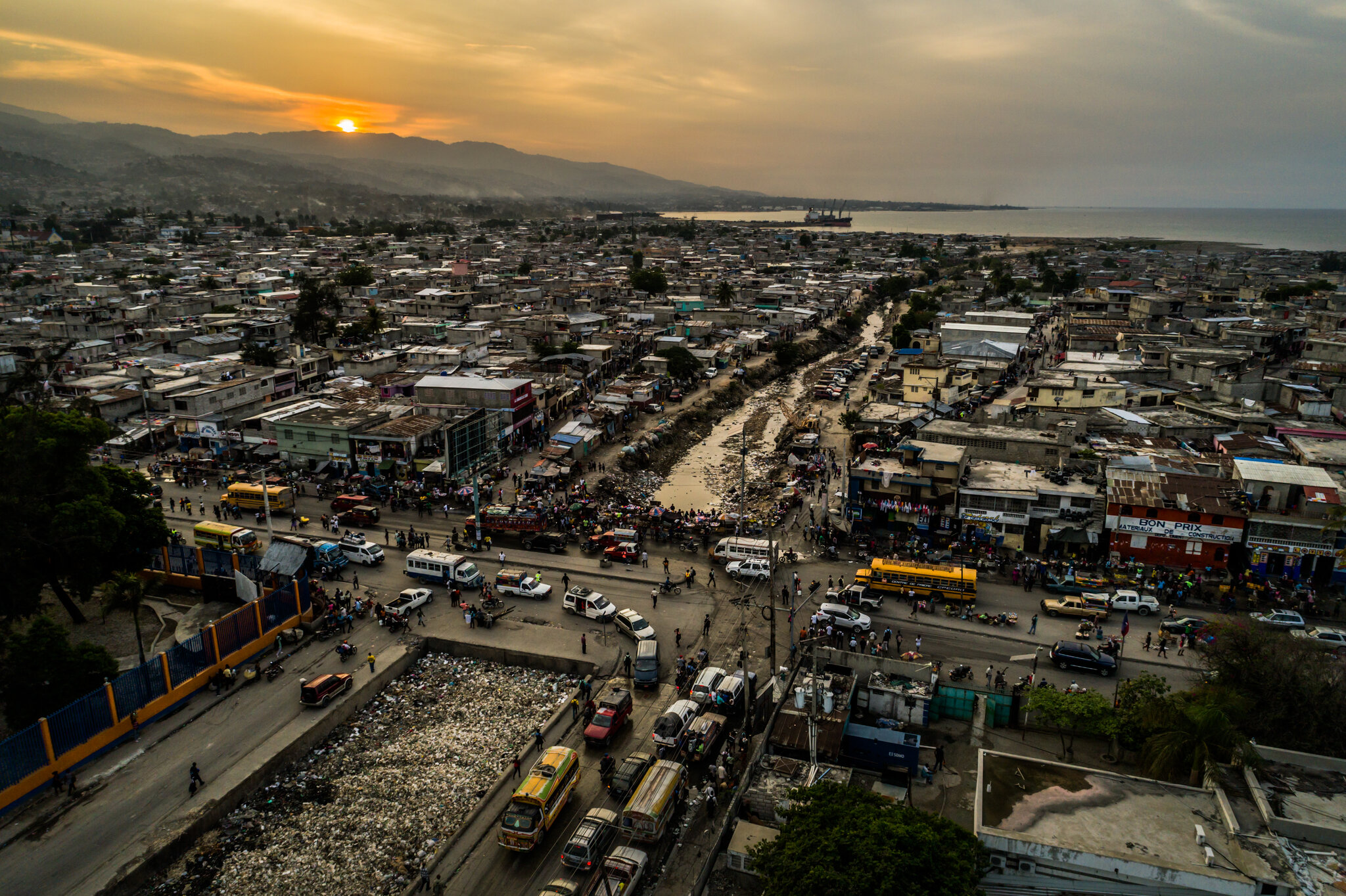
The Plight of Haiti: Poorest Country in the Western Hemisphere

ppr-revolution.com – Haiti, a small island nation in the Caribbean, holds the unfortunate title of being the poorest country in the Western Hemisphere. Despite its rich cultural heritage and the resilience of its people, Haiti has been beset by a multitude of challenges that have hindered its economic growth and development. This article explores the factors contributing to Haiti’s dire economic situation and the efforts being made to address these issues.

Historical Context

Haiti’s economic struggles can be traced back to its history of colonialism and the brutal slave regime that once dominated the island. The country gained independence in 1804 after a successful slave revolt, making it the first independent nation in Latin America and the Caribbean. However, the newly formed nation was burdened with a massive debt to France, which had to be repaid for nearly a century, stifling its economic development from the outset.

Economic Challenges

The Haitian economy is primarily agrarian, with a significant portion of the population engaged in subsistence farming. However, the country faces numerous challenges, including limited arable land, deforestation, and vulnerability to natural disasters such as hurricanes and earthquakes. These factors have repeatedly devastated the agricultural sector, which is the backbone of the economy.

In addition, political instability has been a constant issue in Haiti, leading to a lack of foreign investment and hindering the growth of other sectors. The country’s infrastructure is severely underdeveloped, with inadequate roads, ports, and utilities, which further impedes economic activity.

Impact of Natural Disasters

Haiti’s geographical location makes it particularly susceptible to natural disasters. The catastrophic earthquake in 2010 was a turning point, killing hundreds of thousands of people and destroying much of the capital, Port-au-Prince. The country has also been hit by several hurricanes and tropical storms, which have exacerbated its economic woes by destroying crops, homes, and vital infrastructure.

Humanitarian Efforts and International Aid

In response to Haiti’s dire situation, various international organizations and countries have provided humanitarian aid and support. These efforts have included disaster relief, healthcare initiatives, and education programs. However, the effectiveness of these interventions has been mixed, with some critics arguing that aid has not always been well-coordinated or effectively utilized.

Path to Recovery

For Haiti to emerge from its economic challenges, a multi-faceted approach is required. Stable governance, investment in infrastructure, and sustainable agricultural practices are essential steps. Additionally, diversifying the economy to reduce reliance on agriculture and fostering a supportive environment for local businesses could help create jobs and stimulate growth.

Conclusion

The title of the poorest country in the Western Hemisphere is a heavy burden for Haiti to bear. However, with concerted efforts from both within and outside the country, there is hope for a brighter future. Addressing the root causes of poverty and fostering a resilient, sustainable economy will be crucial in turning the tide for Haiti and its people.