Groundhog Food: The Diet of These Burrowing Herbivores

ppr-revolution.com – Groundhogs, also known as woodchucks, are burrowing rodents found across North America. As members of the marmot family, groundhogs are primarily herbivores, meaning they feed on a plant-based diet. They play an important role in their ecosystems, helping to maintain plant diversity by grazing on various vegetation. Groundhogs are particularly known for their hibernation habits, which affect their eating patterns as they prepare for the long winter months. In this article, we explore the typical diet of groundhogs, how their feeding changes with the seasons, and what to consider when feeding them in captivity.

1. Groundhog Diet Overview: Primarily Herbivorous, Occasionally Omnivorous

Groundhogs are mostly herbivores, feeding on a wide variety of plants. While they rely heavily on grasses, leaves, and vegetables, they may also consume insects and small animals occasionally for extra protein. Groundhogs are opportunistic feeders and adjust their diet based on the availability of food in their environment.

Key Components of a Groundhog’s Diet:

  • Grasses and clover: The primary food source.
  • Vegetables: Various garden plants and crops.
  • Fruits and berries: Seasonal favorites.
  • Insects and small animals: Consumed occasionally.

Although plant-based foods make up the majority of their diet, groundhogs may eat small amounts of animal matter when necessary.

2. Grasses and Clover: The Main Food Source

Grasses and clover are the most important part of a groundhog’s diet. These plants are rich in fiber and provide essential nutrients that groundhogs need to maintain their health and energy levels. Groundhogs are active grazers, feeding throughout the day to meet their nutritional needs.

Common Grasses and Clover Eaten by Groundhogs:

  • Timothy grass: Found in meadows and fields, this is a common food for groundhogs.
  • Bluegrass: A preferred grass found in many habitats.
  • Clover: A highly nutritious and favored plant for groundhogs.
  • Dandelions: Both the leaves and flowers are consumed.

Groundhogs graze on these plants during the warmer months when they are plentiful and easy to find.

3. Vegetables: A Garden Pest’s Favorite

Groundhogs are notorious for raiding gardens and eating various vegetables, making them a common pest for farmers and gardeners. Vegetables provide groundhogs with essential nutrients and are often easier to digest than grasses.

Common Vegetables Eaten by Groundhogs:

  • Carrots: Groundhogs love to dig up and eat carrots.
  • Lettuce and leafy greens: These are highly favored by groundhogs.
  • Beans: Groundhogs will often feed on bean plants.
  • Cucumbers and squash: Groundhogs enjoy these types of vegetables when they find them.

Gardeners often struggle to protect their crops from groundhogs due to the animals’ persistent foraging habits.

4. Fruits and Berries: Seasonal Delicacies

Fruits and berries are another important part of a groundhog’s diet, especially during the late summer and early fall. These foods provide groundhogs with sugars and vitamins that help them build up fat reserves for hibernation.

Common Fruits and Berries Eaten by Groundhogs:

  • Apples: Groundhogs will readily eat apples from orchards or gardens.
  • Berries: Blackberries, raspberries, and other wild berries are favorites.
  • Pears: If available, groundhogs may also consume pears.
  • Melons: Groundhogs are known to eat melons, especially watermelon, when they come across them.

Fruits and berries are an occasional but important food source, especially as groundhogs prepare for winter.

5. Insects and Small Animals: Occasional Protein

Although groundhogs are primarily herbivorous, they occasionally consume insects and small animals. This provides them with additional protein, particularly during the breeding season or when other food sources are scarce.

Common Animal Foods:

  • Insects: Groundhogs may eat grasshoppers, caterpillars, or beetles.
  • Snails and small amphibians: Occasionally eaten when foraging near water.
  • Bird eggs: In rare instances, groundhogs may raid nests for eggs.

These foods are not a staple of the groundhog’s diet but can be consumed when available.

6. Tree Bark and Plant Roots: Winter Survival Foods

During the colder months, groundhogs enter hibernation, but prior to that, they may eat tree bark and plant roots when other food sources are scarce. These harder-to-digest foods help them survive when fresh vegetation is not available.

Common Winter Foods for Groundhogs:

  • Tree bark: Groundhogs may strip bark from certain trees to access the inner layers.
  • Roots: Digging up roots of plants can provide essential nutrients during lean months.

These foods are typically consumed when groundhogs are preparing for hibernation, as they provide additional sustenance in a time of scarcity.

7. Feeding Habits and Hibernation

Groundhogs are known for their ability to hibernate through the winter, which greatly influences their feeding habits. During the warmer months, groundhogs must consume enough food to store fat, which sustains them through the long winter months when they remain in their burrows.

Hibernation and Food Storage:

  • Pre-hibernation weight gain: Groundhogs eat large amounts of food in late summer and early fall to build up their fat reserves.
  • Reduced activity: In the weeks leading up to hibernation, groundhogs become less active and focus on conserving energy.

Groundhogs spend most of the winter in a state of deep hibernation, relying on the fat reserves they’ve built up during the summer and fall.

8. Seasonal Changes in Diet

The diet of a groundhog changes with the seasons. In the spring and summer, they eat fresh grasses and clover, while in late summer and fall, they turn to fruits and vegetables to build up fat for hibernation. During the colder months, groundhogs may rely on tougher foods like bark and roots before hibernating.

Seasonal Foods:

  • Spring: Fresh grasses, clover, and early vegetables.
  • Summer: Grasses, leafy greens, and some fruits.
  • Fall: Fruits, vegetables, and late-season plants.
  • Winter: Tree bark and plant roots (pre-hibernation).

This seasonal diet allows groundhogs to adapt to the changing availability of food throughout the year.

9. Feeding Groundhogs in Captivity

If you are caring for a groundhog in captivity or in a wildlife rehabilitation setting, it is important to provide a balanced diet that mimics their natural food sources. Fresh vegetables, fruits, and grasses should make up the majority of their diet.

Ideal Foods for Captive Groundhogs:

  • Fresh grasses: Offer timothy hay, clover, and other grasses.
  • Leafy greens: Lettuce, kale, and dandelion greens are good options.
  • Vegetables: Carrots, cucumbers, squash, and beans are nutritious choices.
  • Fruits: Apples, pears, and berries can be given as occasional treats.

Avoid processed foods or sugary snacks, as these can be harmful to groundhogs’ health.

10. Conclusion

Groundhogs are primarily herbivorous animals that thrive on a diet rich in grasses, vegetables, fruits, and occasionally insects. Their diet changes with the seasons, and they eat more heavily in the late summer and fall to prepare for hibernation. Whether in the wild or captivity, groundhogs require a balanced, plant-based diet to remain healthy and energetic. Understanding their dietary needs and feeding behavior helps support their well-being throughout the year, particularly as they prepare for the challenges of winter hibernation.

The Allure of Hong Kong’s Street Food Scene

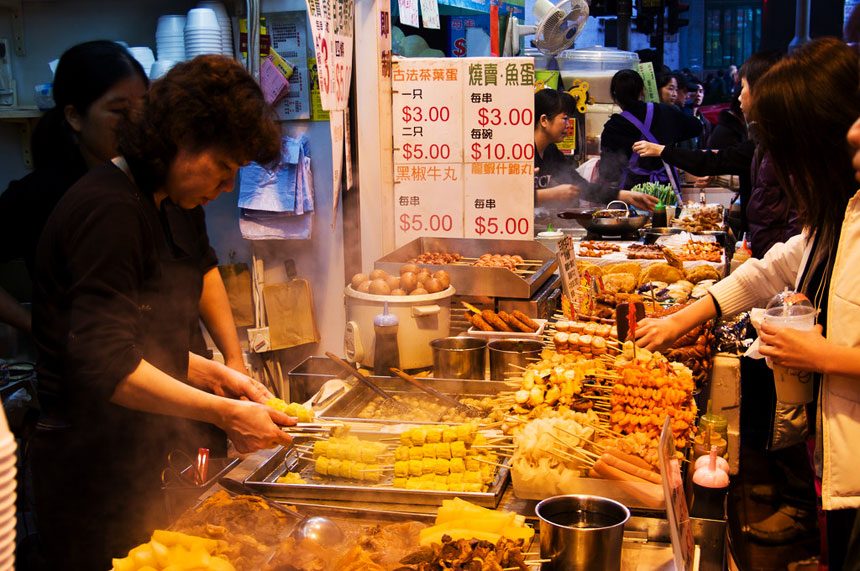
ppr-revolution.com – Hong Kong, a bustling metropolis known for its towering skyscrapers and dynamic lifestyle, also boasts a vibrant street food culture that is a testament to its culinary diversity. From the bustling night markets to the narrow alleyways, the city’s street food scene offers a plethora of flavors that reflect its rich history and multicultural influences.

Iconic Dishes to Savor

One cannot talk about Hong Kong’s street food without mentioning some of its iconic dishes. Egg tarts, with their flaky pastry and smooth custard, are a must-try. Another favorite is the fish ball, often served in a savory broth with a sprinkle of chili and garlic. For those with a sweet tooth, the traditional Hong Kong-style milk tea and egg waffles are sure to satisfy.

The Best Places to Experience Street Food

To fully immerse oneself in the street food culture, visitors should head to areas like Mong Kok, where the Temple Street Night Market is located. Here, amidst the lively atmosphere, one can find a variety of street food stalls offering everything from local snacks to full meals. Another hotspot is the Central and Western District, where the Mid-Levels Escalator leads to an array of eateries and food stalls.

The Cultural Significance of Street Food

Street food in Hong Kong is more than just a culinary experience; it’s a cultural phenomenon. It reflects the city’s fast-paced lifestyle, where people often grab a quick bite on the go. Moreover, it serves as a social space where locals and tourists alike can mingle and share in the joy of eating.

Tips for Enjoying Hong Kong’s Street Food

For first-time visitors, it’s essential to approach the street food scene with an adventurous spirit. Be open to trying new dishes and don’t be afraid to ask locals for recommendations. It’s also wise to observe food hygiene practices at the stalls and to eat at those with a steady stream of customers, as this is often an indicator of quality.

Conclusion: A Taste of Hong Kong’s Heart and Soul

Hong Kong’s street food scene is a melting pot of flavors, cultures, and traditions. It offers a unique insight into the city’s heart and soul, providing a memorable experience for food enthusiasts. Whether you’re a local or a tourist, the vibrant street food culture of Hong Kong is an adventure waiting to be savored.

How Technology Will Revolutionize Our Diets: The Future of Food

ppr-revolution.com – The future of food is a tantalizing blend of innovation, sustainability, and health. As technology continues to advance, it is poised to transform the way we produce, distribute, and consume food. From lab-grown meats to precision agriculture, the culinary landscape is set to undergo a radical shift. This article explores the myriad ways in which technology will change what we eat, promising a more sustainable, efficient, and diverse food system.

Precision Agriculture:
One of the most significant technological advancements in food production is precision agriculture. This approach uses data analytics, GPS, field data maps, and crop performance reports to optimize planting, watering, fertilizing, and harvesting. By tailoring farming practices to the specific needs of each plant, precision agriculture increases yields while reducing waste and environmental impact. This technology is not only improving the efficiency of traditional farming but also enabling the cultivation of crops in previously inhospitable environments, such as urban rooftops or deserts, through innovative techniques like vertical farming and hydroponics.

Lab-Grown Meats:
The rise of lab-grown or cultured meats represents a paradigm shift in the way we think about animal protein. By taking a small sample of animal cells and growing them in a controlled environment, scientists can produce meat without the need to raise and slaughter animals. This technology promises to drastically reduce the environmental footprint of meat production, including greenhouse gas emissions, water usage, and deforestation. Moreover, it could alleviate ethical concerns surrounding animal welfare and improve food safety by eliminating the risk of certain zoonotic diseases.

Smart Packaging and Traceability:
Innovations in packaging are also set to change the food industry. Smart packaging incorporates sensors that can detect and indicate food freshness, monitor temperature conditions, and even release preservatives to extend shelf life. This technology not only reduces food waste but also enhances food safety. Additionally, blockchain technology is being used to create transparent supply chains, allowing consumers to trace their food from farm to fork. This traceability builds trust and enables more informed purchasing decisions.

Personalized Nutrition:
The future of food will also be highly personalized. With the advent of wearable technology and at-home diagnostic devices, individuals will have access to detailed information about their health and nutritional needs. This data, combined with artificial intelligence and machine learning, will enable the creation of customized meal plans and dietary recommendations. Food manufacturers and restaurants will use this information to offer personalized meal options, catering to individual health goals and dietary restrictions.

Sustainable Sourcing and Alternative Proteins:
As consumers become more environmentally conscious, there is a growing demand for sustainably sourced foods. Technology is facilitating this shift by enabling the mass production of alternative proteins such as plant-based meats, dairy substitutes, and insect-based foods. These innovations not only reduce the strain on natural resources but also offer new flavors and textures that appeal to a diverse range of palates.

Conclusion:
The future of food is a testament to human ingenuity and our ability to adapt technology to meet the challenges of feeding a growing global population. As we continue to innovate, we can look forward to a food system that is more sustainable, efficient, and diverse. From precision agriculture to lab-grown meats, smart packaging to personalized nutrition, the technological advancements on the horizon promise to revolutionize our diets and the way we think about food. As we embrace these changes, we can work towards a future where food is not only abundant but also produced and consumed in a way that respects our planet and our health.

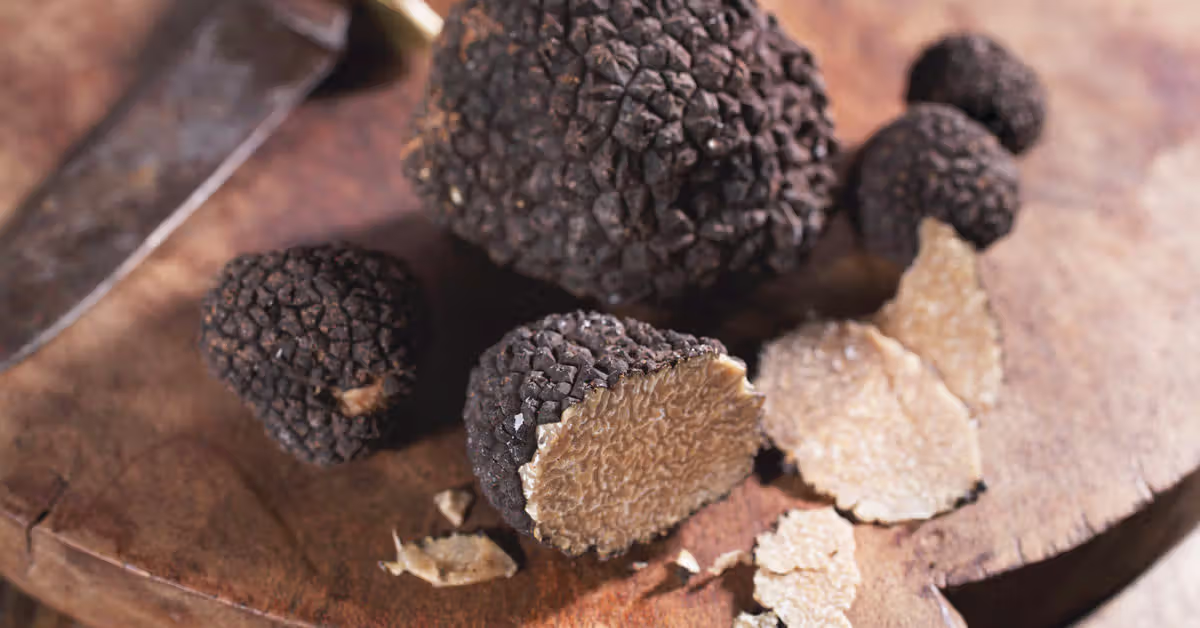
The Underground Treasure of Fine Dining: White Truffles

In the world of fine dining, few ingredients command the reverence and intrigue that white truffles do. These elusive treasures of the earth are not only a culinary delight but also a symbol of luxury and exclusivity. White truffles, scientifically known as Tuber magnatum, are a type of edible fungi that grow primarily in the Piedmont region of Northern Italy, with smaller quantities found in neighboring countries like Croatia and Slovenia. Their unique flavor, combined with their scarcity, makes them one of the most sought-after ingredients in the world of gastronomy.

The Hunt for White Gold

The journey of white truffles from the forest floor to the dining table is a fascinating one. Unlike their cultivated cousins, the white truffle cannot be farmed. Instead, it must be hunted in the wild, a task that requires the keen sense of specially trained dogs or pigs. These animals are used to sniff out the truffles due to their ability to detect the strong, distinctive scent of the fungi from several inches beneath the ground.

The hunting season for white truffles typically runs from late September to December, with the peak season in November. During this time, truffle hunters, known as “tartufai,” scour the forests under the cover of secrecy, as the exact locations of the best truffle grounds are closely guarded secrets. The unpredictable nature of truffle growth, influenced by the weather and the terrain, adds to the allure and mystique of these subterranean treasures.

A Unique Flavor Profile

What makes white truffles so special is their unique flavor and aroma. Described as a combination of garlic, mushrooms, and a hint of truffle oil, white truffles have a distinct, earthy scent with notes of hazelnut and honey. This complex flavor profile is unlike anything else in the culinary world, making white truffles a prized ingredient that can elevate even the simplest dishes to new heights.

Chefs around the world covet white truffles for their ability to add depth and richness to a variety of dishes. They are often shaved over pasta, risotto, and polenta, where their flavor can shine through. The truffles are also used in combination with eggs, meats, and cheeses, where their aroma can be fully appreciated.

A Symbol of Luxury

Due to their rarity and the labor-intensive process of hunting, white truffles come with a hefty price tag. They are often referred to as “white gold” or “the diamond of the kitchen,” reflecting their status as one of the most expensive foods in the world. The cost of white truffles can vary greatly depending on their size, quality, and the season, but they can fetch thousands of dollars per pound at auction.

Despite their cost, white truffles remain a coveted ingredient among gourmands and food enthusiasts. They are often featured in exclusive tasting menus at high-end restaurants, where diners are willing to pay a premium for the opportunity to experience their unique flavor.

Sustainability and Conservation

As the demand for white truffles continues to grow, so does the need for sustainable practices to ensure their survival. The wild nature of truffle hunting means that there is a risk of overharvesting, which could lead to the depletion of truffle populations. Conservation efforts are therefore crucial to protect the habitats where truffles grow and to ensure that future generations can also enjoy this culinary treasure.

In conclusion, white truffles are more than just an ingredient; they are a gastronomic experience that embodies the essence of fine dining. Their unique flavor, combined with their rarity and the intrigue of the hunt, makes them a true underground treasure. As we savor the taste of white truffles, it is important to remember the delicate balance between indulgence and conservation, ensuring that this precious gift from the earth remains a part of our culinary heritage for years to come.