7 Tips Diet Rendah Karbohidrat yang Aman dan Efektif

ppr-revolution.comDiet rendah karbohidrat sering dipilih karena dianggap lebih cepat menurunkan berat badan. Banyak juga yang percaya diet ini bantu menstabilkan gula darah dan mengurangi nafsu makan berlebihan. Tapi, kalau dilakukan asal-asalan, efeknya bisa bikin tubuh lemas atau malah bingung mau makan apa.

Kabar baiknya, diet rendah karbo sebenarnya bisa jadi cara yang sehat dan menyenangkan, asalkan kamu tahu cara menjalankannya dengan tepat. Buat kamu yang baru mau coba atau udah pernah nyoba tapi gagal, berikut 7 tips diet rendah karbo yang bisa bantu kamu tetap semangat dan hasilnya juga lebih terasa.

1. Pahami Apa Itu Karbohidrat

Sebelum mulai, penting banget buat tahu bahwa karbohidrat itu bukan cuma nasi. Karbohidrat juga ada di roti, mie, kentang, bahkan buah dan sayuran tertentu. Nah, yang perlu kamu kurangi dalam diet rendah karbo adalah karbohidrat sederhana seperti gula, tepung putih, dan makanan olahan.

Bukan berarti kamu harus menghindari semua karbo. Justru tubuh masih butuh karbohidrat dari sumber sehat seperti sayuran hijau, quinoa, atau buah rendah gula seperti stroberi dan alpukat. Kuncinya adalah memilih jenis yang tepat dan mengatur porsinya.

2. Ganti Karbo dengan Protein dan Lemak Sehat

Kalau kamu mengurangi karbo, otomatis harus ada pengganti energi lainnya. Di sinilah protein dan lemak sehat berperan. Protein bikin kamu kenyang lebih lama dan bantu menjaga massa otot, sementara lemak sehat bantu otak dan tubuh tetap aktif.

Coba konsumsi telur, dada ayam, ikan, tahu, tempe, alpukat, kacang-kacangan, minyak zaitun, atau santan dalam porsi wajar. Kombinasi protein dan lemak sehat ini bisa bantu kamu merasa kenyang walau porsi nasi udah dikurangi.

3. Jangan Skip Sayuran

Banyak orang yang mengira diet rendah karbo itu artinya cuma makan daging dan telur doang. Padahal, sayuran juga penting banget buat pencernaan dan kesehatan tubuh secara keseluruhan. Pilih sayuran non-tepung seperti bayam, brokoli, kol, buncis, dan selada.

Sayuran ini rendah karbohidrat, tapi tinggi serat dan nutrisi. Mereka bisa bantu kamu merasa kenyang tanpa banyak kalori, serta menjaga tubuh tetap segar selama diet berlangsung. Di ppr-revolution.com, kami selalu sarankan untuk tetap rajin makan sayur dalam menu harian, apa pun jenis dietnya.

4. Hindari Gula Tersembunyi

Gula bisa bersembunyi di mana-mana, terutama di makanan kemasan dan minuman instan. Saus botolan, yoghurt rasa, sereal, bahkan roti gandum kadang punya tambahan gula yang cukup tinggi. Makanan jenis ini bisa menggagalkan diet kamu tanpa kamu sadari.

Biasakan baca label nutrisi sebelum membeli makanan kemasan. Pilih yang tanpa tambahan gula atau minimal sugar-free. Kalau bisa, lebih baik masak sendiri agar kamu tahu pasti apa saja yang masuk ke tubuhmu.

5. Rencanakan Menu Mingguan

Salah satu kesalahan saat diet rendah karbo adalah bingung mau makan apa. Akibatnya, kamu jadi asal makan atau malah tergoda jajan. Supaya nggak kejadian kayak gitu, coba luangkan waktu seminggu sekali untuk bikin menu dan belanja bahan makanan.

Dengan perencanaan yang matang, kamu bisa tetap makan enak, kenyang, dan pastinya nggak melenceng dari tujuan diet. Coba siapkan lauk seperti ayam panggang, telur rebus, atau sup sayur rendah karbo yang bisa disimpan di kulkas dan tinggal dipanaskan.

6. Tetap Minum Cukup Air

Kurang minum bisa bikin kamu salah mengartikan rasa haus sebagai lapar. Saat menjalani diet rendah karbo, tubuh juga akan membuang lebih banyak air karena cadangan glikogen ikut berkurang. Maka dari itu, pastikan kamu tetap terhidrasi sepanjang hari.

Minum minimal 8 gelas air putih, atau lebih kalau kamu banyak berkeringat. Hindari minuman manis atau bersoda karena mereka penuh gula dan bisa menghentikan proses pembakaran lemak.

7. Dengarkan Tubuhmu

Setiap orang punya respon berbeda saat menjalani diet rendah karbohidrat. Ada yang langsung berenergi, ada juga yang merasa lemas atau pusing di awal. Wajar kok, tubuhmu sedang beradaptasi. Tapi kalau keluhan berlebihan, jangan ragu untuk menyesuaikan kembali pola makanmu.

Jangan paksa diri terlalu keras. Kalau kamu butuh tambahan karbo, pilih sumber yang sehat dan perlahan kurangi lagi jika sudah siap. Ingat, diet yang baik itu yang bisa dijalani jangka panjang, bukan yang bikin kamu tersiksa tiap hari.

Penutup

Diet rendah karbohidrat bisa jadi cara yang efektif untuk menurunkan berat badan dan menjaga kesehatan, asal dilakukan dengan bijak. Kuncinya bukan cuma mengurangi nasi atau roti, tapi mengganti pola makan dengan makanan bernutrisi yang mendukung energi dan keseimbangan tubuh.

Lewat tips dari ppr-revolution.com ini, semoga kamu bisa menjalani diet rendah karbo dengan lebih santai dan penuh kesadaran. Jangan lupa, nikmati prosesnya dan jangan terlalu keras pada diri sendiri. Karena sukses diet bukan tentang seberapa cepat kamu turun berat badan, tapi seberapa konsisten kamu menjaganya. Semangat!
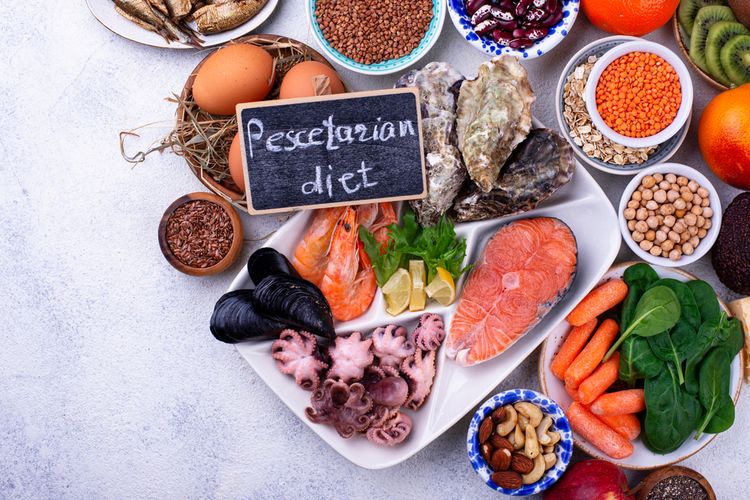
Mengenal Diet Plant-Based: Sehat dan Ramah Lingkungan

Halo, teman-teman! Pernah dengar tentang diet plant-based? Kalau belum, atau masih bingung, yuk kita bahas bareng-bareng! Diet plant-based lagi naik daun banget, bukan cuma karena katanya bikin sehat, tapi juga karena lebih ramah lingkungan. Jadi, diet ini sebenarnya seperti apa? Mari kita kupas tuntas!

Apa Itu Diet Plant-Based?

Diet plant-based adalah pola makan yang fokus pada makanan dari tanaman, seperti sayur, buah, biji-bijian, dan kacang-kacangan. Tapi jangan salah, diet ini tidak selalu berarti harus vegan total yang sama sekali nggak makan produk hewani. Banyak yang tetap makan telur, susu, atau situs slot 10k daging dalam jumlah kecil. Intinya, porsi makanan nabati jauh lebih banyak dibandingkan produk hewani.

Kenapa Banyak Orang Tertarik Diet Plant-Based?

Alasan pertama tentu soal kesehatan. Diet ini bisa membantu menurunkan risiko penyakit jantung, diabetes tipe 2, dan obesitas. Banyak studi membuktikan bahwa orang yang mengonsumsi lebih banyak makanan nabati biasanya memiliki tekanan darah dan kadar kolesterol yang lebih baik.

Selain itu, alasan lingkungan juga jadi faktor besar. Produksi daging sapi dan produk hewani lain membutuhkan lahan, air, dan energi yang sangat besar. Dengan mengurangi konsumsi daging, kita secara langsung membantu mengurangi emisi gas rumah kaca yang mempercepat pemanasan global.

Manfaat Diet Plant-Based untuk Tubuh

Diet ini kaya akan serat, vitamin, mineral, dan antioksidan yang sangat penting untuk tubuh. Karena lebih banyak makan sayur dan buah, asupan serat juga meningkat, yang membantu pencernaan dan menjaga perut tetap sehat. Selain itu, diet ini biasanya rendah lemak jenuh, yang sering dikaitkan dengan penyakit jantung.

Namun, kamu tetap harus memastikan tubuh mendapat nutrisi penting seperti protein, zat besi, kalsium, dan vitamin B12 yang biasanya banyak ditemukan di produk hewani. Untuk itu, konsultasi dengan ahli gizi bisa membantu agar dietmu tetap seimbang.

Dampak Positif untuk Lingkungan

Produksi daging sapi dan ternak lain menghasilkan gas metana yang berkontribusi besar pada perubahan iklim. Selain itu, proses peternakan memerlukan banyak lahan dan air. Dengan lebih banyak makan makanan nabati, kita membantu mengurangi tekanan pada sumber daya alam dan mengurangi emisi gas rumah kaca.

Produksi tanaman juga lebih efisien, artinya kita bisa menghasilkan lebih banyak makanan untuk lebih banyak orang dengan lahan yang sama. Jadi, diet plant-based bukan hanya soal kesehatan, tapi juga soal kepedulian terhadap planet ini.

Tips Memulai Diet Plant-Based

Kalau kamu tertarik mulai diet ini, kamu tidak perlu langsung berubah drastis. Coba mulai dengan Meatless Monday, yaitu sehari dalam seminggu tanpa makan daging. Atau tambahkan porsi sayur dan buah dalam menu harianmu.

Eksperimen dengan resep baru supaya makanannya tetap seru. Misalnya, coba smoothie hijau, salad segar, atau tumis tempe yang gurih. Perhatikan juga label makanan kemasan, karena tidak semua makanan nabati yang dijual instan itu sehat. Pilih bahan segar dan alami supaya hasilnya maksimal.

Kesimpulan

Diet plant-based bukan hanya tren sesaat, tapi gaya hidup sehat yang juga ramah lingkungan. Kamu tidak harus langsung jadi vegan 100%, cukup mulai dengan menambah asupan makanan nabati di setiap makan. Selain membuat tubuh lebih sehat, kamu juga ikut menjaga bumi agar tetap lestari. Jadi, kapan kamu mau mulai?

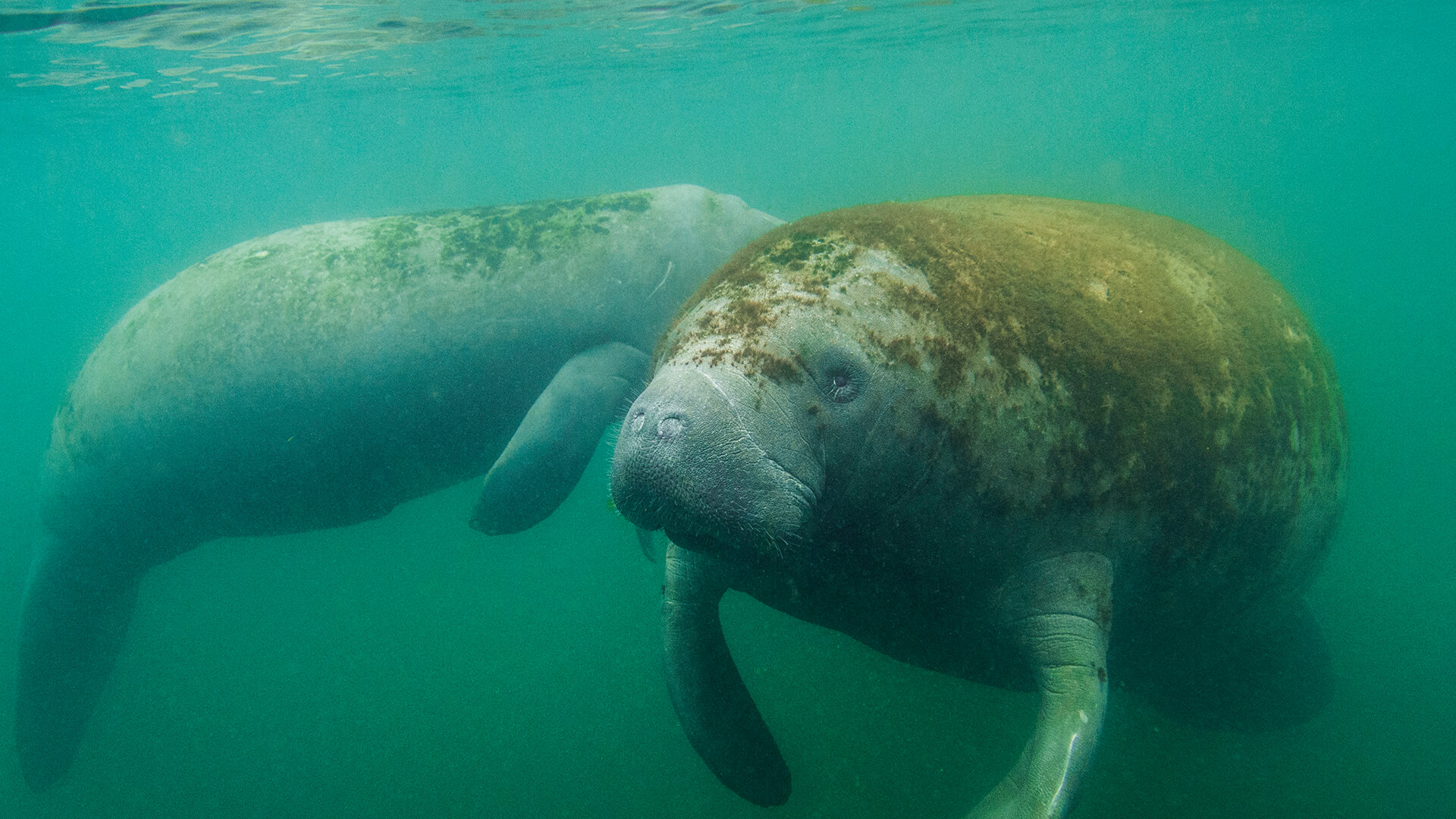
The Diet of the Manatee: A Marine Grazer’s Plant-Based Menu

ppr-revolution.com – Manatees, often called “sea cows,” are large, slow-moving marine mammals that are best known for their gentle nature and herbivorous diet. Found in warm coastal waters, rivers, and estuaries, manatees spend a significant portion of their time feeding on aquatic plants. There are three species of manatees—the West Indian, the Amazonian, and the West African manatee—each of which follows a plant-based diet. In this article, we will dive into the feeding habits of the manatee, explore their primary food sources, and understand their critical role in maintaining aquatic ecosystems.

A Plant-Based Diet: Herbivores of the Sea

Manatees are herbivores, which means their diet consists almost exclusively of plants. They rely heavily on a variety of aquatic vegetation, both in freshwater and saltwater habitats. Manatees graze for several hours a day, consuming large quantities of plants to sustain their large bodies.

1. Aquatic Vegetation

  • The main food source for manatees is aquatic plants, such as seagrass, water hyacinths, hydrilla, and turtle grass. These plants grow in shallow coastal waters, rivers, and estuaries where manatees spend most of their time grazing.
  • Manatees use their flexible, prehensile upper lips to grab and pull plants toward their mouths, much like an elephant uses its trunk. Their specialized teeth, which continuously grow and replace worn-down ones, help them grind tough vegetation.

2. Seagrass Meadows

  • Seagrass is a particularly important food source for manatees, especially for those that inhabit coastal areas. Manatees graze on several types of seagrasses, including manatee grass and shoal grass, which are found in the warm waters of the Caribbean, the Gulf of Mexico, and along the southeastern coast of the United States.
  • Seagrass is a highly nutritious food source, rich in essential nutrients like fiber and minerals. Manatees spend hours each day grazing on seagrass beds, helping to maintain the health of these underwater ecosystems.

3. Freshwater Plants

  • Manatees that live in freshwater rivers and estuaries primarily feed on freshwater plants, such as hydrilla, water lettuce, water hyacinths, and duckweed. These plants are abundant in warm, slow-moving waters, making them ideal feeding grounds for manatees.
  • Freshwater vegetation is softer than seagrass, but it still provides manatees with the necessary nutrients for survival. In regions like the Amazon River, the Amazonian manatee feeds on a wide variety of freshwater plants that grow along riverbanks.

4. Occasional Ingestion of Non-Plant Materials

  • Although manatees are herbivores, they may occasionally ingest non-plant materials such as small invertebrates or detritus (decaying plant matter) while foraging. These incidental inclusions are not a major part of their diet but may contribute some additional nutrients.

Feeding Habits and Energy Requirements

Manatees are large animals, with adults typically weighing between 400 and 600 kilograms (880–1,320 lbs), and they require a substantial amount of food to maintain their energy levels.

1. Daily Feeding Routine

  • Manatees can eat 10–15% of their body weight in vegetation daily, which means an adult manatee may consume between 30 and 60 kilograms (66–132 lbs) of plants each day. This constant need for food keeps manatees grazing for up to 8 hours a day.
  • They typically forage in shallow waters, where they can easily access seagrass beds and other aquatic plants. Manatees will slowly swim along the bottom, using their powerful tails to navigate while their lips pluck vegetation.

2. Slow Metabolism

  • Despite their large size, manatees have a slow metabolism, which is why they spend so much time feeding. This slow metabolic rate also means manatees are highly susceptible to cold stress, and they require warm water environments to maintain their body temperature.
  • Manatees have been observed migrating to warmer waters during colder months to avoid areas where aquatic plants die off in cooler temperatures, ensuring they have a constant supply of food year-round.

Ecological Role of Manatees

Manatees play a crucial role in their ecosystems by controlling plant growth and promoting the health of aquatic habitats. Their feeding behavior helps maintain the balance between plant growth and decay, preventing overgrowth and promoting biodiversity.

1. Maintaining Seagrass Beds

  • Manatees help keep seagrass beds healthy by grazing on the top layers of vegetation, which prevents the plants from growing too tall and blocking sunlight from reaching other parts of the seagrass bed. This allows for greater biodiversity within these ecosystems, supporting a variety of marine life.
  • By grazing on seagrasses, manatees also help recycle nutrients back into the environment through their waste, which can benefit the growth of seagrass and other aquatic plants.

2. Controlling Invasive Species

  • In freshwater environments, manatees play a role in controlling invasive plant species such as water hyacinth and hydrilla, which can choke waterways and outcompete native vegetation. By consuming large quantities of these plants, manatees help manage their populations and prevent them from overtaking habitats.

3. Nutrient Distribution

  • As manatees move through different habitats, they contribute to nutrient distribution. Their grazing and excretion of plant material help cycle nutrients through the water column, which can support the growth of other aquatic organisms.

Threats to Manatee Feeding Habits

Manatees face several threats that impact their ability to feed and thrive in their natural habitats. Many of these threats are related to human activity and environmental changes.

1. Loss of Seagrass Habitats

  • One of the most significant threats to manatees is the loss of seagrass habitats due to coastal development, pollution, and boat traffic. Seagrass meadows are highly sensitive to changes in water quality, and nutrient pollution from agriculture and urban runoff can lead to harmful algal blooms that block sunlight and kill seagrass beds.
  • In areas where seagrass has declined, manatees may struggle to find enough food, leading to malnutrition and population decline.

2. Water Pollution

  • Water pollution from agricultural runoff, sewage, and industrial waste can degrade manatee habitats and harm the plants they rely on for food. Pollution can also lead to the growth of toxic algae, which can poison manatees if consumed.
  • Poor water quality in rivers and coastal areas can reduce the availability of food and lead to long-term declines in manatee populations.

3. Boat Strikes and Habitat Disturbance

  • Boat strikes are a leading cause of injury and death for manatees, especially in areas with heavy boat traffic. Boats can damage seagrass beds, reducing available food for manatees, while injured manatees may struggle to forage effectively.
  • Habitat disturbance from coastal development and recreational activities can also disrupt feeding areas, forcing manatees to move to less suitable habitats in search of food.

Conservation Efforts for Manatees

Manatee populations are vulnerable to human activities, but conservation efforts have been implemented to protect their habitats and ensure their long-term survival.

1. Protection of Seagrass Habitats

  • Efforts to protect and restore seagrass meadows are critical for the conservation of manatees. Marine protected areas, habitat restoration projects, and regulations on coastal development help safeguard the ecosystems where manatees feed.
  • Reducing pollution and improving water quality are also essential for maintaining healthy seagrass habitats, ensuring that manatees have access to nutritious food.

2. Boat Speed Regulations

  • In areas where manatees are present, boat speed zones have been established to reduce the risk of collisions. These regulations help protect manatees from injury and minimize habitat disturbance, allowing them to feed safely.

3. Public Awareness and Education

  • Public awareness campaigns that educate people about the importance of manatees and their role in aquatic ecosystems have been crucial in garnering support for conservation efforts. By raising awareness of the threats manatees face, such as habitat loss and boat strikes, these campaigns encourage responsible behavior in areas where manatees live.

Conclusion

Manatees are gentle, herbivorous marine mammals that play a vital role in maintaining healthy aquatic ecosystems. Their diet consists mainly of seagrasses and freshwater plants, which they consume in large quantities to sustain their large bodies and slow metabolism. However, manatees face significant threats, including habitat loss, water pollution, and boat strikes, which affect their ability to find food and thrive. Conservation efforts focused on protecting their habitats, improving water quality, and raising public awareness are essential for ensuring the survival of manatees and the health of the ecosystems they inhabit.

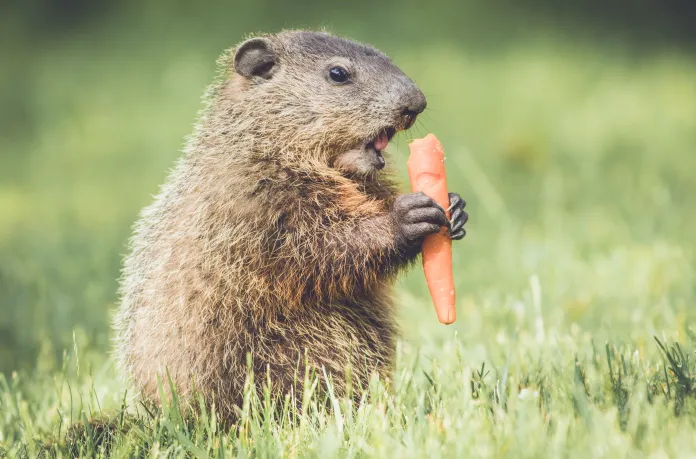
Groundhog Food: The Diet of These Burrowing Herbivores

ppr-revolution.com – Groundhogs, also known as woodchucks, are burrowing rodents found across North America. As members of the marmot family, groundhogs are primarily herbivores, meaning they feed on a plant-based diet. They play an important role in their ecosystems, helping to maintain plant diversity by grazing on various vegetation. Groundhogs are particularly known for their hibernation habits, which affect their eating patterns as they prepare for the long winter months. In this article, we explore the typical diet of groundhogs, how their feeding changes with the seasons, and what to consider when feeding them in captivity.

1. Groundhog Diet Overview: Primarily Herbivorous, Occasionally Omnivorous

Groundhogs are mostly herbivores, feeding on a wide variety of plants. While they rely heavily on grasses, leaves, and vegetables, they may also consume insects and small animals occasionally for extra protein. Groundhogs are opportunistic feeders and adjust their diet based on the availability of food in their environment.

Key Components of a Groundhog’s Diet:

  • Grasses and clover: The primary food source.
  • Vegetables: Various garden plants and crops.
  • Fruits and berries: Seasonal favorites.
  • Insects and small animals: Consumed occasionally.

Although plant-based foods make up the majority of their diet, groundhogs may eat small amounts of animal matter when necessary.

2. Grasses and Clover: The Main Food Source

Grasses and clover are the most important part of a groundhog’s diet. These plants are rich in fiber and provide essential nutrients that groundhogs need to maintain their health and energy levels. Groundhogs are active grazers, feeding throughout the day to meet their nutritional needs.

Common Grasses and Clover Eaten by Groundhogs:

  • Timothy grass: Found in meadows and fields, this is a common food for groundhogs.
  • Bluegrass: A preferred grass found in many habitats.
  • Clover: A highly nutritious and favored plant for groundhogs.
  • Dandelions: Both the leaves and flowers are consumed.

Groundhogs graze on these plants during the warmer months when they are plentiful and easy to find.

3. Vegetables: A Garden Pest’s Favorite

Groundhogs are notorious for raiding gardens and eating various vegetables, making them a common pest for farmers and gardeners. Vegetables provide groundhogs with essential nutrients and are often easier to digest than grasses.

Common Vegetables Eaten by Groundhogs:

  • Carrots: Groundhogs love to dig up and eat carrots.
  • Lettuce and leafy greens: These are highly favored by groundhogs.
  • Beans: Groundhogs will often feed on bean plants.
  • Cucumbers and squash: Groundhogs enjoy these types of vegetables when they find them.

Gardeners often struggle to protect their crops from groundhogs due to the animals’ persistent foraging habits.

4. Fruits and Berries: Seasonal Delicacies

Fruits and berries are another important part of a groundhog’s diet, especially during the late summer and early fall. These foods provide groundhogs with sugars and vitamins that help them build up fat reserves for hibernation.

Common Fruits and Berries Eaten by Groundhogs:

  • Apples: Groundhogs will readily eat apples from orchards or gardens.
  • Berries: Blackberries, raspberries, and other wild berries are favorites.
  • Pears: If available, groundhogs may also consume pears.
  • Melons: Groundhogs are known to eat melons, especially watermelon, when they come across them.

Fruits and berries are an occasional but important food source, especially as groundhogs prepare for winter.

5. Insects and Small Animals: Occasional Protein

Although groundhogs are primarily herbivorous, they occasionally consume insects and small animals. This provides them with additional protein, particularly during the breeding season or when other food sources are scarce.

Common Animal Foods:

  • Insects: Groundhogs may eat grasshoppers, caterpillars, or beetles.
  • Snails and small amphibians: Occasionally eaten when foraging near water.
  • Bird eggs: In rare instances, groundhogs may raid nests for eggs.

These foods are not a staple of the groundhog’s diet but can be consumed when available.

6. Tree Bark and Plant Roots: Winter Survival Foods

During the colder months, groundhogs enter hibernation, but prior to that, they may eat tree bark and plant roots when other food sources are scarce. These harder-to-digest foods help them survive when fresh vegetation is not available.

Common Winter Foods for Groundhogs:

  • Tree bark: Groundhogs may strip bark from certain trees to access the inner layers.
  • Roots: Digging up roots of plants can provide essential nutrients during lean months.

These foods are typically consumed when groundhogs are preparing for hibernation, as they provide additional sustenance in a time of scarcity.

7. Feeding Habits and Hibernation

Groundhogs are known for their ability to hibernate through the winter, which greatly influences their feeding habits. During the warmer months, groundhogs must consume enough food to store fat, which sustains them through the long winter months when they remain in their burrows.

Hibernation and Food Storage:

  • Pre-hibernation weight gain: Groundhogs eat large amounts of food in late summer and early fall to build up their fat reserves.
  • Reduced activity: In the weeks leading up to hibernation, groundhogs become less active and focus on conserving energy.

Groundhogs spend most of the winter in a state of deep hibernation, relying on the fat reserves they’ve built up during the summer and fall.

8. Seasonal Changes in Diet

The diet of a groundhog changes with the seasons. In the spring and summer, they eat fresh grasses and clover, while in late summer and fall, they turn to fruits and vegetables to build up fat for hibernation. During the colder months, groundhogs may rely on tougher foods like bark and roots before hibernating.

Seasonal Foods:

  • Spring: Fresh grasses, clover, and early vegetables.
  • Summer: Grasses, leafy greens, and some fruits.
  • Fall: Fruits, vegetables, and late-season plants.
  • Winter: Tree bark and plant roots (pre-hibernation).

This seasonal diet allows groundhogs to adapt to the changing availability of food throughout the year.

9. Feeding Groundhogs in Captivity

If you are caring for a groundhog in captivity or in a wildlife rehabilitation setting, it is important to provide a balanced diet that mimics their natural food sources. Fresh vegetables, fruits, and grasses should make up the majority of their diet.

Ideal Foods for Captive Groundhogs:

  • Fresh grasses: Offer timothy hay, clover, and other grasses.
  • Leafy greens: Lettuce, kale, and dandelion greens are good options.
  • Vegetables: Carrots, cucumbers, squash, and beans are nutritious choices.
  • Fruits: Apples, pears, and berries can be given as occasional treats.

Avoid processed foods or sugary snacks, as these can be harmful to groundhogs’ health.

10. Conclusion

Groundhogs are primarily herbivorous animals that thrive on a diet rich in grasses, vegetables, fruits, and occasionally insects. Their diet changes with the seasons, and they eat more heavily in the late summer and fall to prepare for hibernation. Whether in the wild or captivity, groundhogs require a balanced, plant-based diet to remain healthy and energetic. Understanding their dietary needs and feeding behavior helps support their well-being throughout the year, particularly as they prepare for the challenges of winter hibernation.