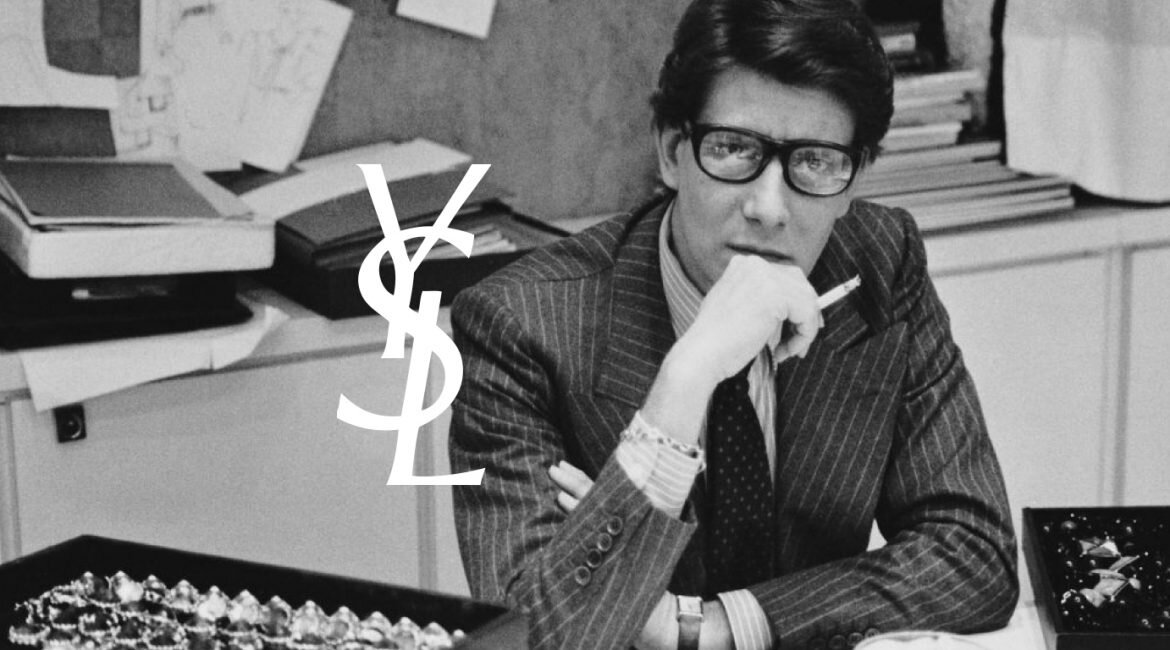
ppr-revolution.com – In the ever-evolving world of fashion, few names resonate as powerfully as that of Yves Saint Laurent. Born in 1936 in Oran, Algeria, Saint Laurent would go on to become one of the most influential and revolutionary figures in the fashion industry, leaving an indelible mark on the world with his innovative designs, fearless approach to fashion, and the establishment of his eponymous brand, Saint Laurent. This article delves into the life and legacy of Yves Saint Laurent, exploring how he became a fashion revolutionary and the enduring impact of his work.
Early Beginnings and Rise to Fame
Yves Saint Laurent’s journey into the world of fashion began at a young age, with his talent evident from his early sketches. His big break came at the age of 19 when he won the International Wool Secretariat’s design competition, catching the eye of Christian Dior himself. This led to Saint Laurent being appointed as the head designer at the House of Dior in 1957, following Dior’s sudden death. Despite his youth, Saint Laurent quickly made a name for himself, introducing revolutionary designs that challenged the norms of the time.
Breaking Barriers and Redefining Fashion
One of Saint Laurent’s most significant contributions to fashion was his ability to break barriers and redefine what was considered acceptable. He was the first to introduce trousers for women, a move that was initially met with controversy but eventually became a staple in women’s fashion. His 1966 creation, the “Le Smoking” tuxedo suit for women, symbolized empowerment and gender fluidity, challenging traditional notions of femininity and masculinity in fashion.
Saint Laurent was also known for his innovative use of color, patterns, and textures, drawing inspiration from various cultures and art movements. His 1965 “Pop Art” collection, which featured bold, graphic prints, and his “African Queen” collection, which incorporated vibrant African prints and patterns, were groundbreaking in their time and showcased his ability to blend different cultural influences into his designs.
The Saint Laurent Brand
In 1961, Yves Saint Laurent and his partner, Pierre Bergé, founded the Yves Saint Laurent fashion house. The brand quickly became synonymous with luxury, innovation, and elegance. Saint Laurent’s ready-to-wear collections, introduced in the 1960s, made high fashion accessible to a wider audience, democratizing fashion and setting a precedent for what would become a standard in the industry.
The Saint Laurent brand expanded beyond haute couture and ready-to-wear, venturing into fragrances, accessories, and cosmetics. Iconic fragrances such as “Yves Saint Laurent pour Homme” and “Opium” became bestsellers, further cementing the brand’s status in the world of luxury goods.
Legacy and Influence
Yves Saint Laurent’s impact on the fashion industry is immeasurable. He was a true revolutionary, challenging norms, pushing boundaries, and redefining fashion. His legacy is evident in the continued success of the Saint Laurent brand, which, under the creative direction of Hedi Slimane and later Anthony Vaccarello, has maintained its relevance and continues to embody the spirit of innovation and elegance that Saint Laurent himself championed.
Moreover, Saint Laurent’s influence extends beyond the fashion world. He was a pioneer in advocating for gender equality and fluidity in fashion, paving the way for future designers and breaking down barriers that had long constrained the industry.
In conclusion, Yves Saint Laurent was more than just a fashion designer; he was a visionary whose work transcended fashion to become a cultural and social statement. His legacy as a fashion revolutionary lives on, not only through the brand that bears his name but also through the countless designers and artists he has inspired. Yves Saint Laurent’s contribution to fashion is a testament to his enduring influence and his place in history as one of the most important figures in the industry.