Cruella de Vil: The Iconic Villain of Fashion and Fury

ppr-revolution.com – Cruella de Vil is one of the most memorable villains in popular culture, known for her eccentric style and ruthless demeanor. Originally introduced in Dodie Smith’s 1956 novel “The Hundred and One Dalmatians,” she gained widespread fame through Disney’s animated adaptation in 1961. Over the years, Cruella has become a symbol of fashion gone wrong and the dark side of ambition.

Origins and Character Development

Cruella de Vil’s character was born out of Smith’s novel as a wealthy and fashion-obsessed woman who stops at nothing to obtain a coat made from Dalmatian puppies. Her name itself is a play on the words “cruel” and “devil,” setting the tone for her menacing persona. The character’s backstory was further explored in Disney’s live-action adaptations, providing insight into her upbringing and the events that shaped her into the villain we know today.

Iconic Style

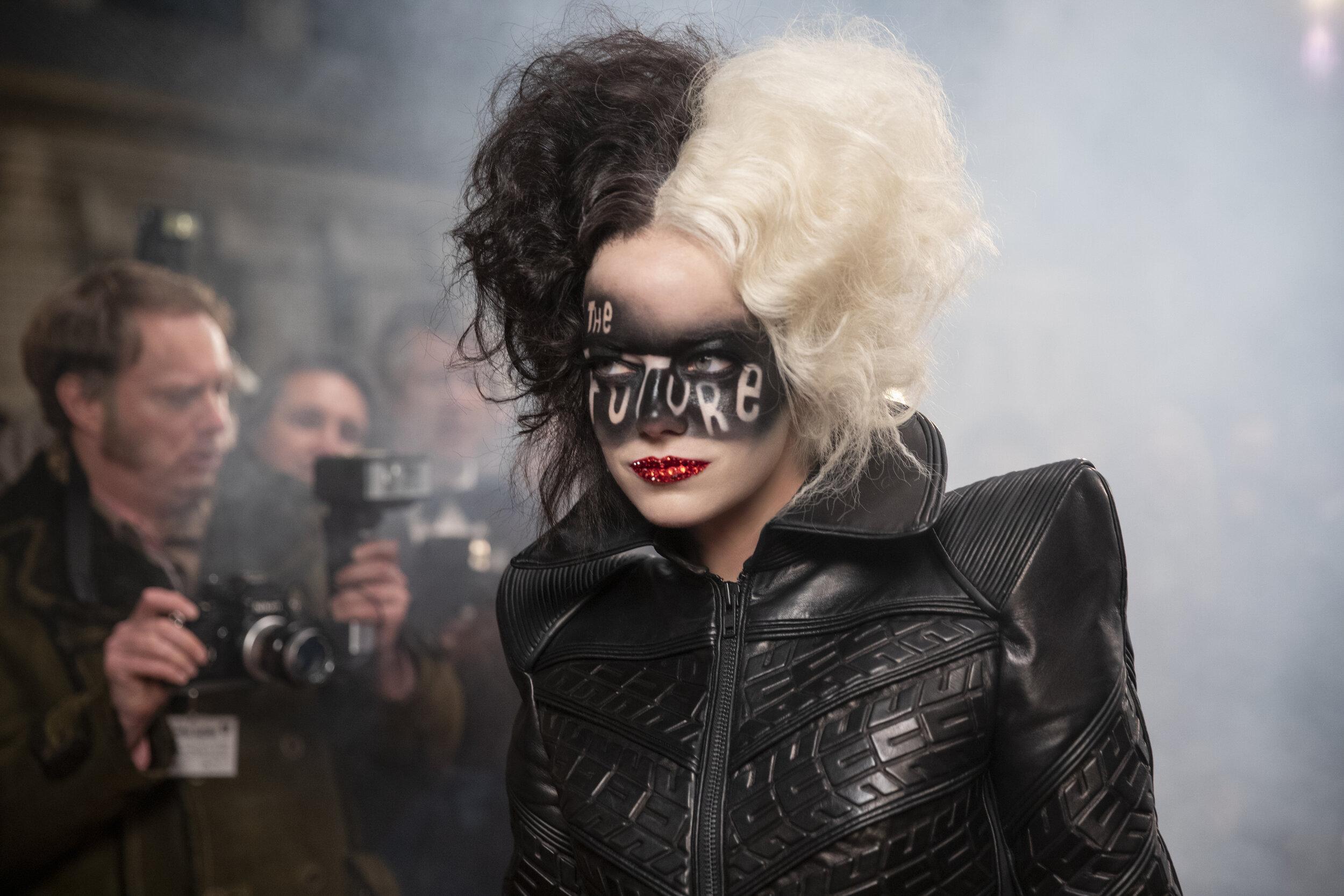
Cruella’s fashion sense is as notorious as her villainous deeds. Her signature look includes a striking black and white color palette, often featuring luxurious fur coats and dramatic red accents. This bold style not only reflects her extravagant personality but also serves as a visual representation of her moral ambiguity. Over the years, her wardrobe has inspired countless fashion designers and enthusiasts, cementing her place as a style icon.

The Psychology of Cruella

Cruella de Vil’s character explores themes of obsession, vanity, and the corrupting influence of power. Her single-minded pursuit of a fur coat highlights her willingness to sacrifice anything, including her humanity, for the sake of fashion. This obsession is often depicted as a reflection of deeper psychological issues, such as a need for control and validation through material possessions.

Cultural Impact

Cruella de Vil has transcended her role as a mere antagonist to become a cultural phenomenon. Her character has been reimagined in various media, including television series, video games, and a live-action origin story film, “Cruella,” released in 2021. Each portrayal offers a new perspective on her motivations and adds depth to her complex personality.

Conclusion

Cruella de Vil remains a captivating and enduring villain, captivating audiences with her flamboyant style and ruthless ambition. Her character serves as a cautionary tale about the dangers of unchecked desire and the moral consequences of one’s actions. As new interpretations of Cruella continue to emerge, her legacy as a fashion-forward villain is sure to endure for generations to come.
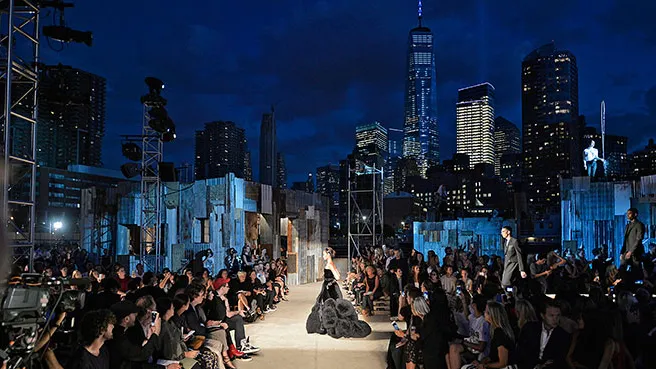
The Victoria’s Secret Fashion Show: Inside the Glamour

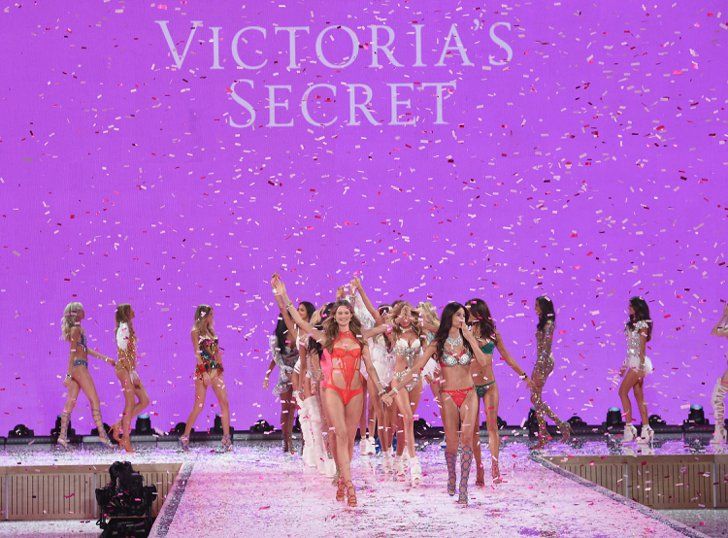
ppr-revolution.com – The Victoria’s Secret Fashion Show has long been synonymous with glitz, glamour, and a touch of fantasy. Known for its dazzling spectacle featuring the world’s top models, elaborate costumes, and musical performances, the show is a highly anticipated annual event in the fashion calendar. This article delves into the essence of the show, its history, the behind-the-scenes work, and its cultural impact.

The Origins

The Victoria’s Secret Fashion Show was first introduced in 1995 as a marketing strategy to promote the brand’s lingerie lines. Initially a more intimate affair, it quickly evolved into a major televised event, captivating audiences worldwide. Over the years, the show has been held in various glamorous locations, including New York, Paris, and Shanghai, each bringing its unique flair to the runway.

Behind the Scenes

Behind the glitz and glamour, the show is a massive production involving months of planning and coordination. Designers and craftsmen work meticulously to create the intricate costumes and wings that are a hallmark of the show. Each piece is a work of art, requiring hours of labor and attention to detail. Models, often referred to as “Angels,” undergo rigorous training and rehearsals to ensure they are runway-ready.

The Models

The Victoria’s Secret Angels are more than just models; they are icons. Names like Gisele Bündchen, Adriana Lima, and Tyra Banks have graced the runway, each bringing their unique charisma and style. The show has been a launching pad for many careers, with models becoming household names and global ambassadors for the brand.

Musical Performances

A key element of the Victoria’s Secret Fashion Show is the musical performances. Over the years, the stage has been graced by top artists such as Taylor Swift, Rihanna, and The Weeknd. These performances add an electrifying energy to the show, blending fashion with music and entertainment.

Cultural Impact

Beyond the entertainment, the Victoria’s Secret Fashion Show has played a significant role in shaping beauty standards and fashion trends. However, it has also faced criticism for its portrayal of idealized beauty, prompting discussions about diversity and body positivity. In recent years, the brand has made efforts to evolve its image and embrace a broader representation of beauty.

Conclusion

The Victoria’s Secret Fashion Show remains a spectacle of fashion and entertainment, drawing millions of viewers worldwide. It represents a fusion of art, commerce, and culture, continually evolving with the times. As it moves forward, the show is poised to reflect changing societal values while maintaining its iconic status in the world of fashion.

International Cities Hosting Iconic Shows: Global Fashion Stage

ppr-revolution.com – Fashion is a universal language that transcends borders, cultures, and languages. It is an art form that not only reflects the zeitgeist but also sets trends that influence the way people dress and perceive themselves. The global fashion stage is a dynamic and ever-evolving platform where designers, models, and industry insiders converge to showcase the latest in fashion innovation and creativity. Among the many cities around the world, a select few have established themselves as the epicenters of the fashion universe, hosting iconic shows that set the tone for the season’s trends and beyond.

Paris: The City of Light and Fashion

Paris, France, is synonymous with fashion. The city’s rich history in haute couture and its reputation for elegance and sophistication make it the undisputed capital of the fashion world. The Paris Fashion Week, held twice a year, is a highlight on the fashion calendar, where the world’s most renowned designers present their collections. From the grandiosity of the Chanel show at the Grand Palais to the intimate presentations of up-and-coming designers, Paris is a testament to the enduring allure of French fashion.

Milan: The Heart of Italian Glamour

Milan, Italy, is the beating heart of Italian fashion, known for its luxurious fabrics, impeccable tailoring, and innovative designs. Milan Fashion Week is a celebration of Italian style, where fashion houses like Gucci, Prada, and Versace unveil their latest creations. The city’s fashion shows are not just about the clothes; they are elaborate productions that captivate the audience with their creativity and flair. Milan’s fashion scene is a blend of tradition and modernity, showcasing the best of Italian craftsmanship and design.

New York: The Melting Pot of Fashion

New York City, with its diverse culture and fast-paced lifestyle, is the fashion capital of the Western Hemisphere. New York Fashion Week is a melting pot of talent, where established designers and emerging talents alike showcase their work. The city’s fashion scene is known for its inclusivity, innovation, and the ability to set global trends. From the urban cool of downtown designers to the glamour of the runway shows at Lincoln Center, New York’s fashion stage is a reflection of the city’s dynamic and ever-changing landscape.

London: The Hub of Creativity and Diversity

London, England, is a hub of creativity and diversity, where fashion is a form of self-expression and rebellion. London Fashion Week is a platform for boundary-pushing designers who are not afraid to experiment with shapes, textures, and colors. The city’s fashion scene is eclectic, with a mix of streetwear, high fashion, and everything in between. London’s shows are known for their theatricality and ability to surprise, making it a must-watch event on the global fashion calendar.

Tokyo: The East Meets West Fashion Fusion

Tokyo, Japan, is a unique blend of traditional and futuristic elements, and its fashion scene reflects this duality. Tokyo Fashion Week showcases the work of Japanese designers who are celebrated for their innovative use of technology, materials, and design. The city’s fashion is a fusion of East meets West, with a focus on avant-garde styles and conceptual designs. Tokyo’s fashion shows are a testament to the city’s status as a global fashion leader, pushing the boundaries of what fashion can be.

Conclusion

The global fashion stage is a kaleidoscope of cultures, styles, and innovations, with each city bringing its unique flavor to the fashion world. From the timeless elegance of Paris to the cutting-edge creativity of Tokyo, these international fashion capitals are more than just hosts of iconic shows; they are the heart and soul of the fashion industry. As fashion continues to evolve, these cities will remain at the forefront, setting trends and inspiring designers and fashion enthusiasts around the globe.

Saint Laurent: The Legacy of a Fashion Revolutionary

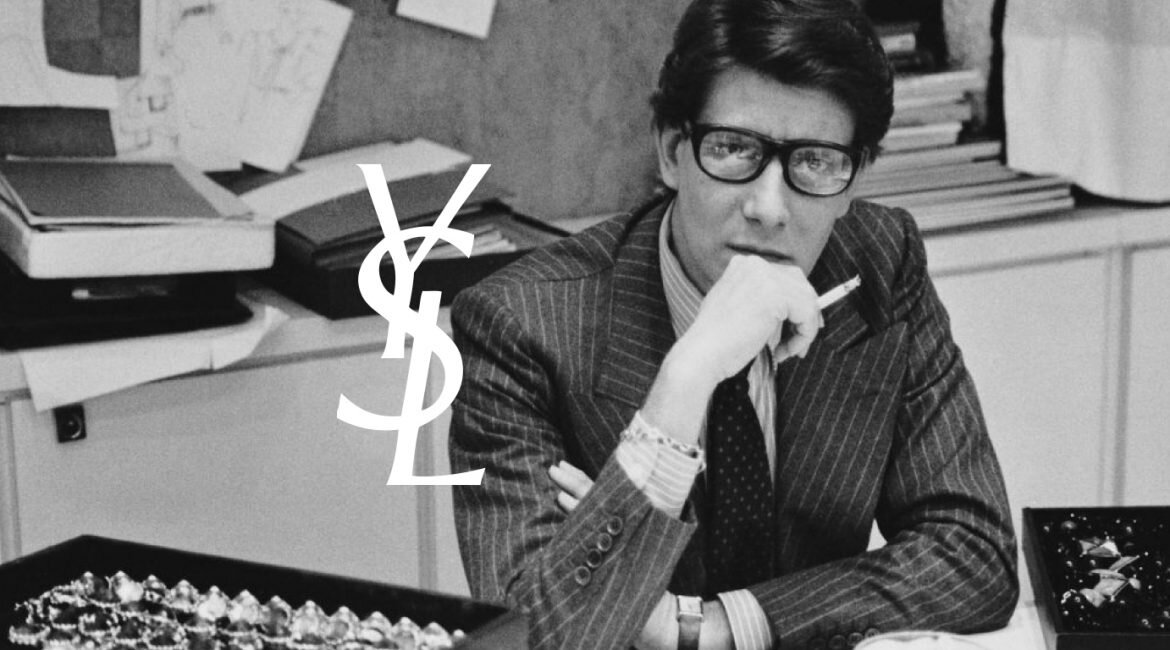
ppr-revolution.com – In the ever-evolving world of fashion, few names resonate as powerfully as that of Yves Saint Laurent. Born in 1936 in Oran, Algeria, Saint Laurent would go on to become one of the most influential and revolutionary figures in the fashion industry, leaving an indelible mark on the world with his innovative designs, fearless approach to fashion, and the establishment of his eponymous brand, Saint Laurent. This article delves into the life and legacy of Yves Saint Laurent, exploring how he became a fashion revolutionary and the enduring impact of his work.

Early Beginnings and Rise to Fame

Yves Saint Laurent’s journey into the world of fashion began at a young age, with his talent evident from his early sketches. His big break came at the age of 19 when he won the International Wool Secretariat’s design competition, catching the eye of Christian Dior himself. This led to Saint Laurent being appointed as the head designer at the House of Dior in 1957, following Dior’s sudden death. Despite his youth, Saint Laurent quickly made a name for himself, introducing revolutionary designs that challenged the norms of the time.

Breaking Barriers and Redefining Fashion

One of Saint Laurent’s most significant contributions to fashion was his ability to break barriers and redefine what was considered acceptable. He was the first to introduce trousers for women, a move that was initially met with controversy but eventually became a staple in women’s fashion. His 1966 creation, the “Le Smoking” tuxedo suit for women, symbolized empowerment and gender fluidity, challenging traditional notions of femininity and masculinity in fashion.

Saint Laurent was also known for his innovative use of color, patterns, and textures, drawing inspiration from various cultures and art movements. His 1965 “Pop Art” collection, which featured bold, graphic prints, and his “African Queen” collection, which incorporated vibrant African prints and patterns, were groundbreaking in their time and showcased his ability to blend different cultural influences into his designs.

The Saint Laurent Brand

In 1961, Yves Saint Laurent and his partner, Pierre Bergé, founded the Yves Saint Laurent fashion house. The brand quickly became synonymous with luxury, innovation, and elegance. Saint Laurent’s ready-to-wear collections, introduced in the 1960s, made high fashion accessible to a wider audience, democratizing fashion and setting a precedent for what would become a standard in the industry.

The Saint Laurent brand expanded beyond haute couture and ready-to-wear, venturing into fragrances, accessories, and cosmetics. Iconic fragrances such as “Yves Saint Laurent pour Homme” and “Opium” became bestsellers, further cementing the brand’s status in the world of luxury goods.

Legacy and Influence

Yves Saint Laurent’s impact on the fashion industry is immeasurable. He was a true revolutionary, challenging norms, pushing boundaries, and redefining fashion. His legacy is evident in the continued success of the Saint Laurent brand, which, under the creative direction of Hedi Slimane and later Anthony Vaccarello, has maintained its relevance and continues to embody the spirit of innovation and elegance that Saint Laurent himself championed.

Moreover, Saint Laurent’s influence extends beyond the fashion world. He was a pioneer in advocating for gender equality and fluidity in fashion, paving the way for future designers and breaking down barriers that had long constrained the industry.

In conclusion, Yves Saint Laurent was more than just a fashion designer; he was a visionary whose work transcended fashion to become a cultural and social statement. His legacy as a fashion revolutionary lives on, not only through the brand that bears his name but also through the countless designers and artists he has inspired. Yves Saint Laurent’s contribution to fashion is a testament to his enduring influence and his place in history as one of the most important figures in the industry.

The Fabric of Our Lives: Exploring the World of Clothes

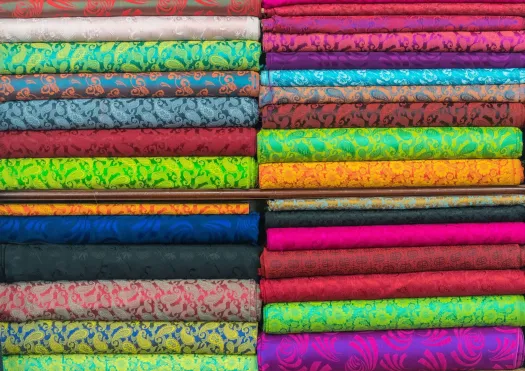
Clothes are more than just garments that cover our bodies; they are a language, a form of expression, and a reflection of our culture and identity. From the threads woven into intricate patterns to the buttons that fasten and the zippers that zip, clothing is a tapestry that tells the story of humanity. This article delves into the world of clothes, exploring their significance, the evolution of fashion, and the impact of clothing on society.

The Significance of Clothing

Clothing serves a fundamental purpose: to protect us from the elements. However, its role extends far beyond mere functionality. Clothes are a means of communication, conveying messages about our status, profession, and personality. They can signify belonging to a particular group or culture, and they often reflect the values and aesthetics of a society at a given time.

Historically, clothing has been a marker of social hierarchy. In ancient civilizations, the fabrics, colors, and styles of garments distinguished the classes, with the wealthy often wearing more elaborate and expensive attire. Even today, clothing can be a status symbol, with certain brands and designs signaling affluence or exclusivity.

The Evolution of Fashion

Fashion is the ever-changing realm of clothing and accessories, influenced by cultural and social attitudes, as well as innovations in technology and materials. The history of fashion is a fascinating journey through different eras, each with its distinctive styles and influences.

From the flowing togas of ancient Rome to the structured corsets of the Victorian era, fashion has evolved in response to changing societal norms and technological advancements. The invention of the sewing machine in the 19th century, for example, revolutionized garment production, making clothing more accessible and leading to new styles and trends.

The 20th century saw an acceleration in fashion trends, with the influence of celebrities and the rise of mass media. The fashion industry became a global phenomenon, with designers like Coco Chanel and Yves Saint Laurent shaping the way we dress. The advent of prêt-à-porter (ready-to-wear) fashion democratized style, making designer clothing available to a broader audience.

The Impact of Clothing on Society

Clothing has a profound impact on society, influencing everything from individual behavior to economic markets. The fashion industry is a significant global economic force, with billions of dollars generated annually through the production and sale of garments.

However, the impact of clothing on society is not without its controversies. The fast fashion phenomenon, characterized by rapidly changing trends and low-cost garments, has raised concerns about sustainability and ethical labor practices. The environmental cost of producing cheap clothing is significant, with textile waste becoming a major issue.

Moreover, the pressure to conform to certain fashion standards can affect individuals’ self-esteem and body image. The fashion industry has been criticized for promoting unrealistic beauty ideals and for its lack of diversity and inclusivity.

The Future of Clothing

As we look to the future, the world of clothes is poised for further transformation. Sustainability is becoming a driving force in the fashion industry, with consumers demanding eco-friendly and ethically produced garments. Innovations in materials science are leading to the development of smart fabrics that respond to environmental changes or have health benefits.

Technology is also changing how we interact with clothing. Virtual try-ons and augmented reality are revolutionizing the shopping experience, while 3D printing and customization are making clothing more personalized than ever before.

Conclusion

The fabric of our lives is woven from the threads of tradition, innovation, and expression. Clothing is a mirror to society, reflecting its values, challenges, and aspirations. As we continue to explore the world of clothes, we are reminded of its power to unite and divide, to protect and express, and to shape the narrative of our collective human experience. The evolution of fashion is an ongoing story, one that is constantly being rewritten by designers, consumers, and the forces of change that shape our world.