The Majestic Rhinoceros: A Threatened Giant

ppr-revolution.com – Rhinoceroses, often referred to as rhinos, are among the largest land mammals on Earth. These ancient creatures have roamed the planet for millions of years, evolving into iconic symbols of strength and power. However, due to human activities such as poaching and habitat loss, many rhino species are now critically endangered.   

A Diverse Family

There are five extant species of rhinoceros:   

  1. White Rhinoceros: The largest of all rhino species, the white rhino is divided into two subspecies: the southern white rhino and the northern white rhino. While the southern white rhino population has recovered significantly due to conservation efforts, the northern white rhino is on the brink of extinction, with only two remaining individuals.   
  2. Black Rhinoceros: This species is smaller than the white rhino and is known for its distinctive hooked upper lip. Black rhinos are highly territorial and solitary animals.   
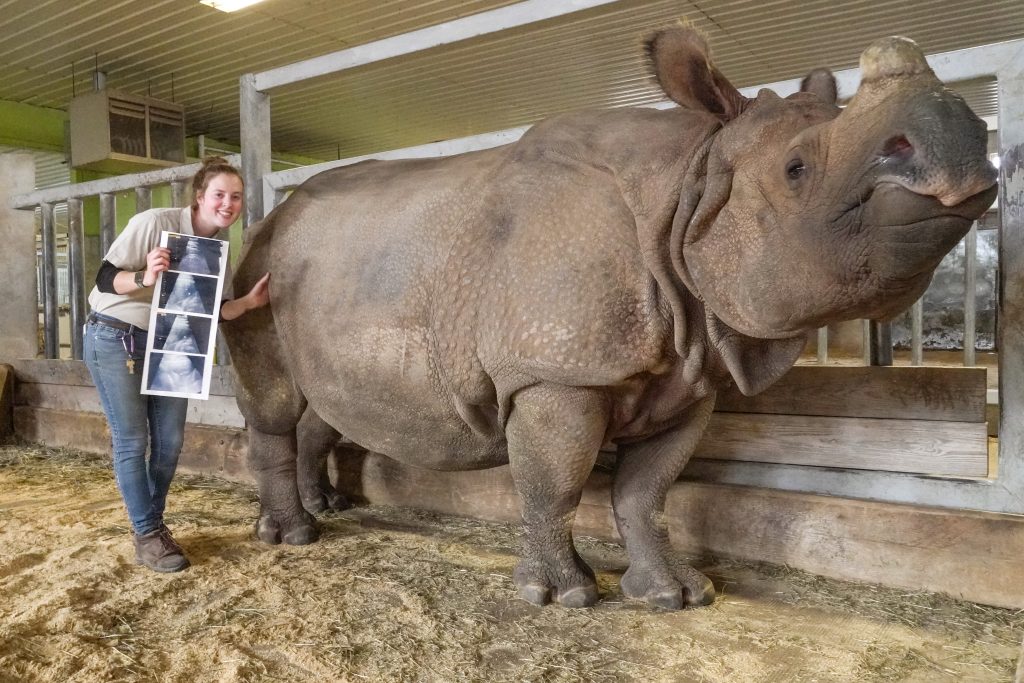
  3. Indian Rhinoceros: Also known as the greater one-horned rhino, this species is native to India and Nepal. It is characterized by its single, large horn and its thick, gray skin.   
  4. Javan Rhinoceros: One of the rarest mammals on Earth, the Javan rhino is critically endangered. It is found in a small population in Ujung Kulon National Park in Indonesia.   
  5. Sumatran Rhinoceros: The smallest of all rhino species, the Sumatran rhino is also one of the most endangered. It is distinguished by its two horns and its reddish-brown hair.   

Threats to Survival

Rhinoceroses face numerous threats, including:

  • Poaching: The primary threat to rhino populations is poaching for their horns, which are highly valued in traditional Chinese medicine.   
  • Habitat Loss: Human activities such as agriculture, mining, and infrastructure development have led to significant habitat loss for rhinos.   
  • Conflict with Humans: In some areas, rhinos may come into conflict with local communities, leading to injuries and deaths.   

Conservation Efforts

To protect these magnificent creatures, conservation organizations and governments worldwide are working tirelessly to combat poaching, restore habitats, and implement breeding programs. Anti-poaching patrols, community outreach programs, and international cooperation are crucial components of these efforts.   

A Hope for the Future

While the future of rhinos remains uncertain, there is hope. Through dedicated conservation efforts and increased public awareness, it is possible to protect these iconic animals and ensure their survival for generations to come. By appreciating the beauty and ecological significance of rhinos, we can play a vital role in their conservation.
The Majestic Beauty of Mount Huangshan (Yellow Mountains)

ppr-revolution.com – Mount Huangshan, also known as the Yellow Mountains, is one of China’s most revered and picturesque mountain ranges. Located in the southern part of Anhui Province, this UNESCO World Heritage Site is renowned for its stunning natural beauty, unique granite peaks, and captivating landscapes. With its rich history and cultural significance, Huangshan has been a source of inspiration for artists, poets, and travelers for centuries.

The Natural Wonders of Huangshan

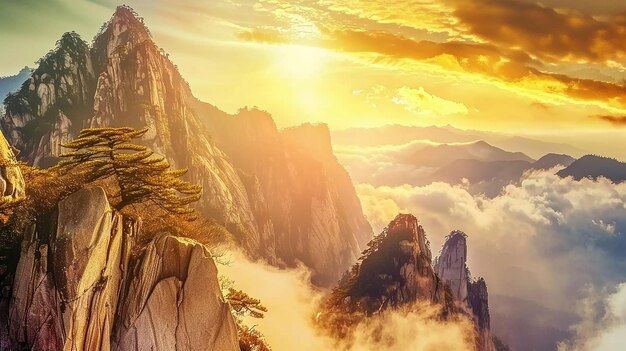
Mount Huangshan is famous for its “Four Wonders”: the spectacular granite peaks, the ancient pine trees, the sea of clouds, and the hot springs. The mountain range boasts over 70 peaks, with the highest, Lotus Peak, reaching an elevation of 1,864 meters (6,115 feet). These peaks are often shrouded in mist, creating an ethereal and mystical atmosphere that is both awe-inspiring and tranquil.

Granite Peaks

The granite formations of Huangshan are a geological marvel. Carved by millions of years of erosion, these peaks have taken on unique and dramatic shapes, often resembling human and animal figures. The many trails and paths winding through the mountains offer breathtaking views of these natural sculptures, making it a haven for photographers and nature enthusiasts.

Ancient Pine Trees

The ancient pine trees of Huangshan are another remarkable feature. These trees, some of which are over a thousand years old, cling tenaciously to the rocky cliffs, their twisted forms shaped by the harsh mountain environment. The most famous among them is the “Welcoming-Guest Pine,” which has become an iconic symbol of the mountain and is often depicted in traditional Chinese paintings.

Sea of Clouds

One of the most mesmerizing experiences on Mount Huangshan is witnessing the “sea of clouds.” This natural phenomenon occurs when dense clouds settle in the valleys, creating the illusion of an endless ocean. The peaks rise above the clouds like islands, offering a surreal and breathtaking vista, especially during sunrise and sunset.

Hot Springs

At the foot of the mountain, the hot springs of Huangshan provide a relaxing and therapeutic experience for visitors. The springs have been known for their healing properties for centuries and offer a perfect way to unwind after a day of hiking and exploring the mountain trails.

Cultural Significance

Mount Huangshan has long been an important cultural and spiritual symbol in China. It has inspired countless works of art, literature, and philosophy. The mountain is often associated with Taoism and is considered a place of spiritual retreat and reflection. Many ancient temples and shrines are scattered throughout the area, adding to its mystical allure.

Conclusion

Mount Huangshan is a destination that captivates all who visit with its natural beauty, cultural richness, and profound tranquility. Whether you’re an avid hiker, a photographer, or someone seeking a spiritual retreat, the Yellow Mountains offer an unforgettable experience. As you stand atop its peaks, gazing at the sea of clouds below, you’ll understand why Huangshan has been cherished for generations as one of China’s most magnificent natural wonders.