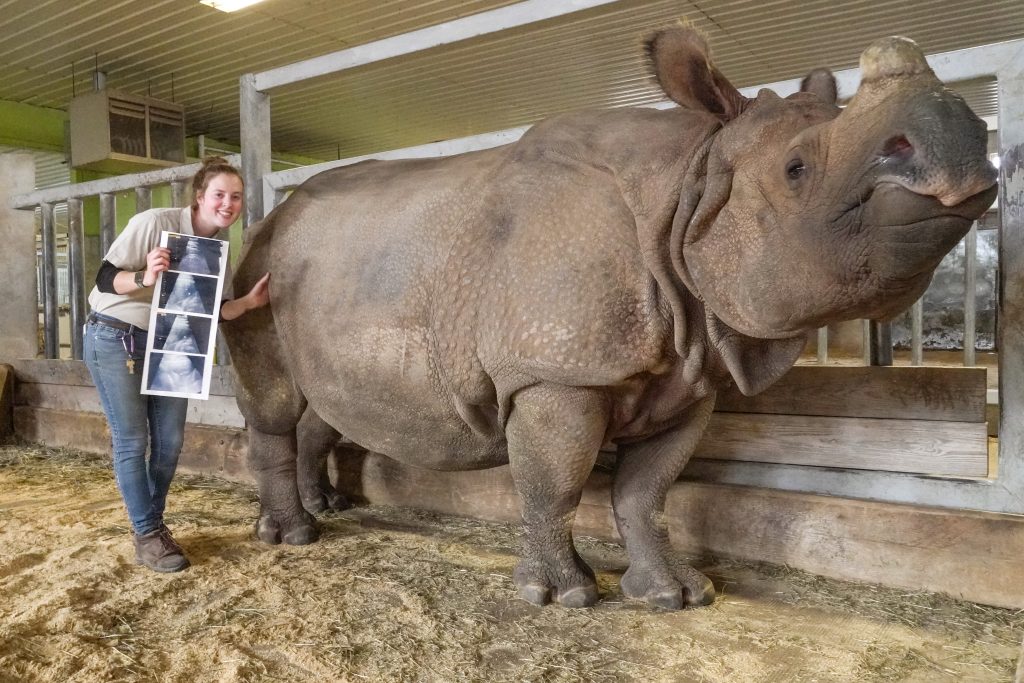
The Majestic Rhinoceros: A Threatened Giant

ppr-revolution.com – Rhinoceroses, often referred to as rhinos, are among the largest land mammals on Earth. These ancient creatures have roamed the planet for millions of years, evolving into iconic symbols of strength and power. However, due to human activities such as poaching and habitat loss, many rhino species are now critically endangered.   

A Diverse Family

There are five extant species of rhinoceros:   

  1. White Rhinoceros: The largest of all rhino species, the white rhino is divided into two subspecies: the southern white rhino and the northern white rhino. While the southern white rhino population has recovered significantly due to conservation efforts, the northern white rhino is on the brink of extinction, with only two remaining individuals.   
  2. Black Rhinoceros: This species is smaller than the white rhino and is known for its distinctive hooked upper lip. Black rhinos are highly territorial and solitary animals.   
  3. Indian Rhinoceros: Also known as the greater one-horned rhino, this species is native to India and Nepal. It is characterized by its single, large horn and its thick, gray skin.   
  4. Javan Rhinoceros: One of the rarest mammals on Earth, the Javan rhino is critically endangered. It is found in a small population in Ujung Kulon National Park in Indonesia.   
  5. Sumatran Rhinoceros: The smallest of all rhino species, the Sumatran rhino is also one of the most endangered. It is distinguished by its two horns and its reddish-brown hair.   

Threats to Survival

Rhinoceroses face numerous threats, including:

  • Poaching: The primary threat to rhino populations is poaching for their horns, which are highly valued in traditional Chinese medicine.   
  • Habitat Loss: Human activities such as agriculture, mining, and infrastructure development have led to significant habitat loss for rhinos.   
  • Conflict with Humans: In some areas, rhinos may come into conflict with local communities, leading to injuries and deaths.   

Conservation Efforts

To protect these magnificent creatures, conservation organizations and governments worldwide are working tirelessly to combat poaching, restore habitats, and implement breeding programs. Anti-poaching patrols, community outreach programs, and international cooperation are crucial components of these efforts.   

A Hope for the Future

While the future of rhinos remains uncertain, there is hope. Through dedicated conservation efforts and increased public awareness, it is possible to protect these iconic animals and ensure their survival for generations to come. By appreciating the beauty and ecological significance of rhinos, we can play a vital role in their conservation.

“Big Brother”: A Look Inside the Reality TV Giant

ppr-revolution.com – “Big Brother” is a reality TV show that has captivated audiences around the world since its inception in the late 1990s. The concept, which originated in the Netherlands, has been adapted in over 50 countries, showcasing the universal appeal of its premise: a group of strangers living together in a house filled with cameras and microphones, recording their every move 24/7. The show is not only a testament to the voyeuristic nature of reality television but also a social experiment that explores human behavior under constant surveillance and the dynamics of group living.

The Concept of “Big Brother”

The title “Big Brother” is borrowed from George Orwell’s dystopian novel “1984,” where it represents an omnipresent authority that monitors the lives of its citizens. In the context of the show, “Big Brother” is the entity that controls the house, issues tasks and rules, and ultimately decides the fate of the housemates through a combination of viewer votes and in-house competitions.

The Format

Each season of “Big Brother” typically follows a similar format. A group of diverse individuals, known as housemates, are sequestered in the Big Brother house. They are constantly monitored by cameras and are not allowed to have any contact with the outside world. Throughout the season, housemates are given various challenges and tasks designed to test their physical and mental capabilities, as well as their social skills.

The central element of the show is the eviction process. Housemates are regularly nominated by their peers, and the public or fellow housemates then vote to evict one of the nominees. This continues until only a few contestants remain, and the winner is usually determined by a public vote, receiving a cash prize as the ultimate reward.

The Appeal of “Big Brother”

“Big Brother” has become a cultural phenomenon, sparking debates about privacy, fame, and the nature of reality television. Its appeal lies in its unpredictability, as viewers never know what will happen next. The show also offers a unique insight into human psychology, as the stress of living in a confined space with constant surveillance and the pressure of competing for a prize can lead to intense emotions and dramatic confrontations.

Moreover, “Big Brother” has become a platform for launching the careers of its participants, with some former housemates going on to become celebrities in their own right. The show’s influence extends beyond the screen, impacting popular culture and even influencing the way people perceive reality TV and the concept of privacy.

The Evolution of “Big Brother”

Over the years, “Big Brother” has evolved, with different countries introducing their own twists to the format. Some versions have included celebrity editions, where famous personalities compete alongside regular contestants, and others have experimented with different voting systems or unique challenges.

Despite the emergence of various reality TV formats, “Big Brother” remains a staple in the genre, with new seasons and adaptations continuing to attract viewers eager to witness the latest drama and competition unfold.

Conclusion

“Big Brother” has left an indelible mark on the landscape of reality television. Its enduring popularity is a testament to the show’s ability to adapt and remain relevant, while also providing a fascinating glimpse into the lives of its participants and the complexities of human nature. As long as audiences continue to be intrigued by the dynamics of group living and the allure of watching real people in real situations, “Big Brother” is likely to remain a significant player in the world of reality TV.

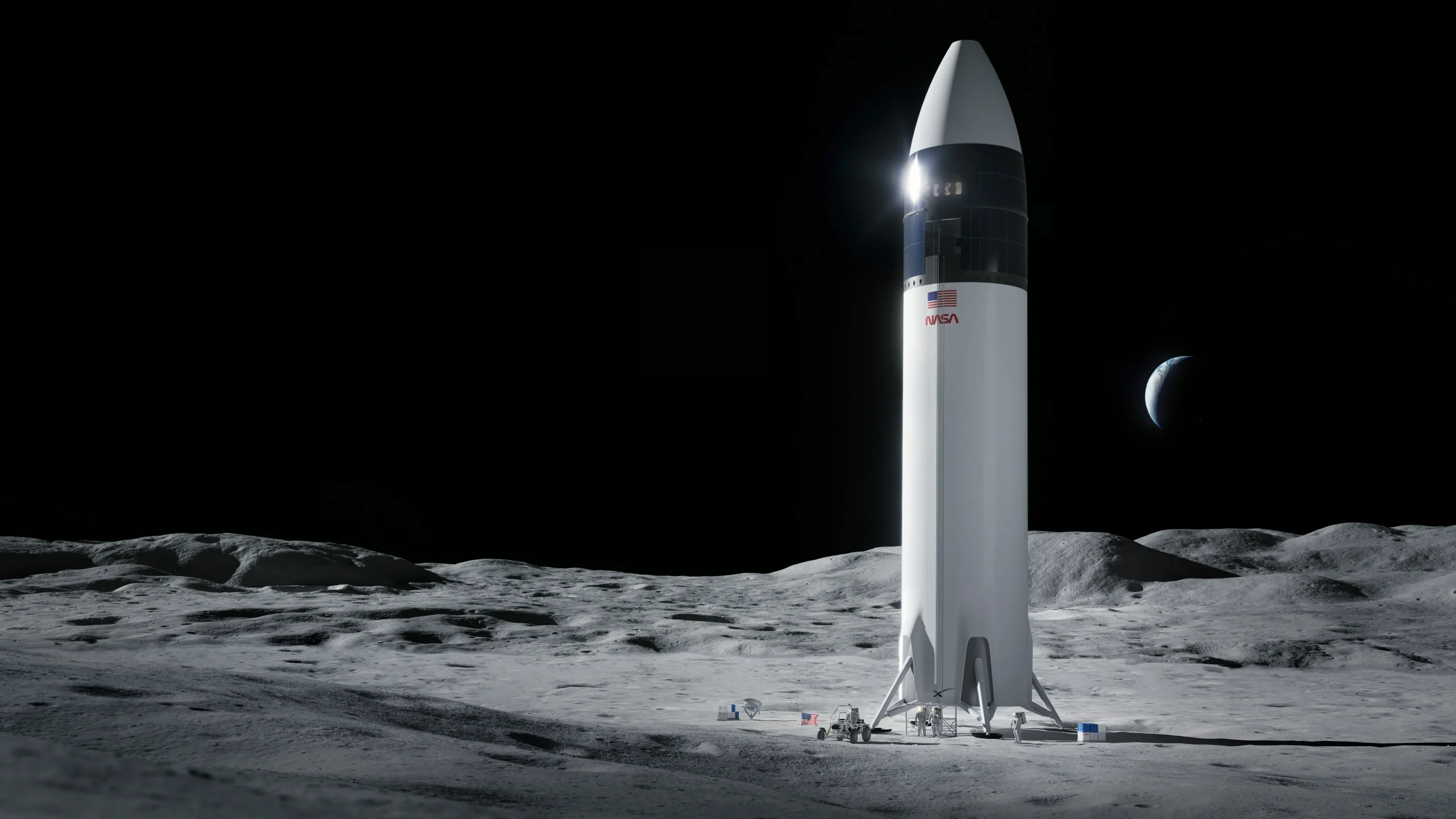
NASA’s Space Launch System: Human Space Exploration

ppr-revolution.com – The Space Launch System (SLS), developed by NASA, represents a colossal step forward in human space exploration. As the most powerful rocket in the world, SLS is designed to take astronauts farther than ever before, opening new possibilities for deep space missions. This article delves into the capabilities, significance, and future plans of the SLS, showcasing how it is poised to become the backbone of America’s deep space exploration program.

The Powerhouse of Space Exploration:
The SLS is not just a rocket; it’s a marvel of engineering and a testament to human ambition. With its ability to lift more mass into space than any other rocket in history, the SLS is designed to carry the Orion spacecraft, astronauts, and cargo to the Moon, Mars, and beyond. The initial configuration of the SLS, known as Block 1, is capable of lifting 70 metric tons to low-Earth orbit, with future iterations aiming for even greater capacities.

A Vehicle for Deep Space:
The SLS is integral to NASA’s Artemis program, which aims to return humans to the Moon and establish a sustainable presence there by the end of the decade. The rocket will launch the Orion spacecraft on a journey that will take astronauts farther than they have ever traveled, enabling them to orbit the Moon and eventually land on its surface. The SLS is also the key to future Mars missions, providing the necessary power to send humans on the journey to the Red Planet.

Innovation and Sustainability:
The development of the SLS incorporates cutting-edge technologies and sustainable practices. The rocket’s core stage is powered by four RS-25 engines, which are partly derived from the Space Shuttle’s main engines. This not only leverages previous investments in space technology but also demonstrates NASA’s commitment to environmental stewardship. The SLS also features solid rocket boosters, the largest ever built, which are reusable and recoverable, contributing to a more sustainable approach to space exploration.

A Global Partnership:
The SLS is not just an American endeavor; it is a global project that involves international partners and suppliers. This collaborative approach ensures that the best minds and technologies from around the world contribute to the success of the SLS and its missions. The Artemis program, in particular, is an international effort, with countries from Europe, Canada, Japan, and other partners contributing to the development of the Orion spacecraft and other components of the mission.

The Future of Space Exploration:
The SLS is a critical component of NASA’s long-term vision for space exploration. As the agency looks to the Moon, Mars, and beyond, the SLS will be the workhorse that enables these ambitious missions. The rocket’s development is ongoing, with plans for upgrades and enhancements that will increase its payload capacity and efficiency. The SLS Block 1B, for example, will feature the Exploration Upper Stage, which will provide additional propulsion for more complex missions.

Conclusion:
The Space Launch System is more than a rocket; it is a symbol of human ingenuity and a tool for expanding our knowledge of the universe. As NASA continues to push the boundaries of what is possible, the SLS stands ready to carry the hopes and dreams of humanity to the stars. With each launch, the SLS will not only advance scientific discovery but also inspire future generations to reach for the stars. The SLS is not just the next giant leap for NASA; it is a giant leap for all of humanity as we venture into the cosmos.