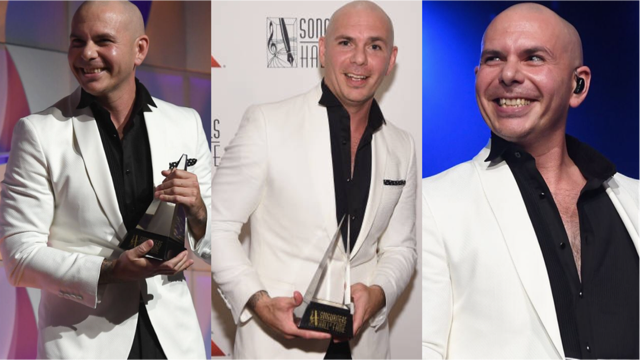
Pitbull: The Global Ambassador of Party Music

ppr-revolution.com – Pitbull, born Armando Christian Pérez on January 15, 1981, in Miami, Florida, is a first-generation Cuban-American. His parents separated when he was young, and he was primarily raised by his mother. Pitbull was influenced by Miami’s diverse cultural landscape and began his musical journey inspired by the works of Cuban poet José Martí and Miami-based Latin music.

Rise to Fame

Pitbull’s career took off in the early 2000s when he was featured on Lil Jon’s 2002 album “Kings of Crunk.” His debut album, “M.I.A.M.I.” (Money Is A Major Issue), released in 2004, set the stage for his distinctive blend of hip-hop, reggaeton, and Latin music. The album’s single “Culo,” produced by Lil Jon, became a hit and established Pitbull as a rising star in the music industry.

Musical Style and Influence

Pitbull is known for his upbeat and energetic music, often characterized by catchy hooks and danceable rhythms. His style merges hip-hop with Latin and electronic influences, creating a sound that appeals to a wide audience. He has collaborated with a diverse array of artists, including Jennifer Lopez, Enrique Iglesias, and Christina Aguilera, further expanding his reach and influence.

Global Success

Pitbull’s commercial success skyrocketed with the release of songs like “I Know You Want Me (Calle Ocho)” and “Give Me Everything.” His music often features themes of celebration, partying, and living life to the fullest, earning him the nickname “Mr. Worldwide.” Pitbull’s global appeal is evident in his multilingual tracks and international collaborations, making him a household name across the globe.

Philanthropy and Business Ventures

Beyond music, Pitbull is a dedicated philanthropist and entrepreneur. He has invested in various business ventures, including hospitality and education. He is a strong advocate for education reform and has opened the SLAM! (Sports Leadership and Management) charter schools in several U.S. cities. Pitbull’s efforts to give back to the community and support education initiatives highlight his commitment to making a positive impact beyond the music industry.

Legacy and Impact

Pitbull’s influence extends beyond his chart-topping hits. As a cultural icon, he has played a significant role in popularizing Latin music and culture worldwide. His energetic performances and charismatic personality have made him a beloved figure among fans and peers alike. Pitbull continues to inspire new generations of artists, proving that music can transcend borders and bring people together.

Pitbull’s journey from Miami’s streets to international fame is a testament to his talent, determination, and ability to connect with audiences around the world. As he continues to evolve as an artist and entrepreneur, Pitbull remains a symbol of pride for the Latin community and a global ambassador of party music.
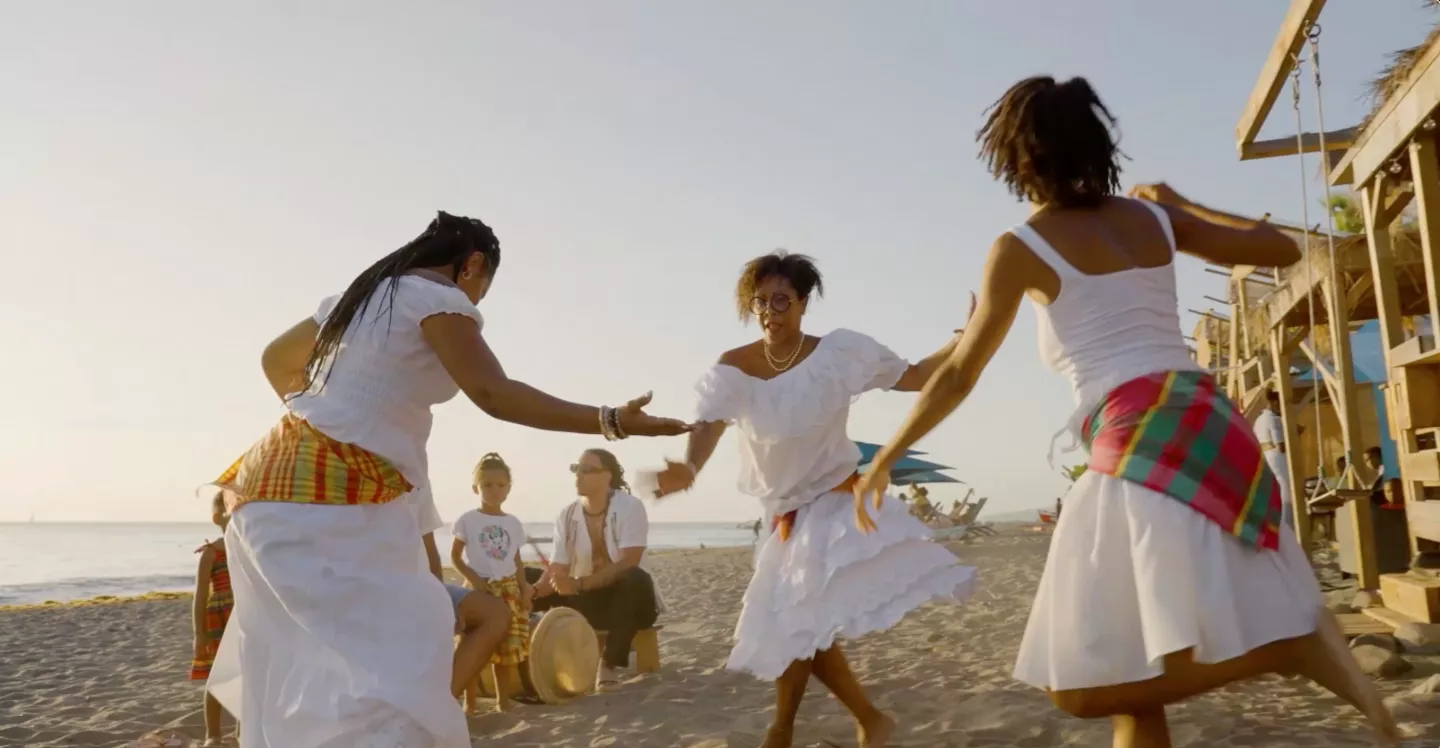
Music and Dance in a Caribbean Oasis: Island Rhythms

ppr-revolution.com – Nestled within the azure embrace of the Caribbean Sea, a vibrant tapestry of cultures thrives, woven together by the common threads of music and dance. This Caribbean oasis, with its sun-kissed beaches, lush landscapes, and a history as rich and complex as its rhythms, offers a unique cultural experience that captivates the soul. The heartbeat of this paradise is its music and dance, which not only reflect the region’s diverse heritage but also serve as a unifying force among its people.

The Caribbean’s musical landscape is as diverse as its geography, with each island boasting its own distinct sounds and styles. From the pulsating beats of Jamaican reggae to the fast-paced, infectious rhythms of Trinidadian soca, the music of the Caribbean is a testament to the region’s resilience and creativity. These sounds are deeply rooted in the history of the islands, influenced by the indigenous peoples, African slaves, European colonizers, and Asian indentured servants who have all contributed to the cultural mosaic of the Caribbean.

Reggae, perhaps the most internationally recognized genre of Caribbean music, originated in Jamaica in the late 1960s. It is more than just a musical style; it is a cultural movement that embodies the Rastafarian philosophy of peace, love, and equality. The lyrics often address social, political, and economic issues, making reggae a powerful tool for change. Artists like Bob Marley have used their music to speak out against injustice and to promote unity among people of all backgrounds.

Soca, on the other hand, is the quintessential party music of the Caribbean. Originating in Trinidad and Tobago, it is a fusion of calypso, soul, and Indian music. Soca is the soundtrack of Carnival, the most vibrant and exuberant celebration in the Caribbean. During Carnival, the streets come alive with the sound of steel pans, the dazzling colors of costumes, and the rhythmic movements of dance. It is a time when people from all walks of life come together to celebrate their heritage and to revel in the joy of music and dance.

Dance is an integral part of Caribbean culture, a physical expression of the music that permeates every aspect of life. The dances are as diverse as the music, each with its own unique steps and styles. From the graceful movements of limbo dancing, where dancers bend backwards to pass under a stick as it is lowered closer to the ground, to the high-energy, hip-gyrating dance moves of soca, Caribbean dance is a celebration of the body and spirit.

The influence of African culture is evident in many Caribbean dances, which often mimic the movements of animals or incorporate storytelling through movement. These dances are passed down through generations, preserving the traditions and history of the people. The music and dance of the Caribbean are not just forms of entertainment; they are a means of communication, a way to tell the stories of the past and present, and to express the hopes and dreams for the future.

In a Caribbean oasis, music and dance are more than just art forms; they are a way of life. They bring people together, breaking down barriers and fostering a sense of community and belonging. Whether it’s the slow, meditative beats of reggae or the fast, frenetic rhythms of soca, the music of the Caribbean has the power to move the body and touch the soul. It is a testament to the enduring spirit of the Caribbean people, a spirit that continues to thrive and inspire, generation after generation.

In conclusion, the music and dance of the Caribbean are not just sounds and movements; they are the heart and soul of the region. They reflect the history, culture, and diversity of the islands, and they serve as a powerful reminder of the unifying force of art. In a Caribbean oasis, where the sun sets on the horizon and the stars begin to twinkle in the night sky, the rhythms of the islands continue to play, inviting all to join in the celebration of life.