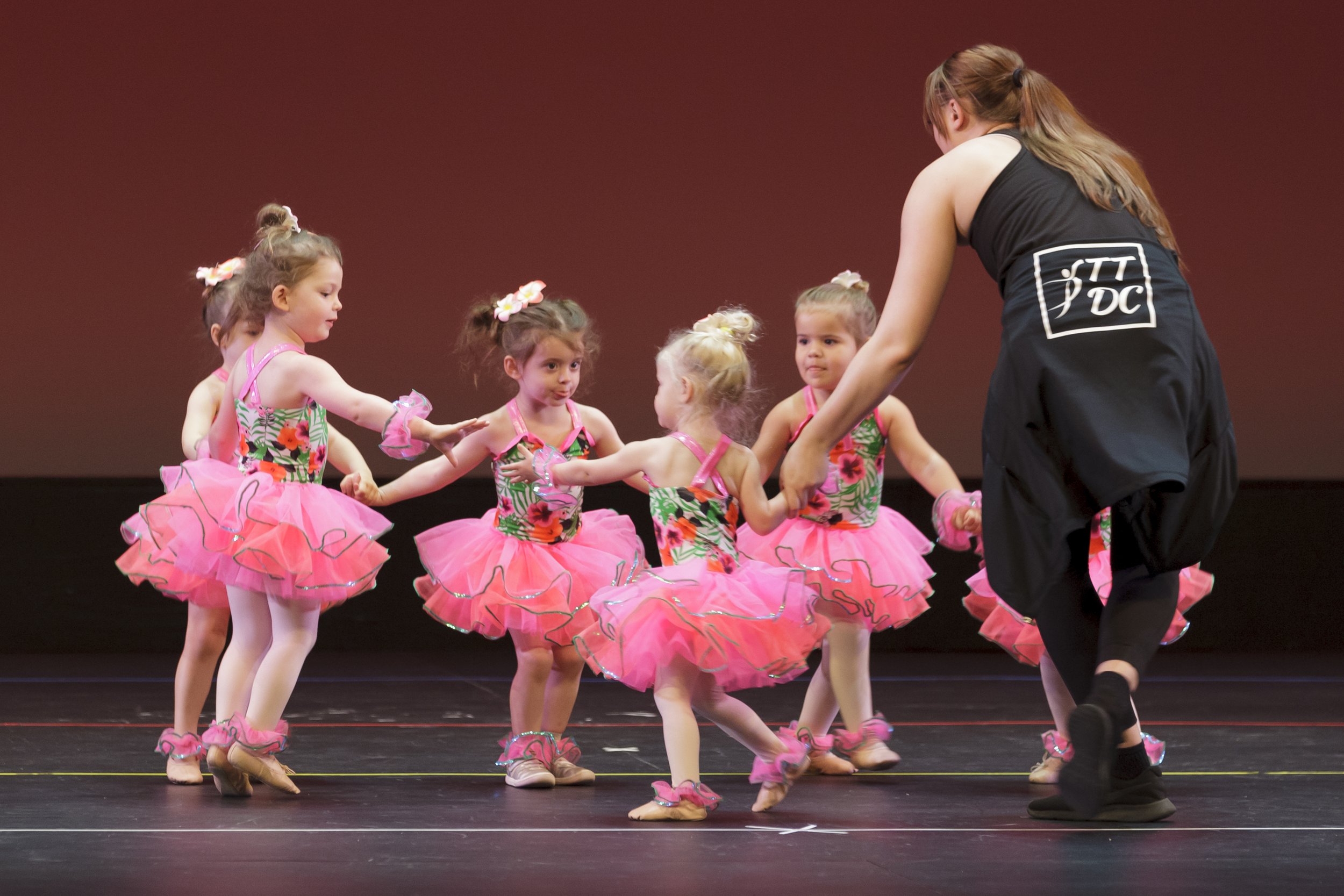
Twinkle Toes: The Dance of Light and Joy

ppr-revolution.com – Twinkle Toes is a term that evokes images of light, grace, and the joy of movement. It is often used to describe someone with a particularly agile and rhythmic way of dancing, where their feet seem to glide effortlessly across the floor, leaving a trail of sparkle and delight. This expression captures the essence of dance as an art form that combines physical skill with the ability to convey emotion and tell a story through movement.

The Origins of Twinkle Toes

The phrase “twinkle toes” has been part of the English lexicon for many years, with its origins likely stemming from the early 20th century. It was a term of endearment and admiration for dancers who displayed exceptional talent and flair. Over time, it has become synonymous with any dancer who exhibits a high level of skill, precision, and a certain magical quality in their performance.

Characteristics of a Twinkle Toes Dancer

A twinkle toes dancer is one who possesses several key attributes:

  • Agility: The ability to move with ease and swiftness, executing steps with precision and control.
  • Rhythm: A strong sense of timing and the ability to stay in sync with the music, making each movement appear effortless.
  • Grace: A fluid and elegant style that captivates the audience, making the dance look like a beautiful, flowing art form.
  • Expression: The capacity to convey emotions and tell a story through dance, engaging the audience on a deeper level.

The Joy of Watching Twinkle Toes

Watching a twinkle toes dancer perform is a mesmerizing experience. Their feet seem to barely touch the ground as they dance, creating an illusion of weightlessness. The combination of technical skill and artistic expression makes each performance unique and memorable. Whether it’s a ballet dancer pirouetting on pointe or a tap dancer creating a symphony of rhythms, the twinkle toes phenomenon brings joy and wonder to all who witness it.

Cultivating Twinkle Toes

Becoming a twinkle toes dancer requires dedication, practice, and a love for the art of dance. It involves years of training to develop the necessary skills and to hone the ability to express oneself through movement. Dancers often start at a young age, attending classes and workshops, and continuously seeking to improve their craft. The journey to becoming a twinkle toes dancer is one of perseverance and passion.

Twinkle Toes in Popular Culture

The term “twinkle toes” has also found its way into popular culture, often used to describe celebrities and public figures known for their dancing prowess. It has been featured in movies, television shows, and even in the names of dance schools and studios, symbolizing the aspiration to achieve that level of skill and artistry in dance.

Conclusion

Twinkle Toes represents the pinnacle of dance performance, where talent, hard work, and artistic expression converge to create a magical experience. It is a testament to the human ability to transform physical movement into a form of artistic expression that transcends language and touches the hearts of all who witness it. Whether on the stage of a grand theater or in the living room during a family gathering, the dance of a twinkle toes dancer is a celebration of light, joy, and the beauty of human creativity.
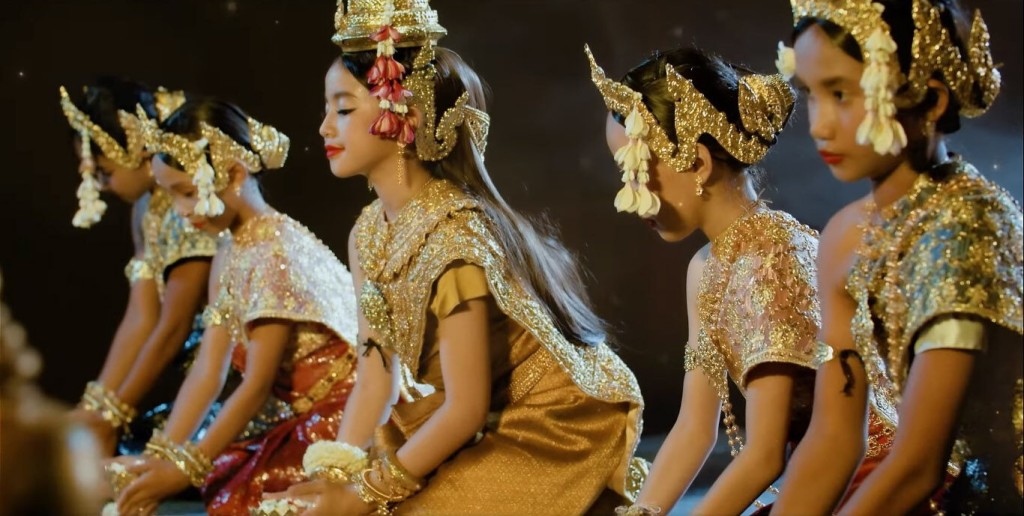
The Robam Toss Basorn: The Royal Dance of Cambodia

ppr-revolution.com – The Robam Toss Basorn is a revered dance form that has been an integral part of Cambodian culture for centuries. Originating from the royal courts, this dance is a mesmerizing blend of art, tradition, and spirituality, reflecting the rich heritage of Cambodia. The dance is not just an entertainment form but a sacred ritual that honors the gods and ancestors, ensuring their blessings for the kingdom and its people.

Historical Significance

The roots of the Robam Toss Basorn can be traced back to the Angkorian period, where it was performed in the temples and courts of the Khmer Empire. The dance was a significant part of the royal ceremonies and was believed to bring prosperity and peace to the kingdom. Over the years, it has evolved but retained its essence, becoming a symbol of Cambodian identity and resilience, especially in the face of the country’s turbulent history.

The Dance

The Robam Toss Basorn is characterized by its intricate movements, graceful poses, and expressive gestures. The dancers, both male and female, wear elaborate costumes that are a sight to behold. The costumes are designed to represent different characters from Cambodian mythology and history, each with its unique colors and accessories.

The dance is accompanied by traditional Cambodian music, played on instruments such as the pinpeat (a type of ensemble), tro (a two-stringed fiddle), and skor thom (a large drum). The music sets the rhythm and mood of the dance, guiding the dancers through their performance.

Symbolism and Ritual

Beyond its aesthetic appeal, the Robam Toss Basorn is deeply symbolic. Each movement, gesture, and expression conveys a specific meaning, often related to Cambodian mythology and religious beliefs. The dance is believed to invoke the presence of the gods and spirits, seeking their protection and favor.

One of the most significant aspects of the Robam Toss Basorn is its role in the coronation of Cambodian kings. The dance is performed as part of the coronation ceremony, symbolizing the king’s divine right to rule and his duty to uphold the welfare of his people.

Preservation and Revival

The Robam Toss Basorn faced a significant threat during the Khmer Rouge regime, when many artists and performers were killed or forced to abandon their craft. However, in the years following the regime’s fall, efforts have been made to revive and preserve this cultural treasure. Schools and institutions dedicated to teaching traditional Cambodian dance have sprung up, ensuring that the art form is passed down to future generations.

International recognition has also played a crucial role in the preservation of the Robam Toss Basorn. In 2001, UNESCO recognized Cambodian classical dance as a Masterpiece of the Oral and Intangible Heritage of Humanity, highlighting its importance not just to Cambodia but to the world.

Conclusion

The Robam Toss Basorn is more than just a dance; it is a living testament to the enduring spirit of Cambodia. It embodies the country’s rich history, cultural identity, and spiritual beliefs. As Cambodia continues to rebuild and look towards the future, the Robam Toss Basorn remains a cherished part of its heritage, reminding the world of the beauty and resilience of Cambodian culture.

Music and Dance in a Caribbean Oasis: Island Rhythms

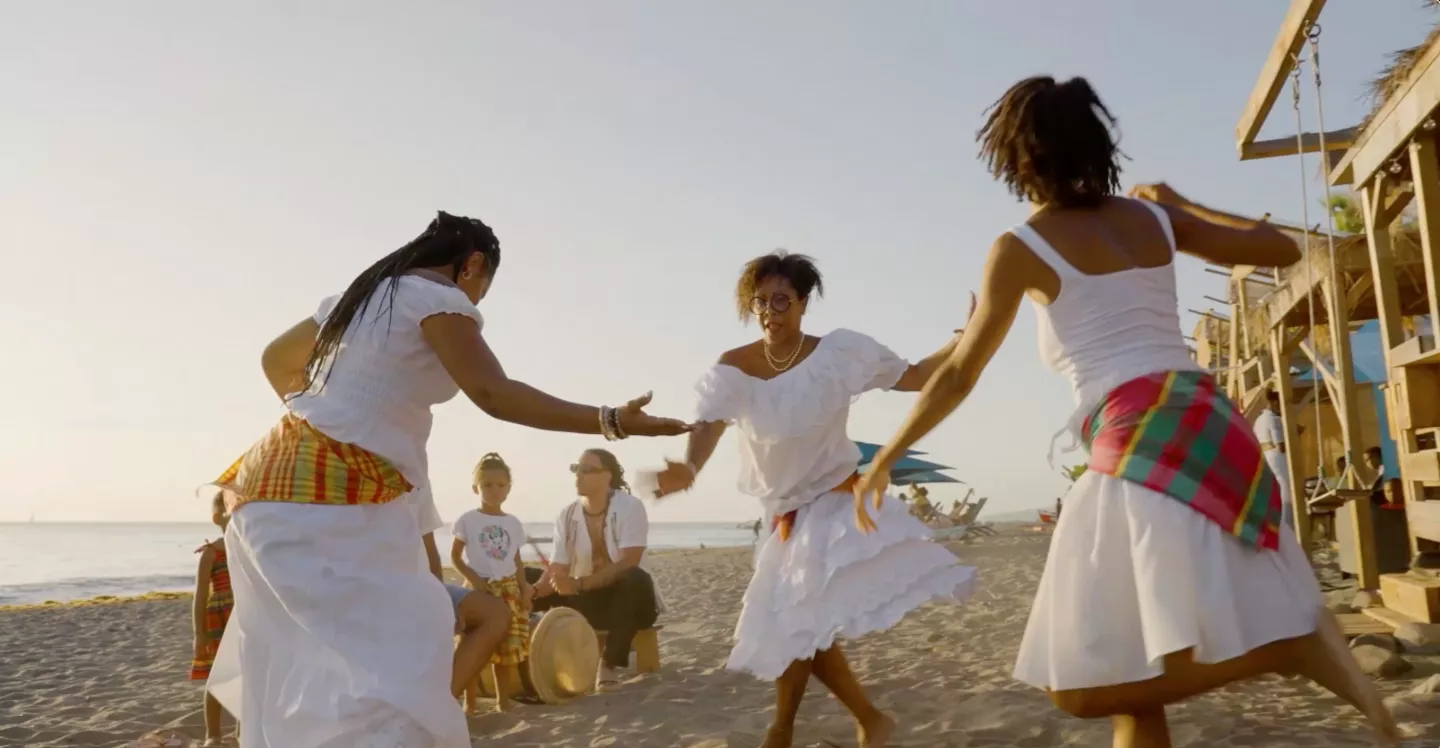
ppr-revolution.com – Nestled within the azure embrace of the Caribbean Sea, a vibrant tapestry of cultures thrives, woven together by the common threads of music and dance. This Caribbean oasis, with its sun-kissed beaches, lush landscapes, and a history as rich and complex as its rhythms, offers a unique cultural experience that captivates the soul. The heartbeat of this paradise is its music and dance, which not only reflect the region’s diverse heritage but also serve as a unifying force among its people.

The Caribbean’s musical landscape is as diverse as its geography, with each island boasting its own distinct sounds and styles. From the pulsating beats of Jamaican reggae to the fast-paced, infectious rhythms of Trinidadian soca, the music of the Caribbean is a testament to the region’s resilience and creativity. These sounds are deeply rooted in the history of the islands, influenced by the indigenous peoples, African slaves, European colonizers, and Asian indentured servants who have all contributed to the cultural mosaic of the Caribbean.

Reggae, perhaps the most internationally recognized genre of Caribbean music, originated in Jamaica in the late 1960s. It is more than just a musical style; it is a cultural movement that embodies the Rastafarian philosophy of peace, love, and equality. The lyrics often address social, political, and economic issues, making reggae a powerful tool for change. Artists like Bob Marley have used their music to speak out against injustice and to promote unity among people of all backgrounds.

Soca, on the other hand, is the quintessential party music of the Caribbean. Originating in Trinidad and Tobago, it is a fusion of calypso, soul, and Indian music. Soca is the soundtrack of Carnival, the most vibrant and exuberant celebration in the Caribbean. During Carnival, the streets come alive with the sound of steel pans, the dazzling colors of costumes, and the rhythmic movements of dance. It is a time when people from all walks of life come together to celebrate their heritage and to revel in the joy of music and dance.

Dance is an integral part of Caribbean culture, a physical expression of the music that permeates every aspect of life. The dances are as diverse as the music, each with its own unique steps and styles. From the graceful movements of limbo dancing, where dancers bend backwards to pass under a stick as it is lowered closer to the ground, to the high-energy, hip-gyrating dance moves of soca, Caribbean dance is a celebration of the body and spirit.

The influence of African culture is evident in many Caribbean dances, which often mimic the movements of animals or incorporate storytelling through movement. These dances are passed down through generations, preserving the traditions and history of the people. The music and dance of the Caribbean are not just forms of entertainment; they are a means of communication, a way to tell the stories of the past and present, and to express the hopes and dreams for the future.

In a Caribbean oasis, music and dance are more than just art forms; they are a way of life. They bring people together, breaking down barriers and fostering a sense of community and belonging. Whether it’s the slow, meditative beats of reggae or the fast, frenetic rhythms of soca, the music of the Caribbean has the power to move the body and touch the soul. It is a testament to the enduring spirit of the Caribbean people, a spirit that continues to thrive and inspire, generation after generation.

In conclusion, the music and dance of the Caribbean are not just sounds and movements; they are the heart and soul of the region. They reflect the history, culture, and diversity of the islands, and they serve as a powerful reminder of the unifying force of art. In a Caribbean oasis, where the sun sets on the horizon and the stars begin to twinkle in the night sky, the rhythms of the islands continue to play, inviting all to join in the celebration of life.