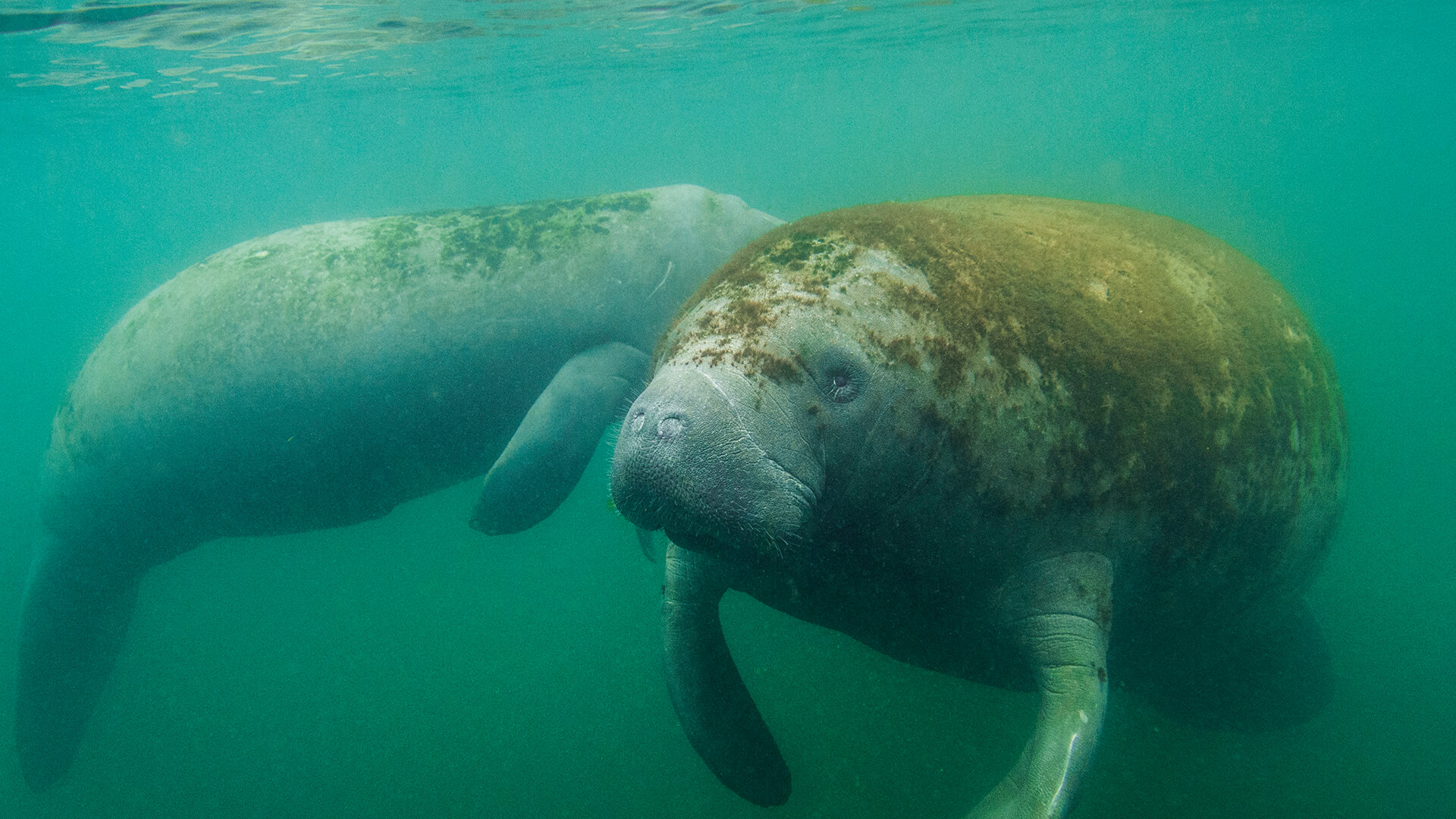
ppr-revolution.com – Manatees, often called “sea cows,” are large, slow-moving marine mammals that are best known for their gentle nature and herbivorous diet. Found in warm coastal waters, rivers, and estuaries, manatees spend a significant portion of their time feeding on aquatic plants. There are three species of manatees—the West Indian, the Amazonian, and the West African manatee—each of which follows a plant-based diet. In this article, we will dive into the feeding habits of the manatee, explore their primary food sources, and understand their critical role in maintaining aquatic ecosystems.
A Plant-Based Diet: Herbivores of the Sea
Manatees are herbivores, which means their diet consists almost exclusively of plants. They rely heavily on a variety of aquatic vegetation, both in freshwater and saltwater habitats. Manatees graze for several hours a day, consuming large quantities of plants to sustain their large bodies.
1. Aquatic Vegetation
- The main food source for manatees is aquatic plants, such as seagrass, water hyacinths, hydrilla, and turtle grass. These plants grow in shallow coastal waters, rivers, and estuaries where manatees spend most of their time grazing.
- Manatees use their flexible, prehensile upper lips to grab and pull plants toward their mouths, much like an elephant uses its trunk. Their specialized teeth, which continuously grow and replace worn-down ones, help them grind tough vegetation.
2. Seagrass Meadows
- Seagrass is a particularly important food source for manatees, especially for those that inhabit coastal areas. Manatees graze on several types of seagrasses, including manatee grass and shoal grass, which are found in the warm waters of the Caribbean, the Gulf of Mexico, and along the southeastern coast of the United States.
- Seagrass is a highly nutritious food source, rich in essential nutrients like fiber and minerals. Manatees spend hours each day grazing on seagrass beds, helping to maintain the health of these underwater ecosystems.
3. Freshwater Plants
- Manatees that live in freshwater rivers and estuaries primarily feed on freshwater plants, such as hydrilla, water lettuce, water hyacinths, and duckweed. These plants are abundant in warm, slow-moving waters, making them ideal feeding grounds for manatees.
- Freshwater vegetation is softer than seagrass, but it still provides manatees with the necessary nutrients for survival. In regions like the Amazon River, the Amazonian manatee feeds on a wide variety of freshwater plants that grow along riverbanks.
4. Occasional Ingestion of Non-Plant Materials
- Although manatees are herbivores, they may occasionally ingest non-plant materials such as small invertebrates or detritus (decaying plant matter) while foraging. These incidental inclusions are not a major part of their diet but may contribute some additional nutrients.
Feeding Habits and Energy Requirements
Manatees are large animals, with adults typically weighing between 400 and 600 kilograms (880–1,320 lbs), and they require a substantial amount of food to maintain their energy levels.
1. Daily Feeding Routine
- Manatees can eat 10–15% of their body weight in vegetation daily, which means an adult manatee may consume between 30 and 60 kilograms (66–132 lbs) of plants each day. This constant need for food keeps manatees grazing for up to 8 hours a day.
- They typically forage in shallow waters, where they can easily access seagrass beds and other aquatic plants. Manatees will slowly swim along the bottom, using their powerful tails to navigate while their lips pluck vegetation.
2. Slow Metabolism
- Despite their large size, manatees have a slow metabolism, which is why they spend so much time feeding. This slow metabolic rate also means manatees are highly susceptible to cold stress, and they require warm water environments to maintain their body temperature.
- Manatees have been observed migrating to warmer waters during colder months to avoid areas where aquatic plants die off in cooler temperatures, ensuring they have a constant supply of food year-round.
Ecological Role of Manatees
Manatees play a crucial role in their ecosystems by controlling plant growth and promoting the health of aquatic habitats. Their feeding behavior helps maintain the balance between plant growth and decay, preventing overgrowth and promoting biodiversity.
1. Maintaining Seagrass Beds
- Manatees help keep seagrass beds healthy by grazing on the top layers of vegetation, which prevents the plants from growing too tall and blocking sunlight from reaching other parts of the seagrass bed. This allows for greater biodiversity within these ecosystems, supporting a variety of marine life.
- By grazing on seagrasses, manatees also help recycle nutrients back into the environment through their waste, which can benefit the growth of seagrass and other aquatic plants.
2. Controlling Invasive Species
- In freshwater environments, manatees play a role in controlling invasive plant species such as water hyacinth and hydrilla, which can choke waterways and outcompete native vegetation. By consuming large quantities of these plants, manatees help manage their populations and prevent them from overtaking habitats.
3. Nutrient Distribution
- As manatees move through different habitats, they contribute to nutrient distribution. Their grazing and excretion of plant material help cycle nutrients through the water column, which can support the growth of other aquatic organisms.
Threats to Manatee Feeding Habits
Manatees face several threats that impact their ability to feed and thrive in their natural habitats. Many of these threats are related to human activity and environmental changes.
1. Loss of Seagrass Habitats
- One of the most significant threats to manatees is the loss of seagrass habitats due to coastal development, pollution, and boat traffic. Seagrass meadows are highly sensitive to changes in water quality, and nutrient pollution from agriculture and urban runoff can lead to harmful algal blooms that block sunlight and kill seagrass beds.
- In areas where seagrass has declined, manatees may struggle to find enough food, leading to malnutrition and population decline.
2. Water Pollution
- Water pollution from agricultural runoff, sewage, and industrial waste can degrade manatee habitats and harm the plants they rely on for food. Pollution can also lead to the growth of toxic algae, which can poison manatees if consumed.
- Poor water quality in rivers and coastal areas can reduce the availability of food and lead to long-term declines in manatee populations.
3. Boat Strikes and Habitat Disturbance
- Boat strikes are a leading cause of injury and death for manatees, especially in areas with heavy boat traffic. Boats can damage seagrass beds, reducing available food for manatees, while injured manatees may struggle to forage effectively.
- Habitat disturbance from coastal development and recreational activities can also disrupt feeding areas, forcing manatees to move to less suitable habitats in search of food.
Conservation Efforts for Manatees
Manatee populations are vulnerable to human activities, but conservation efforts have been implemented to protect their habitats and ensure their long-term survival.
1. Protection of Seagrass Habitats
- Efforts to protect and restore seagrass meadows are critical for the conservation of manatees. Marine protected areas, habitat restoration projects, and regulations on coastal development help safeguard the ecosystems where manatees feed.
- Reducing pollution and improving water quality are also essential for maintaining healthy seagrass habitats, ensuring that manatees have access to nutritious food.
2. Boat Speed Regulations
- In areas where manatees are present, boat speed zones have been established to reduce the risk of collisions. These regulations help protect manatees from injury and minimize habitat disturbance, allowing them to feed safely.
3. Public Awareness and Education
- Public awareness campaigns that educate people about the importance of manatees and their role in aquatic ecosystems have been crucial in garnering support for conservation efforts. By raising awareness of the threats manatees face, such as habitat loss and boat strikes, these campaigns encourage responsible behavior in areas where manatees live.
Conclusion
Manatees are gentle, herbivorous marine mammals that play a vital role in maintaining healthy aquatic ecosystems. Their diet consists mainly of seagrasses and freshwater plants, which they consume in large quantities to sustain their large bodies and slow metabolism. However, manatees face significant threats, including habitat loss, water pollution, and boat strikes, which affect their ability to find food and thrive. Conservation efforts focused on protecting their habitats, improving water quality, and raising public awareness are essential for ensuring the survival of manatees and the health of the ecosystems they inhabit.