Loja: History and Nature – A Colonial Gem in the Southern Andes

ppr-revolution.com – Loja, a province nestled in the southern highlands of Ecuador, is a captivating destination that offers a unique blend of colonial charm, natural beauty, and cultural richness. With its well-preserved historic center, stunning mountain landscapes, and vibrant indigenous communities, Loja invites travelers to explore its diverse offerings.

Loja City: A Colonial Delight

Loja City, the provincial capital, is a picturesque city with a rich history. The city’s central square, Plaza Central, is a popular gathering place, surrounded by colonial-era buildings and bustling markets. The Cathedral of the Virgin of El Cisne, a stunning Baroque church, is one of the city’s most iconic landmarks.

Natural Wonders and Outdoor Adventures

Loja is a paradise for nature lovers and outdoor enthusiasts. The province’s diverse landscapes, ranging from high-altitude páramos to lush valleys, offer endless opportunities for exploration.

  • Podocarpus National Park: A biodiversity hotspot, Podocarpus National Park boasts a diverse range of ecosystems, including cloud forests, páramos, and Andean forests. The park is home to a variety of wildlife, including spectacled bears, condors, and numerous bird species.
  • Vilcabamba: A charming town known as the “Valley of Longevity,” Vilcabamba is surrounded by stunning mountain scenery and offers opportunities for hiking, biking, and birdwatching.

Indigenous Culture and Traditions

Loja is home to several indigenous communities, including the Saraguro, who are known for their vibrant textiles, music, and dance. Visitors can experience the rich cultural heritage of these communities by attending local festivals, visiting traditional markets, or participating in cultural tours.

A Culinary Delight

Loja’s cuisine is a delightful blend of Andean and Spanish influences. Local specialties include cuy asado (roasted guinea pig), fritada (fried pork), and mote pillo (hominy with cheese and onions). The province is also known for its delicious fruit and vegetables, which are grown in the fertile valleys and highlands.

Loja, with its colonial charm, stunning landscapes, and rich cultural heritage, offers a truly unforgettable experience. Whether you’re seeking adventure, relaxation, or cultural immersion, this Andean paradise has something for everyone.
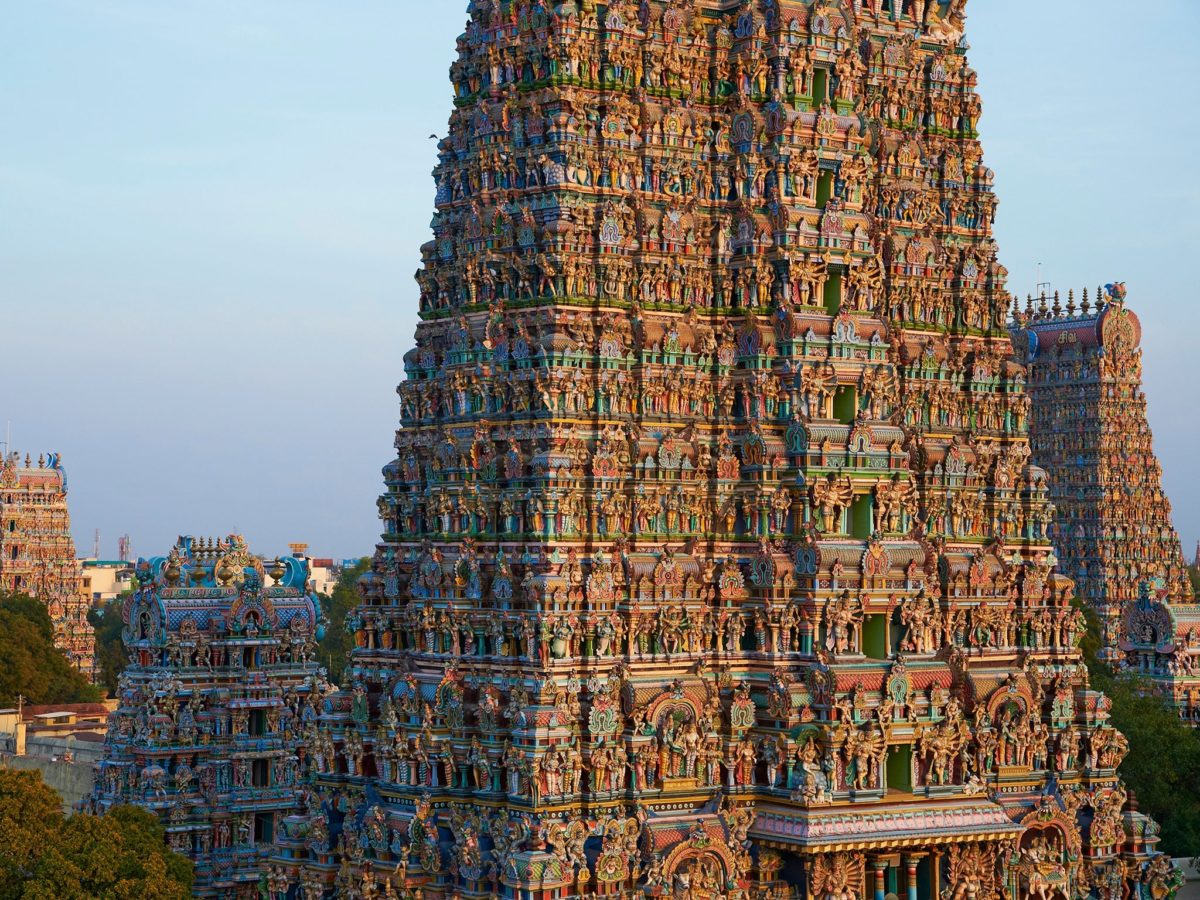
Sri Ranganathaswamy Temple: A Spiritual Marvel of Southern India

ppr-revolution.com – Sri Ranganathaswamy Temple, located in Srirangam, Tiruchirappalli, Tamil Nadu, is a sacred Hindu temple dedicated to Lord Ranganatha, a reclining form of the Hindu deity Vishnu. Renowned for its architectural grandeur and spiritual significance, it stands as one of the largest functioning Hindu temple complexes in the world.

Historical Background

The origins of the Sri Ranganathaswamy Temple trace back to ancient times, with its history deeply intertwined with Tamil culture and spiritual traditions. The temple has been mentioned in several ancient Tamil texts and is revered in the works of the Alvars, the Tamil Vaishnavite poet-saints. Over centuries, it has been patronized by various dynasties, including the Cholas, Pandyas, Hoysalas, and Vijayanagara rulers, each contributing to its architectural splendor.

Architectural Grandeur

The temple is a masterpiece of Dravidian architecture, characterized by its imposing gopurams (towering gateways), intricately carved pillars, and expansive courtyards. The temple complex is enclosed by seven concentric walls, known as prakarams, each housing various shrines, mandapams (halls), and gardens. The Rajagopuram, the main tower of the temple, stands at an impressive height of 236 feet, making it one of the tallest temple towers in the world.

Spiritual Significance

As a prominent pilgrimage site, the Sri Ranganathaswamy Temple holds immense religious importance for devotees of Vishnu. It is one of the 108 Divya Desams, holy shrines lauded in the Tamil canon, Naalayira Divya Prabandham. The temple celebrates numerous festivals throughout the year, the most notable being the Vaikunta Ekadasi, attracting thousands of devotees from across the globe.

Cultural Impact

The temple’s influence extends beyond spirituality, playing a crucial role in preserving and promoting Tamil culture and traditions. It serves as a hub for religious discourse, classical music, and dance performances, thus enriching the cultural tapestry of the region.

Conclusion

The Sri Ranganathaswamy Temple stands as a testament to the architectural brilliance and spiritual depth of ancient India. Its enduring legacy continues to inspire and attract pilgrims and tourists alike, offering a glimpse into the rich cultural and religious heritage of Tamil Nadu.