Sacred Spaces Across Cultures: Temples of Worship

ppr-revolution.com – Temples of worship are sacred spaces that hold significant importance across various cultures and religions around the world. These structures are designed to facilitate spiritual practices, rituals, and ceremonies, and they often embody the deepest beliefs and values of the communities that build them. Here is an overview of temples of worship from different cultures and religions:

  1. Hindu Temples (India and Nepal): Hindu temples, known as Mandirs, are dedicated to one or more gods and goddesses of Hinduism. They are characterized by their spires (shikharas) and the sacred inner sanctum (garbhagriha) that houses the murti (statue) of the deity.
  2. Buddhist Temples (Various Countries): Buddhist temples, or Viharas, serve as a place for worship, study, and meditation. They often contain a statue of the Buddha and may have a stupa, a dome-shaped structure that holds relics. Countries like Thailand, Cambodia, Japan, and China have their own unique styles of Buddhist temples.
  3. Christian Churches (Global): Churches are places of worship for Christians, with the central focus often being the altar where the Eucharist is celebrated. Architectural styles vary widely, from the Gothic cathedrals of Europe to the simple wooden churches of rural Africa.
  4. Islamic Mosques (Global): Mosques are the places of worship for Muslims, characterized by their domes and minarets. The most important feature is the mihrab, a niche in the wall indicating the direction of Mecca (qibla) towards which Muslims pray.
  5. Jewish Synagogues (Global): Synagogues are Jewish houses of prayer and study, often featuring a Torah ark (aron kodesh) where the Torah scrolls are kept. The bimah, or raised platform, is where the Torah is read during services.
  6. Sikh Gurdwaras (India and Global Sikh Community): Gurdwaras are Sikh temples where the Guru Granth Sahib, the holy scripture of Sikhism, is placed. The Golden Temple in Amritsar, India, is one of the most famous gurdwaras.
  7. Shinto Shrines (Japan): Shinto shrines are dedicated to the kami (spirits or deities) of Shinto, the indigenous spirituality of Japan. They are often surrounded by natural elements and feature torii gates at the entrance.
  8. Taoist Temples (China and Chinese Communities): Taoist temples are dedicated to the practice and worship associated with Taoism, a philosophical and religious tradition. They often contain statues of Taoist deities and saints.
  9. Bahá’í Houses of Worship (Global): The Bahá’í Faith has several Houses of Worship around the world, each with a distinctive lotus-like design. These temples are open to people of all religions and are used for prayer and community gatherings.
  10. Jain Derasars (India and Jain Communities): Jain temples, or derasars, house statues of the Tirthankaras and are places for Jains to practice their religion, which emphasizes non-violence and asceticism.
  11. Zoroastrian Fire Temples (Iran and Indian Subcontinent): Zoroastrianism, one of the world’s oldest monotheistic religions, has fire temples where fire, considered a symbol of God’s light, is kept burning as a focal point of worship.

These temples of worship are not only centers of religious activity but also represent the cultural heritage and artistic achievements of their respective communities. They often serve as landmarks and tourist attractions, offering a glimpse into the spiritual life of different societies.
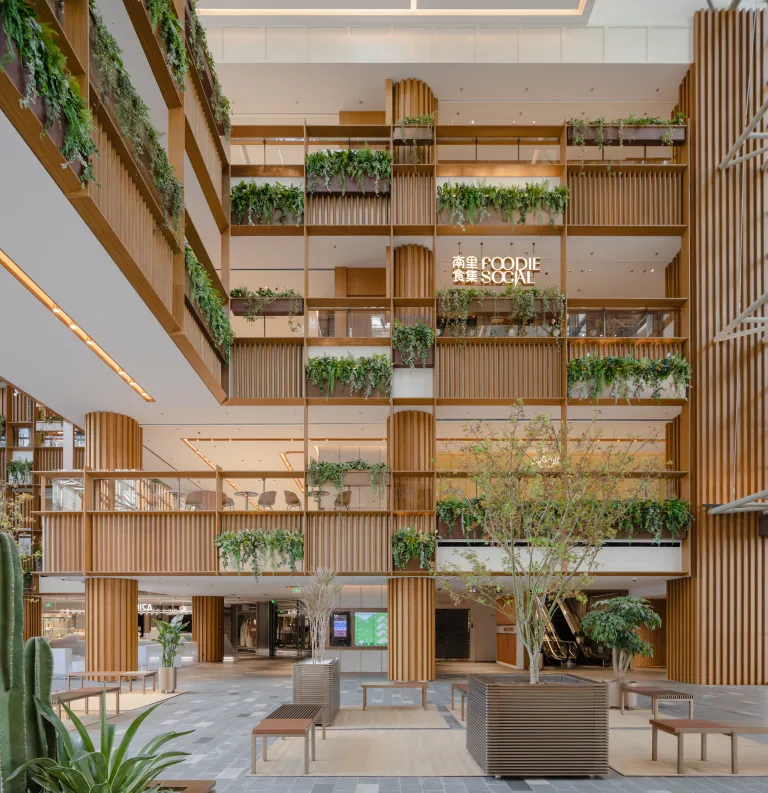
Designing Spaces for Consumer Engagement: Mall Architecture

In the ever-evolving landscape of retail, mall architecture has become medusa88 a pivotal element in the creation of spaces that not only house stores but also engage consumers, foster community, and reflect the changing dynamics of consumer behavior. The design of shopping malls has transcended the mere functionality of providing a roof over a collection of shops, evolving into a complex interplay of aesthetics, technology, and human psychology. This article delves into the intricacies of mall architecture, exploring how it shapes consumer engagement and experiences.

The Evolution of Mall Architecture

The concept of the shopping mall has its roots in ancient civilizations, where marketplaces served as central hubs for commerce and social interaction. Fast forward to the 20th century, and the shopping mall as we know it began to take shape, with the enclosed mall becoming a symbol of suburban America in the 1950s and 1960s. Since then, mall architecture has undergone significant transformations, influenced by technological advancements, shifts in consumer preferences, and the rise of e-commerce.

Designing for Engagement

At the heart of modern mall architecture is the goal of creating environments that captivate and engage consumers. This involves a multifaceted approach that considers the visual appeal, functionality, and emotional resonance of spaces.

Aesthetic Appeal

The visual aspect of mall architecture plays a crucial role in attracting and retaining visitors. Architects employ a variety of design elements such as striking facades, innovative use of materials, and dynamic lighting to create spaces that are both beautiful and inviting. The use of natural elements, such as green walls or water features, can also enhance the aesthetic appeal and provide a refreshing contrast to the built environment.

Functionality and Flow

Beyond aesthetics, the functionality of mall spaces is paramount. Effective layout and circulation design ensure that consumers can navigate the mall easily, enhancing their overall experience. This includes the strategic placement of anchor stores, the design of walkways and escalators, and the provision of ample seating and rest areas. The goal is to create a seamless flow that encourages exploration and maximizes exposure to different retail offerings.

Emotional Resonance

Creating an emotional connection with consumers is another key aspect of mall architecture. This can be achieved through the use of thematic design, where specific areas or malls are designed around a particular theme or concept, evoking certain emotions or experiences. For example, a mall designed with a tropical theme might use lush greenery and water features to create a relaxing and escapist environment.

Technology and Innovation

The integration of technology into mall architecture is transforming the way consumers interact with retail spaces. Digital displays, interactive kiosks, and augmented reality experiences are just a few examples of how technology is being used to enhance engagement and personalize the shopping experience. Smart design features, such as app-enabled wayfinding and real-time information on store offerings, further enhance convenience and efficiency.

Sustainability and Community

Sustainability has become a critical consideration in mall architecture, with designs increasingly incorporating green building practices and energy-efficient systems. This not only benefits the environment but also appeals to the growing segment of eco-conscious consumers.

Moreover, malls are increasingly being designed as community hubs, offering spaces for events, entertainment, and social gatherings. This approach fosters a sense of community and belonging, further enhancing the appeal of physical retail spaces in an era dominated by online shopping.

Conclusion

Mall architecture is a dynamic field that plays a crucial role in shaping consumer engagement and experiences. By focusing on aesthetics, functionality, emotional resonance, technology, sustainability, and community, architects and designers can create spaces that not only meet the needs of retailers but also resonate with consumers on a deeper level. As the retail landscape continues to evolve, the role of architecture in creating compelling and engaging shopping environments will only grow in importance.