A Journey Through Time: Serbian Art and Architecture

ppr-revolution.com – Serbian art and architecture are rich tapestries woven from the threads of history, culture, and the diverse influences that have shaped the region over millennia. This journey through time reveals the evolution of Serbian artistic expression and architectural styles, from the Byzantine influences of the medieval era to the modernist movements of the 20th century.

Medieval Heritage

The medieval period in Serbian art and architecture is marked by the profound influence of Byzantine art. This era is most evident in the numerous Serbian Orthodox monasteries, where frescos and icons are preserved, showcasing the intricate and vibrant Byzantine style. These monasteries, such as those in the Morava Valley, are not only religious sites but also significant cultural landmarks that reflect the artistic and spiritual life of the Serbian people during this period.

Early Modern Influence

As the 18th century approached, Serbian visual arts began to feel the influence of Western art, particularly under the Habsburg monarchy. This period saw a fusion of local Serbian traditions with European styles, leading to a unique artistic expression that was both innovative and deeply rooted in local heritage.

Architectural Evolution

The architecture of Serbia is a testament to the region’s long and diverse history, encompassing styles from Roman to Postmodern. Notable examples include the Raška, Serbo-Byzantine, Morava, Baroque, Classical, and Modern architecture. The latter includes Brutalism, which is prominently featured in Belgrade, reflecting the city’s modernist aspirations.

Yugoslav architecture, which emerged in the early 20th century, also left a significant mark on the country’s urban landscape. This style was characterized by unique national and regional narratives, often differing from the socialist architecture prevalent in other Eastern European countries.

Modern and Contemporary Art

In the modern era, Serbian art continued to evolve, influenced by international movements such as Art Nouveau and Modernism. The international style, which arrived in Yugoslavia in the 1980s, became prevalent in Belgrade after the tumultuous 1990s, shaping the city’s skyline with new architectural projects.

Conclusion

Serbian art and architecture are a reflection of the country’s complex history and cultural heritage. From the Byzantine influences of the medieval era to the modernist movements of the 20th century, each period has contributed to the rich tapestry of Serbian artistic and architectural expression. This journey through time highlights the resilience and creativity of the Serbian people, whose art and architecture continue to inspire and captivate audiences around the world.

This exploration of Serbian art and architecture is not only a journey through time but also a testament to the enduring spirit of creativity and cultural expression that defines this remarkable region.
Designing Spaces for Consumer Engagement: Mall Architecture

In the ever-evolving landscape of retail, mall architecture has become medusa88 a pivotal element in the creation of spaces that not only house stores but also engage consumers, foster community, and reflect the changing dynamics of consumer behavior. The design of shopping malls has transcended the mere functionality of providing a roof over a collection of shops, evolving into a complex interplay of aesthetics, technology, and human psychology. This article delves into the intricacies of mall architecture, exploring how it shapes consumer engagement and experiences.

The Evolution of Mall Architecture

The concept of the shopping mall has its roots in ancient civilizations, where marketplaces served as central hubs for commerce and social interaction. Fast forward to the 20th century, and the shopping mall as we know it began to take shape, with the enclosed mall becoming a symbol of suburban America in the 1950s and 1960s. Since then, mall architecture has undergone significant transformations, influenced by technological advancements, shifts in consumer preferences, and the rise of e-commerce.

Designing for Engagement

At the heart of modern mall architecture is the goal of creating environments that captivate and engage consumers. This involves a multifaceted approach that considers the visual appeal, functionality, and emotional resonance of spaces.

Aesthetic Appeal

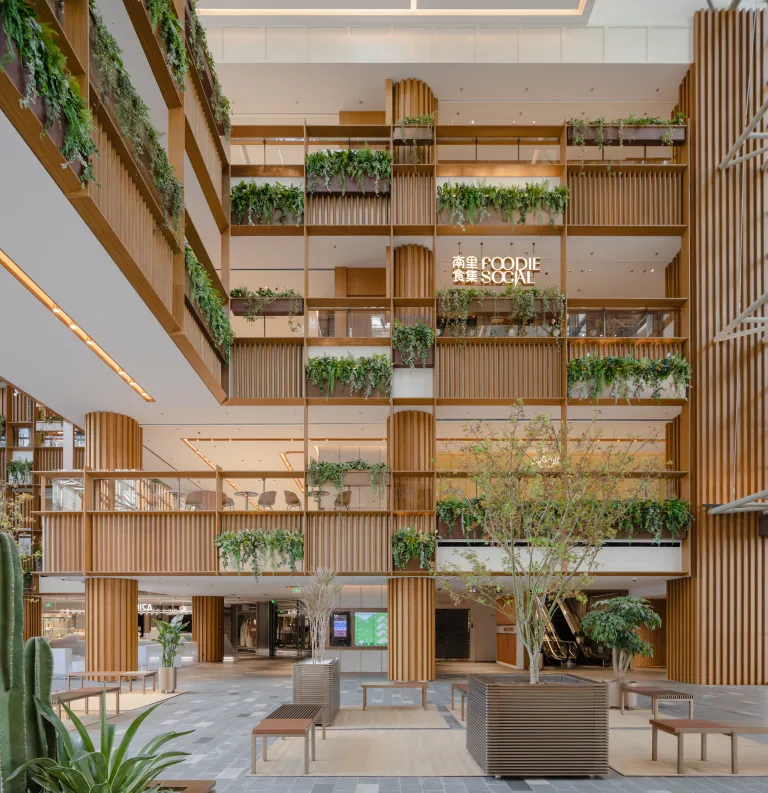
The visual aspect of mall architecture plays a crucial role in attracting and retaining visitors. Architects employ a variety of design elements such as striking facades, innovative use of materials, and dynamic lighting to create spaces that are both beautiful and inviting. The use of natural elements, such as green walls or water features, can also enhance the aesthetic appeal and provide a refreshing contrast to the built environment.

Functionality and Flow

Beyond aesthetics, the functionality of mall spaces is paramount. Effective layout and circulation design ensure that consumers can navigate the mall easily, enhancing their overall experience. This includes the strategic placement of anchor stores, the design of walkways and escalators, and the provision of ample seating and rest areas. The goal is to create a seamless flow that encourages exploration and maximizes exposure to different retail offerings.

Emotional Resonance

Creating an emotional connection with consumers is another key aspect of mall architecture. This can be achieved through the use of thematic design, where specific areas or malls are designed around a particular theme or concept, evoking certain emotions or experiences. For example, a mall designed with a tropical theme might use lush greenery and water features to create a relaxing and escapist environment.

Technology and Innovation

The integration of technology into mall architecture is transforming the way consumers interact with retail spaces. Digital displays, interactive kiosks, and augmented reality experiences are just a few examples of how technology is being used to enhance engagement and personalize the shopping experience. Smart design features, such as app-enabled wayfinding and real-time information on store offerings, further enhance convenience and efficiency.

Sustainability and Community

Sustainability has become a critical consideration in mall architecture, with designs increasingly incorporating green building practices and energy-efficient systems. This not only benefits the environment but also appeals to the growing segment of eco-conscious consumers.

Moreover, malls are increasingly being designed as community hubs, offering spaces for events, entertainment, and social gatherings. This approach fosters a sense of community and belonging, further enhancing the appeal of physical retail spaces in an era dominated by online shopping.

Conclusion

Mall architecture is a dynamic field that plays a crucial role in shaping consumer engagement and experiences. By focusing on aesthetics, functionality, emotional resonance, technology, sustainability, and community, architects and designers can create spaces that not only meet the needs of retailers but also resonate with consumers on a deeper level. As the retail landscape continues to evolve, the role of architecture in creating compelling and engaging shopping environments will only grow in importance.