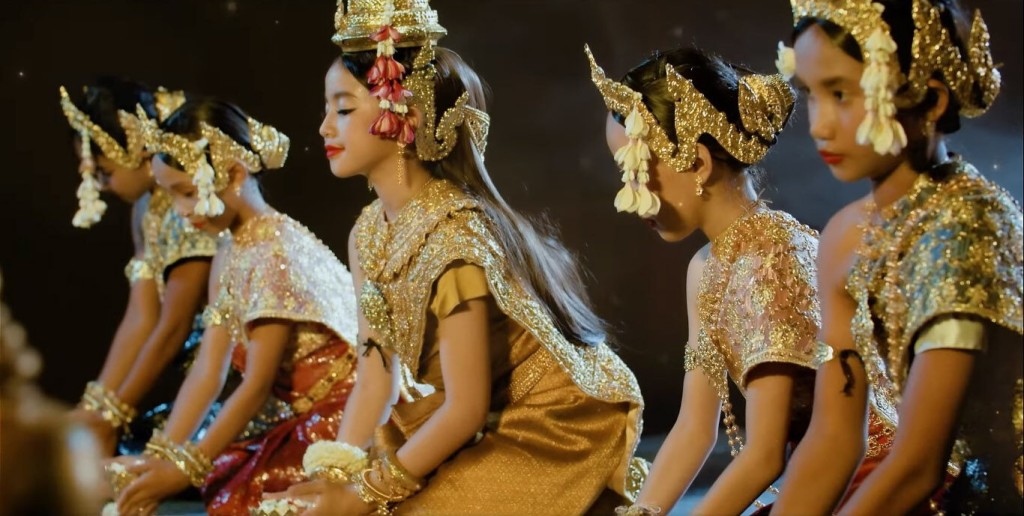
The Robam Toss Basorn: The Royal Dance of Cambodia

ppr-revolution.com – The Robam Toss Basorn is a revered dance form that has been an integral part of Cambodian culture for centuries. Originating from the royal courts, this dance is a mesmerizing blend of art, tradition, and spirituality, reflecting the rich heritage of Cambodia. The dance is not just an entertainment form but a sacred ritual that honors the gods and ancestors, ensuring their blessings for the kingdom and its people.

Historical Significance

The roots of the Robam Toss Basorn can be traced back to the Angkorian period, where it was performed in the temples and courts of the Khmer Empire. The dance was a significant part of the royal ceremonies and was believed to bring prosperity and peace to the kingdom. Over the years, it has evolved but retained its essence, becoming a symbol of Cambodian identity and resilience, especially in the face of the country’s turbulent history.

The Dance

The Robam Toss Basorn is characterized by its intricate movements, graceful poses, and expressive gestures. The dancers, both male and female, wear elaborate costumes that are a sight to behold. The costumes are designed to represent different characters from Cambodian mythology and history, each with its unique colors and accessories.

The dance is accompanied by traditional Cambodian music, played on instruments such as the pinpeat (a type of ensemble), tro (a two-stringed fiddle), and skor thom (a large drum). The music sets the rhythm and mood of the dance, guiding the dancers through their performance.

Symbolism and Ritual

Beyond its aesthetic appeal, the Robam Toss Basorn is deeply symbolic. Each movement, gesture, and expression conveys a specific meaning, often related to Cambodian mythology and religious beliefs. The dance is believed to invoke the presence of the gods and spirits, seeking their protection and favor.

One of the most significant aspects of the Robam Toss Basorn is its role in the coronation of Cambodian kings. The dance is performed as part of the coronation ceremony, symbolizing the king’s divine right to rule and his duty to uphold the welfare of his people.

Preservation and Revival

The Robam Toss Basorn faced a significant threat during the Khmer Rouge regime, when many artists and performers were killed or forced to abandon their craft. However, in the years following the regime’s fall, efforts have been made to revive and preserve this cultural treasure. Schools and institutions dedicated to teaching traditional Cambodian dance have sprung up, ensuring that the art form is passed down to future generations.

International recognition has also played a crucial role in the preservation of the Robam Toss Basorn. In 2001, UNESCO recognized Cambodian classical dance as a Masterpiece of the Oral and Intangible Heritage of Humanity, highlighting its importance not just to Cambodia but to the world.

Conclusion

The Robam Toss Basorn is more than just a dance; it is a living testament to the enduring spirit of Cambodia. It embodies the country’s rich history, cultural identity, and spiritual beliefs. As Cambodia continues to rebuild and look towards the future, the Robam Toss Basorn remains a cherished part of its heritage, reminding the world of the beauty and resilience of Cambodian culture.
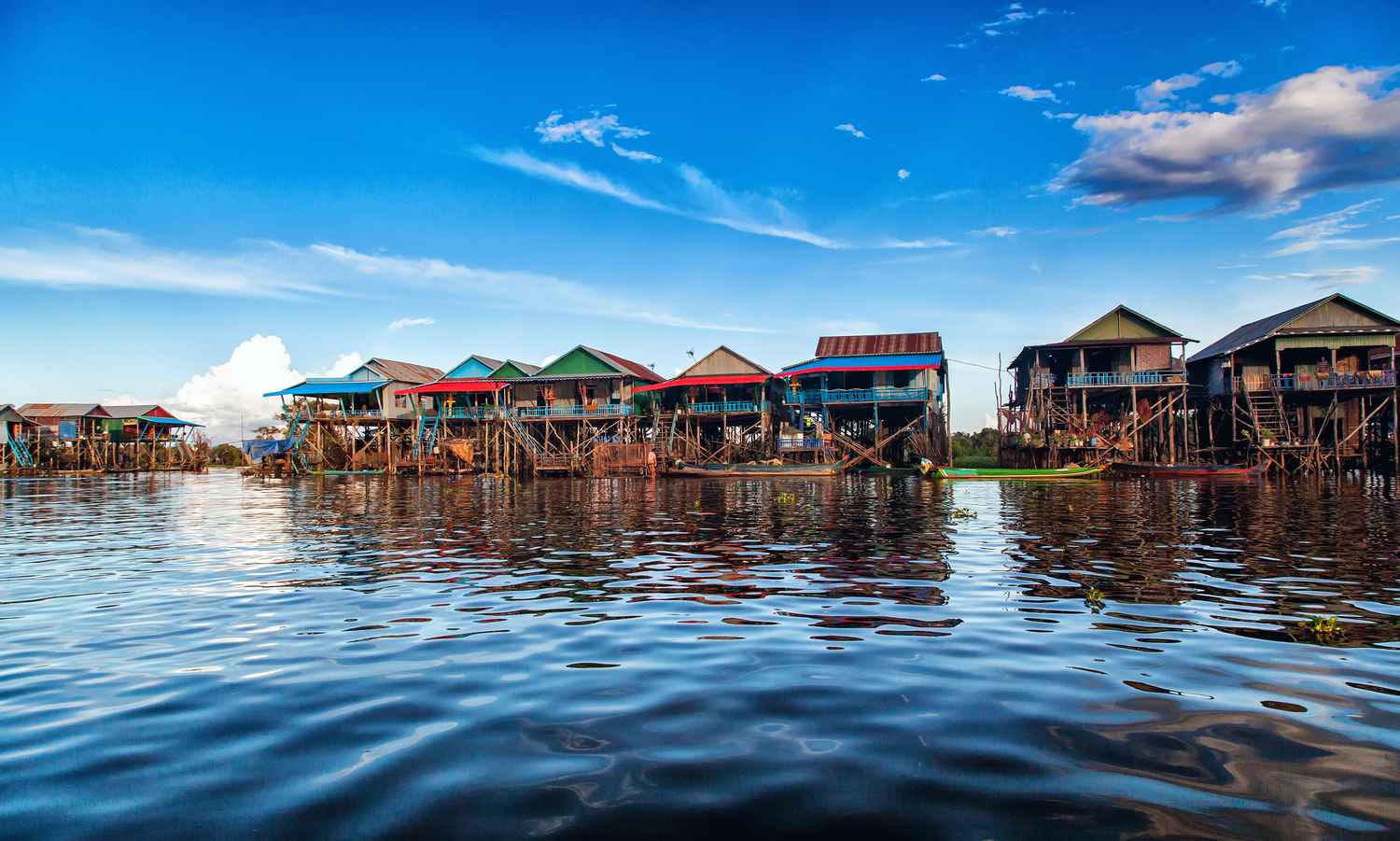
Cambodia’s Freshwater Heart: The Tonle Sap Lake

ppr-revolution.com – Nestled in the heart of Cambodia, the Tonle Sap Lake stands as a testament to the country’s rich biodiversity and cultural heritage. This unique freshwater ecosystem is not only a vital source of life for millions of people but also a fascinating natural phenomenon that intrigues scientists and nature enthusiasts alike. In this article, we will explore the wonders of the Tonle Sap Lake, its significance to Cambodia, and the challenges it faces in the modern world.

A Unique Ecosystem

The Tonle Sap Lake is the largest freshwater lake in Southeast Asia, covering an area of about 2,500 square miles during the dry season. However, what makes it truly remarkable is its annual flood pulse. During the monsoon season, the lake expands up to four times its size, inundating the surrounding floodplains and forests. This unique cycle is driven by the reversal of the Tonle Sap River, which connects the lake to the Mekong River. As the Mekong rises, the Tonle Sap River reverses its flow, allowing water to flood into the lake. When the monsoon season ends, the river’s flow reverses again, draining the lake back into the Mekong.

Biodiversity Hotspot

The Tonle Sap Lake is a biodiversity hotspot, home to a staggering array of fish species, many of which are found nowhere else on Earth. The annual flooding cycle creates ideal conditions for fish breeding, making the lake one of the most productive freshwater fisheries in the world. It supports a rich ecosystem that includes reptiles, birds, and mammals, with the surrounding flooded forests providing critical habitat for these species.

Cultural and Economic Significance

For centuries, the Tonle Sap Lake has been the heart of Cambodia’s cultural and economic life. The lake supports the livelihoods of millions of people, providing them with food, water, and a means of transportation. The floating villages on the lake are a testament to the human adaptation with nature, with entire communities living on stilt houses and boats. The lake is also a key part of Cambodia’s heritage, with ancient Khmer temples and historical sites located along its shores.

Challenges and Conservation Efforts

Despite its importance, the Tonle Sap Lake faces numerous challenges. Overfishing, pollution, and habitat destruction threaten the lake’s biodiversity and the livelihoods of those who depend on it. Climate change is also impacting the lake, with rising temperatures and changing rainfall patterns affecting the flood pulse and water levels.

In response to these challenges, conservation efforts are underway to protect the Tonle Sap Lake and its ecosystem. These include sustainable fishing practices, waste management initiatives, and the establishment of protected areas around the lake. International organizations, local communities, and the Cambodian government are working together to ensure that the Tonle Sap Lake continues to thrive for generations to come.

Conclusion

The Tonle Sap Lake is more than just a body of water; it is a lifeline for Cambodia. Its unique ecosystem supports a rich biodiversity and plays a crucial role in the country’s cultural and economic life. As we continue to face environmental challenges, it is imperative that we protect this precious resource. By working together, we can ensure that the Tonle Sap Lake remains the beating heart of Cambodia for years to come.