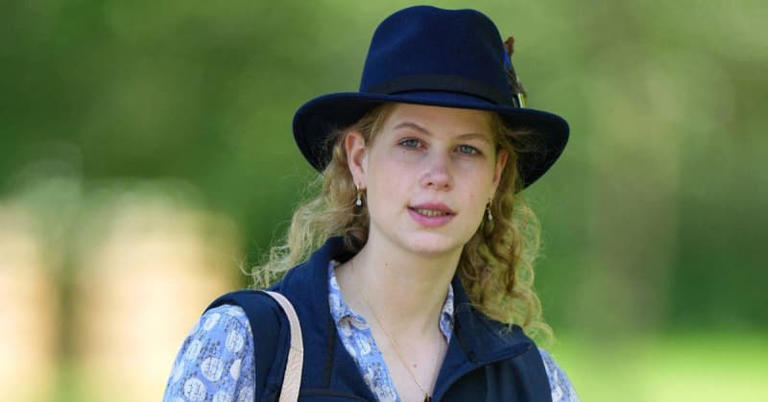
Lady Louise Windsor: A Royal Life Defined by Grace

ppr-revolution.com – Lady Louise Windsor, born on November 8, 2003, is the elder child of Prince Edward, Duke of Edinburgh, and Sophie, Duchess of Edinburgh. As the granddaughter of Queen Elizabeth II and the late Prince Philip, Duke of Edinburgh, Louise holds a prominent place within the British royal family. However, unlike some of her royal cousins, Lady Louise has largely lived a life away from the media spotlight, with her parents opting to raise her and her younger brother, James, Viscount Severn, with a sense of privacy and normalcy.

Despite her royal heritage, Lady Louise’s life has been shaped by a deep respect for privacy, a dedication to her education, and a commitment to family and charity. As she grows into adulthood, Louise continues to carve her own path while maintaining the values of humility, service, and responsibility instilled in her by her parents.

Early Life and Education

Lady Louise Windsor was born at Frimley Park Hospital in Surrey, England, the first child of Prince Edward and Sophie, Duchess of Edinburgh. Her birth was a moment of joy for the royal family, as she was the first grandchild of Queen Elizabeth II and Prince Philip. Though Louise’s birth was celebrated by the royal family, her parents decided to raise her in a more private environment compared to some of her other royal cousins, who often appeared in the public eye from an early age.

Lady Louise was diagnosed with esotropia, a condition that causes the eyes to turn inward, and she underwent corrective surgery as a young child. This health issue was not widely publicized, reflecting the family’s preference for maintaining privacy regarding their children’s health and personal lives.

She attended St. George’s School in Windsor, where she was known for her quiet, studious nature. Louise later continued her education at Wellington College, a prestigious school in Berkshire. Her academic interests have largely been kept private, but it is clear that she has taken her education seriously, following in the footsteps of her parents, who have always placed great importance on learning and development.

In 2021, Lady Louise was accepted to St. Andrews University in Scotland, where she pursued a degree in English. St. Andrews is also the alma mater of her cousin, Prince William, and his wife, Catherine, Princess of Wales. Louise’s decision to attend university allowed her to experience life as a regular student, away from the full glare of the royal spotlight, a preference that aligns with her desire for privacy and a more independent lifestyle.

A Life of Privacy and Family

Throughout her childhood and teenage years, Lady Louise Windsor has enjoyed a relatively private life. Unlike many of her royal cousins, she has not been in the public eye often and has been largely kept out of media coverage. This approach to privacy is in line with the wishes of her parents, who have consistently prioritized normality for their children while ensuring that they understand their royal roles.

Lady Louise shares a close bond with her younger brother, James, Viscount Severn, born in 2007. The siblings have been seen together on several occasions at royal events, but they have largely grown up away from the public gaze. Their parents have made a conscious effort to give them as normal a childhood as possible, allowing them to attend school, enjoy time with friends, and pursue personal interests without constant media attention.

Lady Louise’s relationship with her grandparents, Queen Elizabeth II and Prince Philip, was one of affection and mutual respect. She was often seen with them at family gatherings and royal events, where her shy and composed demeanor stood out. Louise has spoken fondly of her grandparents, particularly of Prince Philip, with whom she shared a love of carriage driving—a sport in which her grandfather was an accomplished participant.

A Royal Role and Public Appearances

While Lady Louise Windsor has not taken on as many royal duties as some of her cousins, she has made occasional appearances at key events. She was part of the royal family’s public gatherings for events such as Trooping the Colour, the annual celebration of the Queen’s birthday, and royal weddings. Lady Louise also participated in several public engagements surrounding her grandfather Prince Philip’s memorial service in 2022, where she joined her family in honoring his legacy.

One of the most notable aspects of Louise’s royal life is her participation in carriage driving. She inherited this interest from her grandfather, Prince Philip, who was passionate about the sport. In fact, Louise has been involved in competitive carriage driving since she was a child, and she has competed in various events, demonstrating both her skill and her commitment to the sport. Her participation in carriage driving has become one of her most defining hobbies, and it has also allowed her to develop a deeper connection with the royal family’s traditions and interests.

Lady Louise Windsor’s Legacy and Future

As Lady Louise continues to grow older and further establish herself, her legacy within the royal family is one of quiet dignity and service. While she may not seek the limelight in the same way as other members of the royal family, Louise’s thoughtful and considerate nature speaks to the core values of the monarchy. She has embraced her role as a royal with humility, participating in public duties while maintaining her independence and prioritizing her education and family life.

Looking ahead, Lady Louise is likely to continue to play a role in royal life, though her public appearances will likely remain selective. She may choose to take on more royal duties in the future, particularly as the younger generation of royals becomes more involved in public service. However, her emphasis on privacy and personal growth will likely continue to shape her decisions.

Lady Louise Windsor’s journey is one of self-discovery and service, balancing her royal heritage with a desire for a more private life. Her royal legacy will be defined not by the number of public appearances she makes, but by the integrity, grace, and compassion she demonstrates in her personal and public life. With her quiet confidence and commitment to her family, Lady Louise is poised to continue to be a positive and influential member of the British royal family for years to come.
The Robam Toss Basorn: The Royal Dance of Cambodia

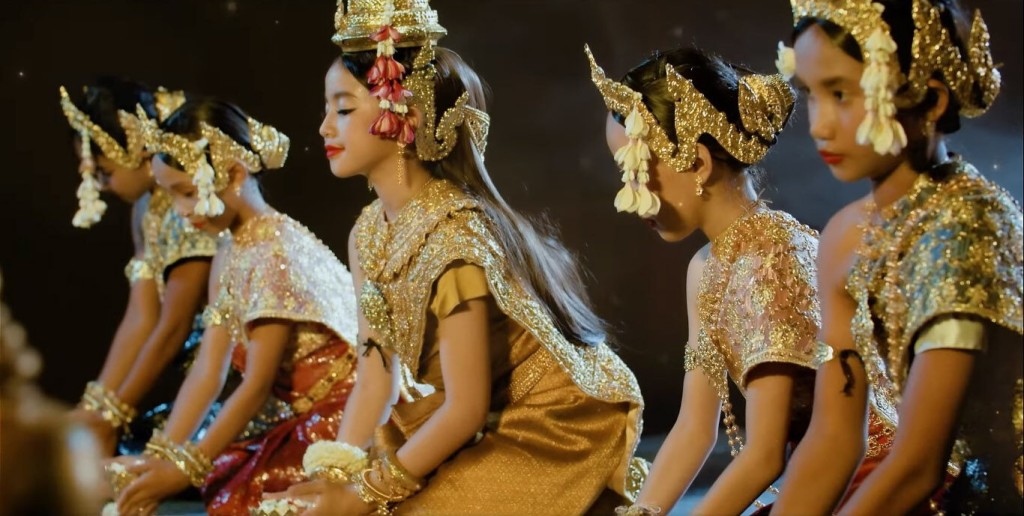
ppr-revolution.com – The Robam Toss Basorn is a revered dance form that has been an integral part of Cambodian culture for centuries. Originating from the royal courts, this dance is a mesmerizing blend of art, tradition, and spirituality, reflecting the rich heritage of Cambodia. The dance is not just an entertainment form but a sacred ritual that honors the gods and ancestors, ensuring their blessings for the kingdom and its people.

Historical Significance

The roots of the Robam Toss Basorn can be traced back to the Angkorian period, where it was performed in the temples and courts of the Khmer Empire. The dance was a significant part of the royal ceremonies and was believed to bring prosperity and peace to the kingdom. Over the years, it has evolved but retained its essence, becoming a symbol of Cambodian identity and resilience, especially in the face of the country’s turbulent history.

The Dance

The Robam Toss Basorn is characterized by its intricate movements, graceful poses, and expressive gestures. The dancers, both male and female, wear elaborate costumes that are a sight to behold. The costumes are designed to represent different characters from Cambodian mythology and history, each with its unique colors and accessories.

The dance is accompanied by traditional Cambodian music, played on instruments such as the pinpeat (a type of ensemble), tro (a two-stringed fiddle), and skor thom (a large drum). The music sets the rhythm and mood of the dance, guiding the dancers through their performance.

Symbolism and Ritual

Beyond its aesthetic appeal, the Robam Toss Basorn is deeply symbolic. Each movement, gesture, and expression conveys a specific meaning, often related to Cambodian mythology and religious beliefs. The dance is believed to invoke the presence of the gods and spirits, seeking their protection and favor.

One of the most significant aspects of the Robam Toss Basorn is its role in the coronation of Cambodian kings. The dance is performed as part of the coronation ceremony, symbolizing the king’s divine right to rule and his duty to uphold the welfare of his people.

Preservation and Revival

The Robam Toss Basorn faced a significant threat during the Khmer Rouge regime, when many artists and performers were killed or forced to abandon their craft. However, in the years following the regime’s fall, efforts have been made to revive and preserve this cultural treasure. Schools and institutions dedicated to teaching traditional Cambodian dance have sprung up, ensuring that the art form is passed down to future generations.

International recognition has also played a crucial role in the preservation of the Robam Toss Basorn. In 2001, UNESCO recognized Cambodian classical dance as a Masterpiece of the Oral and Intangible Heritage of Humanity, highlighting its importance not just to Cambodia but to the world.

Conclusion

The Robam Toss Basorn is more than just a dance; it is a living testament to the enduring spirit of Cambodia. It embodies the country’s rich history, cultural identity, and spiritual beliefs. As Cambodia continues to rebuild and look towards the future, the Robam Toss Basorn remains a cherished part of its heritage, reminding the world of the beauty and resilience of Cambodian culture.

The Jeweled Table: Amazing Aspects of Royal Dining

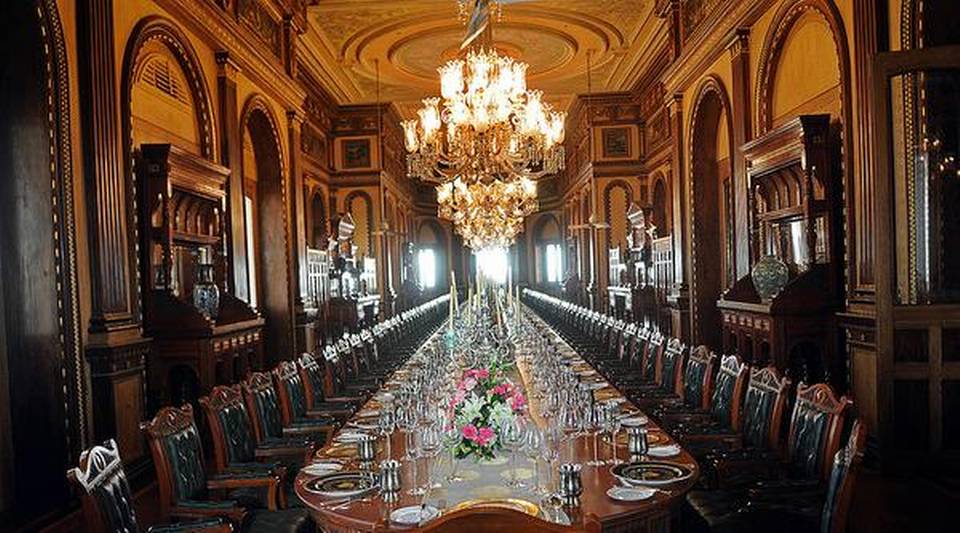
ppr-revolution.com – In the annals of history, the grandeur of royal dining has always been a subject of fascination and awe. Among the most captivating aspects of this opulence is the concept of the “Jeweled Table,” where the splendor of the meal is matched only by the magnificence of the table settings. This article delves into the world of royal dining, exploring the extravagance and symbolism behind the Jeweled Table, and how it reflects the wealth, power, and cultural refinement of the ruling elite.

The Jeweled Table is not merely a dining experience; it is a statement of wealth and a testament to the craftsmanship of the era. Monarchs and nobility across different civilizations have sought to outdo each other in the lavishness of their banquets, using the table as a canvas to display their riches. Gold, silver, precious stones, and the finest porcelain were not just tableware but symbols of status and dominion.

Historically, the Jeweled Table was often the centerpiece of state banquets, weddings, coronations, and other significant royal occasions. The table itself might be adorned with intricate carvings, inlaid with mother-of-pearl or precious metals, or even be made entirely of gold or silver. The tablecloths were of the finest silk or linen, often embroidered with gold or silver thread, depicting scenes of mythology, heraldry, or the royal coat of arms.

The cutlery and dinnerware were equally opulent. Gold and silver plates, goblets, and utensils were commonplace, often decorated with enamel work or set with jewels. The famous “Florentine Service,” a set of tableware commissioned by the Medici family in the 16th century, is a prime example. It consists of 114 solid gold pieces, weighing over 270 kilograms, and is adorned with over 600 emeralds, sapphires, and rubies.

The centerpieces of the Jeweled Table were often as spectacular as the tableware. Exotic flowers, fruits, and even sculptures made of sugar or ice were used to create elaborate displays. In some cases, mechanical contraptions or table fountains that dispensed wine or scented water added to the spectacle.

The food served on the Jeweled Table was as much a display of wealth as the table itself. Rare and exotic ingredients, such as spices from the East, were used to create dishes that were as much about visual impact as taste. Peacocks were sometimes served with their feathers reattached to create a dramatic effect, and pies might be made to “reveal” live birds when opened, showcasing the culinary ingenuity of the royal kitchens.

The opulence of the Jeweled Table was not just for show; it was also a strategic tool of diplomacy and power. By hosting such lavish banquets, monarchs could impress foreign dignitaries, secure alliances, and assert their dominance. The ability to host a Jeweled Table was a clear demonstration of a nation’s wealth and stability.

Today, the tradition of the Jeweled Table lives on in a more subdued form. State dinners and royal banquets still feature exquisite table settings and fine dining, though the use of actual jewels and precious metals has diminished. Museums around the world house collections of royal tableware, offering a glimpse into the opulence of bygone eras.

The Jeweled Table remains a symbol of the extraordinary lengths to which royalty and nobility would go to express their power and sophistication. It is a testament to human creativity and craftsmanship, and a reminder of the historical significance of dining as a display of wealth and status. As we marvel at the splendor of the Jeweled Table, we are reminded of the enduring allure of royal dining and the stories it tells about the past.