Sirius: The Dog Star – A Binary Star System

ppr-revolution.com – Sirius, the brightest star in the night sky, has captivated human imagination for millennia. Its dazzling brilliance and prominent position in the constellation Canis Major, the Great Dog, have made it a symbol of both awe and fear in various cultures.

A Binary Star System

Sirius is not a solitary star but a binary system, consisting of two stars orbiting each other. The primary star, Sirius A, is a white main-sequence star, significantly hotter and brighter than our Sun. Its companion, Sirius B, is a white dwarf, a dense remnant of a star that has exhausted its fuel and collapsed.

A Seasonal Significance

In ancient Egypt, the heliacal rising of Sirius, its first appearance in the morning sky, coincided with the annual flooding of the Nile River. This celestial event was crucial for the Egyptian civilization, as it marked the beginning of the agricultural cycle. As a result, Sirius was associated with the goddess Isis and was considered to be a harbinger of fertility and renewal.

A Navigational Aid

Due to its brightness and strategic position, Sirius has been used by sailors and astronomers as a navigational aid for centuries. It is one of the brightest stars in the night sky and can be easily located by following the curve of the handle of the Big Dipper.

Observing Sirius

Sirius is easily visible to the naked eye, even from urban areas with moderate light pollution. It is the brightest star in the night sky and can be located by finding the distinctive pattern of the Canis Major constellation. Binoculars or a small telescope can reveal more details about its color and its position relative to other stars in Canis Major.

Conclusion

Sirius, the Dog Star, is a captivating celestial object that has intrigued humanity for millennia. Its brightness, binary nature, and cultural significance have made it a symbol of both awe and fear. As we continue to explore the cosmos, Sirius will remain a constant beacon in the night sky, guiding us through the wonders of the universe.
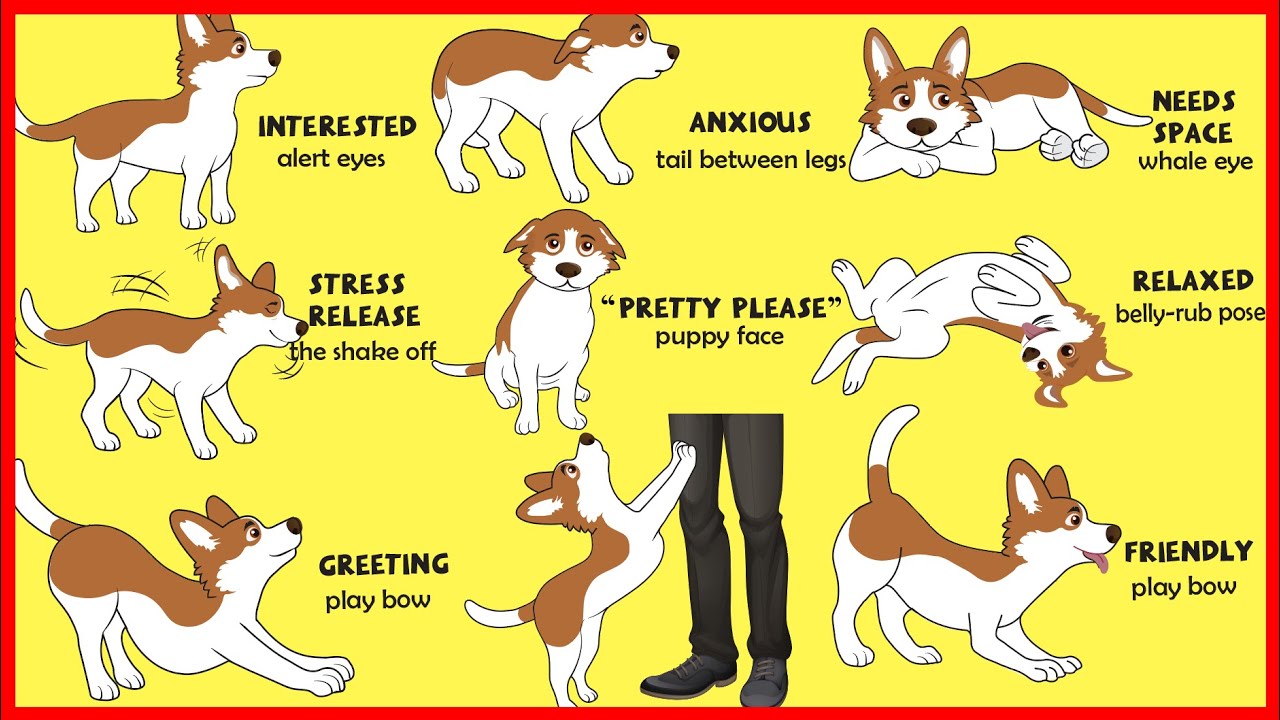
Understanding Canine Communication: The Language of Dogs

Dogs have been companions to humans for thousands of years, and their ability to communicate with us is one of the reasons they’ve earned the title of “man’s best friend.” Understanding the language of dogs is not just about interpreting barks and tail wags; it’s about recognizing a complex system of communication that involves body language, vocalizations, and even scent. By decoding these signals, we can strengthen our bond with our canine companions and ensure their well-being.

Body Language: The Silent Dialogue

Dogs are masters of body language, using every part of their body to convey messages. Their posture, facial expressions, ear position, and tail movements all play a role in communication.

  • Tail Position: A wagging tail doesn’t always mean a dog is happy. The position and type of wag can have different meanings. A high, stiff wag can indicate aggression or anxiety, while a low, slow wag might signal uncertainty. A relaxed, playful dog will often have a loose, wagging tail.
  • Ear Position: Ears that are pulled back can indicate fear or submission, while perked-up ears suggest alertness or curiosity.
  • Facial Expressions: Dogs can show a range of emotions on their faces. A relaxed, open mouth with a soft tongue can indicate a happy dog, while a closed mouth with tight lips might suggest stress or aggression.
  • Eye Contact: Direct eye contact can be a sign of aggression in canine communication, while a quick glance or soft eye can be a sign of submission or friendliness.

Vocalizations: Beyond Barks

While barks are the most recognized form of canine vocalization, dogs use a variety of sounds to communicate.

  • Barking: Barks can vary in pitch, length, and intensity. A sharp, staccato bark may be a warning or an alert, while a series of high-pitched barks could be a request for attention.
  • Howling: Often associated with wolves, howling serves multiple purposes for dogs. It can be a response to sirens or other howls, a way to assert territory, or even an expression of loneliness or boredom.
  • Whining and Whimpering: These sounds can indicate a dog is in distress, needs to go outside, or is seeking attention.
  • Growling: Generally a warning sign, growling is a dog’s way of saying, “I’m uncomfortable with this situation, and I may become aggressive if it continues.”

Scent: The Unseen Language

Scent plays a crucial role in canine communication. Dogs have an incredible sense of smell and use it to leave messages for other dogs.

  • Marking Territory: Dogs will often mark their territory with urine or feces to let other dogs know who’s boss.
  • Scent Rolls: Rolling in smelly substances may seem odd to humans, but to dogs, it’s a way to mask their own scent or to bring interesting smells back to their pack.

Understanding the Context

It’s important to consider the context in which a dog is communicating. A dog might wag its tail in greeting or out of excitement, but if the tail is stiff and the dog is staring intently, it could be a sign of aggression. Similarly, a bark can mean many things depending on the situation and the dog’s body language.

Building a Bond Through Communication

Understanding your dog’s language can lead to a stronger, more harmonious relationship. It allows you to anticipate their needs, recognize when they’re uncomfortable, and celebrate their joys. By observing and responding to your dog’s communication, you’re not just interpreting their language; you’re speaking it back to them.

In conclusion, the language of dogs is rich and nuanced, with each dog having its own unique way of expressing itself. By learning to read their body language, vocalizations, and use of scent, we can deepen our connection with our canine friends and ensure a happier, healthier life for both of us. Remember, communication is a two-way street, and by speaking their language, we can truly become our dogs’ best friends.