Sparkling Smiles: A Guide to Dental Health

ppr-revolution.com – Maintaining a healthy and sparkling smile is more than just about aesthetics; it’s essential for overall health and well-being. Good oral hygiene can prevent various dental problems and improve your quality of life. Here’s a comprehensive guide to achieving and maintaining a radiant smile.

Understanding Dental Health

Dental health refers to the condition of your teeth, gums, and overall oral cavity. It involves practices that keep your mouth clean and free of disease. Poor dental health can lead to issues like cavities, gum disease, and bad breath, affecting both your physical and emotional well-being.

The Importance of Regular Dental Check-ups

Regular visits to the dentist are crucial for maintaining dental health. Dentists can detect early signs of dental problems, provide professional cleaning, and offer personalized advice. Aim to visit your dentist at least twice a year for optimal care.

Daily Oral Hygiene Practices

  1. Brushing Twice a Day: Use a fluoride toothpaste and a soft-bristled toothbrush. Brush for at least two minutes, covering all surfaces of your teeth.
  2. Flossing Daily: Flossing removes plaque and food particles between teeth that a toothbrush can’t reach, preventing cavities and gum disease.
  3. Mouthwash Use: An antibacterial mouthwash can help reduce plaque and gingivitis, and freshen breath.

Nutrition and Dental Health

A balanced diet is vital for healthy teeth and gums. Foods rich in calcium and phosphorus, like dairy products and leafy greens, strengthen tooth enamel. Limiting sugary and acidic foods helps prevent tooth decay.

Protecting Your Teeth

  • Use a Mouthguard: If you play contact sports, wearing a mouthguard can protect your teeth from injury.
  • Avoid Tobacco Products: Smoking and chewing tobacco can lead to gum disease, tooth discoloration, and oral cancer.

Special Considerations for Children

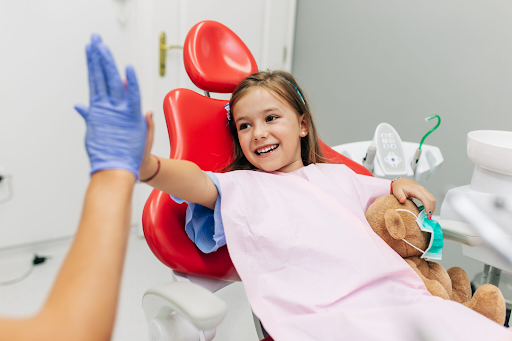
Children’s dental health is crucial as their teeth are still developing. Encourage good habits early on, like brushing and flossing, and monitor their sugar intake. Regular pediatric dental visits are essential for preventive care.

Conclusion

A sparkling smile is a reflection of good dental health. By following these practices and visiting your dentist regularly, you can maintain a healthy mouth and a beautiful smile. Remember, your dental health is an integral part of your overall health, so prioritize it just as you would any other aspect of your well-being.
Understanding International Standards: Beauty in Translation

ppr-revolution.com – In a world that is increasingly interconnected, the beauty industry has become a global marketplace. Products that were once confined to their country of origin now grace the shelves of international retailers, and beauty trends from one continent can quickly become a global phenomenon. However, with this globalization comes the challenge of translation – not just of language, but of cultural standards and preferences. Understanding international beauty standards is crucial for brands and consumers alike, as it facilitates effective communication, respects cultural differences, and opens up new markets.

The Diversity of Beauty Standards

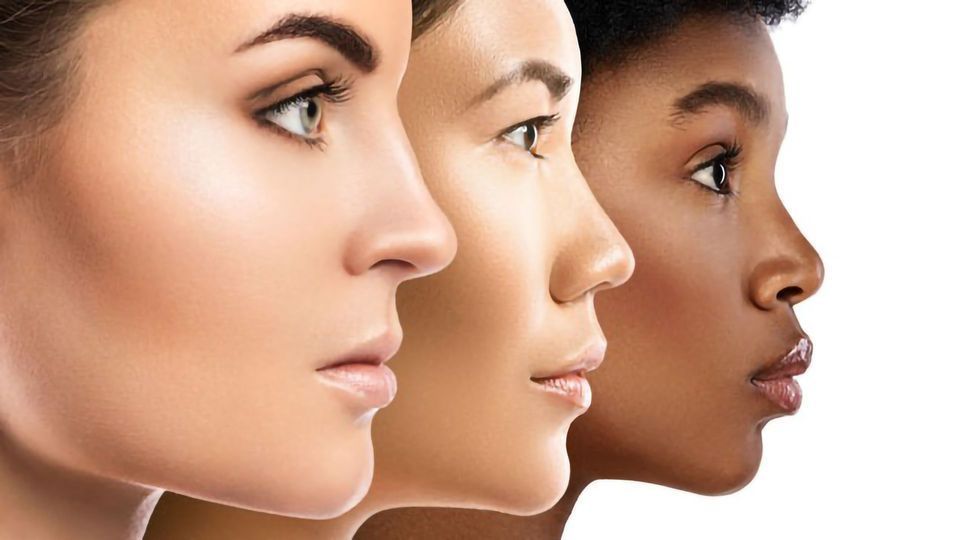
Beauty standards are not universal; they vary greatly from one culture to another. What is considered beautiful in one part of the world may be seen as ordinary or even unattractive in another. For example, in some cultures, a fair complexion is highly valued, while in others, a tanned look is preferred. Similarly, body shapes, hair textures, and facial features that are celebrated in one culture may be altered or concealed in another.

The Role of Media and Marketing

The media and marketing play a significant role in shaping beauty standards. Through advertisements, movies, magazines, and social media, certain ideals of beauty are promoted and become aspirational. However, as brands go global, they must navigate these differing standards carefully. A marketing campaign that resonates with one audience may be met with indifference or even backlash by another.

The Challenge of Translation

Translation in the beauty industry goes beyond language. It involves translating the essence of a product or campaign in a way that is culturally sensitive and appealing to the target audience. This can include adapting product formulations to suit different skin types and climates, changing packaging to align with cultural aesthetics, and modifying marketing messages to resonate with local values and preferences.

The Importance of Cultural Sensitivity

Cultural sensitivity is paramount when translating beauty standards. Brands must conduct thorough research to understand the nuances of the cultures they are entering. This includes understanding local beauty rituals, the significance of certain ingredients, and the impact of historical and social factors on beauty ideals. By doing so, brands can create products and campaigns that are not only successful but also respectful and inclusive.

Success Stories in Global Beauty

There are numerous examples of brands that have successfully navigated the challenges of international beauty standards. Some have done so by creating global campaigns that celebrate diversity, while others have tailored their products and marketing to specific regions. These successes highlight the importance of understanding and embracing cultural differences in the beauty industry.

The Future of Beauty in Translation

As the world continues to become more interconnected, the beauty industry is likely to see even more cross-cultural exchange. This presents both challenges and opportunities. On one hand, there is a risk of homogenization, where global standards overshadow local beauty ideals. On the other hand, there is an opportunity for a more inclusive and diverse understanding of beauty.

Conclusion

Beauty in translation is about more than just language. It’s about understanding and respecting the diverse standards of beauty that exist around the world. For brands, this means conducting thorough research, being culturally sensitive, and adapting products and marketing strategies to resonate with local audiences. For consumers, it means embracing the diversity of beauty and recognizing that standards are not universal. As the beauty industry continues to globalize, the ability to translate beauty effectively will be key to success and inclusivity.

Understanding Canine Communication: The Language of Dogs

Dogs have been companions to humans for thousands of years, and their ability to communicate with us is one of the reasons they’ve earned the title of “man’s best friend.” Understanding the language of dogs is not just about interpreting barks and tail wags; it’s about recognizing a complex system of communication that involves body language, vocalizations, and even scent. By decoding these signals, we can strengthen our bond with our canine companions and ensure their well-being.

Body Language: The Silent Dialogue

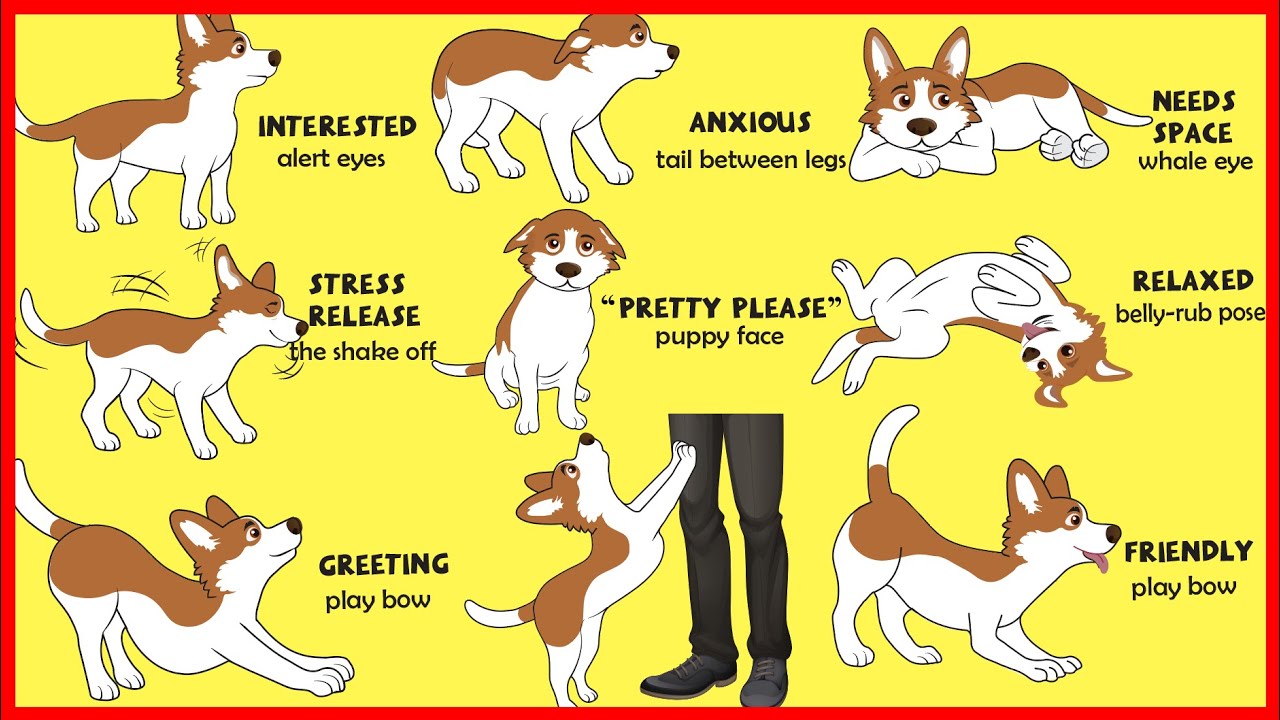
Dogs are masters of body language, using every part of their body to convey messages. Their posture, facial expressions, ear position, and tail movements all play a role in communication.

  • Tail Position: A wagging tail doesn’t always mean a dog is happy. The position and type of wag can have different meanings. A high, stiff wag can indicate aggression or anxiety, while a low, slow wag might signal uncertainty. A relaxed, playful dog will often have a loose, wagging tail.
  • Ear Position: Ears that are pulled back can indicate fear or submission, while perked-up ears suggest alertness or curiosity.
  • Facial Expressions: Dogs can show a range of emotions on their faces. A relaxed, open mouth with a soft tongue can indicate a happy dog, while a closed mouth with tight lips might suggest stress or aggression.
  • Eye Contact: Direct eye contact can be a sign of aggression in canine communication, while a quick glance or soft eye can be a sign of submission or friendliness.

Vocalizations: Beyond Barks

While barks are the most recognized form of canine vocalization, dogs use a variety of sounds to communicate.

  • Barking: Barks can vary in pitch, length, and intensity. A sharp, staccato bark may be a warning or an alert, while a series of high-pitched barks could be a request for attention.
  • Howling: Often associated with wolves, howling serves multiple purposes for dogs. It can be a response to sirens or other howls, a way to assert territory, or even an expression of loneliness or boredom.
  • Whining and Whimpering: These sounds can indicate a dog is in distress, needs to go outside, or is seeking attention.
  • Growling: Generally a warning sign, growling is a dog’s way of saying, “I’m uncomfortable with this situation, and I may become aggressive if it continues.”

Scent: The Unseen Language

Scent plays a crucial role in canine communication. Dogs have an incredible sense of smell and use it to leave messages for other dogs.

  • Marking Territory: Dogs will often mark their territory with urine or feces to let other dogs know who’s boss.
  • Scent Rolls: Rolling in smelly substances may seem odd to humans, but to dogs, it’s a way to mask their own scent or to bring interesting smells back to their pack.

Understanding the Context

It’s important to consider the context in which a dog is communicating. A dog might wag its tail in greeting or out of excitement, but if the tail is stiff and the dog is staring intently, it could be a sign of aggression. Similarly, a bark can mean many things depending on the situation and the dog’s body language.

Building a Bond Through Communication

Understanding your dog’s language can lead to a stronger, more harmonious relationship. It allows you to anticipate their needs, recognize when they’re uncomfortable, and celebrate their joys. By observing and responding to your dog’s communication, you’re not just interpreting their language; you’re speaking it back to them.

In conclusion, the language of dogs is rich and nuanced, with each dog having its own unique way of expressing itself. By learning to read their body language, vocalizations, and use of scent, we can deepen our connection with our canine friends and ensure a happier, healthier life for both of us. Remember, communication is a two-way street, and by speaking their language, we can truly become our dogs’ best friends.