Exploring Jjigae: A Dive into Various Korean Stews

ppr-revolution.com – Korean cuisine is renowned for its bold flavors, diverse ingredients, and comforting dishes, and among its most beloved offerings is jjigae. Jjigae, or Korean stew, is a staple in the Korean diet, offering warmth and nourishment in every bowl. With a variety of recipes and ingredients, jjigae showcases the rich culinary heritage of Korea. In this article, we’ll explore the different types of jjigae, their ingredients, and their significance in Korean culture.

The Essence of Jjigae

At its core, jjigae is a hearty stew that combines a flavorful broth with meat, seafood, or vegetables, often complemented by tofu and various seasonings. The broth is typically made with either a base of fermented soybean paste (doenjang), fermented chili paste (gochujang), or soy sauce, each lending a distinct flavor profile to the dish. Jjigae is characterized by its spicy, savory, and umami-rich flavors, making it a comforting meal enjoyed throughout the year.

Types of Jjigae

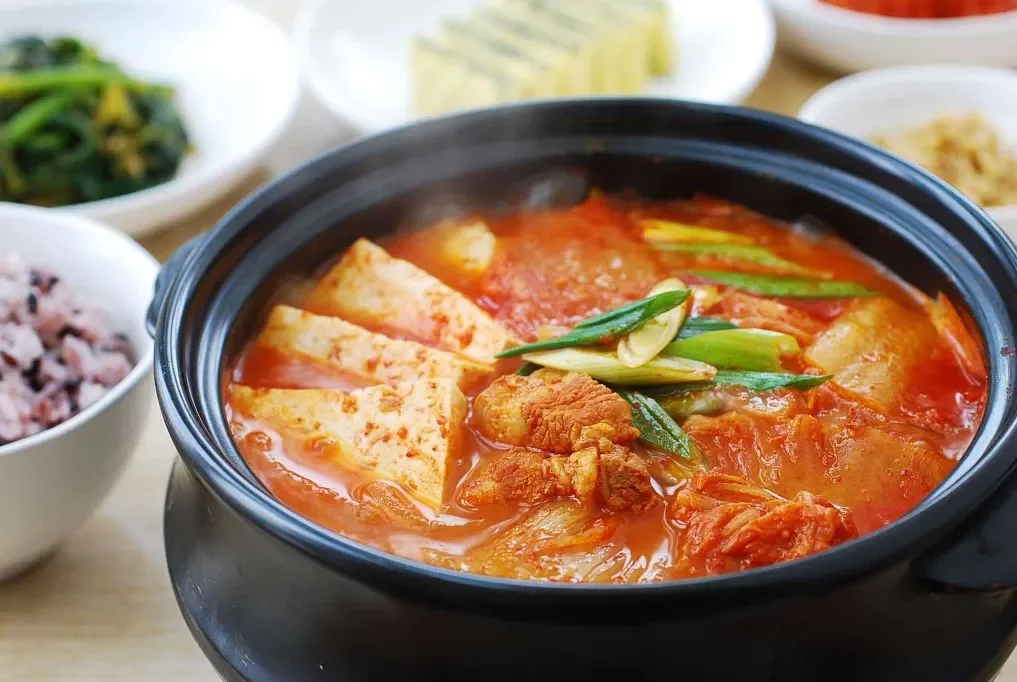
1. Kimchi Jjigae (김치찌개): Perhaps the most iconic type of jjigae, kimchi jjigae is a spicy stew made with aged kimchi, pork, tofu, and sometimes seafood. The fermentation of the kimchi provides a deep, tangy flavor that balances the heat from the chili paste, making it a favorite among spice lovers.

2. Sundubu Jjigae (순두부찌개): Known for its silky texture, sundubu jjigae features uncurdled tofu, which creates a creamy consistency. It often includes seafood or beef and is spiced with gochugaru (Korean chili powder). It is usually served piping hot in a stone pot, enhancing its comforting appeal.

3. Doenjang Jjigae (된장찌개): Made with doenjang, a fermented soybean paste, this stew is savory and rich in umami. It’s typically filled with vegetables like zucchini, mushrooms, and potatoes, along with tofu and sometimes beef or seafood. Its deep, earthy flavors make it a staple in Korean households.

4. Budae Jjigae (부대찌개): Also known as “army base stew,” budae jjigae is a fusion of Korean and American ingredients, including spam, sausages, baked beans, and instant noodles. This stew originated during the Korean War when food was scarce, and it remains popular for its unique combination of flavors and textures.

5. Kongbiji Jjigae (콩비지찌개): Made from ground soybeans, kongbiji jjigae is a thick, hearty stew often featuring pork and kimchi. The ground soybeans provide a nutty flavor and creamy texture, making it both nutritious and satisfying.

Cultural Significance

Jjigae is more than just a meal; it is a reflection of Korean culture and history. Each type of jjigae tells a story of regional ingredients, historical influences, and familial traditions. It is often enjoyed communally, with family and friends gathered around a shared pot, emphasizing the importance of togetherness and community in Korean dining culture.

Conclusion

Jjigae is a versatile and beloved component of Korean cuisine, offering a taste of Korea’s diverse flavors and culinary traditions. Whether you prefer the spicy kick of kimchi jjigae or the creamy depth of sundubu jjigae, there’s a jjigae to suit every palate. As you explore these various stews, you’ll not only enjoy a delicious meal but also gain insight into the rich tapestry of Korean culinary heritage.


Exploring the Vibrant City of Rio de Janeiro

ppr-revolution.com – Rio de Janeiro, often simply referred to as Rio, is one of the most iconic cities in Brazil and the world. Known for its stunning natural beauty, lively culture, and historic landmarks, Rio offers an unforgettable experience for visitors and locals alike. From the world-famous Copacabana Beach to the towering Christ the Redeemer statue, Rio de Janeiro is a city that captivates the heart and soul.

Geography and Climate

Rio de Janeiro is located in the southeastern part of Brazil, nestled between lush mountains and the Atlantic Ocean. The city’s unique geography includes the famous Sugarloaf Mountain and the Tijuca National Park, which is one of the largest urban rainforests in the world. Rio enjoys a tropical climate, with warm temperatures year-round, making it a perfect destination for outdoor activities.

Cultural Richness

Rio is a cultural hub, known for its vibrant music and dance scenes. Samba and bossa nova were born in Rio, and the city’s annual Carnival is a world-renowned event that attracts millions of tourists. The streets come alive with colorful parades, elaborate costumes, and rhythmic music, showcasing the city’s rich cultural heritage.

Iconic Landmarks

Some of the most recognizable landmarks in Rio de Janeiro include:

  • Christ the Redeemer: This iconic statue stands atop Corcovado Mountain, offering panoramic views of the city. It is one of the New Seven Wonders of the World and a symbol of peace and Brazilian Christianity.
  • Sugarloaf Mountain: Accessible by cable car, Sugarloaf Mountain provides breathtaking views of Rio’s coastline and is a popular spot for hiking and rock climbing.
  • Copacabana and Ipanema Beaches: These world-famous beaches are perfect for sunbathing, swimming, and people-watching. Each has its unique vibe and is a must-visit for beach lovers.

Culinary Delights

Rio de Janeiro’s cuisine is a delightful fusion of flavors. Visitors can enjoy traditional Brazilian dishes like feijoada (a hearty black bean stew), pão de queijo (cheese bread), and fresh seafood. Street food vendors offer a variety of snacks such as coxinhas (chicken croquettes) and açai bowls.

Conclusion

Rio de Janeiro is a city that pulses with energy and life. Its stunning landscapes, rich cultural heritage, and warm, welcoming atmosphere make it a destination like no other. Whether you’re exploring its natural wonders, indulging in its culinary offerings, or dancing the night away, Rio promises an unforgettable adventure.

Exploring New Horizons in Summer: Road Trip Adventures

ppr-revolution.com – Summer is the season of adventure, a time when the warm sun beckons us to explore beyond our usual boundaries. One of the most exhilarating ways to experience the thrill of discovery is through a road trip. Whether you’re a seasoned traveler or a novice explorer, hitting the open road offers a unique opportunity to encounter new horizons, create unforgettable memories, and connect with the diverse landscapes and cultures that make our world so rich.

The Allure of the Open Road

There’s something inherently romantic about a road trip. The freedom to go where the wind takes you, the spontaneity of stopping at unknown places, and the camaraderie that forms among travel companions are all part of the charm. Summer road trips are particularly appealing because they offer a chance to escape the daily grind and immerse oneself in the beauty of nature and the vibrancy of new experiences.

Planning Your Summer Road Trip

Before embarking on your journey, a little planning can go a long way. Decide on your destination or theme – whether it’s a coastal drive, a mountain retreat, or a cross-country expedition. Research the best routes, considering scenic byways and lesser-known roads that offer unique views and experiences. Don’t forget to check the weather and road conditions for your chosen route.

Packing is another crucial aspect. Ensure you have all the essentials, including a first-aid kit, spare tire, and necessary tools. Packing light is advisable, but don’t forget to bring items that will enhance your trip, such as a camera, a good pair of walking shoes, and a journal to document your adventures.

Embracing the Journey

One of the joys of a road trip is the journey itself. Take your time and allow yourself to be surprised by what you find along the way. Small towns, roadside attractions, and unexpected detours can lead to some of the most memorable moments of your trip. Be open to meeting new people and trying new things. The stories you collect will be as valuable as any souvenir.

Safety First

While the spirit of adventure is what drives us, safety should never take a back seat. Make sure your vehicle is in top condition before you leave. Regular breaks are essential to avoid fatigue, especially on long drives. Stay hydrated, and if you’re traveling with companions, take turns driving to share the load.

Capturing the Experience

A road trip is more than just a journey; it’s a story unfolding with each mile. Capture the essence of your adventure through photos, videos, and notes. These will become cherished mementos that bring back the feelings of freedom, discovery, and joy long after the trip has ended.

Conclusion

A summer road trip is more than just a vacation; it’s an opportunity to explore new horizons, both in the world around you and within yourself. It’s a chance to break free from routines, to connect with the earth and its people, and to return home with a renewed sense of wonder and appreciation for the diverse beauty of our planet. So, this summer, why not turn the key, shift into drive, and set off on an adventure that promises to be as enriching as it is exhilarating? The open road awaits.

The Fabric of Our Lives: Exploring the World of Clothes

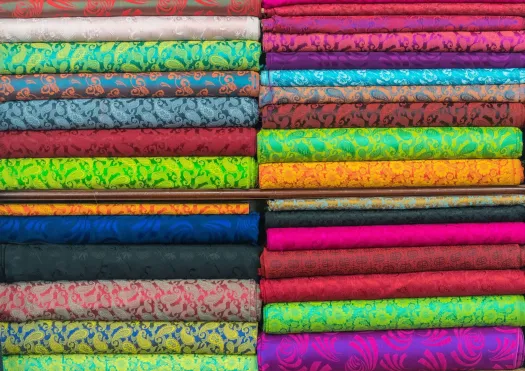
Clothes are more than just garments that cover our bodies; they are a language, a form of expression, and a reflection of our culture and identity. From the threads woven into intricate patterns to the buttons that fasten and the zippers that zip, clothing is a tapestry that tells the story of humanity. This article delves into the world of clothes, exploring their significance, the evolution of fashion, and the impact of clothing on society.

The Significance of Clothing

Clothing serves a fundamental purpose: to protect us from the elements. However, its role extends far beyond mere functionality. Clothes are a means of communication, conveying messages about our status, profession, and personality. They can signify belonging to a particular group or culture, and they often reflect the values and aesthetics of a society at a given time.

Historically, clothing has been a marker of social hierarchy. In ancient civilizations, the fabrics, colors, and styles of garments distinguished the classes, with the wealthy often wearing more elaborate and expensive attire. Even today, clothing can be a status symbol, with certain brands and designs signaling affluence or exclusivity.

The Evolution of Fashion

Fashion is the ever-changing realm of clothing and accessories, influenced by cultural and social attitudes, as well as innovations in technology and materials. The history of fashion is a fascinating journey through different eras, each with its distinctive styles and influences.

From the flowing togas of ancient Rome to the structured corsets of the Victorian era, fashion has evolved in response to changing societal norms and technological advancements. The invention of the sewing machine in the 19th century, for example, revolutionized garment production, making clothing more accessible and leading to new styles and trends.

The 20th century saw an acceleration in fashion trends, with the influence of celebrities and the rise of mass media. The fashion industry became a global phenomenon, with designers like Coco Chanel and Yves Saint Laurent shaping the way we dress. The advent of prêt-à-porter (ready-to-wear) fashion democratized style, making designer clothing available to a broader audience.

The Impact of Clothing on Society

Clothing has a profound impact on society, influencing everything from individual behavior to economic markets. The fashion industry is a significant global economic force, with billions of dollars generated annually through the production and sale of garments.

However, the impact of clothing on society is not without its controversies. The fast fashion phenomenon, characterized by rapidly changing trends and low-cost garments, has raised concerns about sustainability and ethical labor practices. The environmental cost of producing cheap clothing is significant, with textile waste becoming a major issue.

Moreover, the pressure to conform to certain fashion standards can affect individuals’ self-esteem and body image. The fashion industry has been criticized for promoting unrealistic beauty ideals and for its lack of diversity and inclusivity.

The Future of Clothing

As we look to the future, the world of clothes is poised for further transformation. Sustainability is becoming a driving force in the fashion industry, with consumers demanding eco-friendly and ethically produced garments. Innovations in materials science are leading to the development of smart fabrics that respond to environmental changes or have health benefits.

Technology is also changing how we interact with clothing. Virtual try-ons and augmented reality are revolutionizing the shopping experience, while 3D printing and customization are making clothing more personalized than ever before.

Conclusion

The fabric of our lives is woven from the threads of tradition, innovation, and expression. Clothing is a mirror to society, reflecting its values, challenges, and aspirations. As we continue to explore the world of clothes, we are reminded of its power to unite and divide, to protect and express, and to shape the narrative of our collective human experience. The evolution of fashion is an ongoing story, one that is constantly being rewritten by designers, consumers, and the forces of change that shape our world.