Nia Vardalos: From Second City to Big Fat Success

ppr-revolution.com – Nia Vardalos is a name synonymous with the surprise box office hit “My Big Fat Greek Wedding,” a film that captured the hearts of audiences worldwide with its heartwarming and hilarious portrayal of Greek-American family life. More than just an actress, Vardalos is a talented writer and producer whose personal experiences inspired a cultural phenomenon. Her journey from improvisational comedy to Hollywood success is a testament to her talent, perseverance, and ability to tell authentic stories that resonate with a broad audience.   

Early Life and Embracing Comedy

Antonia Eugenia Vardalos was born in Winnipeg, Manitoba, Canada, on September 24, 1962, to Greek-Canadian parents. Growing up in a close-knit Greek community, she experienced firsthand the rich traditions, boisterous family dynamics, and cultural nuances that would later form the basis of her most famous work.   

Vardalos developed a passion for performing and comedy early in life. She studied acting at Ryerson University in Toronto and later joined the renowned Second City comedy troupe in Chicago. This experience proved invaluable, honing her improvisational skills and providing her with a platform to develop her comedic voice.

The Genesis of “My Big Fat Greek Wedding”

While working at a Greek restaurant in Chicago, Vardalos began developing a one-woman show about her experiences growing up in a large Greek family. This show caught the attention of Rita Wilson, who was in the audience one night. Wilson, impressed by Vardalos’s talent and the relatable humor of her story, encouraged her husband, Tom Hanks, to see the show.   

Hanks was equally impressed and decided to produce a film adaptation of Vardalos’s play. This collaboration marked a turning point in Vardalos’s career, transforming her personal story into a major motion picture.   

A Surprise Box Office Phenomenon

“My Big Fat Greek Wedding,” released in 2002, became a surprise box office hit, grossing over $368 million worldwide on a modest budget. The film’s success was attributed to its heartwarming portrayal of family dynamics, its relatable humor, and its celebration of Greek culture.  

Vardalos’s screenplay was praised for its authenticity and its ability to capture the essence of Greek-American life. Her performance as Toula Portokalos, a shy Greek woman who falls in love with a non-Greek man, was both charming and relatable. The film’s success earned Vardalos an Academy Award nomination for Best Original Screenplay.   

Beyond the Wedding: Continued Success

Following the success of “My Big Fat Greek Wedding,” Vardalos continued to write, produce, and act in various projects. She starred in films such as “Connie and Carla” (2004), which she also wrote, and “My Life in Ruins” (2009).   

She also returned to the world of “My Big Fat Greek Wedding” with a television series, “My Big Fat Greek Life” (2003), and a film sequel, “My Big Fat Greek Wedding 2” (2016), which further explored the lives of the Portokalos family. In 2023, she wrote, directed and starred in “My Big Fat Greek Wedding 3”.   

A Champion of Authentic Storytelling

Nia Vardalos’s success story is a testament to the power of authentic storytelling. Her ability to draw from her own personal experiences and create relatable characters has resonated with audiences worldwide. She has become an inspiration for aspiring writers and performers, demonstrating that personal stories can have a universal appeal.

Beyond her creative work, Vardalos has also been involved in philanthropic efforts, supporting various charities and causes.   

A Lasting Impact

Nia Vardalos has made a lasting impact on the entertainment industry, not only with the phenomenal success of “My Big Fat Greek Wedding” but also through her continued work as a writer, producer, and actress. She has proven herself to be a versatile and talented storyteller, capable of creating heartwarming and hilarious stories that connect with audiences on a deep level. Her journey from Second City to Hollywood success is an inspiring example of the power of perseverance and the importance of telling your own story.
Niš: A City of History and Culture – A Rich Historical Heritage

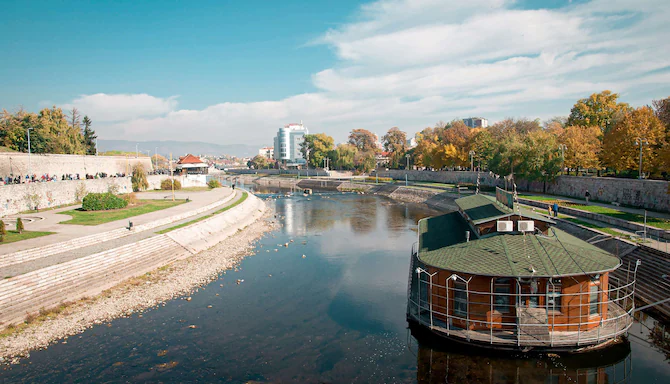
ppr-revolution.com – Niš, a city in southeastern Serbia, is a vibrant cultural hub with a rich history dating back to the Roman era. Its strategic location at the crossroads of major trade routes has made it a significant historical center for centuries.

The Roman influence is evident in the city’s archaeological sites, including the Mediana archaeological site, which once served as a Roman villa and later a Roman imperial court. The city’s Roman name, Naissus, is still remembered today.

During the Middle Ages, Niš was a part of the Serbian Empire and later fell under Ottoman rule. The Ottoman period left a significant mark on the city’s architecture and culture. The Niš Fortress, a medieval fortress that has witnessed numerous battles and sieges, is one of the city’s most iconic landmarks.

A Cultural Melting Pot

Niš is a city with a diverse cultural heritage. The city’s National Museum houses a valuable collection of archaeological artifacts, historical documents, and works of art. The museum offers insights into the region’s rich history, from the prehistoric era to the modern day.

The city’s theaters and cultural centers offer a variety of performances, including plays, concerts, and exhibitions. The Nišville Jazz Festival is a major international music event that attracts jazz enthusiasts from all over the world.

A Modern City

Niš has undergone significant development in recent years, transforming into a modern city with a strong focus on industry, education, and tourism. The city’s universities and colleges offer a wide range of academic programs, attracting students from all over Serbia.

The city’s industrial zone is home to a variety of manufacturing companies, contributing to the region’s economic growth. Niš is also a transportation hub, with good connections to other major cities in Serbia and neighboring countries.

A Natural Paradise

Niš is surrounded by stunning natural beauty. The nearby mountains, including Suva Planina and Stara Planina, offer opportunities for hiking, skiing, and other outdoor activities. The Nišava River, which flows through the city, provides opportunities for fishing, kayaking, and rafting.

The city’s parks and gardens offer peaceful retreats for relaxation and recreation. The Čair Park, located in the heart of the city, is a popular destination for picnics, walks, and sports.

Niš is a city that offers a unique blend of history, culture, and natural beauty. Its rich heritage, vibrant culture, and friendly people make it a fascinating destination for travelers of all ages.

São Bernardo do Campo: A City of Industry and Culture

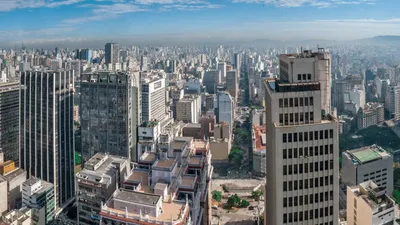
ppr-revolution.com – São Bernardo do Campo is a vibrant city located in the state of São Paulo, Brazil. Known for its rich industrial heritage and cultural significance, it plays a vital role in the economic landscape of the region. With a population of over 800,000 people, the city is a bustling hub of activity, blending modernity with tradition.

Historical Background

Founded in 1553, São Bernardo do Campo has a long and storied history. Initially a modest settlement, it began to grow significantly during the industrial boom of the 20th century. The city became a focal point for the automotive industry, attracting major companies such as Volkswagen and Mercedes-Benz. This industrial growth spurred urban development and transformed São Bernardo into a key economic center.

Economic Landscape

The economy of São Bernardo do Campo is heavily influenced by its industrial sector. As part of the ABC Region (an acronym for Santo André, São Bernardo do Campo, and São Caetano do Sul), the city is recognized as one of Brazil’s main industrial areas. The presence of automotive giants has led to the development of numerous ancillary industries, fostering a robust supply chain and creating numerous job opportunities.

Cultural Richness

Beyond its industrial prowess, São Bernardo do Campo is rich in cultural attractions. The city hosts a variety of cultural festivals and events throughout the year, celebrating its diverse heritage. The local arts scene is vibrant, with theaters, galleries, and cultural centers contributing to a lively cultural atmosphere. The city is also home to several historical landmarks, providing a glimpse into its past.

Educational Institutions

São Bernardo do Campo is known for its educational institutions, offering a range of options for students. The city boasts several universities and technical schools, providing quality education and contributing to the skilled workforce that supports its industries. These institutions play a crucial role in the city’s development, ensuring a continuous flow of knowledge and innovation.

Green Spaces and Recreation

Despite its industrial character, São Bernardo do Campo is committed to providing green spaces and recreational areas for its residents. The city features numerous parks and outdoor spaces where people can relax and enjoy nature. These areas offer a respite from the urban environment and promote a healthy lifestyle among the city’s inhabitants.

Conclusion

São Bernardo do Campo is a city that encapsulates the dynamic spirit of Brazil’s industrial and cultural evolution. With its rich history, economic significance, and cultural vibrancy, it stands as a testament to the resilience and innovation that define the region. Whether exploring its industrial legacy or enjoying its cultural offerings, São Bernardo do Campo offers a unique and enriching experience for residents and visitors alike.

Exploring the Vibrant City of Rio de Janeiro

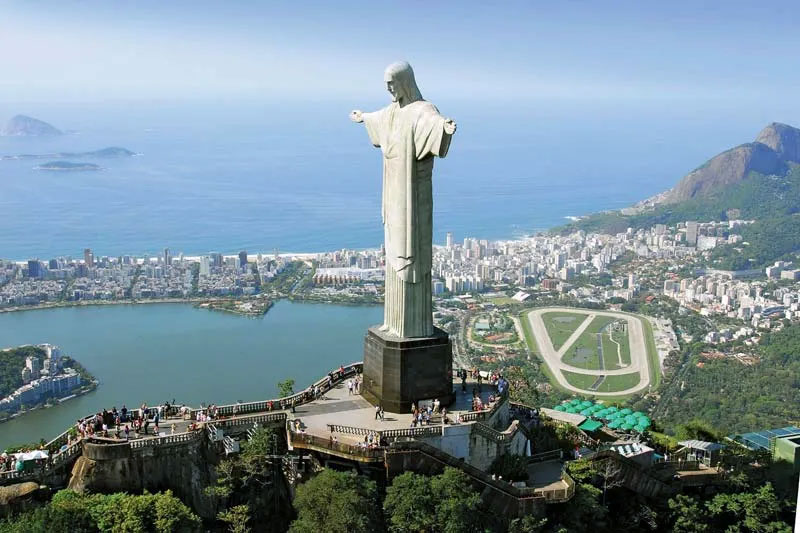
ppr-revolution.com – Rio de Janeiro, often simply referred to as Rio, is one of the most iconic cities in Brazil and the world. Known for its stunning natural beauty, lively culture, and historic landmarks, Rio offers an unforgettable experience for visitors and locals alike. From the world-famous Copacabana Beach to the towering Christ the Redeemer statue, Rio de Janeiro is a city that captivates the heart and soul.

Geography and Climate

Rio de Janeiro is located in the southeastern part of Brazil, nestled between lush mountains and the Atlantic Ocean. The city’s unique geography includes the famous Sugarloaf Mountain and the Tijuca National Park, which is one of the largest urban rainforests in the world. Rio enjoys a tropical climate, with warm temperatures year-round, making it a perfect destination for outdoor activities.

Cultural Richness

Rio is a cultural hub, known for its vibrant music and dance scenes. Samba and bossa nova were born in Rio, and the city’s annual Carnival is a world-renowned event that attracts millions of tourists. The streets come alive with colorful parades, elaborate costumes, and rhythmic music, showcasing the city’s rich cultural heritage.

Iconic Landmarks

Some of the most recognizable landmarks in Rio de Janeiro include:

  • Christ the Redeemer: This iconic statue stands atop Corcovado Mountain, offering panoramic views of the city. It is one of the New Seven Wonders of the World and a symbol of peace and Brazilian Christianity.
  • Sugarloaf Mountain: Accessible by cable car, Sugarloaf Mountain provides breathtaking views of Rio’s coastline and is a popular spot for hiking and rock climbing.
  • Copacabana and Ipanema Beaches: These world-famous beaches are perfect for sunbathing, swimming, and people-watching. Each has its unique vibe and is a must-visit for beach lovers.

Culinary Delights

Rio de Janeiro’s cuisine is a delightful fusion of flavors. Visitors can enjoy traditional Brazilian dishes like feijoada (a hearty black bean stew), pão de queijo (cheese bread), and fresh seafood. Street food vendors offer a variety of snacks such as coxinhas (chicken croquettes) and açai bowls.

Conclusion

Rio de Janeiro is a city that pulses with energy and life. Its stunning landscapes, rich cultural heritage, and warm, welcoming atmosphere make it a destination like no other. Whether you’re exploring its natural wonders, indulging in its culinary offerings, or dancing the night away, Rio promises an unforgettable adventure.

International Cities Hosting Iconic Shows: Global Fashion Stage

ppr-revolution.com – Fashion is a universal language that transcends borders, cultures, and languages. It is an art form that not only reflects the zeitgeist but also sets trends that influence the way people dress and perceive themselves. The global fashion stage is a dynamic and ever-evolving platform where designers, models, and industry insiders converge to showcase the latest in fashion innovation and creativity. Among the many cities around the world, a select few have established themselves as the epicenters of the fashion universe, hosting iconic shows that set the tone for the season’s trends and beyond.

Paris: The City of Light and Fashion

Paris, France, is synonymous with fashion. The city’s rich history in haute couture and its reputation for elegance and sophistication make it the undisputed capital of the fashion world. The Paris Fashion Week, held twice a year, is a highlight on the fashion calendar, where the world’s most renowned designers present their collections. From the grandiosity of the Chanel show at the Grand Palais to the intimate presentations of up-and-coming designers, Paris is a testament to the enduring allure of French fashion.

Milan: The Heart of Italian Glamour

Milan, Italy, is the beating heart of Italian fashion, known for its luxurious fabrics, impeccable tailoring, and innovative designs. Milan Fashion Week is a celebration of Italian style, where fashion houses like Gucci, Prada, and Versace unveil their latest creations. The city’s fashion shows are not just about the clothes; they are elaborate productions that captivate the audience with their creativity and flair. Milan’s fashion scene is a blend of tradition and modernity, showcasing the best of Italian craftsmanship and design.

New York: The Melting Pot of Fashion

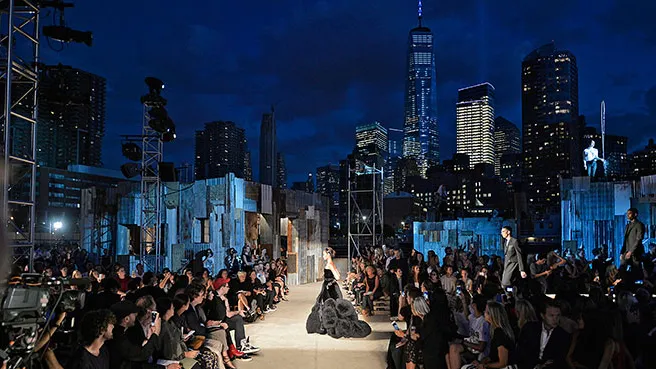
New York City, with its diverse culture and fast-paced lifestyle, is the fashion capital of the Western Hemisphere. New York Fashion Week is a melting pot of talent, where established designers and emerging talents alike showcase their work. The city’s fashion scene is known for its inclusivity, innovation, and the ability to set global trends. From the urban cool of downtown designers to the glamour of the runway shows at Lincoln Center, New York’s fashion stage is a reflection of the city’s dynamic and ever-changing landscape.

London: The Hub of Creativity and Diversity

London, England, is a hub of creativity and diversity, where fashion is a form of self-expression and rebellion. London Fashion Week is a platform for boundary-pushing designers who are not afraid to experiment with shapes, textures, and colors. The city’s fashion scene is eclectic, with a mix of streetwear, high fashion, and everything in between. London’s shows are known for their theatricality and ability to surprise, making it a must-watch event on the global fashion calendar.

Tokyo: The East Meets West Fashion Fusion

Tokyo, Japan, is a unique blend of traditional and futuristic elements, and its fashion scene reflects this duality. Tokyo Fashion Week showcases the work of Japanese designers who are celebrated for their innovative use of technology, materials, and design. The city’s fashion is a fusion of East meets West, with a focus on avant-garde styles and conceptual designs. Tokyo’s fashion shows are a testament to the city’s status as a global fashion leader, pushing the boundaries of what fashion can be.

Conclusion

The global fashion stage is a kaleidoscope of cultures, styles, and innovations, with each city bringing its unique flavor to the fashion world. From the timeless elegance of Paris to the cutting-edge creativity of Tokyo, these international fashion capitals are more than just hosts of iconic shows; they are the heart and soul of the fashion industry. As fashion continues to evolve, these cities will remain at the forefront, setting trends and inspiring designers and fashion enthusiasts around the globe.