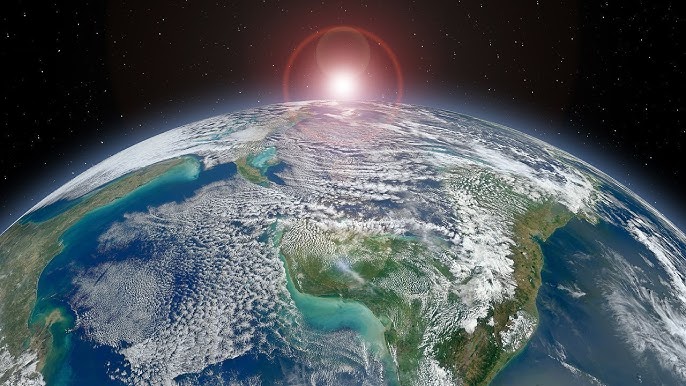
From Formation to Present Day: The History of Earth

ppr-revolution.com – The story of Earth begins approximately 4.5 billion years ago, when our planet coalesced from the solar nebula, a disk-shaped mass of dust and gas left over from the Sun’s formation. The early Earth was a hot, molten sphere, constantly bombarded by meteorites and comets. Over millions of years, the planet cooled, and a solid crust formed. The atmosphere was likely composed of gases such as carbon dioxide, nitrogen, and water vapor, which eventually led to the formation of the oceans.

The Emergence of Life

The first signs of life on Earth appeared around 3.5 to 3.8 billion years ago. These early life forms were simple, single-celled organisms that lived in the oceans. The process by which life originated from non-living matter is known as abiogenesis, and while the exact details remain a subject of research, it is believed that the early Earth’s conditions were conducive to the formation of complex organic molecules.

The Evolution of Life

Over billions of years, life on Earth evolved from simple microorganisms to the diverse array of species we see today. This process, known as evolution, is driven by natural selection, where organisms best suited to their environment are more likely to survive and reproduce. Key events in the history of life include the appearance of multicellular organisms, the colonization of land by plants and animals, the rise of dinosaurs, and the eventual emergence of mammals.

Mass Extinctions

The history of Earth is punctuated by several mass extinction events, where a significant portion of the planet’s species were wiped out. The most famous of these is the Cretaceous-Paleogene extinction event, which occurred 66 million years ago and led to the demise of the dinosaurs. These events were caused by a variety of factors, including asteroid impacts, volcanic eruptions, and climate change.

The Rise of Humans

Humans, or Homo sapiens, first appeared around 300,000 years ago. Our ancestors evolved from earlier hominins in Africa and eventually spread across the globe. The development of agriculture, the rise of civilizations, and the industrial revolution are just a few of the milestones in human history that have shaped the planet.

The Impact of Humans on Earth

Humans have had a profound impact on the Earth’s environment. From the clearing of forests for agriculture to the burning of fossil fuels and the resulting climate change, human activities have altered the planet in ways that will have lasting effects. Conservation efforts and the development of sustainable technologies are crucial for addressing these challenges.

The Present Day

Today, Earth is home to an estimated 8.7 million species, with new ones being discovered regularly. The planet continues to change, shaped by both natural processes and human activities. As we look to the future, understanding our past is essential for making informed decisions about how we interact with our environment.

Conclusion

The history of Earth is a tale of constant change and adaptation. From its fiery beginnings to the complex web of life that exists today, our planet has undergone incredible transformations. As we move forward, it is our responsibility to learn from the past and work towards a sustainable future for all life on Earth.
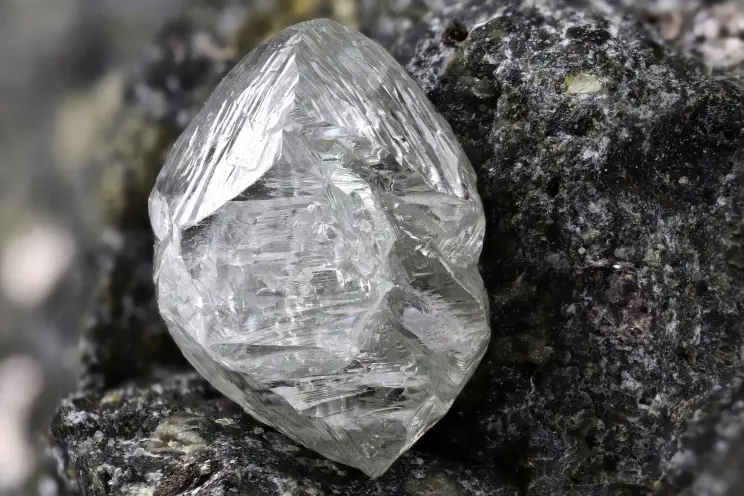
The Diamond Mine: The Secrets of Diamond Formation

ppr-revolution.com – Diamonds, often referred to as a girl’s best friend, are not just symbols of love and luxury but also enigmas of nature that have fascinated humanity for centuries. The formation of these precious gems is a process that spans millions of years, involving intense pressure and heat deep within the Earth’s mantle. This article delves into the mysterious world of diamond formation, uncovering the secrets that turn carbon into one of the most coveted minerals on Earth.

The Birthplace of Diamonds: Deep Within the Earth

The journey of a diamond begins in the Earth’s mantle, located approximately 100 to 200 miles below the surface. This is where the conditions are just right for diamonds to form. The extreme pressure, which can be as high as 725,000 pounds per square inch, combined with temperatures of about 2,200 degrees Fahrenheit, transforms simple carbon into the crystalline structure of a diamond.

The Role of Volcanic Activity

Once formed, diamonds are brought closer to the Earth’s surface through volcanic activity. Kimberlite pipes, a type of volcanic rock, act as the elevator for diamonds, transporting them from the depths of the mantle to the Earth’s crust. This process is relatively quick, taking only a few hours, but it is crucial for the discovery and mining of diamonds.

The Composition and Structure of Diamonds

Diamonds are composed of carbon atoms arranged in a specific pattern that gives them their unique properties. The structure of a diamond is a cubic crystal system, which is the strongest and hardest known to man. This structure is what makes diamonds not only beautiful but also incredibly useful in industrial applications.

The Variety of Diamond Types

There are two main types of diamonds: gem-quality diamonds and industrial diamonds. Gem-quality diamonds are those that are suitable for use in jewelry due to their clarity, color, and size. Industrial diamonds, on the other hand, are used in cutting, grinding, and drilling applications due to their hardness.

The Mining and Processing of Diamonds

The mining of diamonds is a complex process that involves locating kimberlite pipes, extracting the diamonds, and then processing them to remove impurities. The most common methods of diamond mining are open-pit mining, underground mining, and alluvial mining. Once mined, diamonds are cut and polished to enhance their natural beauty.

The Environmental and Ethical Concerns of Diamond Mining

While diamonds are celebrated for their beauty, the mining of these gems has raised significant environmental and ethical concerns. Diamond mining can lead to habitat destruction, water pollution, and displacement of local communities. Additionally, the trade of conflict diamonds, which are used to fund wars and conflicts, has led to calls for more responsible and ethical diamond sourcing.

The Future of Diamonds: Lab-Grown Alternatives

In response to these concerns, the market for lab-grown diamonds has grown significantly. These diamonds are created in a controlled environment that replicates the conditions found in the Earth’s mantle. While they are chemically and physically identical to natural diamonds, lab-grown diamonds offer a more sustainable and ethical alternative.

Conclusion

The formation of diamonds is a testament to the incredible forces at work within our planet. From their birthplace deep in the Earth’s mantle to their journey to the surface, diamonds are a symbol of the Earth’s power and beauty. As we continue to unearth the secrets of diamond formation, it is important to consider the environmental and ethical implications of diamond mining and to explore more sustainable alternatives. Whether mined from the Earth or grown in a lab, diamonds will undoubtedly continue to captivate and inspire for generations to come.