“Big Brother”: A Look Inside the Reality TV Giant

ppr-revolution.com – “Big Brother” is a reality TV show that has captivated audiences around the world since its inception in the late 1990s. The concept, which originated in the Netherlands, has been adapted in over 50 countries, showcasing the universal appeal of its premise: a group of strangers living together in a house filled with cameras and microphones, recording their every move 24/7. The show is not only a testament to the voyeuristic nature of reality television but also a social experiment that explores human behavior under constant surveillance and the dynamics of group living.

The Concept of “Big Brother”

The title “Big Brother” is borrowed from George Orwell’s dystopian novel “1984,” where it represents an omnipresent authority that monitors the lives of its citizens. In the context of the show, “Big Brother” is the entity that controls the house, issues tasks and rules, and ultimately decides the fate of the housemates through a combination of viewer votes and in-house competitions.

The Format

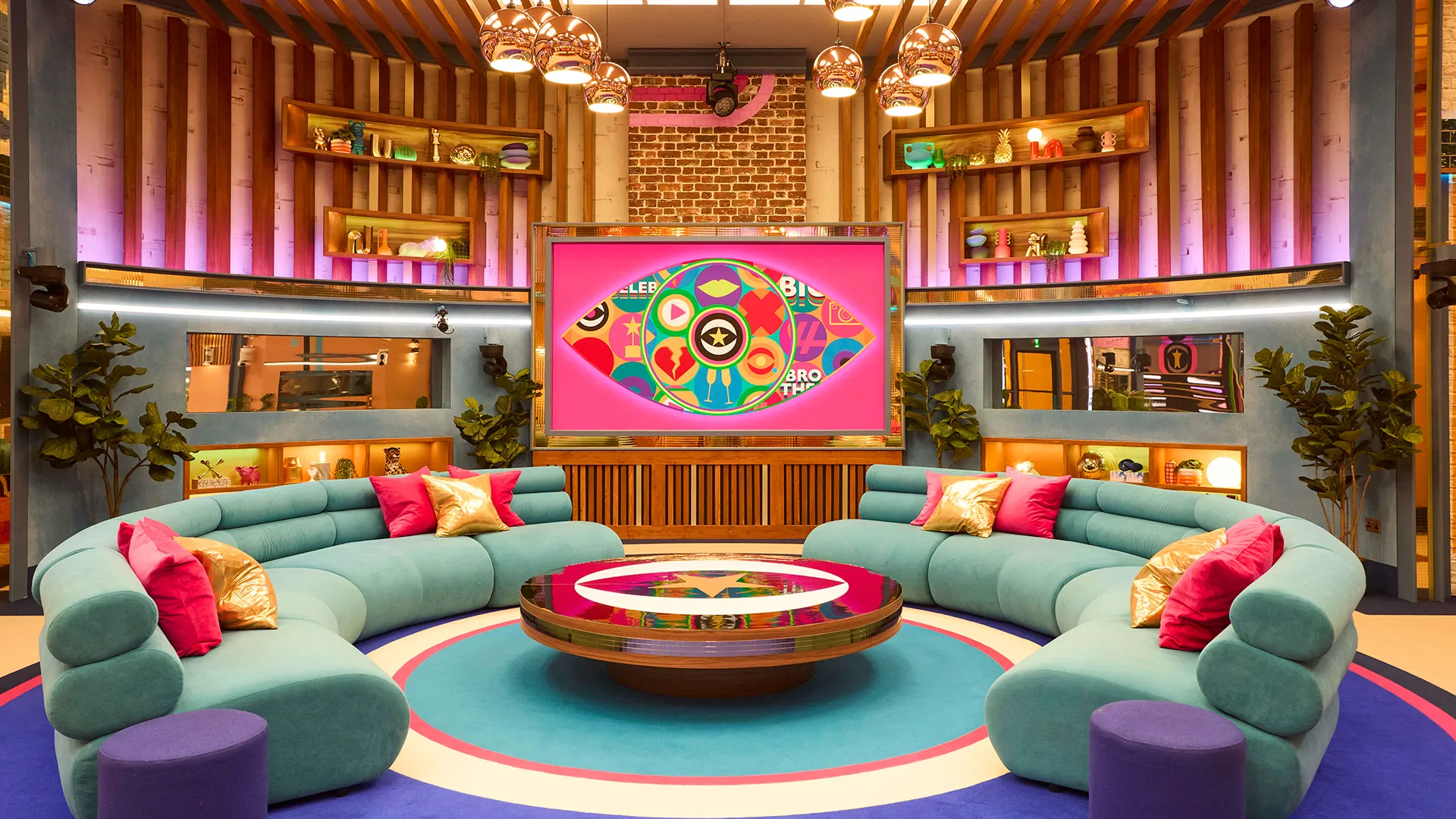
Each season of “Big Brother” typically follows a similar format. A group of diverse individuals, known as housemates, are sequestered in the Big Brother house. They are constantly monitored by cameras and are not allowed to have any contact with the outside world. Throughout the season, housemates are given various challenges and tasks designed to test their physical and mental capabilities, as well as their social skills.

The central element of the show is the eviction process. Housemates are regularly nominated by their peers, and the public or fellow housemates then vote to evict one of the nominees. This continues until only a few contestants remain, and the winner is usually determined by a public vote, receiving a cash prize as the ultimate reward.

The Appeal of “Big Brother”

“Big Brother” has become a cultural phenomenon, sparking debates about privacy, fame, and the nature of reality television. Its appeal lies in its unpredictability, as viewers never know what will happen next. The show also offers a unique insight into human psychology, as the stress of living in a confined space with constant surveillance and the pressure of competing for a prize can lead to intense emotions and dramatic confrontations.

Moreover, “Big Brother” has become a platform for launching the careers of its participants, with some former housemates going on to become celebrities in their own right. The show’s influence extends beyond the screen, impacting popular culture and even influencing the way people perceive reality TV and the concept of privacy.

The Evolution of “Big Brother”

Over the years, “Big Brother” has evolved, with different countries introducing their own twists to the format. Some versions have included celebrity editions, where famous personalities compete alongside regular contestants, and others have experimented with different voting systems or unique challenges.

Despite the emergence of various reality TV formats, “Big Brother” remains a staple in the genre, with new seasons and adaptations continuing to attract viewers eager to witness the latest drama and competition unfold.

Conclusion

“Big Brother” has left an indelible mark on the landscape of reality television. Its enduring popularity is a testament to the show’s ability to adapt and remain relevant, while also providing a fascinating glimpse into the lives of its participants and the complexities of human nature. As long as audiences continue to be intrigued by the dynamics of group living and the allure of watching real people in real situations, “Big Brother” is likely to remain a significant player in the world of reality TV.
The Making of Disneyland’s Iconic Attractions

Disneyland, the “Happiest Place on Earth,” is a magical realm where dreams and fantasies come to life. Since its opening in 1955, it has enchanted millions of visitors with its iconic attractions, each a testament to Walt Disney’s vision and the ingenuity of Imagineers. The transformation of these attractions from abstract concepts to tangible experiences is a fascinating journey that showcases the blend of creativity, technology, and storytelling.

The Birth of an Idea

Walt Disney’s dream of creating a family-friendly amusement park was rooted in his own experiences and frustrations with the existing parks of his time. He envisioned a place where both children and adults could enjoy themselves together, a place that would be clean, safe, and filled with imagination. This vision laid the foundation for Disneyland’s iconic attractions, each designed to immerse guests in a world of wonder and fantasy.

From Fantasy to Blueprint

The process of turning Walt’s dreams into reality began with the Imagineers, the creative force behind the Disney parks. These artists, engineers, and designers worked closely with Walt to translate his ideas into detailed blueprints and models. The Imagineers were tasked with not only creating rides but also telling stories, bringing characters to life, and crafting immersive environments that would transport guests to different times and places.

Iconic Attractions and Their Making

Main Street, U.S.A. – Inspired by Walt’s childhood memories of Marceline, Missouri, Main Street, U.S.A., was designed to evoke the look and feel of a turn-of-the-20th-century American town. The Imagineers paid meticulous attention to every detail, from the architecture and storefronts to the period-appropriate costumes of the cast members.

The Pirates of the Caribbean – This attraction, which debuted in 1967, is a prime example of Disney’s storytelling prowess. The Imagineers, led by Marc Davis, created an intricate audio-animatronic display that tells the tale of pirates invading a Caribbean town. The development of the ride involved extensive research into pirate lore and history, resulting in a seamless blend of fantasy and realism.

Space Mountain – Opened in 1977, Space Mountain was a groundbreaking attraction that introduced indoor roller coasters to Disney parks. The Imagineers had to innovate to create the sensation of speeding through space in the dark, using a combination of visual effects, sound, and motion. The design of the mountain itself, with its futuristic architecture, was a departure from the naturalistic landscapes found elsewhere in the park.

Haunted Mansion – Another Imagineering triumph, the Haunted Mansion, which opened in 1969, combines eerie storytelling with cutting-edge technology. The Imagineers developed special effects like the “stretching room” and the “ghostly” hitchhiking effects, pushing the boundaries of what was possible in themed entertainment.

The Continuous Evolution

Disneyland’s attractions are not static; they evolve with advancements in technology and shifts in cultural tastes. The Imagineers are constantly updating and refining the experiences, introducing new characters, and incorporating new technologies like virtual reality and advanced animatronics. This commitment to innovation ensures that Disneyland remains a place of wonder and discovery for new generations.

Conclusion

The making of Disneyland’s iconic attractions is a testament to the power of imagination and the art of storytelling. From the initial spark of an idea to the final, polished experience, each attraction is a labor of love that reflects the dedication and creativity of the Imagineers. Disneyland’s ability to transport guests to worlds of fantasy, adventure, and enchantment is a reminder of the enduring magic of Walt Disney’s original vision. As the park continues to evolve, one thing remains constant: the promise of a place where dreams become reality.