
The Victoria’s Secret Fashion Show: Inside the Glamour

ppr-revolution.com – The Victoria’s Secret Fashion Show has long been synonymous with glitz, glamour, and a touch of fantasy. Known for its dazzling spectacle featuring the world’s top models, elaborate costumes, and musical performances, the show is a highly anticipated annual event in the fashion calendar. This article delves into the essence of the show, its history, the behind-the-scenes work, and its cultural impact.

The Origins

The Victoria’s Secret Fashion Show was first introduced in 1995 as a marketing strategy to promote the brand’s lingerie lines. Initially a more intimate affair, it quickly evolved into a major televised event, captivating audiences worldwide. Over the years, the show has been held in various glamorous locations, including New York, Paris, and Shanghai, each bringing its unique flair to the runway.

Behind the Scenes

Behind the glitz and glamour, the show is a massive production involving months of planning and coordination. Designers and craftsmen work meticulously to create the intricate costumes and wings that are a hallmark of the show. Each piece is a work of art, requiring hours of labor and attention to detail. Models, often referred to as “Angels,” undergo rigorous training and rehearsals to ensure they are runway-ready.

The Models

The Victoria’s Secret Angels are more than just models; they are icons. Names like Gisele Bündchen, Adriana Lima, and Tyra Banks have graced the runway, each bringing their unique charisma and style. The show has been a launching pad for many careers, with models becoming household names and global ambassadors for the brand.

Musical Performances

A key element of the Victoria’s Secret Fashion Show is the musical performances. Over the years, the stage has been graced by top artists such as Taylor Swift, Rihanna, and The Weeknd. These performances add an electrifying energy to the show, blending fashion with music and entertainment.

Cultural Impact

Beyond the entertainment, the Victoria’s Secret Fashion Show has played a significant role in shaping beauty standards and fashion trends. However, it has also faced criticism for its portrayal of idealized beauty, prompting discussions about diversity and body positivity. In recent years, the brand has made efforts to evolve its image and embrace a broader representation of beauty.

Conclusion

The Victoria’s Secret Fashion Show remains a spectacle of fashion and entertainment, drawing millions of viewers worldwide. It represents a fusion of art, commerce, and culture, continually evolving with the times. As it moves forward, the show is poised to reflect changing societal values while maintaining its iconic status in the world of fashion.
“Big Brother”: A Look Inside the Reality TV Giant

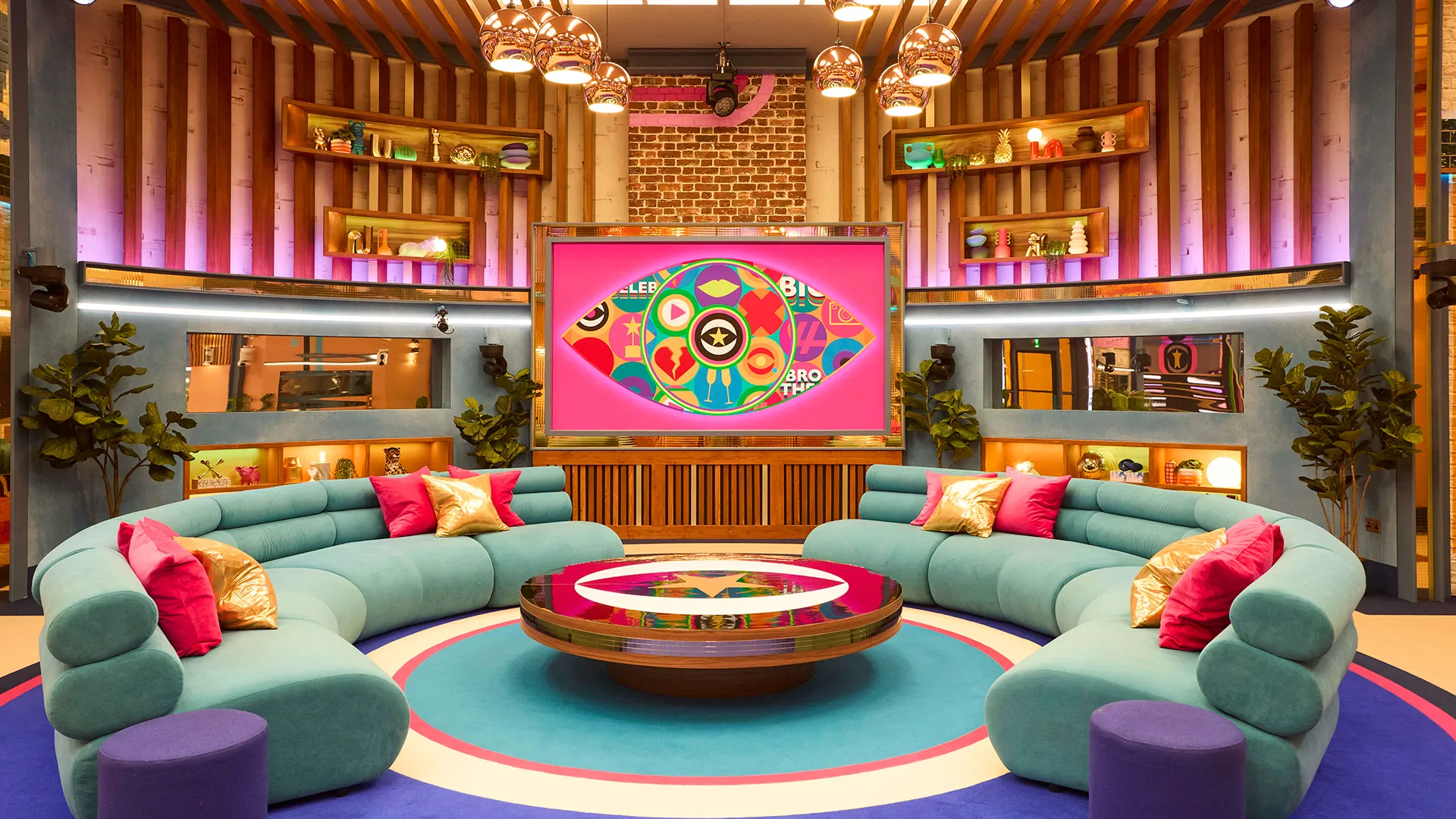
ppr-revolution.com – “Big Brother” is a reality TV show that has captivated audiences around the world since its inception in the late 1990s. The concept, which originated in the Netherlands, has been adapted in over 50 countries, showcasing the universal appeal of its premise: a group of strangers living together in a house filled with cameras and microphones, recording their every move 24/7. The show is not only a testament to the voyeuristic nature of reality television but also a social experiment that explores human behavior under constant surveillance and the dynamics of group living.

The Concept of “Big Brother”

The title “Big Brother” is borrowed from George Orwell’s dystopian novel “1984,” where it represents an omnipresent authority that monitors the lives of its citizens. In the context of the show, “Big Brother” is the entity that controls the house, issues tasks and rules, and ultimately decides the fate of the housemates through a combination of viewer votes and in-house competitions.

The Format

Each season of “Big Brother” typically follows a similar format. A group of diverse individuals, known as housemates, are sequestered in the Big Brother house. They are constantly monitored by cameras and are not allowed to have any contact with the outside world. Throughout the season, housemates are given various challenges and tasks designed to test their physical and mental capabilities, as well as their social skills.

The central element of the show is the eviction process. Housemates are regularly nominated by their peers, and the public or fellow housemates then vote to evict one of the nominees. This continues until only a few contestants remain, and the winner is usually determined by a public vote, receiving a cash prize as the ultimate reward.

The Appeal of “Big Brother”

“Big Brother” has become a cultural phenomenon, sparking debates about privacy, fame, and the nature of reality television. Its appeal lies in its unpredictability, as viewers never know what will happen next. The show also offers a unique insight into human psychology, as the stress of living in a confined space with constant surveillance and the pressure of competing for a prize can lead to intense emotions and dramatic confrontations.

Moreover, “Big Brother” has become a platform for launching the careers of its participants, with some former housemates going on to become celebrities in their own right. The show’s influence extends beyond the screen, impacting popular culture and even influencing the way people perceive reality TV and the concept of privacy.

The Evolution of “Big Brother”

Over the years, “Big Brother” has evolved, with different countries introducing their own twists to the format. Some versions have included celebrity editions, where famous personalities compete alongside regular contestants, and others have experimented with different voting systems or unique challenges.

Despite the emergence of various reality TV formats, “Big Brother” remains a staple in the genre, with new seasons and adaptations continuing to attract viewers eager to witness the latest drama and competition unfold.

Conclusion

“Big Brother” has left an indelible mark on the landscape of reality television. Its enduring popularity is a testament to the show’s ability to adapt and remain relevant, while also providing a fascinating glimpse into the lives of its participants and the complexities of human nature. As long as audiences continue to be intrigued by the dynamics of group living and the allure of watching real people in real situations, “Big Brother” is likely to remain a significant player in the world of reality TV.