Understanding International Standards: Beauty in Translation

ppr-revolution.com – In a world that is increasingly interconnected, the beauty industry has become a global marketplace. Products that were once confined to their country of origin now grace the shelves of international retailers, and beauty trends from one continent can quickly become a global phenomenon. However, with this globalization comes the challenge of translation – not just of language, but of cultural standards and preferences. Understanding international beauty standards is crucial for brands and consumers alike, as it facilitates effective communication, respects cultural differences, and opens up new markets.

The Diversity of Beauty Standards

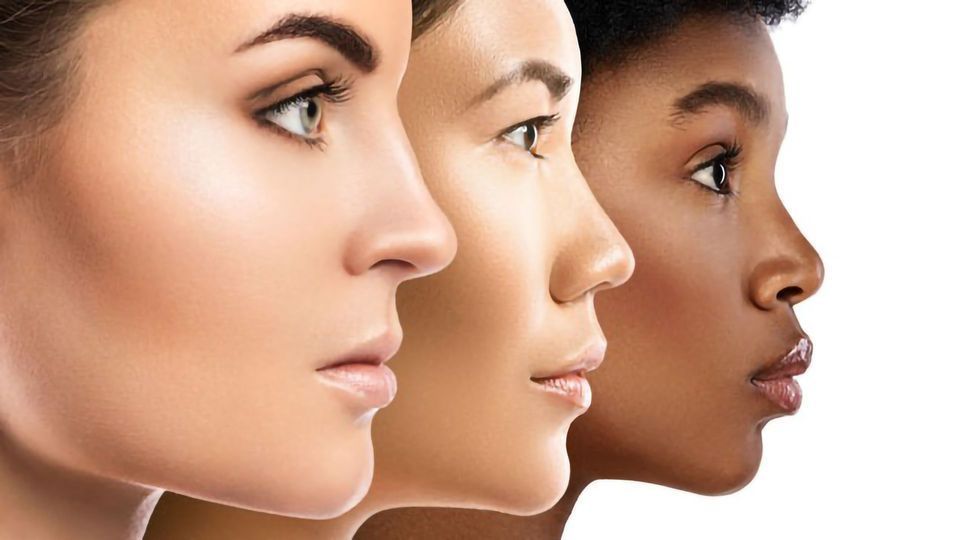
Beauty standards are not universal; they vary greatly from one culture to another. What is considered beautiful in one part of the world may be seen as ordinary or even unattractive in another. For example, in some cultures, a fair complexion is highly valued, while in others, a tanned look is preferred. Similarly, body shapes, hair textures, and facial features that are celebrated in one culture may be altered or concealed in another.

The Role of Media and Marketing

The media and marketing play a significant role in shaping beauty standards. Through advertisements, movies, magazines, and social media, certain ideals of beauty are promoted and become aspirational. However, as brands go global, they must navigate these differing standards carefully. A marketing campaign that resonates with one audience may be met with indifference or even backlash by another.

The Challenge of Translation

Translation in the beauty industry goes beyond language. It involves translating the essence of a product or campaign in a way that is culturally sensitive and appealing to the target audience. This can include adapting product formulations to suit different skin types and climates, changing packaging to align with cultural aesthetics, and modifying marketing messages to resonate with local values and preferences.

The Importance of Cultural Sensitivity

Cultural sensitivity is paramount when translating beauty standards. Brands must conduct thorough research to understand the nuances of the cultures they are entering. This includes understanding local beauty rituals, the significance of certain ingredients, and the impact of historical and social factors on beauty ideals. By doing so, brands can create products and campaigns that are not only successful but also respectful and inclusive.

Success Stories in Global Beauty

There are numerous examples of brands that have successfully navigated the challenges of international beauty standards. Some have done so by creating global campaigns that celebrate diversity, while others have tailored their products and marketing to specific regions. These successes highlight the importance of understanding and embracing cultural differences in the beauty industry.

The Future of Beauty in Translation

As the world continues to become more interconnected, the beauty industry is likely to see even more cross-cultural exchange. This presents both challenges and opportunities. On one hand, there is a risk of homogenization, where global standards overshadow local beauty ideals. On the other hand, there is an opportunity for a more inclusive and diverse understanding of beauty.

Conclusion

Beauty in translation is about more than just language. It’s about understanding and respecting the diverse standards of beauty that exist around the world. For brands, this means conducting thorough research, being culturally sensitive, and adapting products and marketing strategies to resonate with local audiences. For consumers, it means embracing the diversity of beauty and recognizing that standards are not universal. As the beauty industry continues to globalize, the ability to translate beauty effectively will be key to success and inclusivity.
International Cities Hosting Iconic Shows: Global Fashion Stage

ppr-revolution.com – Fashion is a universal language that transcends borders, cultures, and languages. It is an art form that not only reflects the zeitgeist but also sets trends that influence the way people dress and perceive themselves. The global fashion stage is a dynamic and ever-evolving platform where designers, models, and industry insiders converge to showcase the latest in fashion innovation and creativity. Among the many cities around the world, a select few have established themselves as the epicenters of the fashion universe, hosting iconic shows that set the tone for the season’s trends and beyond.

Paris: The City of Light and Fashion

Paris, France, is synonymous with fashion. The city’s rich history in haute couture and its reputation for elegance and sophistication make it the undisputed capital of the fashion world. The Paris Fashion Week, held twice a year, is a highlight on the fashion calendar, where the world’s most renowned designers present their collections. From the grandiosity of the Chanel show at the Grand Palais to the intimate presentations of up-and-coming designers, Paris is a testament to the enduring allure of French fashion.

Milan: The Heart of Italian Glamour

Milan, Italy, is the beating heart of Italian fashion, known for its luxurious fabrics, impeccable tailoring, and innovative designs. Milan Fashion Week is a celebration of Italian style, where fashion houses like Gucci, Prada, and Versace unveil their latest creations. The city’s fashion shows are not just about the clothes; they are elaborate productions that captivate the audience with their creativity and flair. Milan’s fashion scene is a blend of tradition and modernity, showcasing the best of Italian craftsmanship and design.

New York: The Melting Pot of Fashion

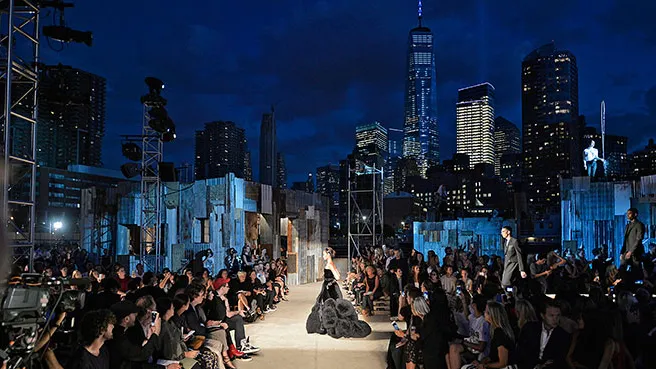
New York City, with its diverse culture and fast-paced lifestyle, is the fashion capital of the Western Hemisphere. New York Fashion Week is a melting pot of talent, where established designers and emerging talents alike showcase their work. The city’s fashion scene is known for its inclusivity, innovation, and the ability to set global trends. From the urban cool of downtown designers to the glamour of the runway shows at Lincoln Center, New York’s fashion stage is a reflection of the city’s dynamic and ever-changing landscape.

London: The Hub of Creativity and Diversity

London, England, is a hub of creativity and diversity, where fashion is a form of self-expression and rebellion. London Fashion Week is a platform for boundary-pushing designers who are not afraid to experiment with shapes, textures, and colors. The city’s fashion scene is eclectic, with a mix of streetwear, high fashion, and everything in between. London’s shows are known for their theatricality and ability to surprise, making it a must-watch event on the global fashion calendar.

Tokyo: The East Meets West Fashion Fusion

Tokyo, Japan, is a unique blend of traditional and futuristic elements, and its fashion scene reflects this duality. Tokyo Fashion Week showcases the work of Japanese designers who are celebrated for their innovative use of technology, materials, and design. The city’s fashion is a fusion of East meets West, with a focus on avant-garde styles and conceptual designs. Tokyo’s fashion shows are a testament to the city’s status as a global fashion leader, pushing the boundaries of what fashion can be.

Conclusion

The global fashion stage is a kaleidoscope of cultures, styles, and innovations, with each city bringing its unique flavor to the fashion world. From the timeless elegance of Paris to the cutting-edge creativity of Tokyo, these international fashion capitals are more than just hosts of iconic shows; they are the heart and soul of the fashion industry. As fashion continues to evolve, these cities will remain at the forefront, setting trends and inspiring designers and fashion enthusiasts around the globe.