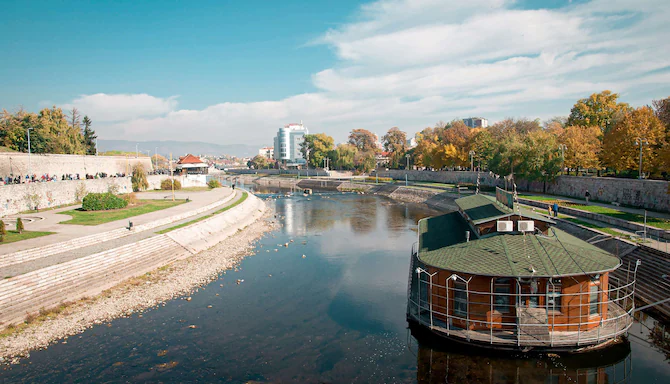
Niš: A City of History and Culture – A Rich Historical Heritage

ppr-revolution.com – Niš, a city in southeastern Serbia, is a vibrant cultural hub with a rich history dating back to the Roman era. Its strategic location at the crossroads of major trade routes has made it a significant historical center for centuries.

The Roman influence is evident in the city’s archaeological sites, including the Mediana archaeological site, which once served as a Roman villa and later a Roman imperial court. The city’s Roman name, Naissus, is still remembered today.

During the Middle Ages, Niš was a part of the Serbian Empire and later fell under Ottoman rule. The Ottoman period left a significant mark on the city’s architecture and culture. The Niš Fortress, a medieval fortress that has witnessed numerous battles and sieges, is one of the city’s most iconic landmarks.

A Cultural Melting Pot

Niš is a city with a diverse cultural heritage. The city’s National Museum houses a valuable collection of archaeological artifacts, historical documents, and works of art. The museum offers insights into the region’s rich history, from the prehistoric era to the modern day.

The city’s theaters and cultural centers offer a variety of performances, including plays, concerts, and exhibitions. The Nišville Jazz Festival is a major international music event that attracts jazz enthusiasts from all over the world.

A Modern City

Niš has undergone significant development in recent years, transforming into a modern city with a strong focus on industry, education, and tourism. The city’s universities and colleges offer a wide range of academic programs, attracting students from all over Serbia.

The city’s industrial zone is home to a variety of manufacturing companies, contributing to the region’s economic growth. Niš is also a transportation hub, with good connections to other major cities in Serbia and neighboring countries.

A Natural Paradise

Niš is surrounded by stunning natural beauty. The nearby mountains, including Suva Planina and Stara Planina, offer opportunities for hiking, skiing, and other outdoor activities. The Nišava River, which flows through the city, provides opportunities for fishing, kayaking, and rafting.

The city’s parks and gardens offer peaceful retreats for relaxation and recreation. The Čair Park, located in the heart of the city, is a popular destination for picnics, walks, and sports.

Niš is a city that offers a unique blend of history, culture, and natural beauty. Its rich heritage, vibrant culture, and friendly people make it a fascinating destination for travelers of all ages.
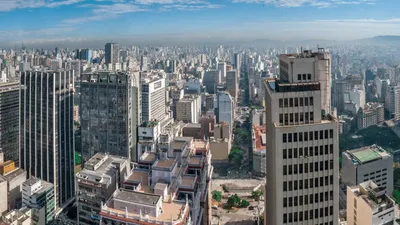
São Bernardo do Campo: A City of Industry and Culture

ppr-revolution.com – São Bernardo do Campo is a vibrant city located in the state of São Paulo, Brazil. Known for its rich industrial heritage and cultural significance, it plays a vital role in the economic landscape of the region. With a population of over 800,000 people, the city is a bustling hub of activity, blending modernity with tradition.

Historical Background

Founded in 1553, São Bernardo do Campo has a long and storied history. Initially a modest settlement, it began to grow significantly during the industrial boom of the 20th century. The city became a focal point for the automotive industry, attracting major companies such as Volkswagen and Mercedes-Benz. This industrial growth spurred urban development and transformed São Bernardo into a key economic center.

Economic Landscape

The economy of São Bernardo do Campo is heavily influenced by its industrial sector. As part of the ABC Region (an acronym for Santo André, São Bernardo do Campo, and São Caetano do Sul), the city is recognized as one of Brazil’s main industrial areas. The presence of automotive giants has led to the development of numerous ancillary industries, fostering a robust supply chain and creating numerous job opportunities.

Cultural Richness

Beyond its industrial prowess, São Bernardo do Campo is rich in cultural attractions. The city hosts a variety of cultural festivals and events throughout the year, celebrating its diverse heritage. The local arts scene is vibrant, with theaters, galleries, and cultural centers contributing to a lively cultural atmosphere. The city is also home to several historical landmarks, providing a glimpse into its past.

Educational Institutions

São Bernardo do Campo is known for its educational institutions, offering a range of options for students. The city boasts several universities and technical schools, providing quality education and contributing to the skilled workforce that supports its industries. These institutions play a crucial role in the city’s development, ensuring a continuous flow of knowledge and innovation.

Green Spaces and Recreation

Despite its industrial character, São Bernardo do Campo is committed to providing green spaces and recreational areas for its residents. The city features numerous parks and outdoor spaces where people can relax and enjoy nature. These areas offer a respite from the urban environment and promote a healthy lifestyle among the city’s inhabitants.

Conclusion

São Bernardo do Campo is a city that encapsulates the dynamic spirit of Brazil’s industrial and cultural evolution. With its rich history, economic significance, and cultural vibrancy, it stands as a testament to the resilience and innovation that define the region. Whether exploring its industrial legacy or enjoying its cultural offerings, São Bernardo do Campo offers a unique and enriching experience for residents and visitors alike.

British Museum: A Journey Through Culture and History

ppr-revolution.com – The British Museum, located in the heart of London, is a globally recognized institution renowned for its vast collection of art and antiquities. It stands as a beacon of cultural and historical preservation, attracting millions of visitors each year who are eager to explore its diverse exhibits.

A Brief History

Founded in 1753, the British Museum was the first national public museum in the world. It was established by an Act of Parliament with the initial collection bequeathed by Sir Hans Sloane. The museum opened its doors to the public in 1759, and since then, it has grown to house over eight million works spanning two million years of history.

The Collections

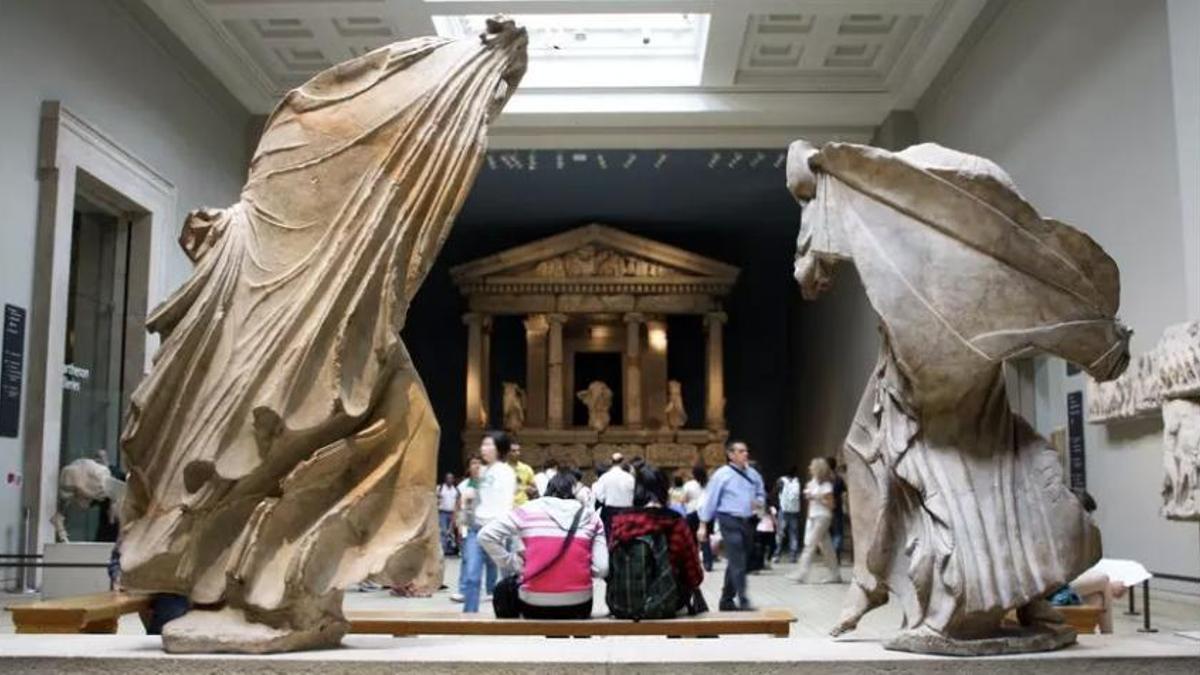
The British Museum’s collection is one of the most comprehensive in the world, featuring artifacts from every continent. Key highlights include the Rosetta Stone, the Elgin Marbles, and the Egyptian mummies. The museum is divided into departments such as Ancient Egypt and Sudan, Asia, Africa, Oceania, and the Americas, each offering a deep dive into different cultures and time periods.

Notable Exhibits

  1. The Rosetta Stone: This iconic artifact was instrumental in deciphering Egyptian hieroglyphs, unlocking the secrets of ancient Egyptian civilization.
  2. The Elgin Marbles: Originally part of the Parthenon in Athens, these sculptures have been a subject of international debate regarding cultural repatriation.
  3. The Egyptian Mummies: The museum’s Egyptian collection is one of the largest outside of Egypt, offering insights into the ancient world’s beliefs about death and the afterlife.

The Museum Experience

Visitors to the British Museum can expect a journey through time and space, with exhibits organized to provide educational insights as well as aesthetic appreciation. The museum also hosts temporary exhibitions, events, and educational programs, making it a dynamic space for learning and exploration.

Controversies and Challenges

The British Museum has faced ongoing controversies, particularly regarding the ownership and repatriation of certain artifacts. Debates continue over the return of items such as the Elgin Marbles to Greece and the Benin Bronzes to Nigeria. These discussions form part of a broader conversation about colonial history and cultural heritage.

Conclusion

The British Museum remains a pivotal institution in the world of art and history. Despite the challenges it faces, it continues to serve as a place of learning and inspiration, inviting visitors from around the globe to engage with the stories of humanity’s past. Its role in preserving and presenting the world’s cultural heritage ensures that it remains a must-visit destination for anyone interested in the rich tapestry of human history.