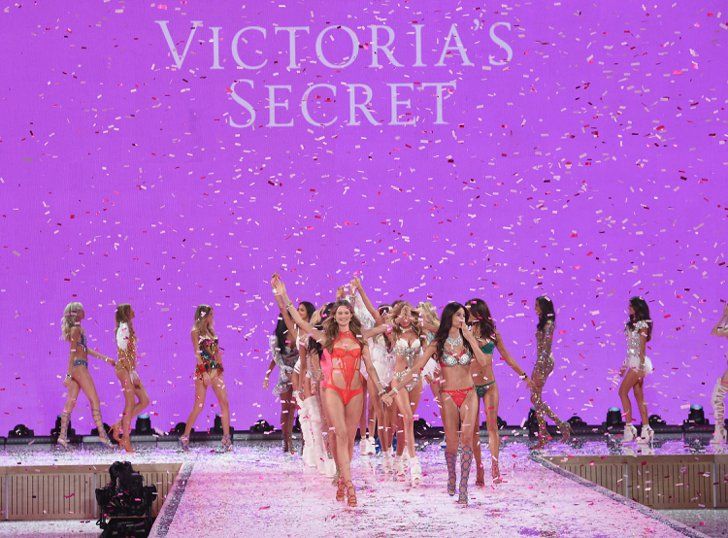
The Victoria’s Secret Fashion Show: Inside the Glamour

ppr-revolution.com – The Victoria’s Secret Fashion Show has long been synonymous with glitz, glamour, and a touch of fantasy. Known for its dazzling spectacle featuring the world’s top models, elaborate costumes, and musical performances, the show is a highly anticipated annual event in the fashion calendar. This article delves into the essence of the show, its history, the behind-the-scenes work, and its cultural impact.

The Origins

The Victoria’s Secret Fashion Show was first introduced in 1995 as a marketing strategy to promote the brand’s lingerie lines. Initially a more intimate affair, it quickly evolved into a major televised event, captivating audiences worldwide. Over the years, the show has been held in various glamorous locations, including New York, Paris, and Shanghai, each bringing its unique flair to the runway.

Behind the Scenes

Behind the glitz and glamour, the show is a massive production involving months of planning and coordination. Designers and craftsmen work meticulously to create the intricate costumes and wings that are a hallmark of the show. Each piece is a work of art, requiring hours of labor and attention to detail. Models, often referred to as “Angels,” undergo rigorous training and rehearsals to ensure they are runway-ready.

The Models

The Victoria’s Secret Angels are more than just models; they are icons. Names like Gisele Bündchen, Adriana Lima, and Tyra Banks have graced the runway, each bringing their unique charisma and style. The show has been a launching pad for many careers, with models becoming household names and global ambassadors for the brand.

Musical Performances

A key element of the Victoria’s Secret Fashion Show is the musical performances. Over the years, the stage has been graced by top artists such as Taylor Swift, Rihanna, and The Weeknd. These performances add an electrifying energy to the show, blending fashion with music and entertainment.

Cultural Impact

Beyond the entertainment, the Victoria’s Secret Fashion Show has played a significant role in shaping beauty standards and fashion trends. However, it has also faced criticism for its portrayal of idealized beauty, prompting discussions about diversity and body positivity. In recent years, the brand has made efforts to evolve its image and embrace a broader representation of beauty.

Conclusion

The Victoria’s Secret Fashion Show remains a spectacle of fashion and entertainment, drawing millions of viewers worldwide. It represents a fusion of art, commerce, and culture, continually evolving with the times. As it moves forward, the show is poised to reflect changing societal values while maintaining its iconic status in the world of fashion.
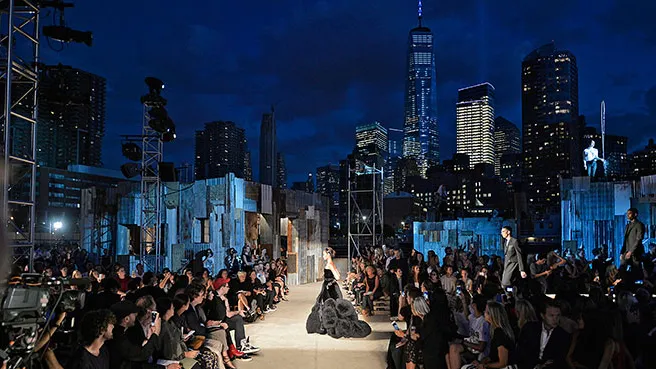
International Cities Hosting Iconic Shows: Global Fashion Stage

ppr-revolution.com – Fashion is a universal language that transcends borders, cultures, and languages. It is an art form that not only reflects the zeitgeist but also sets trends that influence the way people dress and perceive themselves. The global fashion stage is a dynamic and ever-evolving platform where designers, models, and industry insiders converge to showcase the latest in fashion innovation and creativity. Among the many cities around the world, a select few have established themselves as the epicenters of the fashion universe, hosting iconic shows that set the tone for the season’s trends and beyond.

Paris: The City of Light and Fashion

Paris, France, is synonymous with fashion. The city’s rich history in haute couture and its reputation for elegance and sophistication make it the undisputed capital of the fashion world. The Paris Fashion Week, held twice a year, is a highlight on the fashion calendar, where the world’s most renowned designers present their collections. From the grandiosity of the Chanel show at the Grand Palais to the intimate presentations of up-and-coming designers, Paris is a testament to the enduring allure of French fashion.

Milan: The Heart of Italian Glamour

Milan, Italy, is the beating heart of Italian fashion, known for its luxurious fabrics, impeccable tailoring, and innovative designs. Milan Fashion Week is a celebration of Italian style, where fashion houses like Gucci, Prada, and Versace unveil their latest creations. The city’s fashion shows are not just about the clothes; they are elaborate productions that captivate the audience with their creativity and flair. Milan’s fashion scene is a blend of tradition and modernity, showcasing the best of Italian craftsmanship and design.

New York: The Melting Pot of Fashion

New York City, with its diverse culture and fast-paced lifestyle, is the fashion capital of the Western Hemisphere. New York Fashion Week is a melting pot of talent, where established designers and emerging talents alike showcase their work. The city’s fashion scene is known for its inclusivity, innovation, and the ability to set global trends. From the urban cool of downtown designers to the glamour of the runway shows at Lincoln Center, New York’s fashion stage is a reflection of the city’s dynamic and ever-changing landscape.

London: The Hub of Creativity and Diversity

London, England, is a hub of creativity and diversity, where fashion is a form of self-expression and rebellion. London Fashion Week is a platform for boundary-pushing designers who are not afraid to experiment with shapes, textures, and colors. The city’s fashion scene is eclectic, with a mix of streetwear, high fashion, and everything in between. London’s shows are known for their theatricality and ability to surprise, making it a must-watch event on the global fashion calendar.

Tokyo: The East Meets West Fashion Fusion

Tokyo, Japan, is a unique blend of traditional and futuristic elements, and its fashion scene reflects this duality. Tokyo Fashion Week showcases the work of Japanese designers who are celebrated for their innovative use of technology, materials, and design. The city’s fashion is a fusion of East meets West, with a focus on avant-garde styles and conceptual designs. Tokyo’s fashion shows are a testament to the city’s status as a global fashion leader, pushing the boundaries of what fashion can be.

Conclusion

The global fashion stage is a kaleidoscope of cultures, styles, and innovations, with each city bringing its unique flavor to the fashion world. From the timeless elegance of Paris to the cutting-edge creativity of Tokyo, these international fashion capitals are more than just hosts of iconic shows; they are the heart and soul of the fashion industry. As fashion continues to evolve, these cities will remain at the forefront, setting trends and inspiring designers and fashion enthusiasts around the globe.